A good home does more than shelter us. It restores us.
That is true whether you live in a town apartment, a farmhouse surrounded by pasture, or a small homestead where the kitchen window looks out over chicken runs and garden beds. Indoor plants have a way of softening daily life. They make rooms feel lived in, cared for, and connected to the seasons outside. And for gardeners and small farmers, houseplants do something even deeper: they keep your hands and eyes in the habit of observation.
That matters more than most people realize.
When you learn to notice a spider plant asking for water, a basil pot stretching for light, or a Boston fern crisping in dry air, you sharpen the same instincts that help you manage soil moisture in the garden, spot stress in laying hens, or catch early warning signs in goats, ducks, or cattle. Good plant care and good animal husbandry begin in the same place: attention.
There offers a smart, simple framework houseplants matched to specific rooms. That is exactly how indoor planting should be approached. Not by choosing what looks nice first, but by choosing what fits the space, the light, the humidity, and the rhythm of your daily routine.
Let’s walk through each room and then connect those habits to stronger gardening and farm care overall.
Why Matching Plants to the Right Room Matters
One of the most common mistakes in indoor gardening is treating all rooms the same. They are not.
A living room often offers filtered light and more stable temperatures.
A bathroom usually has higher humidity.
A kitchen may have bright windows but fluctuating heat.
A bedroom tends to be calmer, cooler, and lower traffic.
When you place the right plant in the right room, care becomes easier. And when care becomes easier, consistency improves. That is one of the most practical gardening tips any grower can learn: set up success before problems begin.
The same is true on a farm. Place ducks where water access is easy. Keep chickens where airflow and dry bedding are manageable. Position feed where chores flow naturally. Good systems reduce stress for both plants and animals.
Best Houseplants for the Living Room
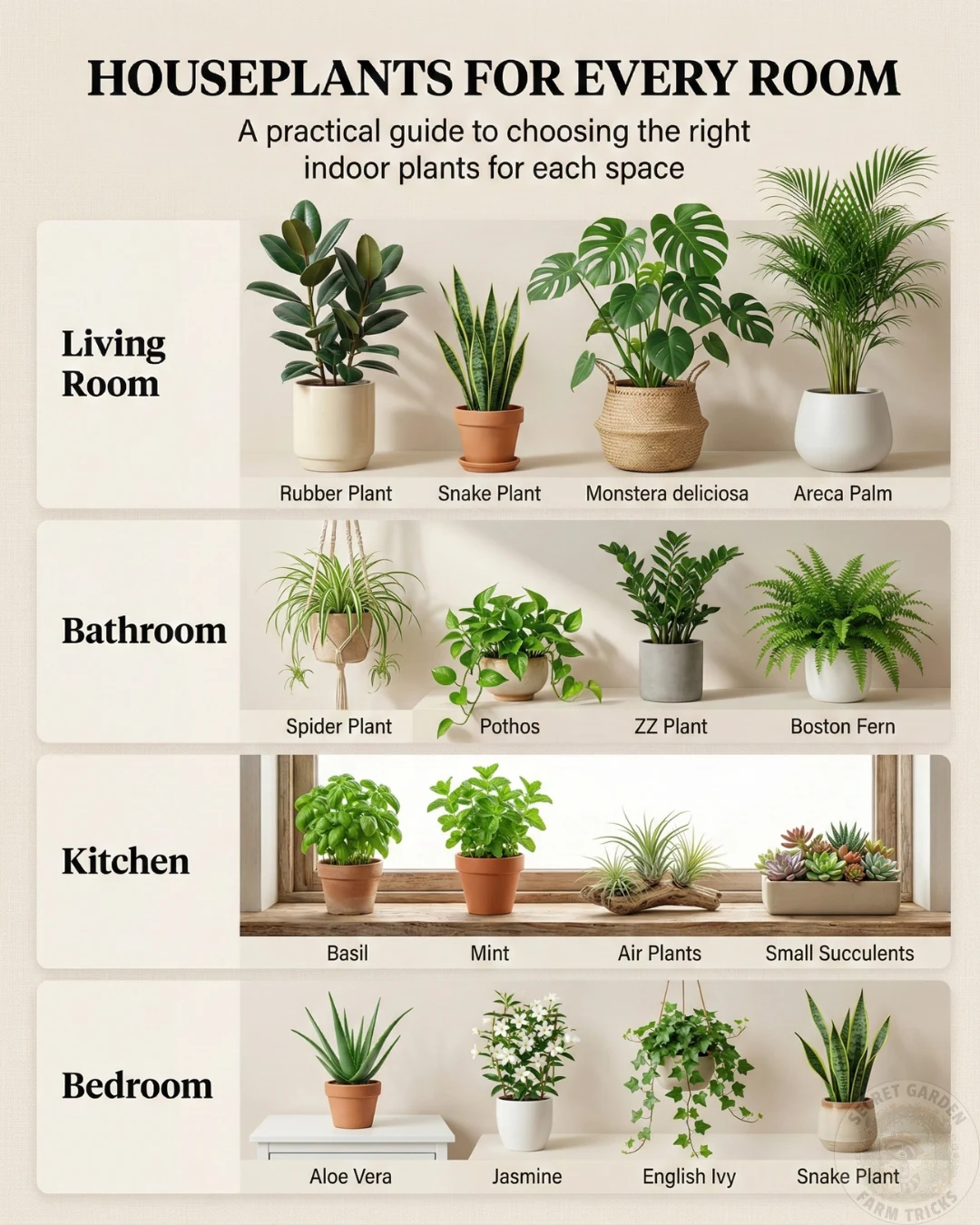
The image recommends Rubber Plant, Snake Plant, Monstera deliciosa, and Areca Palm for the living room. That pairing makes sense because living rooms often have the best balance of space, indirect light, and visual impact.
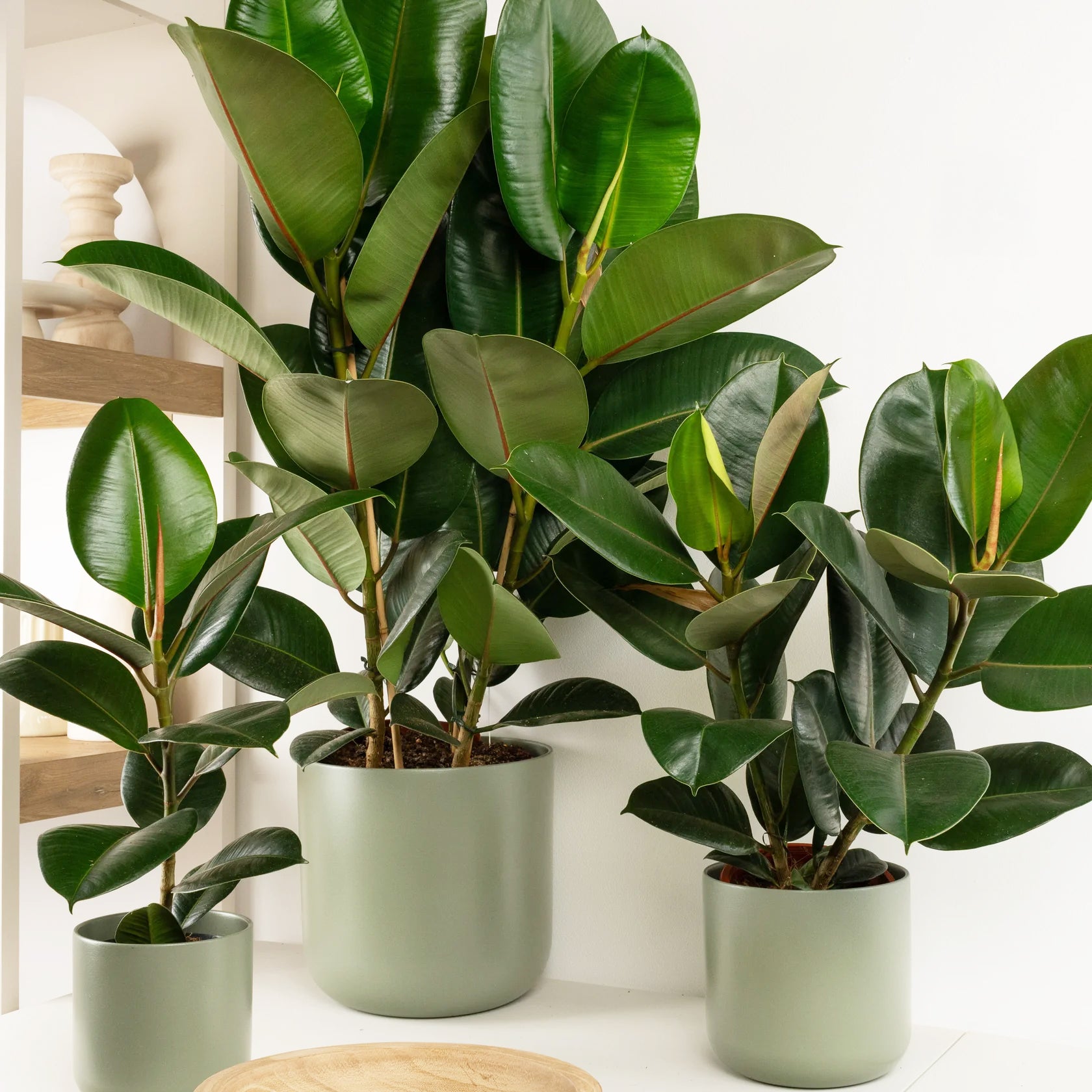
Rubber Plant
Rubber plants are strong, upright, and dependable. They like bright indirect light and prefer to dry slightly between waterings. Wipe the leaves occasionally to remove dust so the plant can photosynthesize more efficiently.
Snake Plant
This is one of the most forgiving indoor plants you can grow. It tolerates missed watering and lower light better than most. If your daily routine is busy with garden chores, egg collection, feeding animals, and seasonal planting, snake plant is the kind of plant that works with you, not against you.

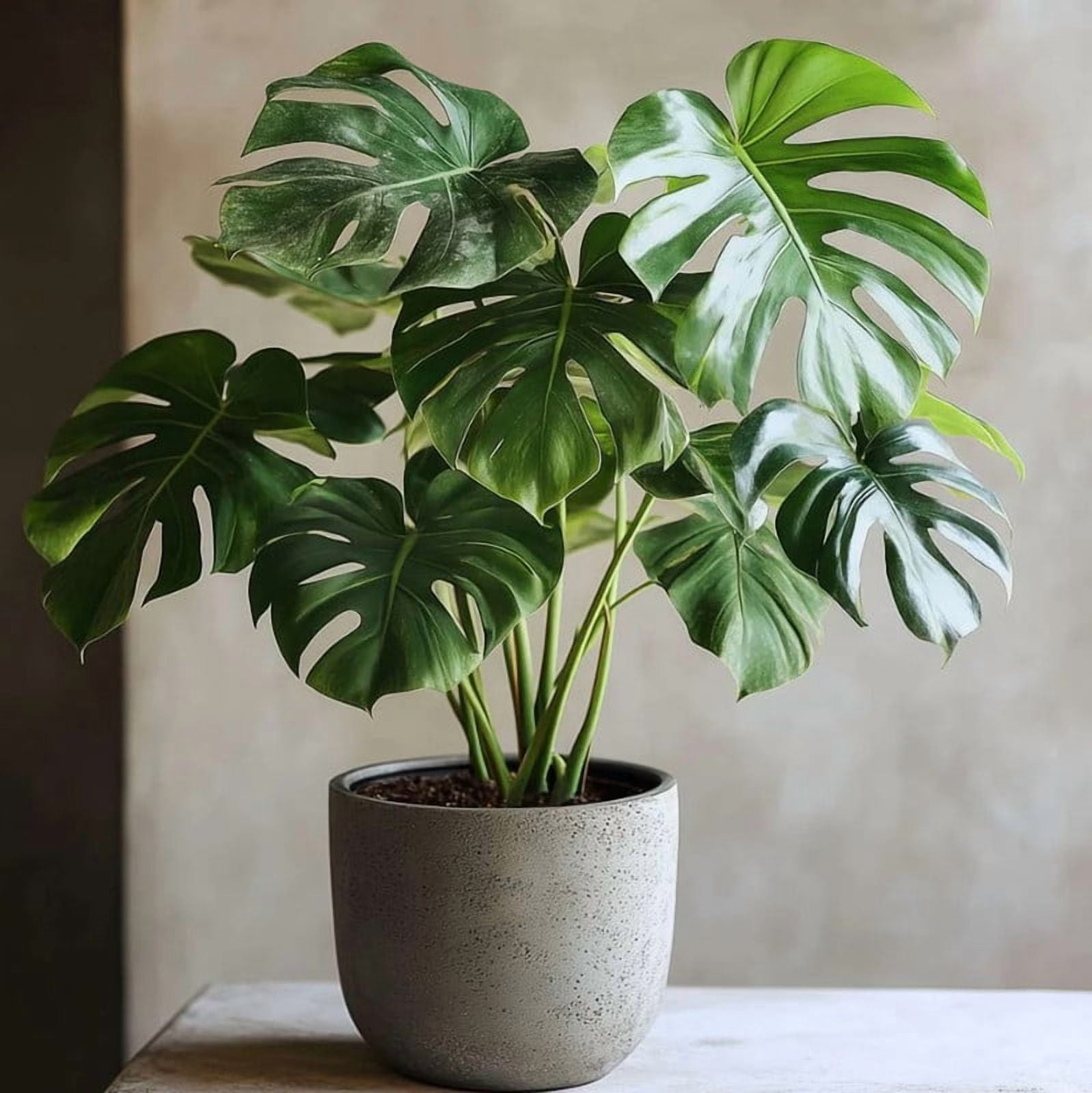
Monstera deliciosa
Monstera brings that lush, tropical look many people want indoors. Give it bright indirect light, moderate watering, and enough room to spread. Turn the pot every week or two so the plant grows evenly rather than leaning toward one light source.
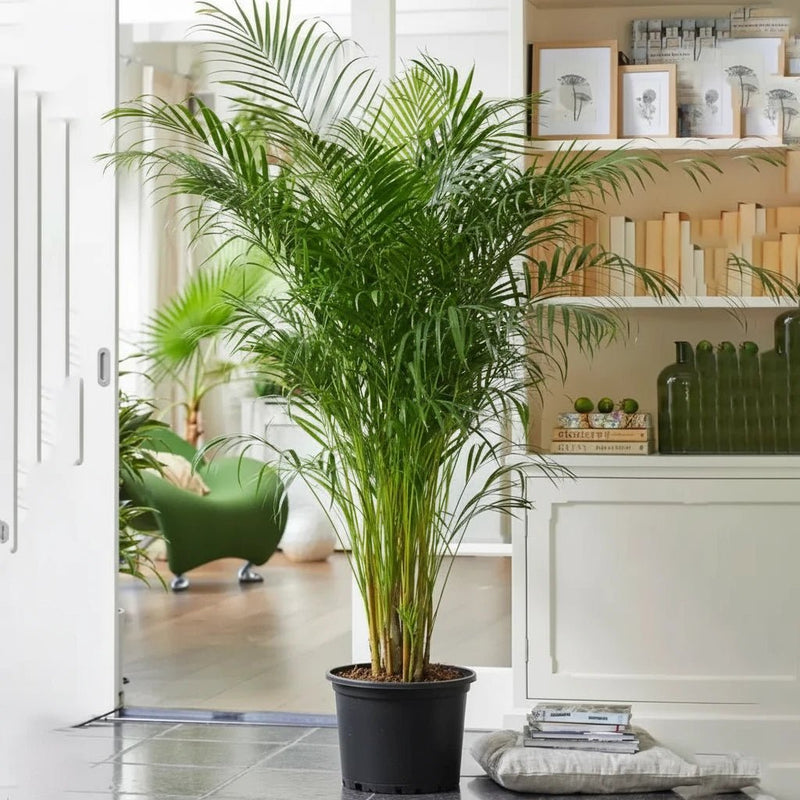
Areca Palm
Areca palms bring softness and movement into a room. They enjoy bright filtered light and consistent moisture without soggy roots. If your home air is very dry from heating or air conditioning, keep a close eye on leaf tips.
Practical tip: In living rooms, cluster plants with similar water needs together. That makes care faster and reduces the chance of overwatering one while trying to care for another.
Bathroom Plants That Love Humidity
The image suggests Spider Plant, Pothos, ZZ Plant, and Boston Fern for bathrooms. This is one of the easiest ways to use room conditions to your advantage.
Spider Plant
Spider plants are adaptable and quick to recover from small mistakes. Bathrooms with bright indirect light suit them well. If the tips brown, it often means inconsistent watering or mineral buildup from tap water.

Pothos
Pothos is one of the best beginner plants. It grows in average light, appreciates humidity, and can trail beautifully from shelves or baskets. Trim vines just above a leaf node to keep the plant fuller.
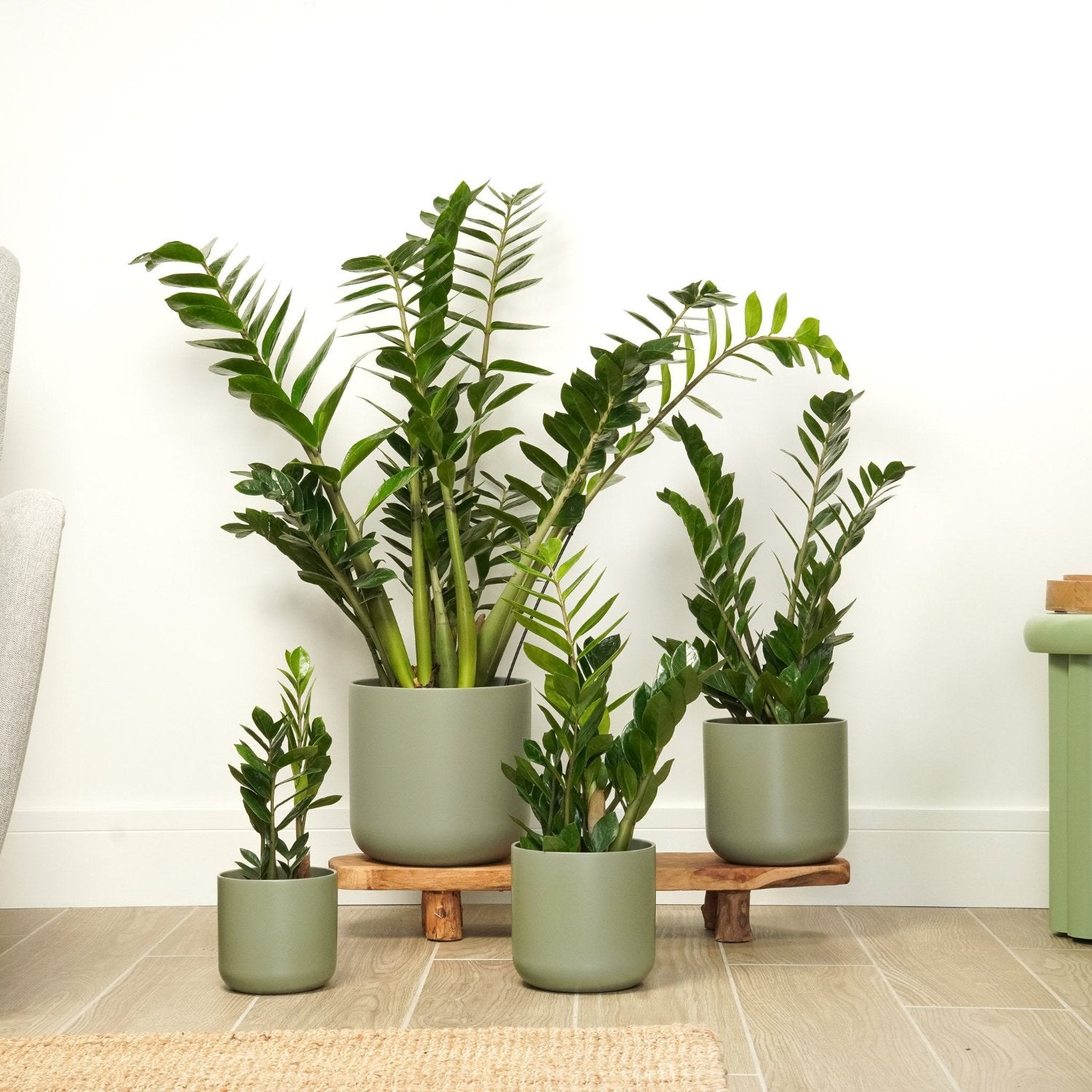
ZZ Plant
If your bathroom has lower light, ZZ plant is a reliable choice. It stores water in thick underground rhizomes, so it needs less frequent watering than most people expect.
Boston Fern
Boston fern loves humidity, which makes it a natural fit for bathrooms. It does require more attention than pothos or ZZ plant, especially if the room dries out seasonally.
Practical tip: If your bathroom has no window, do not force it. Rotate plants from brighter rooms or choose another space. Matching reality to the plant is smarter than fighting the room.

Kitchen Plants That Earn Their Keep
The kitchen section includes Basil, Mint, Air Plants, and Small Succulents. This is where indoor plants can become truly useful, not just decorative.
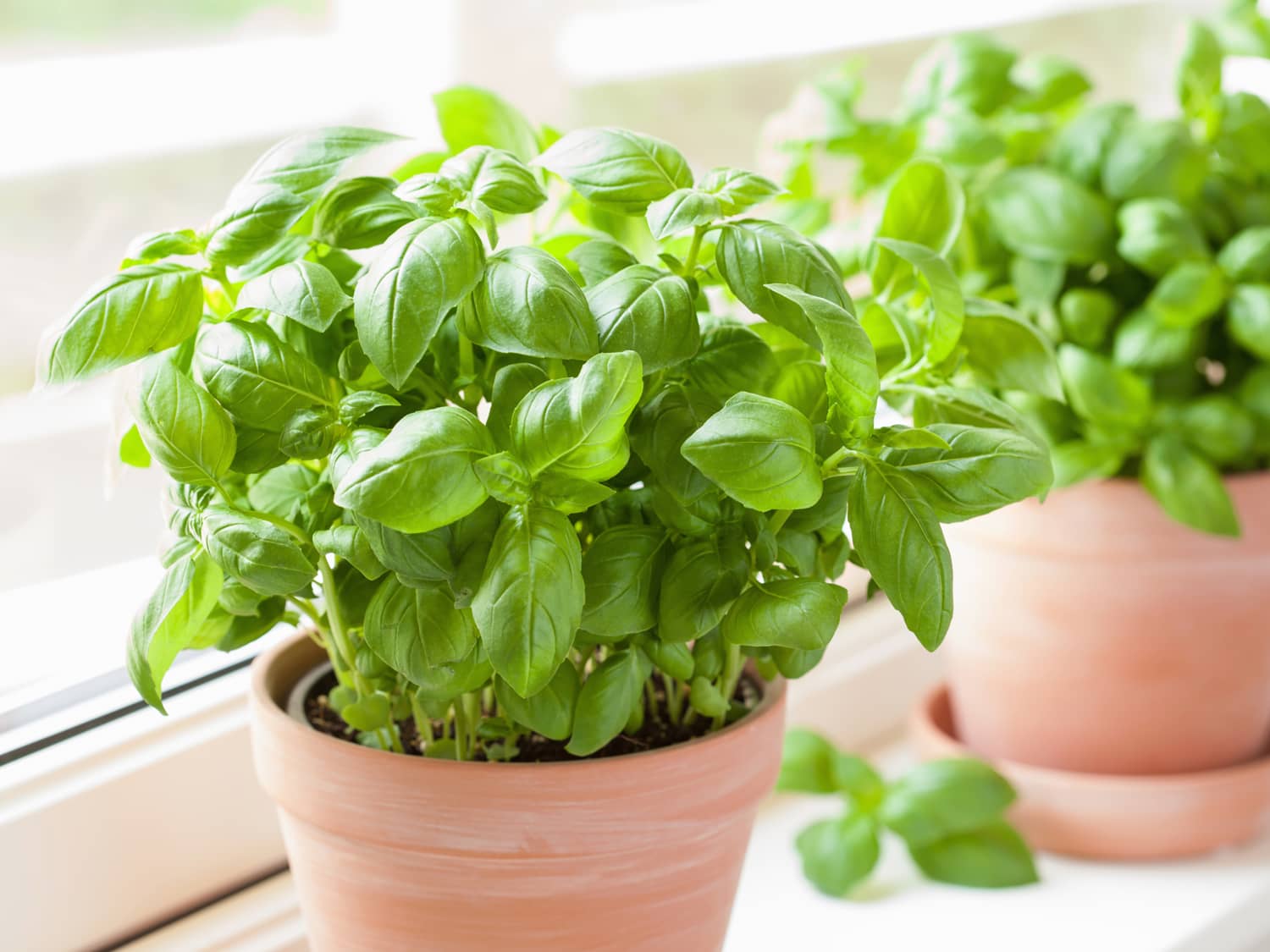
Basil
Basil belongs where you will use it. Put it in the brightest kitchen window you have. Harvest often from the top to encourage branching. Never strip only the largest leaves from the bottom forever pinch growing tips to keep the plant bushy.
Mint
Mint is vigorous and best grown in its own pot. In a kitchen, it provides quick access for tea, cooking, and refreshing summer drinks. Keep the soil lightly moist and trim regularly.
Air Plants
Air plants are ideal for growers who want visual interest without potting soil. They need bright indirect light and a regular soak schedule, not random misting alone.
Small Succulents
Succulents work best in kitchens with strong sun and good airflow. Use containers with drainage and let the soil dry thoroughly between waterings.
Practical tip: Herbs in the kitchen teach one of the best habits in all of gardening harvest little and often. That same principle increases production in outdoor lettuce, beans, and cut-and-come-again greens.

Bedroom Plants for Calm, Low-Stress Care
For the bedroom, the image shows Aloe Vera, Jasmine, English Ivy, and Snake Plant.
Aloe Vera
Aloe likes bright light and infrequent watering. Overwatering is the most common mistake. Let the pot dry well before watering again.
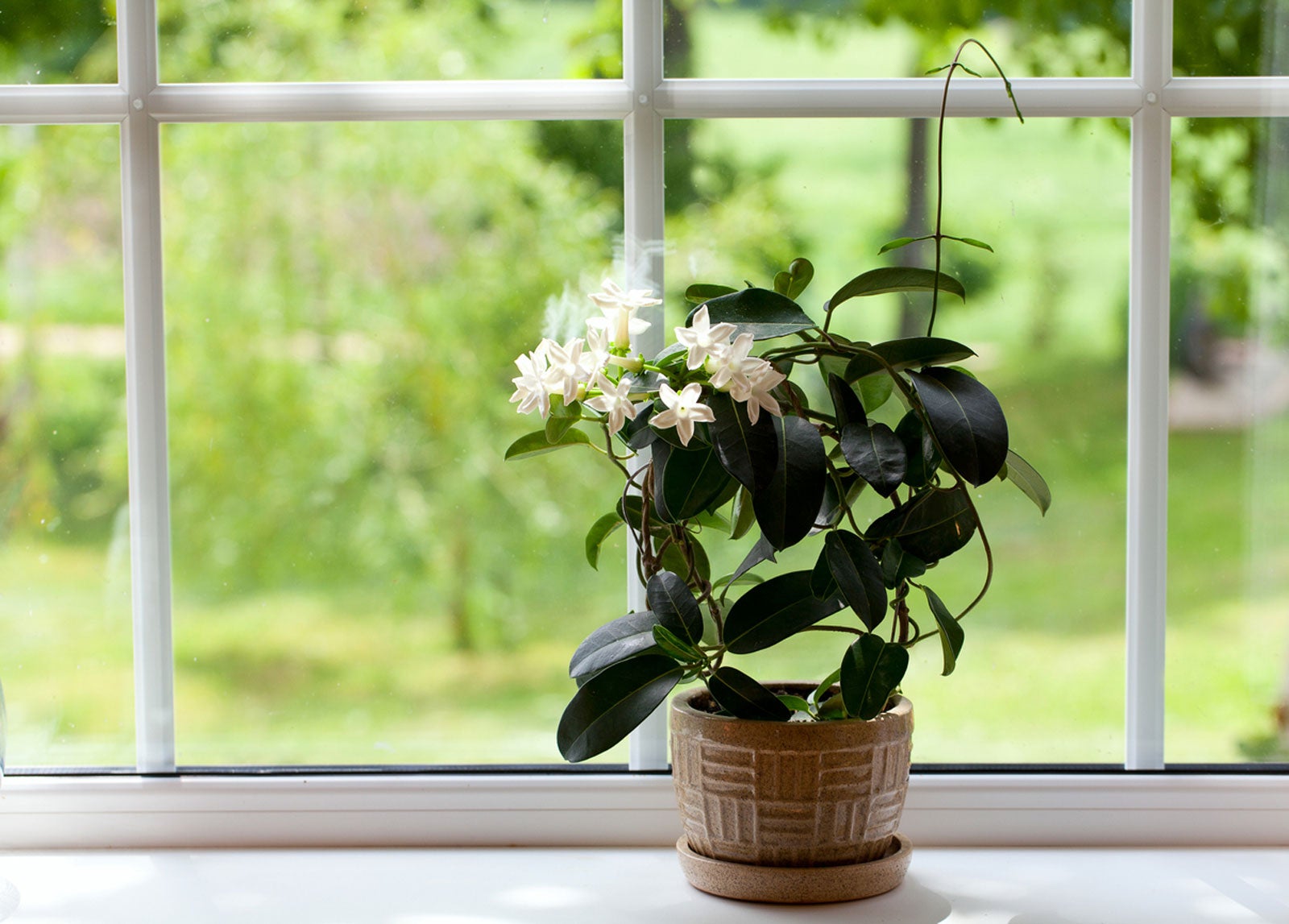
Jasmine
Jasmine adds fragrance and softness to a bedroom, but it needs good light to stay healthy and bloom well. If a room is too dim, it may survive without thriving.
English Ivy
English ivy trails beautifully and can soften shelves or hanging planters. It prefers cooler rooms and even moisture, but not soggy soil.
Snake Plant
Again, snake plant proves its versatility. For bedrooms, it is ideal because it tolerates less frequent attention and does not demand much from the grower.
Practical tip: Bedrooms often benefit from simpler plant choices. One healthy plant cared for consistently is better than five struggling ones.
What Indoor Plant Care Teaches You About Farm Care
This is where indoor gardening becomes more than décor.
When you care for houseplants well, you build habits that directly strengthen farm management:
- You learn to observe before reacting.
- You notice subtle stress signals early.
- You understand that overcare can be as harmful as neglect.
- You learn that environment matters as much as feeding.
That is exactly how successful livestock management works.
A chicken coop stays healthier when you manage ventilation, dryness, and cleanliness—not just when you react after birds look unwell. Ducks thrive when water, shade, and secure nighttime housing are consistent. Goats and sheep do better when bedding stays dry and you spot appetite or behavior changes early. Cattle benefit from calm observation just as much as correct feed and shelter.
Strong animal husbandry is not built on panic. It is built on routine.
A Safety Note for Homes with Poultry, Rabbits, or Farm Pets Nearby
If your homestead includes free-ranging poultry near porches, farm cats in mudrooms, or rabbits in attached utility spaces, be thoughtful about plant placement. Some ornamental plants should be kept out of reach of curious animals. Even if livestock are mostly outdoors, young birds and farm pets often explore more than expected.
The simple rule is this: place edible herbs low, decorative plants higher, and never assume animals will ignore what you hoped they would ignore.
That one rule prevents many problems.
How to Build a Houseplant Routine That Actually Lasts
The best indoor gardening routine is not complicated.
Check plants on the same two days each week.
Touch the soil before watering.
Turn pots regularly for balanced growth.
Trim dead leaves quickly.
Feed lightly during active growth.
Repot only when roots truly need more space.
This kind of steady rhythm mirrors the best routines in sustainable farming. Small repeated actions matter more than occasional heroic effort.
Final Thoughts: Let Indoor Plants Strengthen the Way You Care for Everything Else
Houseplants may seem small compared with garden rows, livestock fencing, seed trays, compost systems, and poultry chores. But they train the same instincts that make all those systems stronger.
They teach patience. They teach observation. They teach restraint. They teach rhythm. And in a life shaped by gardening, farm care, and sustainable living, those qualities matter.
So choose your plants room by room. Put basil where you can brush it with your hand. Let a fern enjoy bathroom humidity. Give a snake plant the low-maintenance corner it deserves. Keep a rubber plant where afternoon light can catch its leaves.
Then notice what happens.
Your home becomes greener. Your habits become steadier. Your eye becomes sharper. And little by little, the same care that helps a pothos thrive begins to shape the way you manage the whole living system around you.
That is the deeper value of indoor plants.
They do not just decorate a home. They help grow the grower.