If your garden looks fed but never truly thrives, the problem may not be your plants. It may be your soil.
Many common garden products are sold as solutions, yet some of them quietly damage the living system beneath your plants. That system your soil biology is not a minor detail. It is the engine behind nutrient cycling, disease suppression, moisture balance, root health, and long-term fertility.
When soil is alive, plants do not just survive. They grow with more resilience, better structure, deeper color, and stronger resistance to stress. And for anyone managing a homestead, poultry yard, kitchen garden, orchard, or mixed farm, that matters. Healthy soil reduces inputs, improves harvests, and even makes animal care easier by creating cleaner, more stable outdoor spaces.
This guide breaks down the six product swaps and explains, in practical terms, why they matter. We will also connect those choices to better gardening tips, stronger farm care, and more sustainable livestock management.
Why Soil Biology Matters More Than Most Gardeners Realize
Soil is not just dirt. Healthy soil is a living community made up of:
- bacteria
- fungi
- protozoa
- nematodes
- insects
- earthworms
- and plant roots working in relationship with all of them
This underground web helps plants access nutrients, store carbon, retain water, and resist disease. Mycorrhizal fungi, for example, extend the root system’s reach and help transport water and minerals. Beneficial bacteria help unlock nitrogen and other nutrients. Earthworms improve structure and create channels for air and water.
When you damage this living system, plants often become more dependent on constant feeding, more vulnerable to stress, and less able to regulate themselves naturally.
That is why these six swaps matter so much.
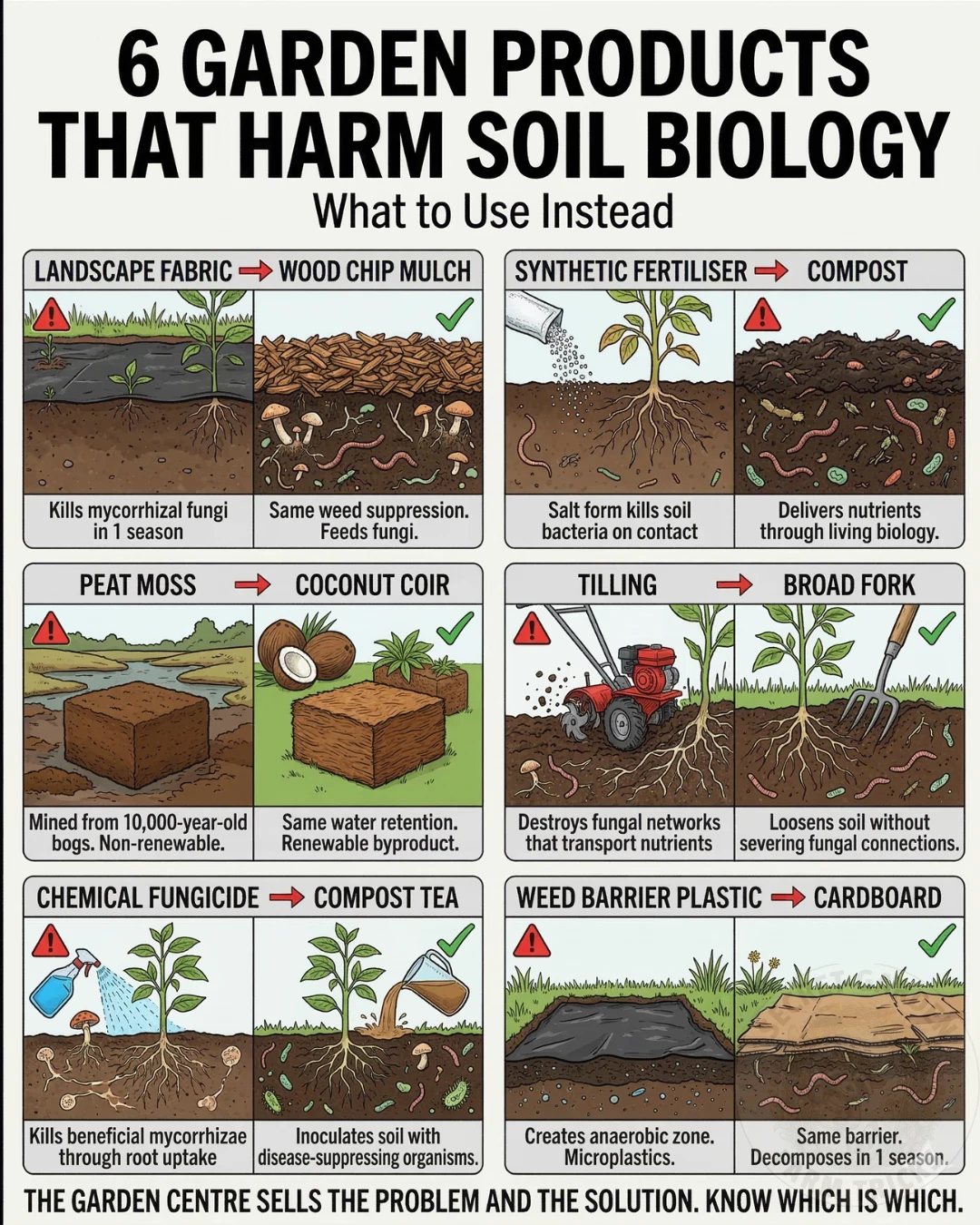
1. Swap Landscape Fabric for Wood Chip Mulch
Why landscape fabric is a problem
Landscape fabric may suppress weeds for a while, but it often creates a shallow, artificial layer between the soil and the organic matter above it. Over time, it can:
- reduce natural exchange between mulch and soil
- interfere with fungal networks
- trap weeds above the fabric anyway
- become a frustrating mess as roots grow through it
In real gardens, landscape fabric rarely stays neat for long. Soil builds on top of it, weed seeds land, and eventually you are pulling weeds through plastic.
Why wood chips are better
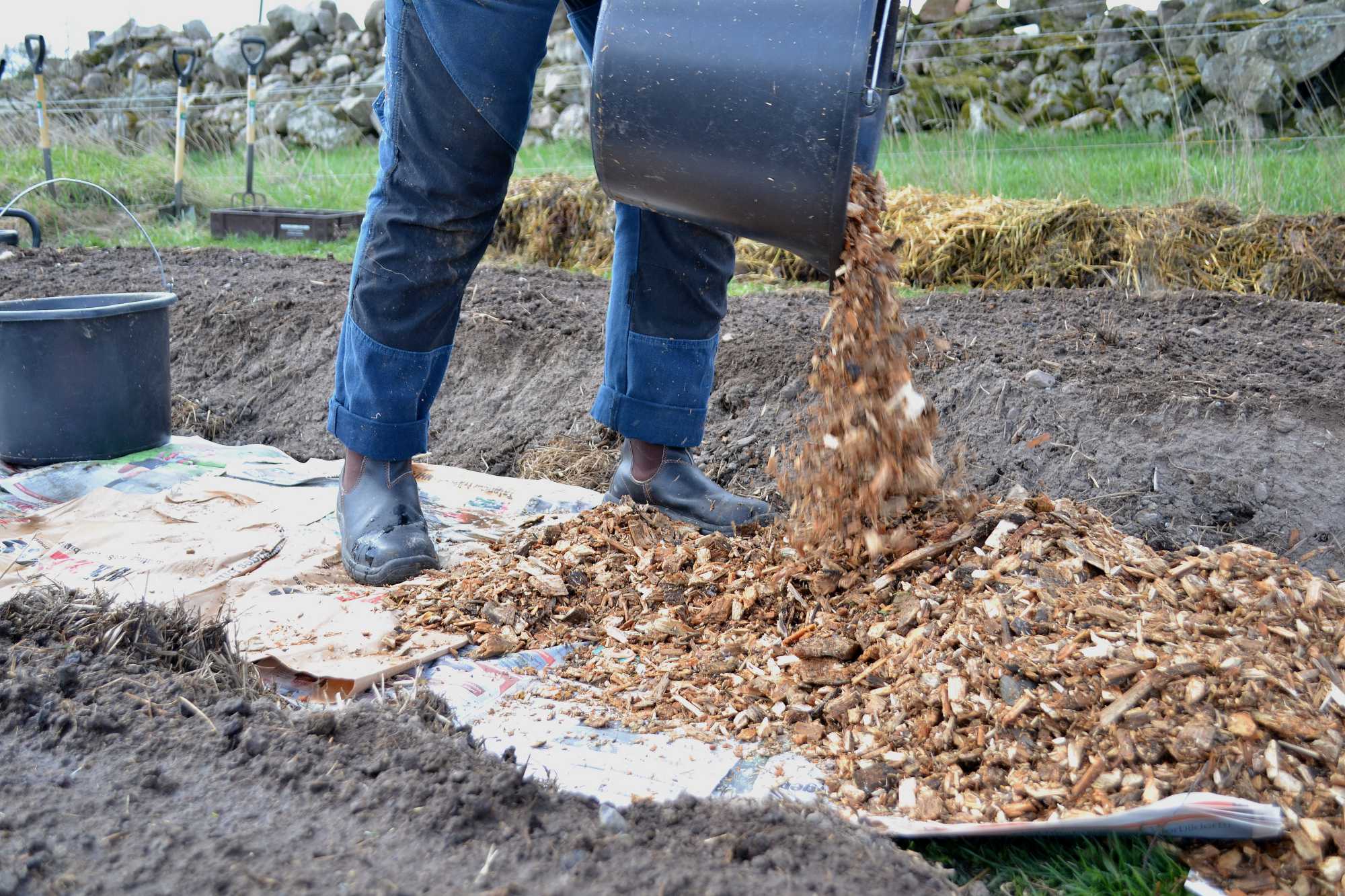
Wood chip mulch does two important things at once:
- blocks sunlight and suppresses weeds
- feeds fungi and improves soil structure as it breaks down
This is especially valuable around trees, shrubs, pathways, and perennial beds. Over time, wood chips create the kind of fungal-rich environment that many perennial plants love.
Practical tip
Keep wood chips a few inches away from trunks and crowns. You want mulch on the soil, not piled against stems.
2. Swap Synthetic Fertilizer for Compost
Why synthetic fertilizer can backfire
Fast-acting synthetic fertilizers often feed plants directly, but not the soil. In many cases, they provide a burst of nutrients in salt form. Used heavily or repeatedly, they can:
- disrupt microbial balance
- create dependency on repeated feeding
- stress roots in dry conditions
- reduce long-term soil resilience
Plants may look greener quickly, but greener is not always healthier.
Why compost is better
Compost works more slowly, but it feeds the whole system. It improves:
- soil structure
- water retention
- microbial diversity
- steady nutrient release
Instead of forcing growth, compost builds fertility in a way plants and soil organisms can actually use.
Practical tip
Use finished compost as a top-dressing around vegetables, flowers, and fruiting plants. For containers, mix compost lightly into potting media rather than using it alone.

3. Swap Peat Moss for Coconut Coir
Why peat moss is problematic
Peat moss works well in potting mixes, but it comes at an ecological cost. Peat bogs are slow-forming ecosystems that store enormous amounts of carbon. Harvesting peat destroys habitats that took thousands of years to form.
Why coconut coir is a better choice
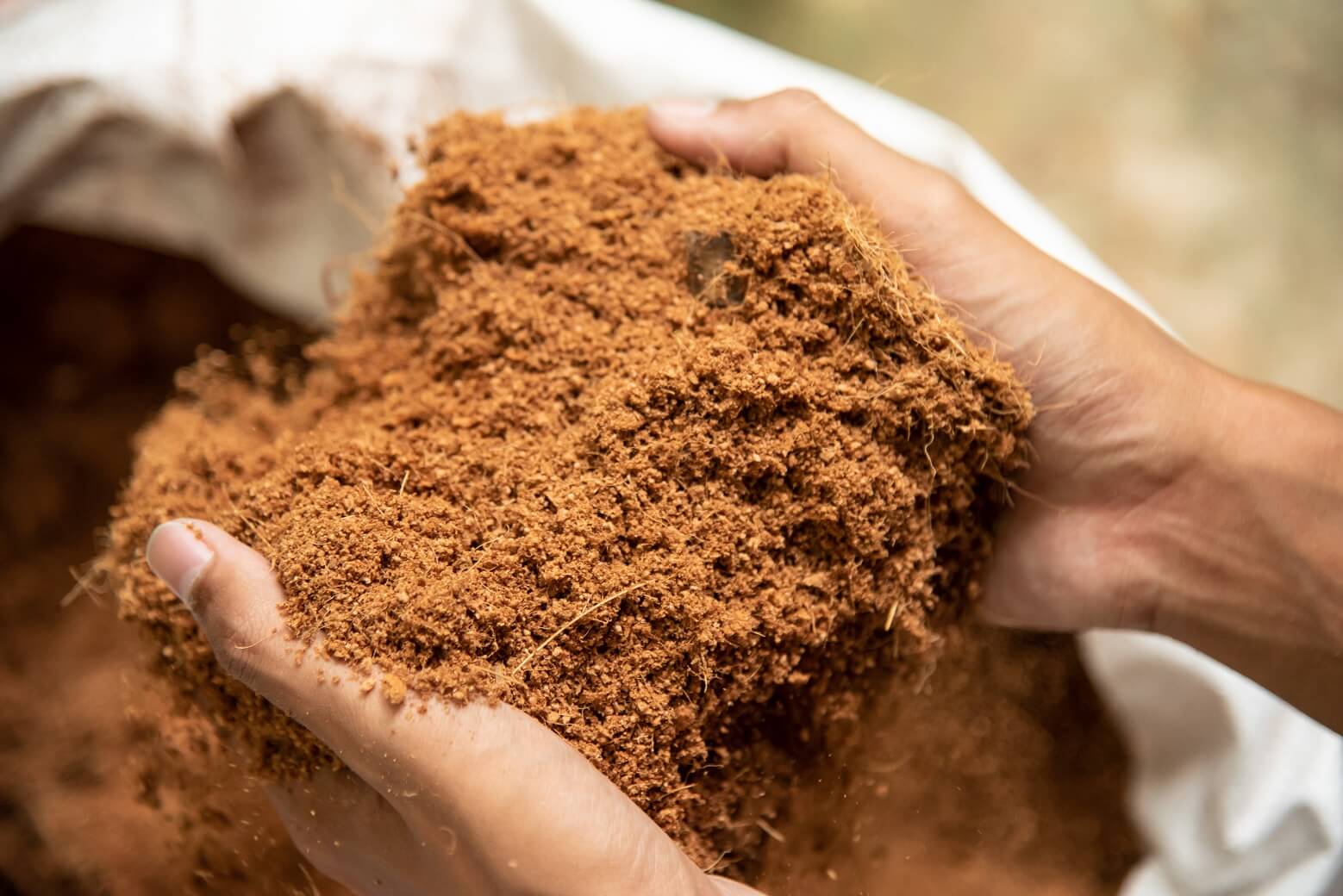
Coconut coir is made from coconut husks, a byproduct of another agricultural system. It offers:
- good moisture retention
- decent aeration
- a renewable alternative for seed starting and containers
It is not perfect in every context, but for many growers it is a more sustainable option than peat.
Practical tip
Coir often comes compressed and dry. Rehydrate it thoroughly before mixing, and remember that it contains little nutrition on its own—pair it with compost or a balanced feeding plan.
4. Swap Tilling for a Broad Fork
Why excessive tilling causes trouble
Tilling can feel satisfying because it makes soil look loose and clean. But repeated tilling also:
- breaks apart soil aggregates
- disrupts fungal hyphae
- exposes organic matter to rapid breakdown
- brings buried weed seeds to the surface
- leaves soil more vulnerable to crusting and erosion
A freshly tilled bed may look beautiful for a week and perform worse for months.
Why a broad fork is smarter
A broad fork loosens compacted soil with much less disruption. It helps:
- open the soil for air and water
- preserve more of the soil structure
- reduce compaction without pulverizing biology
For most home gardens and small farms, this is a far better long-term tool than regular mechanical tilling.
Practical tip
Use a broad fork when soil is slightly moist, not soaking wet. Lift and loosen—do not flip the soil upside down.

5. Swap Chemical Fungicide for Compost Tea
Why chemical fungicides should be used carefully
Some fungicides do not distinguish well between harmful fungi and beneficial ones. That matters because not all fungi are your enemy. In fact, many are essential partners in healthy soil.
Repeated chemical use can weaken the living balance that naturally suppresses disease over time.
Why compost tea or biologically active inputs can help
Used properly, biologically active compost teas or compost extracts can introduce beneficial organisms and support a more competitive microbial environment.
That said, the real goal is not to spray your way to perfect health. The real goal is to build a system where disease pressure stays lower because the soil and plants are stronger.
Practical tip
Focus first on airflow, proper spacing, mulch, watering practices, and compost-rich soil. Biological teas work best as part of a larger soil-health strategy, not as magic fixes.

6. Swap Weed Barrier Plastic for Cardboard
Why plastic barriers create long-term problems
Plastic laid over soil may stop weeds temporarily, but it can also:
- limit air exchange
- overheat the surface
- contribute plastic breakdown over time
- create soggy, unpleasant layers beneath mulch
In working gardens, plastic barriers often become one more thing to remove later.
Why cardboard works better
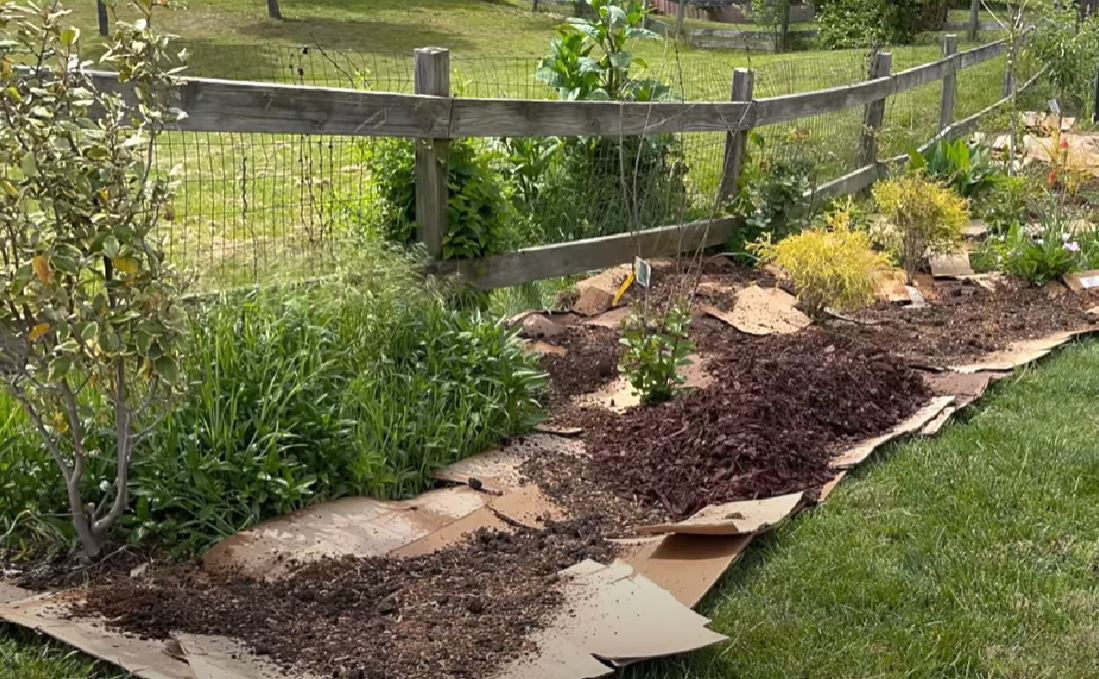
Plain cardboard is one of the best short-term weed suppression tools available for sheet mulching. It:
- blocks light
- breaks down naturally
- supports composting processes
- helps start a bed without leaving synthetic residue
Practical tip
Remove tape and glossy labels if possible. Wet the cardboard before mulching over it so it settles well against the soil.
What These Soil Choices Mean for Farm Care and Animal Husbandry
This is not just about vegetables.
If you keep chickens, ducks, rabbits, goats, or other livestock, healthier soil improves daily farm management in very practical ways.
Around poultry areas
Stable, mulched, biologically active soil helps reduce:
- mud
- odor
- standing water
- erosion near runs and coop entrances
Wood chips in high-traffic poultry zones, used wisely and refreshed as needed, often create a cleaner, more manageable surface than bare ground.
In pasture and rotation systems
Reducing heavy disturbance and building soil organic matter improves:
- drainage
- forage recovery
- hoof health conditions
- resilience after rain or drought
In manure handling
Compost becomes the bridge between plant care and animal husbandry. Properly composted manure turns a waste problem into a soil-building asset. That is one of the clearest examples of sustainable farming at work.
Healthy animals support the soil. Healthy soil supports the plants. Healthy plants support the whole farm.
A Practical Soil-First Routine You Can Start This Season
If you want better results without overcomplicating things, start here:
In the garden
- Top-dress beds with compost
- Mulch exposed soil with wood chips or organic mulch
- Stop routine tilling unless absolutely necessary
- Use cardboard to start or reset weedy areas
In containers
- Use coir-based or reduced-peat mixes where possible
- Add compost in moderation
- Avoid overfeeding with strong synthetic fertilizers
Around animals
- Manage manure as a compost resource
- Use mulch in muddy transition zones
- Protect bare soil before it turns into a weed patch or erosion strip
These are not flashy changes. They are foundational changes. And foundational changes are the ones that last.
Final Thoughts: Feed the Soil, and the Soil Will Feed Everything Else
The smartest gardeners and farmers eventually come to the same conclusion: when the soil gets healthier, almost everything gets easier.
Plants need less rescuing.
Weeds become easier to manage.
Water holds longer.
Beds recover faster.
Outdoor animal areas stay more stable.
And your whole system begins to feel less reactive and more resilient.
That is the deeper message: many products sold for convenience solve the short-term symptom while making the long-term biology worse. The better choice is usually the one that works with life, not against it.
So if you want a stronger garden, better harvests, and more sustainable farm care, begin under your feet.
Because when you protect soil biology, you are not just growing plants.
You are building a living system that can keep giving back.