You do not need a large garden to grow a satisfying spring harvest. A sunny patio, a balcony, a driveway corner, or a few sturdy buckets can become a productive growing space when you choose the right crops and care for them well. That is the real beauty of bucket gardening: it makes food growing more accessible, more flexible, and often easier to manage than people expect.
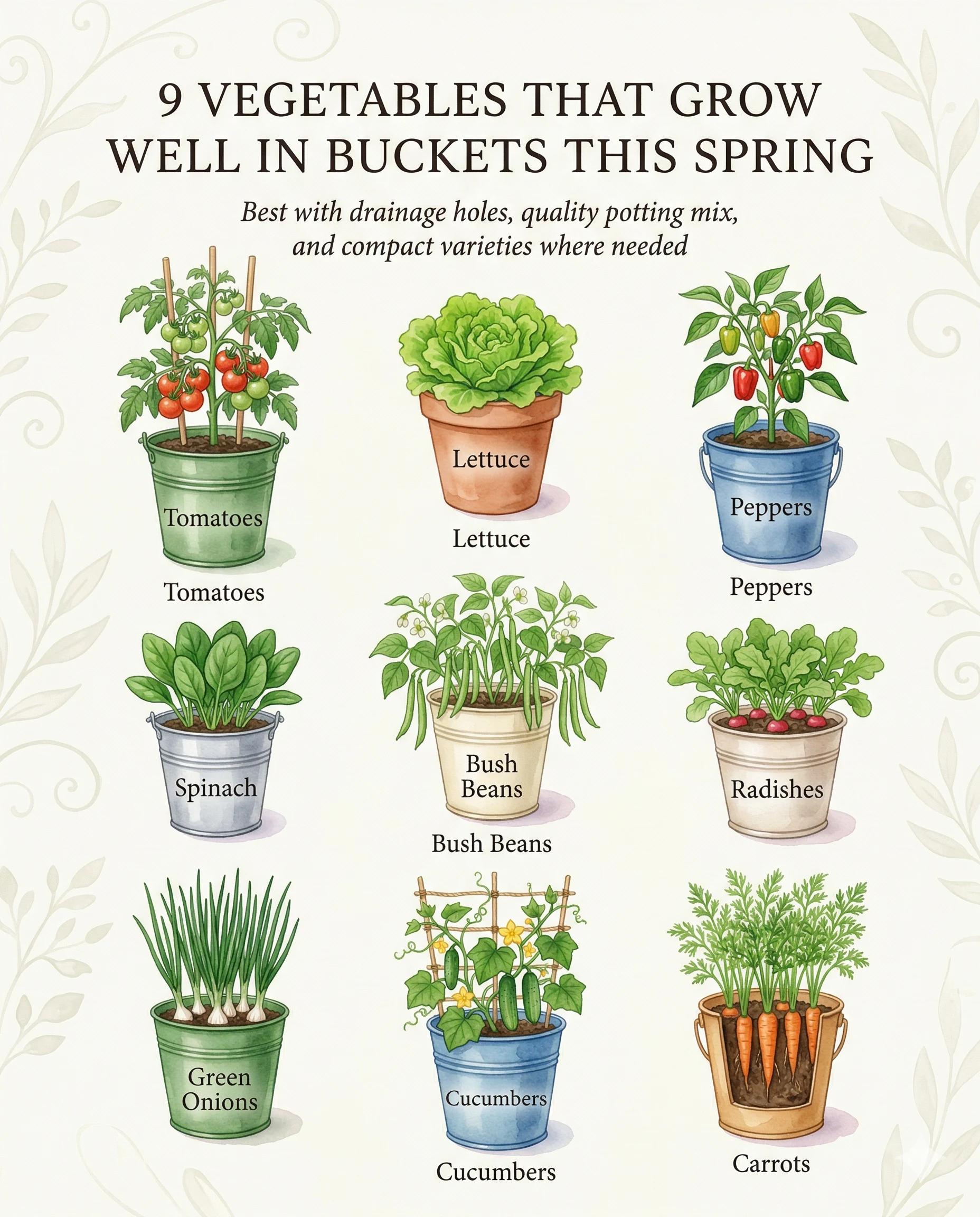
Some vegetables adapt especially well to buckets in spring, especially when they are grown with drainage holes, quality potting mix, and compact varieties where needed. Among the best choices are tomatoes, lettuce, peppers, spinach, bush beans, radishes, green onions, cucumbers, and carrots. These crops give a useful mix of leafy harvests, roots, fruiting vegetables, and quick-growing options that help a small container garden feel abundant.
Bucket gardening works best when it is approached with intention. The container matters. The soil matters. Variety selection matters. Watering matters even more than most beginners realize. Once those pieces come together, a simple bucket can support remarkably healthy growth.
Why buckets work so well for spring vegetables
Buckets are practical because they let you control the growing environment more closely than open ground. You choose the soil, the location, the drainage, and the spacing. That control helps you avoid some common garden problems, especially in places with poor native soil, limited yard space, or heavy weed pressure.
Buckets are especially useful because they:
- warm up quickly in spring
- can be moved to follow the sun
- help keep crops organized
- reduce competition from weeds
- make watering and feeding more targeted
- allow gardeners to grow food almost anywhere with enough light
The key is to treat a bucket like a real planting system, not just a spare container filled with dirt.
The first rules of successful bucket gardening
Before looking at each vegetable, it helps to get the basics right.
Always use drainage holes
A bucket without drainage is one of the fastest ways to lose healthy roots. Vegetables need moisture, but they do not want stagnant water collecting at the bottom.
Use quality potting mix, not yard soil
Garden soil usually becomes too dense in containers. A good potting mix holds moisture while still allowing air around the roots. That balance matters enormously.
Match the crop to the bucket size
Some vegetables are naturally better suited to container life. Others need deeper or wider buckets to perform well. Compact or bush varieties often make the best choices where space is limited.
Put the bucket in real sun
Most spring vegetables still need good light. Fruiting crops like tomatoes, peppers, and cucumbers especially need strong sun to perform well.
1. Tomatoes: productive in buckets if you choose wisely
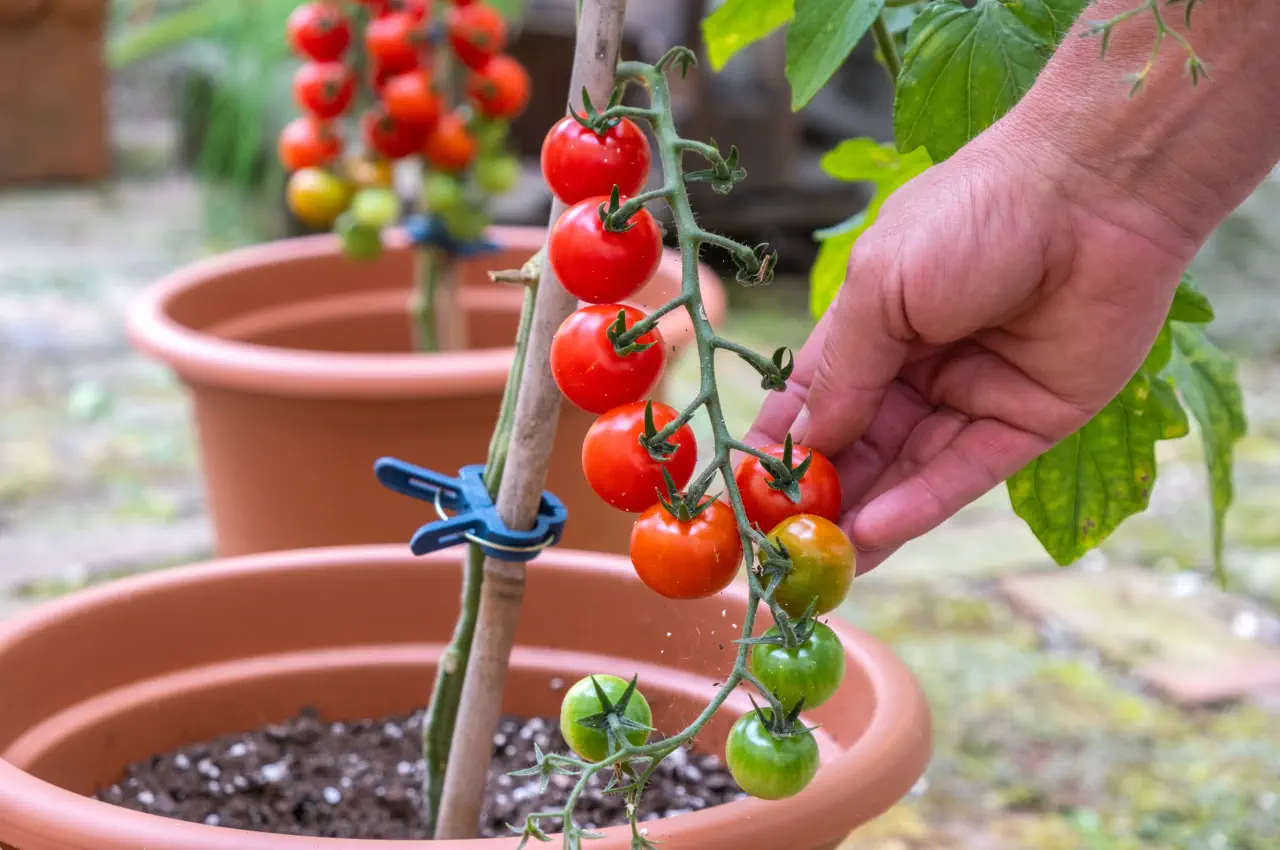
Tomatoes are one of the most rewarding bucket crops, but they are also one of the easiest to overcrowd or under-support.
Why tomatoes work in buckets
Compact or determinate tomato varieties can perform very well in containers, especially when given support early. Buckets keep roots warm and allow gardeners to place the plants in the sunniest spots available.
Best care tips
Use a large bucket, provide a cage or stake, and plant deeply if the variety allows. Keep moisture steady. Tomatoes dislike wild swings between very dry and very wet soil.
Practical tip
Do not grow a large vigorous tomato in a tiny bucket and expect it to stay happy. The container should match the plant’s final size, not just its current size.
2. Lettuce: one of the easiest bucket crops for spring
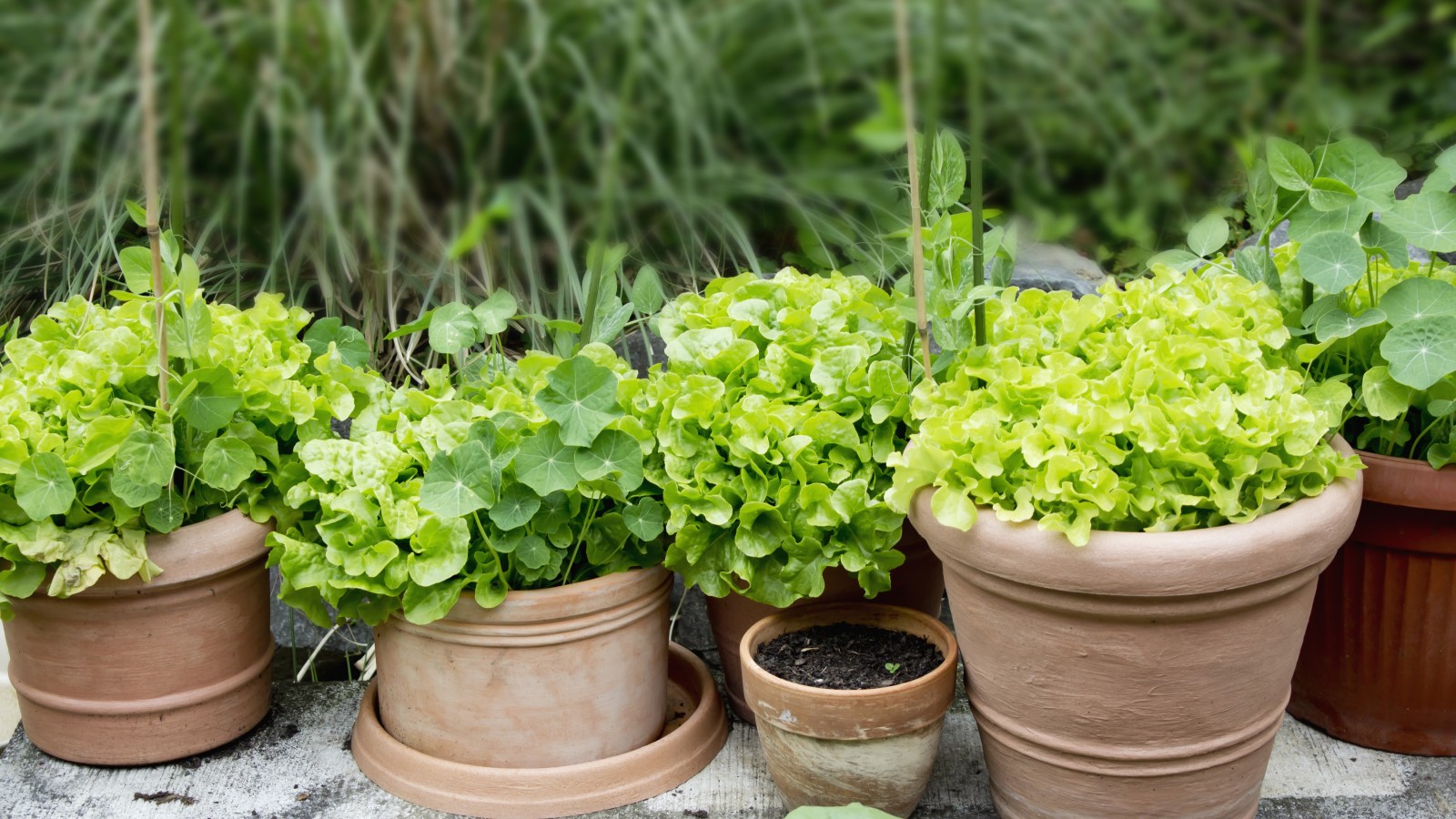
Lettuce is one of the best vegetables for spring container growing because it is quick, forgiving, and highly useful in the kitchen.
Why lettuce thrives in buckets
Its root system is modest, it grows quickly, and it can be harvested leaf by leaf rather than all at once. That makes it a perfect crop for steady, small-space productivity.
Best care tips
Give lettuce even moisture and protect it from harsh heat as the season warms. In spring, it often performs beautifully with morning sun and some relief from intense late-day exposure in hotter climates.
Practical tip
Sow a little every couple of weeks rather than everything at once. That gives you a longer harvest instead of a single large flush.
3. Peppers: compact, colorful, and ideal for containers
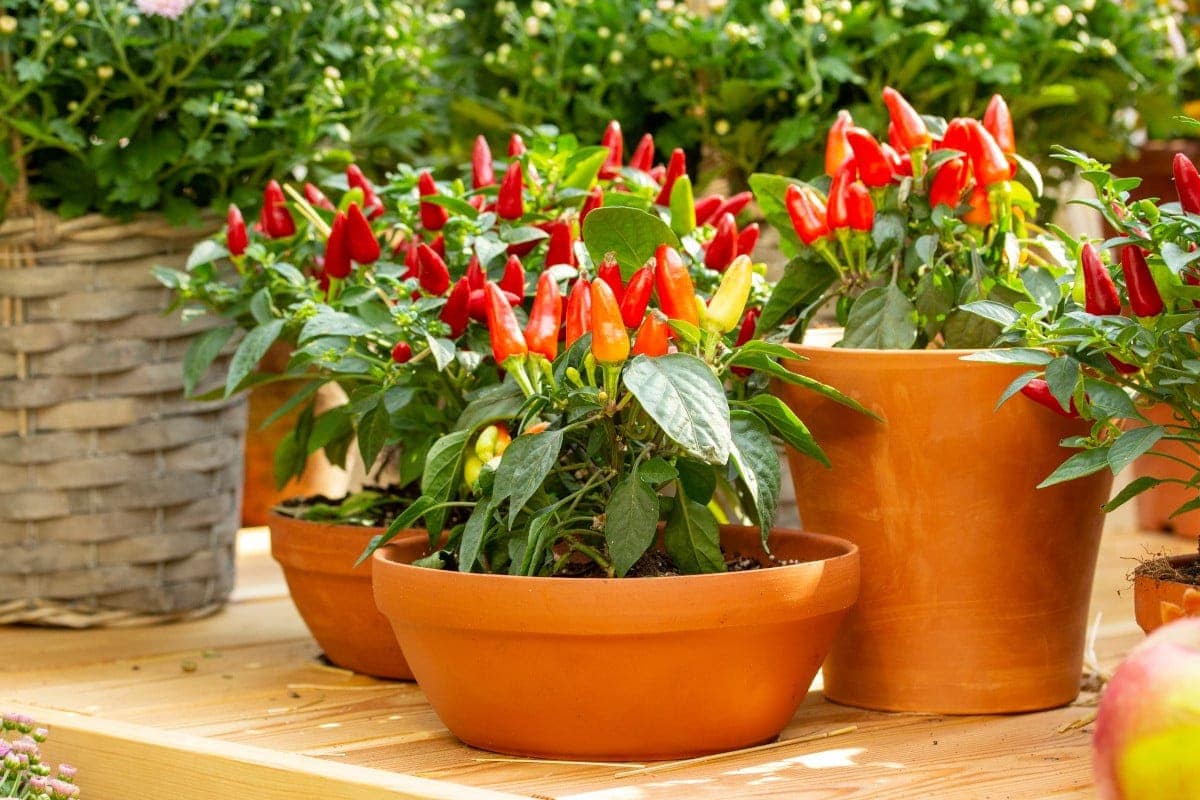
Peppers are excellent bucket plants because many varieties stay relatively manageable while still producing generously.
Why peppers do well
They like warmth, strong light, and contained root zones as long as the bucket is large enough. Their upright habit also makes them easier to place neatly in container gardens.
Best care tips
Use rich but well-drained potting mix, keep the plant in full sun, and water consistently once flowering begins. Buckets can dry quickly in warm weather, and peppers respond badly to repeated stress.
Practical tip
Choose compact or patio-friendly pepper varieties when possible. They usually make better use of container space and are easier to support.
4. Spinach: excellent for cool spring bucket gardens
Spinach is one of the most useful leafy vegetables for spring because it prefers the milder conditions that make many gardeners eager to start growing again.
Why spinach suits buckets
It does not need extreme depth, grows well in cool weather, and is easy to harvest gradually.
Best care tips
Keep the soil evenly moist and harvest outer leaves first. As temperatures rise, spinach may bolt faster, so spring is the ideal time to make the most of it.
Practical tip
Use wider buckets or tubs for spinach rather than very narrow containers. This gives you more leaf production from the same footprint.

5. Bush beans: a practical choice without the need for a big trellis
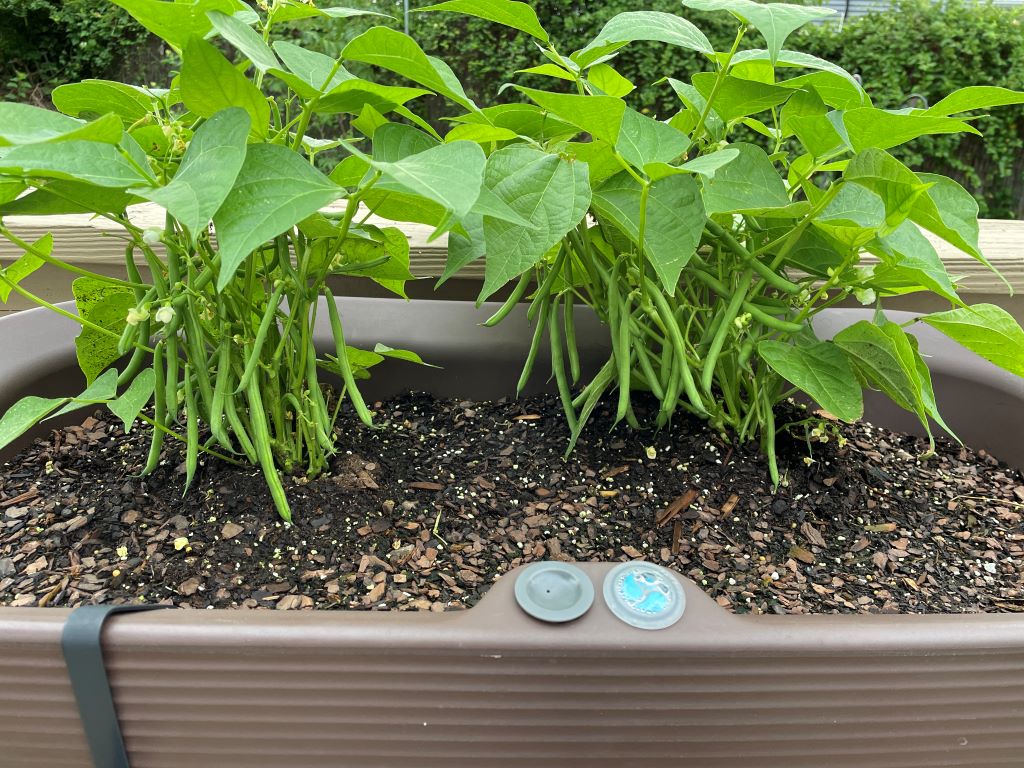
Bush beans are especially useful for bucket gardening because they stay more compact than pole beans and usually do not require elaborate support.
Why bush beans work well
They give a real vegetable harvest without demanding tall structures. That makes them excellent for patios, balconies, and tidy kitchen gardens.
Best care tips
Give them full sun, steady water, and avoid overfeeding with nitrogen. Too much feeding can produce lots of leaves and fewer beans.
Practical tip
Harvest often once the plants begin producing. Regular picking usually encourages continued bean set.
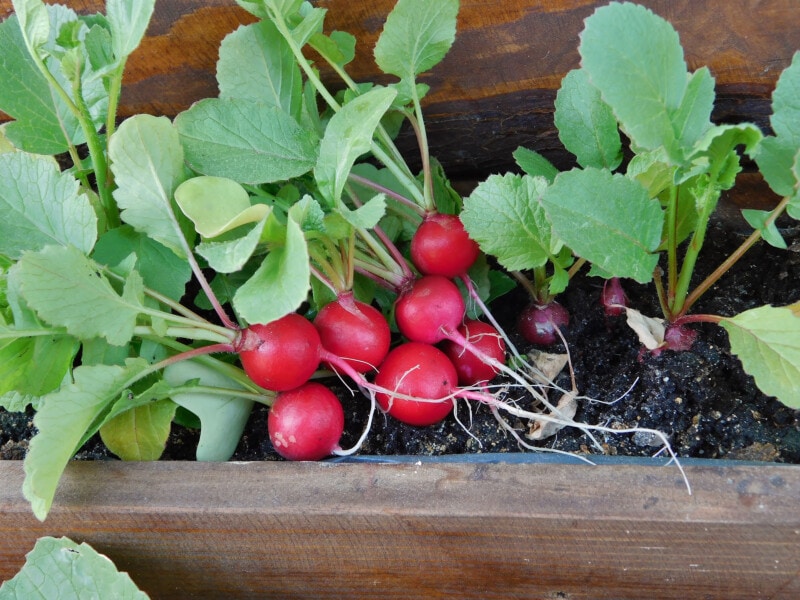
6. Radishes: fast results that build gardening confidence
Radishes are one of the best crops for gardeners who want quick progress. They are fast, satisfying, and well suited to shallow container growing.
Why radishes belong in buckets
They grow quickly, need little space, and let you see success early in the season. That makes them especially helpful for new gardeners.
Best care tips
Use loose soil, sow thinly, and keep moisture consistent so the roots stay crisp rather than woody or split.
Practical tip
Do not overcrowd them. A crowded radish planting gives lots of leaves and disappointing roots.
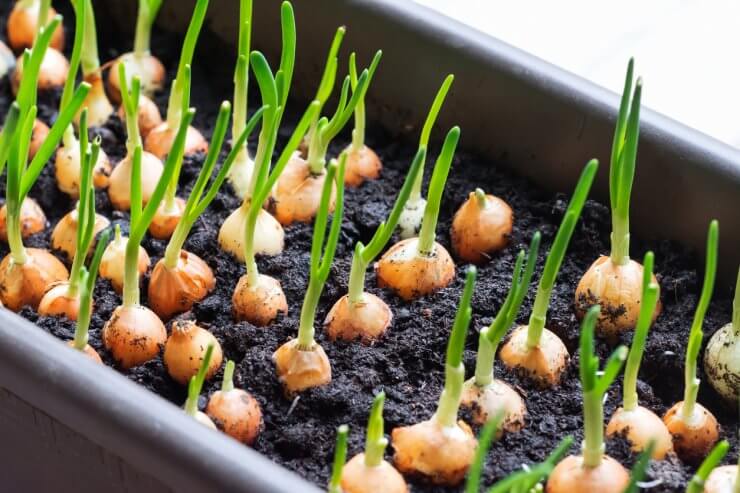
7. Green onions: simple, useful, and highly container-friendly
Green onions are one of the easiest crops to keep close to the kitchen.
Why they do so well
They do not need a huge root zone, they can be planted fairly closely, and they offer repeated kitchen value in a small space.
Best care tips
Keep the soil moderately moist and harvest as needed. They perform especially well when given bright light and regular moisture without becoming waterlogged.
Practical tip
Succession sowing works very well with green onions. A fresh small sowing every few weeks keeps the harvest steady.
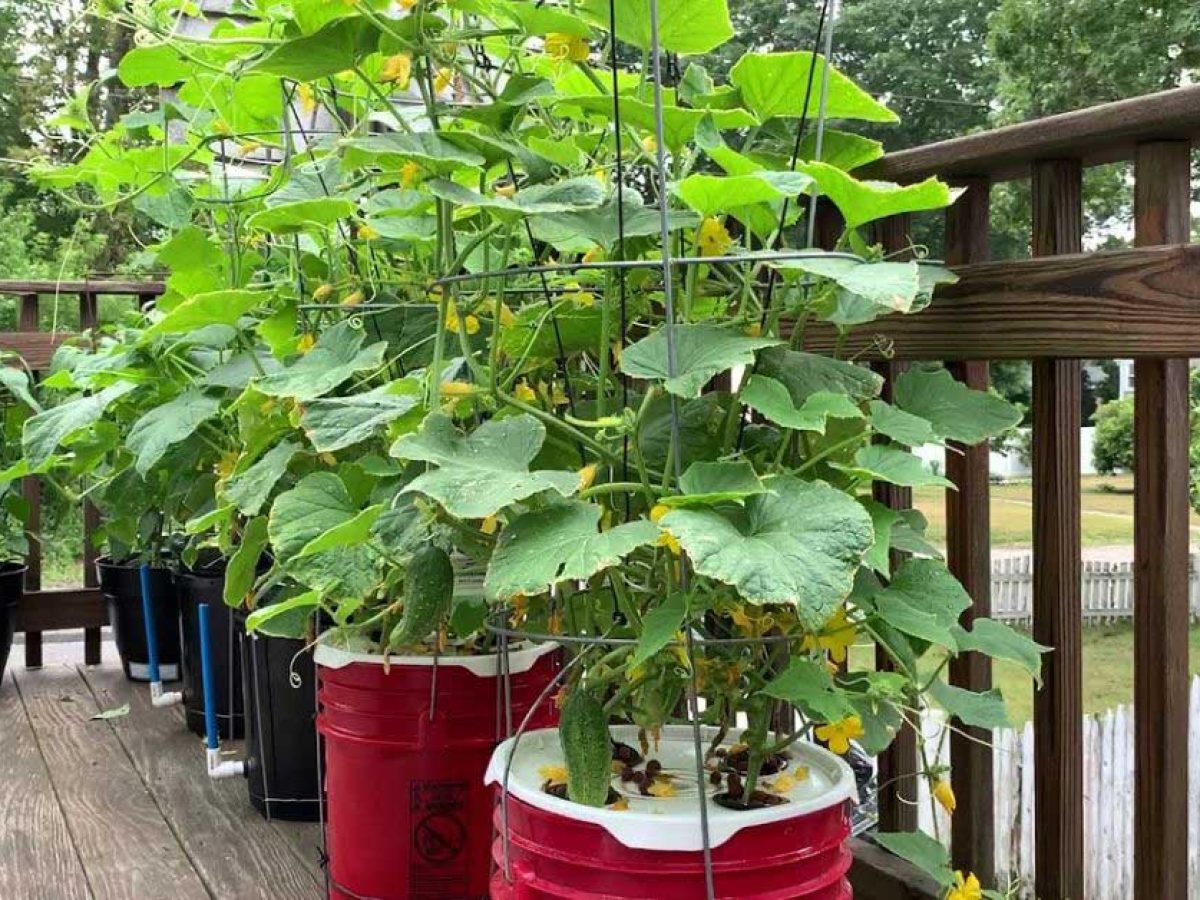
8. Cucumbers: possible in buckets with support and the right variety
Cucumbers can do very well in buckets, but they need more planning than leafy crops.
Why cucumbers can succeed
Compact or container-friendly cucumber varieties adapt well when given a trellis, enough root room, and consistent moisture.
Best care tips
Use a support system from the start. Cucumbers grow fast, and once they begin sprawling, it becomes much harder to manage them neatly. Water deeply and often enough to prevent stress.
Practical tip
Choose bush or patio cucumber varieties if space is tight. They are much easier to manage than full sprawling types.
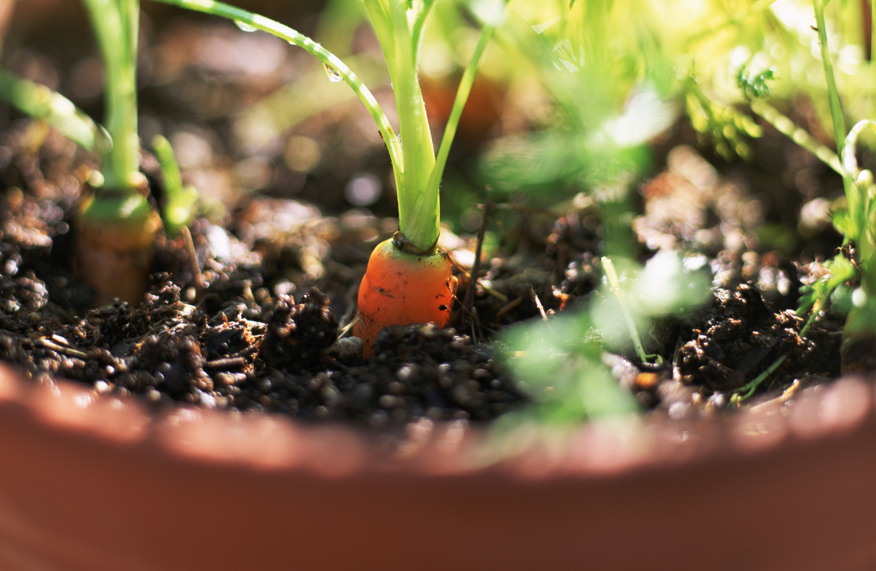
9. Carrots: a strong bucket crop if the depth is right
Carrots are surprisingly satisfying in buckets because containers let you create the loose, stone-free soil they love.
Why carrots are a smart choice
A deep bucket filled with fine, airy mix can produce straighter, cleaner roots than heavy ground soil in some gardens.
Best care tips
Use a deep container, avoid chunky soil, and keep moisture even during germination and root development.
Practical tip
Match carrot length to bucket depth. Short or round carrot varieties are often the best choice for smaller containers.
How to water bucket vegetables the right way
Watering is the skill that makes or breaks bucket gardening.
Containers dry faster than ground soil, especially in warm weather and windy spots. But that does not mean watering lightly every hour. It means watering thoroughly, then checking again before the plant becomes stressed.
A good rhythm is:
- water deeply until the whole root zone is moistened
- let excess drain freely
- check the soil daily in warm periods
- mulch lightly if needed to slow drying
The goal is consistency. Most vegetables perform best when moisture is steady, not constantly swinging.
Feeding spring vegetables in buckets
Because nutrients leach from containers more quickly than from garden beds, bucket vegetables often need regular but moderate feeding.
Leafy crops like lettuce and spinach usually appreciate gentle, steady nutrition. Fruiting crops like tomatoes, peppers, and cucumbers need a little more support as they begin flowering and producing.
The best approach is regular observation. Pale leaves, weak growth, or stalled production often mean the plant needs feeding or a refresh of soil fertility.
Common mistakes to avoid
The most common bucket gardening mistakes are:
- using buckets without drainage
- filling them with heavy garden soil
- choosing oversized plants for small containers
- placing vegetables in too little sun
- watering on a rigid schedule instead of by need
- forgetting support for tomatoes and cucumbers
Most of these problems are easy to prevent once you know what to look for.
Final thoughts
A productive spring vegetable garden does not require a large plot. With drainage holes, quality potting mix, and sensible crop choices, buckets can support an impressive range of food crops. Tomatoes, lettuce, peppers, spinach, bush beans, radishes, green onions, cucumbers, and carrots all offer strong potential when matched to the right container and given steady care.
That is what makes bucket gardening so powerful. It lowers the barrier to entry without lowering the quality of the experience. It teaches observation, timing, and practical plant care in a direct, manageable way. And once you see a healthy harvest coming from a few well-kept buckets, gardening starts to feel less like a big distant project and more like a living part of everyday life.