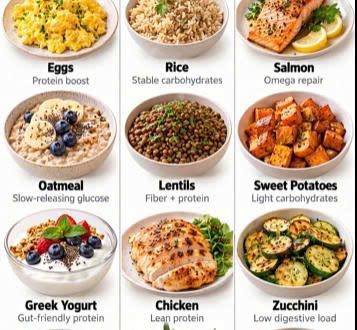
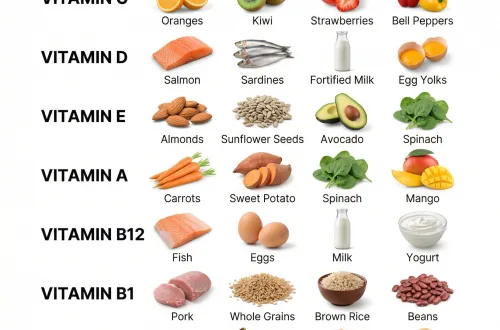
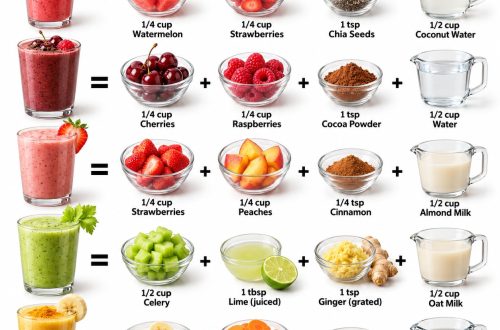
Many people think blood sugar balance is only about avoiding sugar. But the real issue is often meal structure.
A breakfast with juice and cereal may leave you hungry an hour later, while a meal with protein, fiber, and slower-digesting carbs can keep energy more stable for much longer. That’s why people are becoming more interested in blood sugar friendly foods, balanced meals, and foods that help reduce cravings naturally.
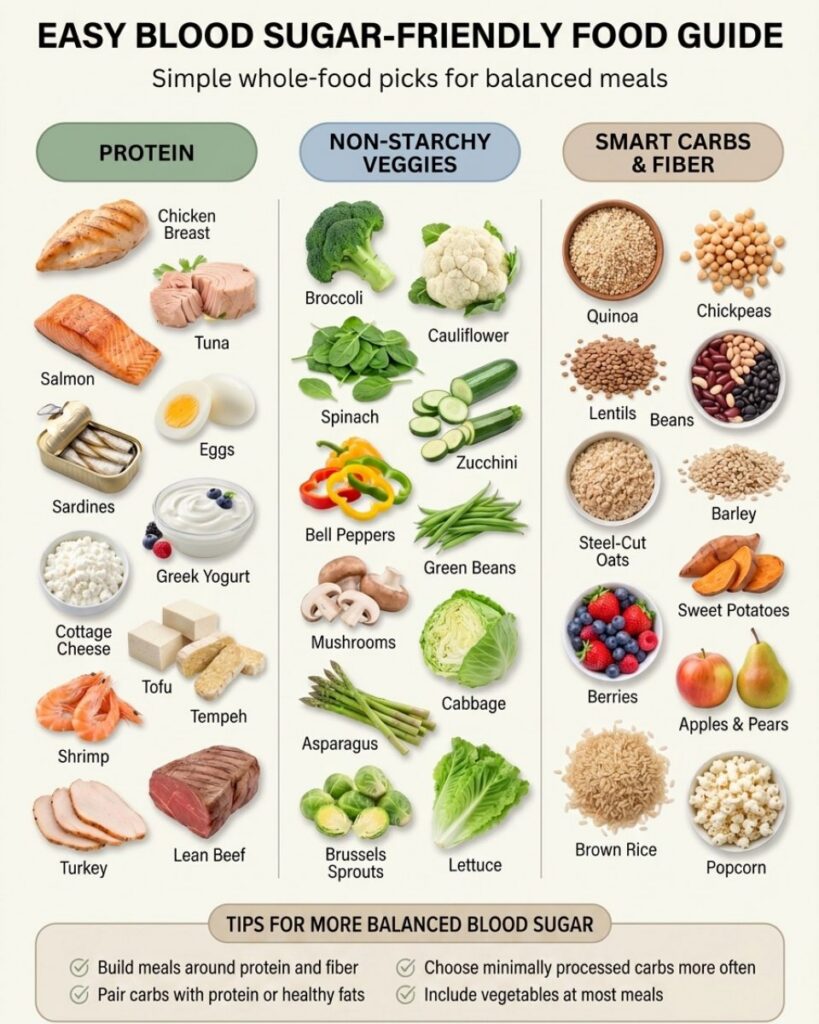
The infographic above became popular because it simplifies something people constantly struggle with: why some meals feel satisfying while others lead to energy crashes, snacking, or constant hunger.
And surprisingly, the answer usually starts with what’s missing from the plate.
Why Blood Sugar Friendly Meals Feel Different
Meals that support steadier energy usually combine three things:
- Protein
- Fiber-rich carbohydrates
- Non-starchy vegetables
This combination slows digestion, helps fullness last longer, and reduces rapid energy spikes that often happen with ultra-processed meals or refined carbs.
People using food tracking apps, CGM sensors, or fasting glucose monitoring often notice that meals built around protein and fiber tend to feel more stable compared to meals centered around sugary drinks or highly processed snacks.
That doesn’t mean carbs are “bad.” It usually means the type and structure of the meal matters more.
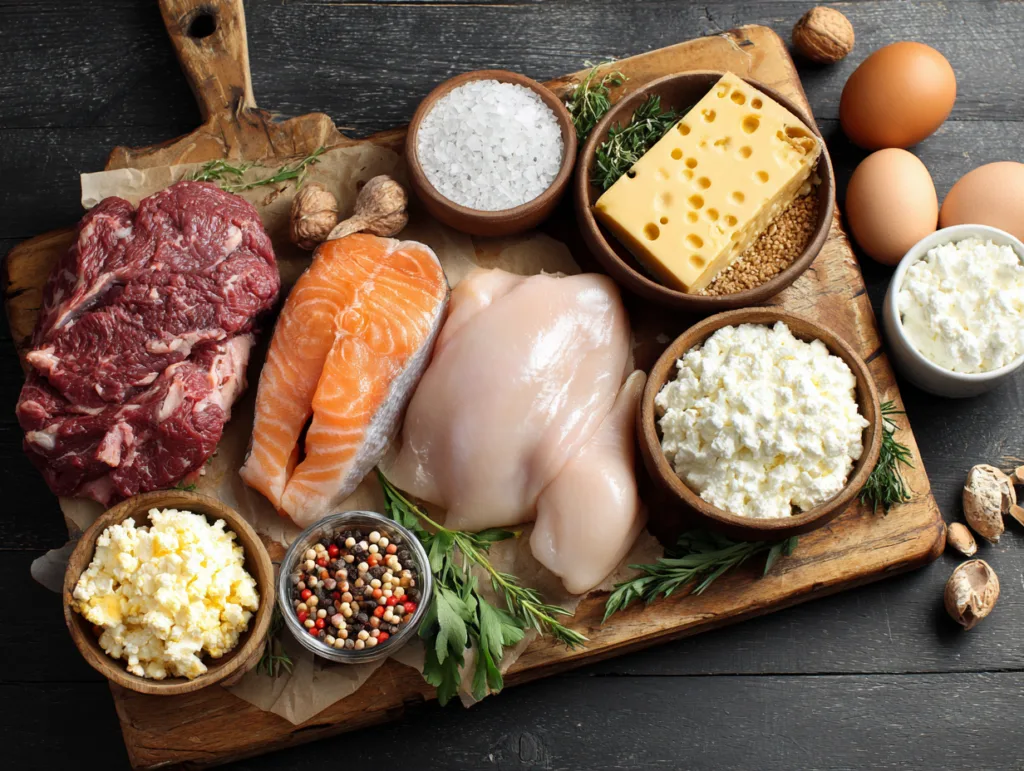
Protein Foods That Help Meals Feel More Satisfying
One reason the post attracted attention is because many people realize they’re eating far less protein than they thought.
Protein slows digestion and helps meals feel more complete.
The infographic highlights simple blood sugar friendly protein foods such as:
- Chicken breast
- Salmon
- Tuna
- Eggs
- Sardines
- Greek yogurt
- Cottage cheese
- Tofu
- Tempeh
- Shrimp
- Turkey
- Lean beef
These foods are often associated with:
- slower digestion
- improved fullness
- steadier hunger signals
- better meal balance
For example, pairing eggs with oats or adding Greek yogurt to berries may feel very different from eating fruit alone.
Some people exploring nutrition coaching or dietitian consultation services are often advised to start here first: increase protein consistency before cutting entire food groups.
Non-Starchy Vegetables Create More Balanced Meals
Another major point in the infographic is the emphasis on non-starchy vegetables.
These foods add:
- volume
- fiber
- texture
- slower eating speed
That combination can naturally support portion awareness and meal satisfaction.
Some examples include:
- Broccoli
- Cauliflower
- Spinach
- Zucchini
- Bell peppers
- Green beans
- Mushrooms
- Cabbage
- Asparagus
- Brussels sprouts
- Lettuce
Many people searching for healthy meal prep ideas or blood sugar friendly dinner ideas often overlook how much vegetables influence fullness.
A bowl of rice alone digests very differently than rice paired with roasted vegetables and protein.
This is also why minimally processed whole-food meals are often linked with more stable energy compared to highly refined convenience foods.
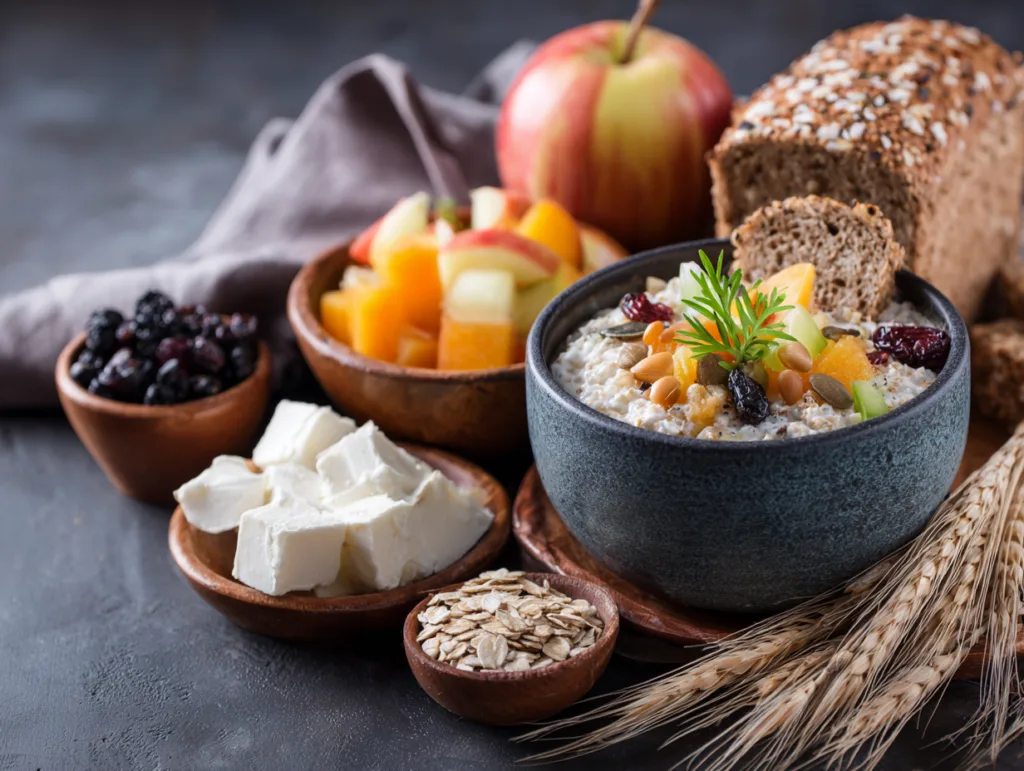
Smart Carbs and Fiber Are Not the Enemy
One reason people struggle with cravings is because they fear carbohydrates entirely.
But the infographic focuses on smart carbs and fiber, not carb elimination.
Examples include:
- Quinoa
- Chickpeas
- Lentils
- Beans
- Steel-cut oats
- Barley
- Sweet potatoes
- Berries
- Apples
- Pears
- Brown rice
- Popcorn
These foods usually digest more slowly than refined snack foods because they contain fiber, structure, or resistant starch.
For example:
- steel-cut oats digest slower than sugary instant cereals
- berries affect fullness differently than fruit juice
- beans and lentils combine carbs with fiber and plant protein
That’s why searches like:
- “foods that keep you full longer”
- “best carbs for stable energy”
- “high fiber meal ideas”
- “healthy carbs for blood sugar”
continue growing online.
The Real Problem May Be Ultra-Processed Meal Structure
Many people don’t actually eat “too much sugar.”
Instead, they eat meals that digest extremely quickly.
Examples include:
- sweet coffee + pastry
- cereal without protein
- juice-only breakfasts
- crackers without fiber
- low-protein snacks
These combinations often lack the protein and fiber needed for slower digestion.
This can create:
- faster hunger
- stronger cravings
- afternoon energy crashes
- overeating later
That’s why balanced meal planning matters more than chasing “perfect” foods.
Simple Blood Sugar Friendly Meal Ideas
The infographic works well because it focuses on practical foods people already recognize.
Here are some realistic meal combinations inspired by it:
Greek Yogurt Bowl
- Greek yogurt
- berries
- chia seeds
- small handful of nuts
Protein & Fiber Lunch
- chicken breast
- quinoa
- roasted broccoli
- olive oil drizzle
Balanced Vegetarian Bowl
- tofu
- brown rice
- cabbage
- mushrooms
- edamame
Higher Protein Breakfast
- eggs
- steel-cut oats
- berries
Easy Snack Plate
- cottage cheese
- apple slices
- walnuts
Stable Energy Dinner
- salmon
- sweet potato
- asparagus
These meals are simple, but they combine protein, fiber, and slower-digesting carbohydrates in a way that may support more balanced energy.
Why People Are Paying More Attention to Blood Sugar
Even people without diabetes are becoming more interested in blood sugar balance.
Searches related to:
- fasting glucose
- HbA1c testing
- CGM sensors
- nutrition counseling
- metabolic health tracking
have increased significantly in recent years.
Part of that curiosity comes from noticing how food affects:
- focus
- cravings
- mood
- fullness
- afternoon fatigue
Some employer health plans and insurance coverage programs now even include medical nutrition therapy or dietitian consultation support for people trying to improve long-term eating habits.
But for most people, the first step is usually simpler than expected:
build meals around whole foods with more protein and fiber consistency.
Small Meal Changes Usually Work Better Than Extreme Diets
The infographic became popular because it removes complexity.
You don’t need:
- expensive superfoods
- detoxes
- impossible meal plans
You usually just need:
- more protein
- more fiber
- less ultra-processed combinations
- meals that digest more steadily
Balanced meals often feel calmer in the body because digestion slows down naturally.
And for many people, that alone changes energy, cravings, and meal satisfaction more than strict dieting ever did.
[Read next: Best High Protein Breakfast Ideas for Stable Energy]
[Source: Mayo Clinic]
This is general information, not medical advice.