Some of the most talked-about traditional herbs do not look impressive at first.
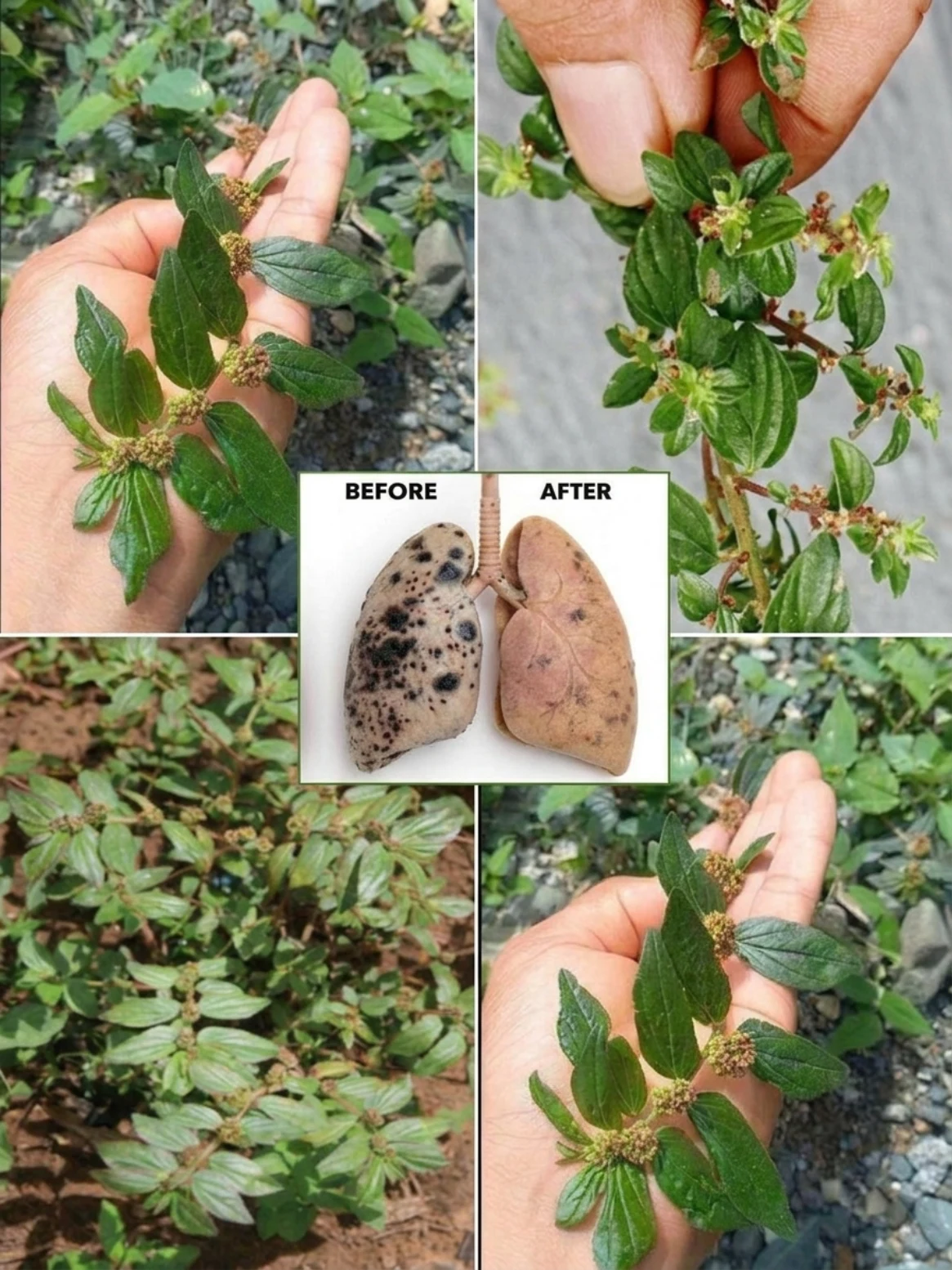
This small ground-hugging plant, often associated in folk medicine with asthma weed or Euphorbia hirta, is one of them. It grows low, spreads quickly, and is easy to overlook. Yet in many traditional practices, it has been used for cough, chest congestion, and everyday respiratory discomfort.
That is why it keeps showing up in herbal conversations. People see an ordinary weed, then discover it has a long reputation for lung support. At the same time, this is not the kind of herb to use carelessly. Correct plant identification matters, and traditional use does not mean it is a proven cure for asthma, pneumonia, or chronic lung disease.
What This Herb Is Traditionally Used For
In folk practice, this herb is often linked with:
- Cough relief
- Mild chest congestion
- Everyday throat irritation
- Respiratory comfort during seasonal changes
- General herbal support for the airways
The reason it gets attention is simple. It is usually described as a plant people turn to when the chest feels heavy, the throat feels irritated, or mucus feels hard to clear.
That traditional reputation is also why some people call it asthma weed. Still, the name can be misleading. A plant may be used traditionally for breathing complaints without being a medical treatment for asthma.
Ingredients
If the plant has been correctly identified, a simple traditional-style preparation is usually made with:
- 1 small handful fresh herb, washed well
or - 1 to 2 teaspoons dried herb
- 2 cups water
Some people use only the tender stems, leaves, and upper parts.
How to Prepare It
This remedy is usually made as a light herbal tea.
Step 1: Clean the herb
Wash the plant thoroughly to remove dust, dirt, or grit. This matters because low-growing herbs pick up a lot from the ground.
Step 2: Simmer gently
Add the fresh or dried herb to 2 cups of water.
Bring it to a gentle boil, then lower the heat and let it simmer for about 8 to 10 minutes.
Step 3: Let it rest
Turn off the heat and allow it to sit for another 5 minutes.
Step 4: Strain and serve
Strain the liquid and drink it warm.
A lighter tea is usually the smarter place to start. Traditional herbs like this do not need to be made very strong to feel active.
How to Use It
This kind of tea is generally used in small amounts.
Best times to take it
People who use herbs like this often prefer:
- In the morning, when mucus feels stuck
- In the evening, when cough tends to feel worse
- During mild seasonal chest discomfort
Quick relief timeline
If it helps, people usually expect a soothing effect within the same day, especially for throat comfort or a lighter chest feeling. It is not realistic to expect a weed tea to reverse serious breathing problems overnight.
Why People Believe It Helps
The popularity of this herb comes from its traditional role as a respiratory support plant.
It is linked with chest comfort
Many folk herbs become popular because they are used when people feel tight, heavy, or irritated in the chest. This plant fits that pattern.
It is seen as a mucus-moving herb
In traditional use, people often describe it as helpful when cough feels congested rather than dry.
It feels simple and accessible
Because it grows easily in many places, it became a practical home remedy in communities that relied on local plants instead of packaged medicine.
That practical history matters. A lot of herbal traditions started with what people could actually gather nearby.
Who May Be Interested in This Herb
This remedy may appeal most to people who:
- Enjoy traditional plant-based remedies
- Want a simple herbal tea for cough
- Prefer mild homemade preparations
- Are curious about lesser-known respiratory herbs
It is especially interesting to people who like learning how common-looking plants were once used in everyday wellness traditions.
Important Safety Notes
This section matters more than the recipe.
Correct identification is essential
Many small wild herbs can look similar. Do not rely on a guess.
Do not use it as a replacement for asthma treatment
If someone has diagnosed asthma, wheezing, chest pain, or shortness of breath, a home remedy should not replace prescribed care.
Avoid if symptoms are severe
High fever, labored breathing, blue lips, coughing blood, or worsening chest tightness need urgent medical evaluation.
Start small
Even traditional herbs can irritate sensitive stomachs or trigger reactions in some people.
Be careful with children, pregnancy, and chronic illness
That is especially true with wild herbs that are not standardized.
A More Realistic Way to Think About It
The most balanced view is this: this herb may have a place in traditional respiratory wellness, but it should be treated as supportive, not curative.
A warm herbal tea can help someone feel soothed, more hydrated, and a little more comfortable. Sometimes that alone is useful. But it does not mean the herb can treat lung infection, chronic asthma, or serious airway disease.
That difference is where safe herbal use begins.
Final Takeaway
This humble plant is often associated with asthma weed, a traditional herb people have long used for cough, chest heaviness, and breathing comfort. Its reputation comes from practical folk use, not from flashy appearance.
That is what makes it so easy to miss.
Sometimes the most talked-about traditional herbs are not the beautiful flowers or famous roots. They are the little plants people walk past every day without realizing they once had a place in home remedies.
Related Source Science
This herb is mainly known through traditional use as a respiratory support plant, especially in folk remedies for cough and chest discomfort. The most realistic expectation is gentle support, warm hydration, and mild throat or chest comfort, with strong medical caution for any ongoing or serious breathing symptom.