 Uncovering the nutritional treasures from ancient texts.
Many people don’t realize that some of the simplest, most fundamental foods have stood the test of time, offering profound nourishment and health benefits for centuries. What if the keys to modern wellness were hidden in the ancient dietary patterns of biblical food? Far from being just historical curiosities, these foods offer a wealth of vitamins, minerals, fiber, and healthy fats that are incredibly relevant to our health today.
This approach isn’t about rigid rules or restrictions, but rather about embracing whole, unprocessed ingredients that support overall vitality. By looking back at what sustained civilizations, we can uncover practical ways to nourish ourselves in our fast-paced world.
The Foundation of Flavor & Health: Olive Oil, Herbs & Spices
The culinary landscape of ancient times was rich with powerful flavors and beneficial ingredients. At its heart was olive oil, revered not just for cooking but also for its health properties.
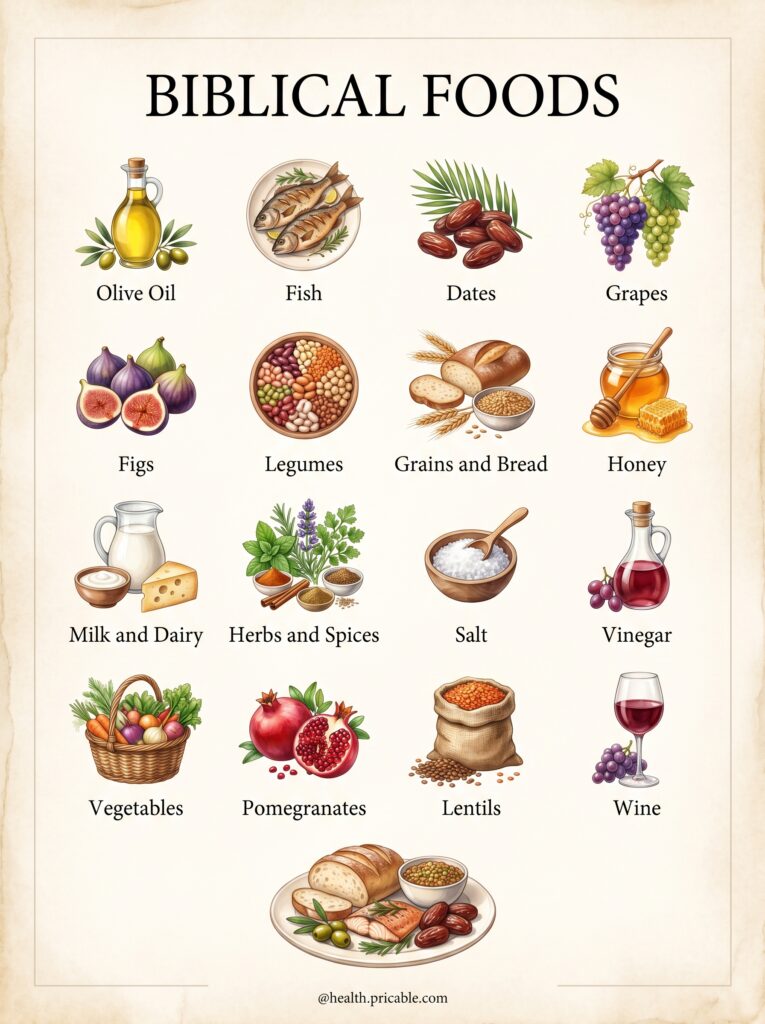
- Olive Oil: A cornerstone, this healthy monounsaturated fat is linked to heart health and inflammation reduction. It’s a simple swap for less beneficial oils.
- Herbs & Spices: Think dill, mint, cumin, and cinnamon. These weren’t just for taste; they were often used for their medicinal qualities. Incorporating fresh or dried herbs into your daily meals can elevate flavor without extra salt while adding a punch of antioxidants.
Nature’s Sweetness & Sustenance: Fruits, Grains & Legumes
The land provided an abundance of natural energy and essential nutrients through its bounty.
- Dates, Grapes & Figs: These naturally sweet fruits offered quick energy along with fiber, vitamins, and minerals. They make excellent snacks or additions to meals.
- Pomegranates: Bursting with flavor and antioxidants, pomegranates were (and still are) a vibrant, nutrient-dense fruit.
- Grains & Bread: Whole grains like barley and wheat formed the basis of many diets, providing complex carbohydrates for sustained energy. Think beyond processed bread and explore whole-grain varieties or ancient grains.
- Legumes & Lentils: Packed with plant-based protein, fiber, and essential minerals, these are foundational for lasting fullness and supporting digestive health. Lentils, in particular, are incredibly versatile and quick to cook.
Essential Proteins & Dairy: Fish, Milk & Honey
Beyond the field, rivers and animals provided crucial nourishment.
- Fish: A significant source of lean protein and omega-3 fatty acids, especially important for brain and heart health. Simple grilled or baked fish can be a weekly staple.
- Milk & Dairy: Sheep and goat milk provided calcium and other nutrients. Fermented options like yogurt (though not explicitly ‘biblical food’ in modern form, the concept of fermented dairy is ancient) can support gut health.
- Honey: Nature’s sweetener, honey offers more than just sugar, containing antioxidants and some antibacterial properties. Use it sparingly as a natural alternative to refined sugars.
Flavor & Hydration: Vegetables, Salt & Vinegar
No diet is complete without fresh produce and intelligent seasoning.
- Vegetables: While specific varieties may have changed, the principle of eating a wide array of vegetables for vitamins, minerals, and fiber remains constant. Aim for a colorful plate daily.
- Salt & Vinegar: Used for preservation and flavor. Moderation with salt is key today, but vinegar can add brightness to dishes and may have digestive benefits.
Beyond the Plate: Personalizing Your Wellness Journey
Embracing a diet rich in whole, unprocessed biblical food is a powerful step towards better health. However, true wellness often requires a deeper understanding of your individual body and needs. For many, this might involve more precise health indicators. Consider discussing with your healthcare provider about specific blood tests, such as HbA1c or fasting glucose, to better monitor your metabolic health. Tracking these lab markers alongside your dietary changes can provide invaluable insights into how your body responds.
If you’re considering significant dietary shifts or managing specific health conditions, a personalized approach is often best. Seeking medical nutrition therapy through a professional dietitian consultation can provide tailored guidance. It’s also worth exploring whether such specialized support is covered by your employer health plans or private insurance, as country-specific rules on public vs private coverage for nutritional services can vary significantly.
Practical Steps for a Biblical Food Lifestyle
Adopting these ancient principles into your modern life doesn’t have to be complicated. Start with small, consistent changes:
- Embrace Whole Grains: Choose oats, barley, and whole wheat bread.
- Snack on Fruit & Nuts: Keep dates, figs, grapes, and almonds handy.
- Cook with Olive Oil & Herbs: Use them generously for flavor and health.
- Include Legumes: Add lentils or chickpeas to soups, salads, and stews.
- Prioritize Vegetables: Fill half your plate with colorful produce.
Conclusion
The wisdom embedded in biblical food practices offers a clear path to enhanced well-being. By focusing on whole, natural ingredients, we can reconnect with a timeless way of eating that supports not just our bodies, but our overall health. It’s a reminder that sometimes, the simplest approaches are the most profound.
This is general information, not medical advice. [Source: Harvard Health]