As the chill of winter begins to fade, many gardeners start dreaming of fresh, homegrown produce. The good news is, you don’t have to wait for the heat of summer to enjoy a bountiful harvest! Spring is an ideal time to plant a variety of delicious cool-season vegetables that thrive in milder temperatures. Getting these plants in the ground early can give you a head start on your gardening season and provide you with fresh, crisp produce long before your tomatoes and peppers are ready.
Cool-season vegetables are crops that prefer cooler soil and air temperatures, typically between 45-70°F (7-21°C). They can often tolerate light frosts and are best planted in early spring, as soon as the soil is workable. Planting these hardy varieties not only extends your gardening season but also helps you make the most of your garden space. Let’s dive into some of the best cool-season vegetables you can plant for a rewarding spring harvest!
Top Cool-Season Vegetables for Your Spring Garden
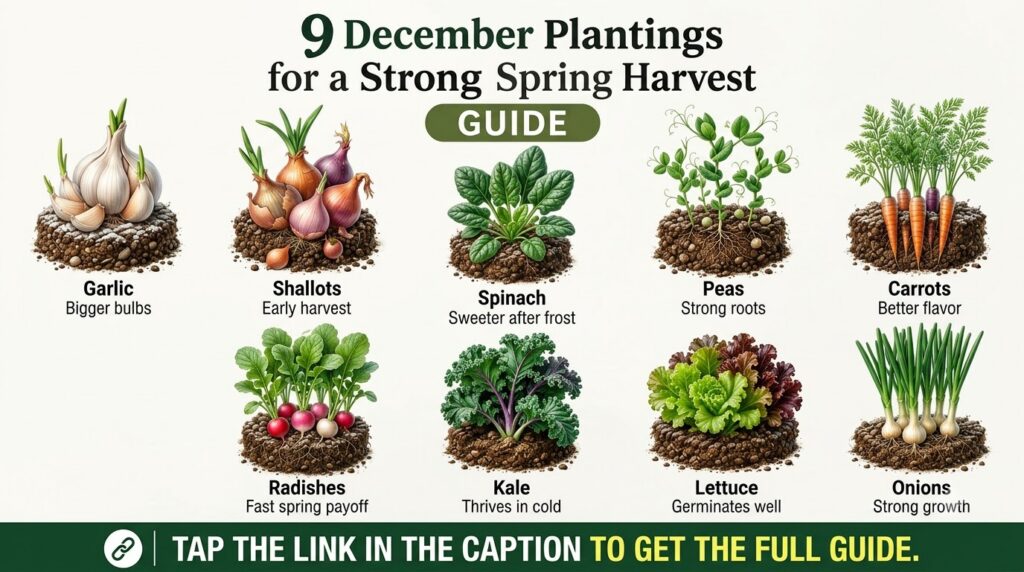
1. Garlic
While often planted in the fall for a summer harvest, certain varieties of garlic can also be planted in early spring for a smaller, but still delicious, crop. Spring-planted garlic typically yields smaller bulbs, but it’s a great option if you missed your fall planting window. Ensure your soil is well-drained and rich in organic matter. Plant individual cloves root-side down, about 2 inches deep and 4-6 inches apart.
2. Shallots
Shallots, with their milder, sweeter flavor than onions, are another excellent cool-season choice. They can be planted from sets (small bulbs) in early spring as soon as the soil can be worked. Plant them similarly to garlic, about 1 inch deep and 4-6 inches apart. Shallots are relatively low-maintenance and make a wonderful addition to many dishes.
3. Spinach
Spinach is a classic cool-season leafy green known for its rapid growth and high nutritional value. It thrives in cool weather and can bolt (go to seed) quickly in hot temperatures, making spring the perfect time to grow it. Sow seeds directly into the garden bed as soon as the soil thaws. For a continuous supply, plant small batches every two weeks until late spring.
4. Peas
There’s nothing quite like fresh, sweet peas picked straight from the vine! Peas love cool weather and can be planted as soon as the soil can be worked. Choose between snap peas, snow peas, or shelling peas based on your preference. Most pea varieties are climbing plants, so provide a trellis or support system for them to climb.
5. Carrots
These root vegetables prefer cool, moist soil for optimal growth. Sow carrot seeds directly into finely worked soil, ensuring it’s free of rocks or clumps that can cause misshapen roots. Keep the soil consistently moist during germination and growth. Different varieties offer a range of colors and sizes, making your carrot patch vibrant and exciting.
6. Radishes
Radishes are the ultimate instant gratification crop for gardeners! They mature incredibly quickly, often in as little as 3-4 weeks. Their crisp, peppery flavor is perfect for salads. Plant seeds directly in the garden every 1-2 weeks for a continuous harvest throughout spring. They’re excellent for filling small gaps in your garden beds.
7. Kale
Kale is a powerhouse of nutrients and extremely cold-hardy, making it a fantastic cool-season crop. It can tolerate light frosts, which often sweetens its leaves. Plant kale seeds or transplants in early spring. You can harvest the outer leaves as needed, allowing the plant to continue producing for an extended period.
8. Lettuce
From loose-leaf to romaine, lettuce varieties thrive in cool spring temperatures. Like spinach, lettuce can bolt in hot weather, so getting it started early is key. Sow seeds directly or plant transplants for a quicker harvest. Succession plant every few weeks to enjoy fresh salads all spring long.
9. Onions
Onions can be grown from seeds, sets, or small transplants in early spring. They require a long growing season to produce large bulbs, so early planting is crucial. Ensure your soil is well-drained and relatively rich. Different varieties are suited for different day lengths, so choose one that performs well in your region.
General Tips for a Successful Cool-Season Spring Harvest
- Prepare Your Soil: Ensure your garden beds have well-drained soil enriched with compost. Good soil structure is vital for healthy root development.
- Choose the Right Spot: Most cool-season vegetables prefer full sun (at least 6 hours daily), though some leafy greens can tolerate partial shade, especially as spring days get warmer.
- Consistent Watering: Keep the soil consistently moist, especially during dry spells. Avoid overwatering, which can lead to root rot.
- Pest and Disease Management: Cool weather generally means fewer pests, but keep an eye out for common garden visitors like aphids or slugs. Use organic pest control methods if necessary.
- Succession Planting: For crops like spinach, lettuce, and radishes, plant small batches every 1-2 weeks. This ensures a continuous harvest rather than one large flush.
- Frost Protection: While cool-season crops are hardy, an unexpected hard freeze can still damage young plants. Keep row covers or cloches handy for protection if a late frost is predicted.
Embracing cool-season vegetables allows you to extend your gardening season and enjoy fresh, delicious produce earlier in the year. With a little planning and care, you can transform your garden into a spring wonderland brimming with healthy, homegrown goodness. Happy planting!