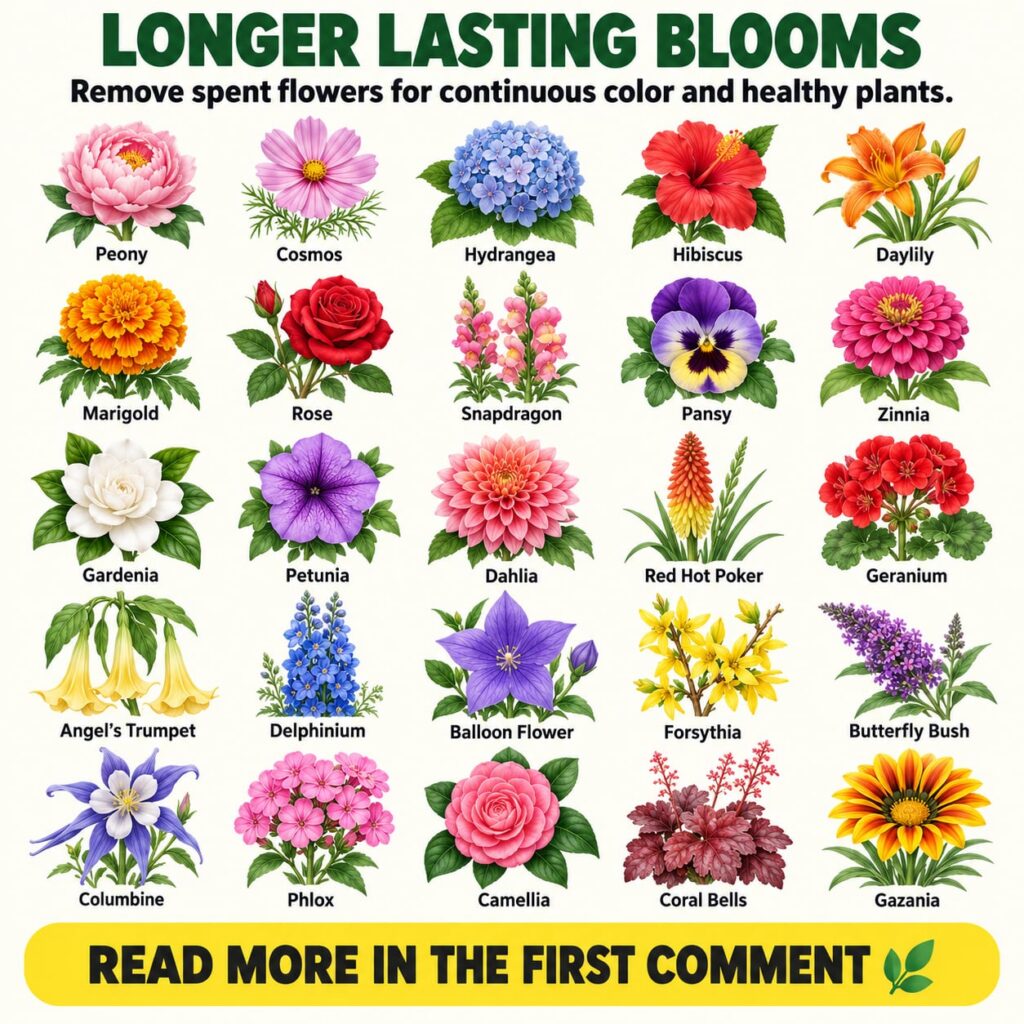
Who doesn’t love a garden bursting with vibrant, healthy flowers? The joy of seeing your plants thrive and produce abundant blooms is one of the most rewarding aspects of gardening. But what if we told you there are simple secrets to extending that breathtaking display, ensuring your garden remains a colorful haven for even longer? It’s not just about luck; it’s about understanding and applying a few key gardening practices that encourage continuous flowering and overall plant health. Let’s dive into the art of making your flowers last!
The Magic of Deadheading: Your Key to Endless Blooms
One of the most effective and often overlooked techniques for achieving longer-lasting blooms is called deadheading. Essentially, deadheading means removing spent or faded flowers from your plants. While it might seem counterintuitive to remove parts of your beautiful blooms, this simple act sends a powerful message to your plant: ‘Keep producing more flowers!’
Why Deadhead?
-
Promotes More Blooms: A plant’s primary goal after flowering is to produce seeds. By removing faded flowers, you prevent the plant from putting energy into seed production. Instead, it redirects that energy into creating new flowers, leading to a fresh flush of blooms.
-
Improves Plant Appearance: Removing brown, wilting flowers instantly tidies up your plant, making it look much more appealing and vibrant.
-
Enhances Plant Health: Deadheading can also prevent certain fungal diseases that might develop on decaying flower heads, promoting healthier foliage and stronger growth.
How to Deadhead Properly
The method of deadheading can vary slightly depending on the plant, but the general principle remains the same:
-
Identify Spent Blooms: Look for flowers that are past their prime – fading, wilting, or starting to turn brown.
-
Choose Your Tools: For most plants, your fingers are sufficient to pinch off soft stems. For tougher stems, use clean, sharp pruning shears or snips.
-
Make the Cut: Cut or pinch the stem just above a set of healthy leaves, a side shoot, or a new bud. This ensures the cut is clean and encourages new growth from that point.
-
Be Consistent: Make deadheading a regular part of your garden routine, especially for prolific bloomers. A quick walk through the garden a few times a week can make a huge difference.
Beyond Deadheading: Holistic Care for Vibrant Flowers
While deadheading is a star player, it’s part of a larger team of practices that ensure your flowers truly flourish and extend their bloom time. Here are other essential tips:
1. Proper Watering Habits
Consistent watering is crucial. Most flowering plants prefer consistently moist soil, but not waterlogged. Water deeply and less frequently to encourage strong root development. Check soil moisture before watering – stick your finger about an inch or two into the soil; if it feels dry, it’s time to water.
2. Balanced Fertilization
Flowering plants are heavy feeders. Providing them with the right nutrients supports strong growth and abundant blooms. Use a balanced fertilizer or one specifically formulated for flowering plants, following the product’s instructions carefully to avoid over-fertilization, which can burn roots or encourage too much leafy growth at the expense of flowers.
3. Adequate Sunlight
Most flowering plants require a specific amount of sunlight to produce their best blooms. ‘Full sun’ typically means 6+ hours of direct sunlight daily, ‘partial sun’ means 4-6 hours, and ‘shade’ means less than 4 hours. Ensure your plants are situated in a location that meets their light requirements.
4. Pest and Disease Management
Healthy plants are more resilient. Regularly inspect your flowers for signs of pests or diseases. Addressing issues early can prevent them from weakening the plant and impacting its ability to produce blooms.
5. Right Plant, Right Place
Choosing plants that are well-suited to your climate, soil type, and garden conditions is perhaps the most fundamental tip. A plant that is happy in its environment will naturally be healthier and more prolific.
Enjoying Your Continuously Blooming Oasis
Transforming your garden into an oasis of continuous blooms is incredibly satisfying. By incorporating these simple yet powerful tips into your gardening routine, you’ll not only extend the flowering season but also contribute to the overall health and vigor of your plants. Imagine stepping into your garden each day to be greeted by a fresh burst of color and fragrance, knowing you played a direct part in creating that beauty!
Happy gardening, and here’s to a season filled with endless floral joy!