As winter’s chill recedes and the days grow longer, gardeners eagerly anticipate the vibrant explosion of color that spring brings. Among the most cherished harbingers of summer beauty are hydrangeas, with their magnificent, show-stopping blooms. But achieving those coveted bigger, more abundant flowers doesn’t happen by chance. It starts with a little TLC in the spring.
Spring is a critical time for hydrangeas, laying the groundwork for their spectacular summer display. By performing a few simple, yet effective, tasks now, you can significantly boost your plant’s health and ensure a bountiful show of blossoms. Whether you’re a seasoned gardener or just starting your journey with these beloved shrubs, these seven easy spring tasks will set your hydrangeas up for success.
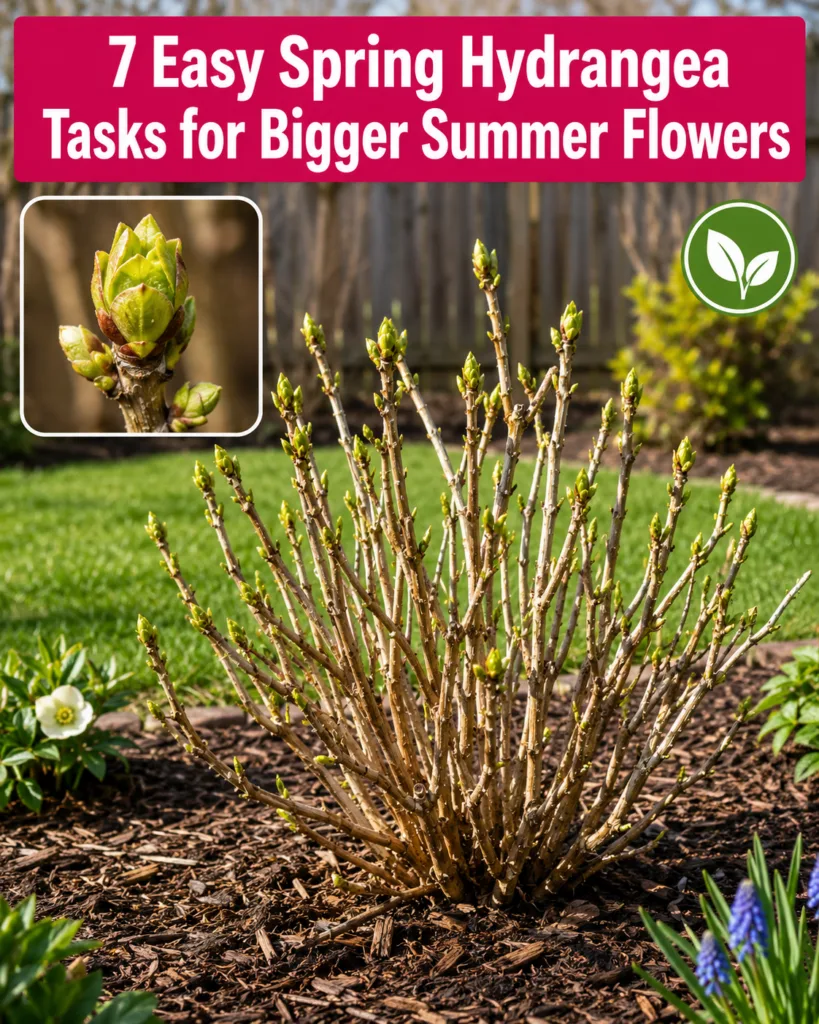 Spring is the perfect time to prepare your hydrangeas for spectacular summer blooms.
Why Spring Hydrangea Care Matters for Spectacular Blooms
Hydrangeas are generally low-maintenance plants, but their flowering potential is heavily influenced by their early season care. Spring tasks focus on optimizing growth conditions, strengthening the plant, and ensuring it has all the resources it needs to produce large, healthy flower heads. Neglecting these steps can lead to fewer, smaller blooms, or even a ‘naked’ shrub come summer. Invest a little time now, and reap the rewards later!
The 7 Easy Spring Hydrangea Tasks for Bigger Summer Flowers
1. Assess and Prune Wisely
Pruning hydrangeas can be confusing because different types bloom on different woods (old wood vs. new wood). The key is to know your type:
- Hydrangeas that bloom on old wood (e.g., Bigleaf/Mophead/Lacecap – Hydrangea macrophylla, Oakleaf – Hydrangea quercifolia): These form their flower buds on the previous year’s growth. In early spring, only prune out dead, damaged, or weak stems. Avoid heavy pruning, as this will remove potential flower buds.
- Hydrangeas that bloom on new wood (e.g., Panicle – Hydrangea paniculata, Smooth – Hydrangea arborescens ‘Annabelle’/’Incrediball’): These bloom on growth produced in the current year. You can prune these more aggressively in early spring to shape the plant and encourage stronger stems for larger flowers. Cut back by about one-third to one-half, focusing on removing crossing or weak branches.
- Reblooming Hydrangeas (e.g., Endless Summer series): These bloom on both old and new wood. Lightly prune dead or damaged wood in spring. If you want to reshape, do so sparingly, knowing you might sacrifice some early blooms for later ones.
Always use clean, sharp pruning shears to make clean cuts and prevent disease.
2. Fertilize for Vigorous Growth
Once new growth begins to appear, it’s time to feed your hydrangeas. A balanced, slow-release granular fertilizer formulated for acid-loving plants (if your hydrangeas prefer acidic soil, like Bigleaf varieties) is ideal. Look for a fertilizer with a slightly higher phosphorus number (the middle number in N-P-K) to encourage blooming. Follow package directions carefully, as over-fertilizing can lead to lush foliage but fewer flowers.
For organic gardeners, well-rotted compost or aged manure worked into the soil around the drip line can provide essential nutrients.
3. Provide Consistent Moisture
While established hydrangeas can tolerate some dry spells, consistent moisture in spring is crucial as they emerge from dormancy and begin active growth. This helps them develop strong root systems and healthy foliage, which are prerequisites for abundant blooms. Aim for about 1 inch of water per week, either from rainfall or irrigation. Water deeply at the base of the plant, avoiding overhead watering which can encourage fungal diseases.
4. Apply a Fresh Layer of Mulch
Mulching is a game-changer for hydrangeas. A 2-3 inch layer of organic mulch (like shredded bark, pine needles, or compost) around the base of the plant (keeping it a few inches away from the stems) offers multiple benefits:
- Moisture retention: Reduces water evaporation, keeping the soil consistently moist.
- Temperature regulation: Insulates roots from fluctuating spring temperatures.
- Weed suppression: Minimizes competition for water and nutrients.
- Nutrient contribution: As organic mulch breaks down, it slowly releases nutrients into the soil.
5. Check for Pests and Diseases
Spring is an excellent time for a quick plant inspection. Look closely at new leaves and stems for any signs of common hydrangea pests like aphids or spider mites. Check for powdery mildew (a white, powdery coating on leaves) or other fungal spots. Early detection allows for easier, more effective treatment using organic sprays or horticultural oils if necessary.
6. Adjust Soil pH (for Color-Changing Hydrangeas)
For Bigleaf hydrangeas (Hydrangea macrophylla) that change flower color based on soil pH, spring is the time to make adjustments if you desire a specific hue:
- To achieve blue flowers: Lower soil pH by adding soil acidifiers like elemental sulfur or aluminum sulfate.
- To achieve pink flowers: Raise soil pH by adding garden lime.
Always perform a soil test before making drastic changes, and follow product instructions carefully. Remember, white hydrangeas will remain white regardless of soil pH.
 Achieve stunning blue blooms by adjusting your soil’s pH in spring.
7. Protect Against Late Spring Frosts
New, tender hydrangea growth is vulnerable to unexpected late spring frosts. A sudden dip in temperature after a warm spell can damage buds and shoots, potentially sacrificing a season’s worth of blooms. If a late frost is predicted, cover your hydrangeas with a bedsheet, burlap, or a frost blanket in the late afternoon. Remove the covering once temperatures rise above freezing the next morning.
General Tips for Hydrangea Success
- Choose the Right Spot: Ensure your hydrangeas are planted in a location that receives morning sun and afternoon shade, especially in hotter climates.
- Good Drainage: Hydrangeas prefer consistently moist soil but hate “wet feet.” Ensure your soil drains well.
- Patience is Key: While these tasks help, some hydrangeas take a year or two to fully establish and produce their best blooms.
Conclusion
By dedicating a little time to these seven easy spring tasks, you’re not just caring for your hydrangeas; you’re investing in a future filled with magnificent, abundant summer blooms. From strategic pruning to thoughtful feeding and protection, each step contributes to the overall health and vigor of these beloved garden stars. Get out there, give your hydrangeas the spring care they deserve, and prepare to enjoy a truly spectacular floral display!