One of the first decisions a gardener faces when starting vegetables from seed is whether to direct sow them into the garden or start them indoors for transplanting later. This choice can significantly impact the success and yield of your crops. While some plants thrive when their seeds are sown directly into the soil, others benefit greatly from a protected start indoors. Understanding the needs of each plant and the advantages of each method is key to a flourishing garden.
Understanding the Methods: Direct Sowing vs. Transplanting
What is Direct Sowing?
Direct sowing involves planting seeds directly into the garden bed where they will grow to maturity. This method mimics nature’s way and is often preferred for plants that are sensitive to root disturbance or that grow quickly.
- Benefits: Minimal root disturbance, leading to stronger root systems; less labor-intensive initially (no potting up); often more economical as it requires fewer supplies.
- Drawbacks: Exposure to unpredictable weather (frost, heavy rain), pests, and diseases; slower start to the season; requires careful timing with local last frost dates.
What is Transplanting (Starting Seeds Indoors)?
Transplanting means starting seeds in a controlled indoor environment (like seed trays or small pots) and then moving the young plants (seedlings) into the garden once they are larger and the weather conditions are favorable.
- Benefits: Extends the growing season by getting a head start before outdoor conditions are ideal; protects vulnerable seedlings from harsh weather and early pests; allows for better control over germination conditions (temperature, light, moisture).
- Drawbacks: Requires more equipment (grow lights, heating mats, seed-starting mix, trays); labor-intensive (potting up, watering daily); risk of transplant shock if not done carefully.
Which Method for Which Vegetable?
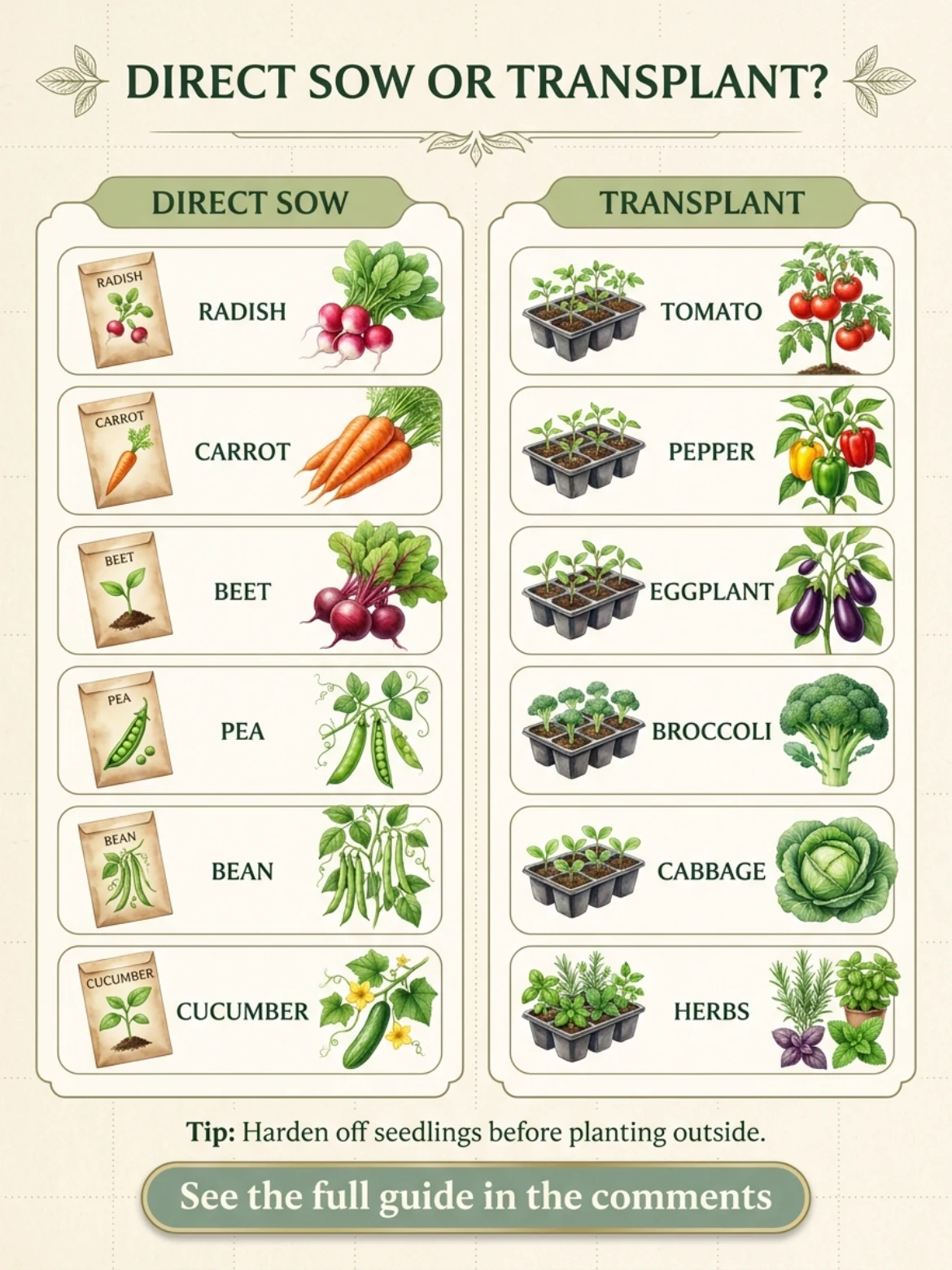
The best method largely depends on the specific plant’s growth habits, root sensitivity, and tolerance to cold or heat. Here’s a general guide for many popular garden vegetables:
Best for Direct Sowing
These plants generally prefer to have their roots undisturbed and often grow quickly enough that an indoor start isn’t necessary or even beneficial.
- Root Vegetables (Carrots, Beets, Radishes): Their taproots are very sensitive to disturbance. Transplanting can lead to stunted or forked roots. Sow these directly for straight, well-formed roots.
- Legumes (Beans, Peas): They germinate quickly and grow rapidly. Direct sowing after the last frost is ideal.
- Corn: Develops a deep root system and doesn’t transplant well. Plant seeds directly into warm soil.
- Leafy Greens (Spinach, Lettuce, Arugula): Many varieties grow fast from seed and can be direct-sown in succession for continuous harvests.
- Squash and Pumpkins: While they can be started indoors, they also do very well when direct sown once the soil is warm enough, due to their quick growth and sensitive roots.
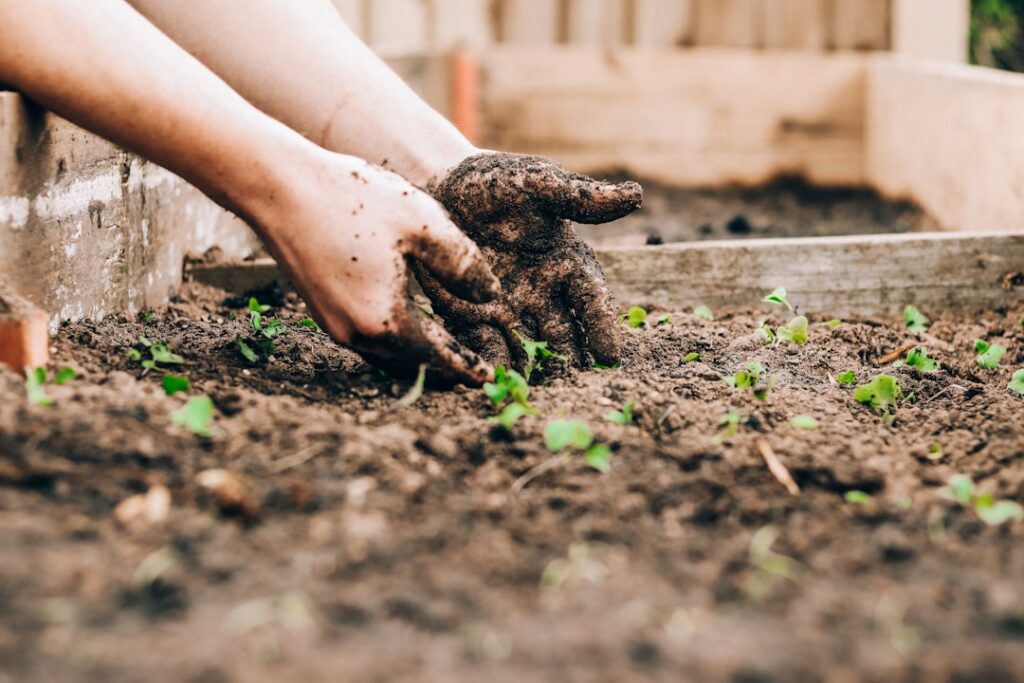 Direct sowing allows plants to establish strong root systems without disturbance.
Best for Transplanting (Starting Indoors)
These plants benefit from a head start indoors, especially in regions with shorter growing seasons, as they require a longer time to mature or are more sensitive to cold temperatures.
- Fruiting Vegetables (Tomatoes, Peppers, Eggplant): These warm-season crops need a long growing season to produce fruit. Starting them indoors gives them a crucial head start, allowing them to mature and bear fruit before the first fall frost.
- Brassicas (Broccoli, Cabbage, Cauliflower): These cool-season crops often benefit from an indoor start to get established before being moved out into the cooler spring weather, allowing them to form heads or florets more reliably.
- Herbs (Basil, Oregano, Thyme): Many perennial and annual herbs are slow to germinate or grow, making an indoor start advantageous for earlier harvests.
- Onions and Leeks: Starting these indoors allows for larger bulbs and stems, and a more robust plant to put out in the garden.
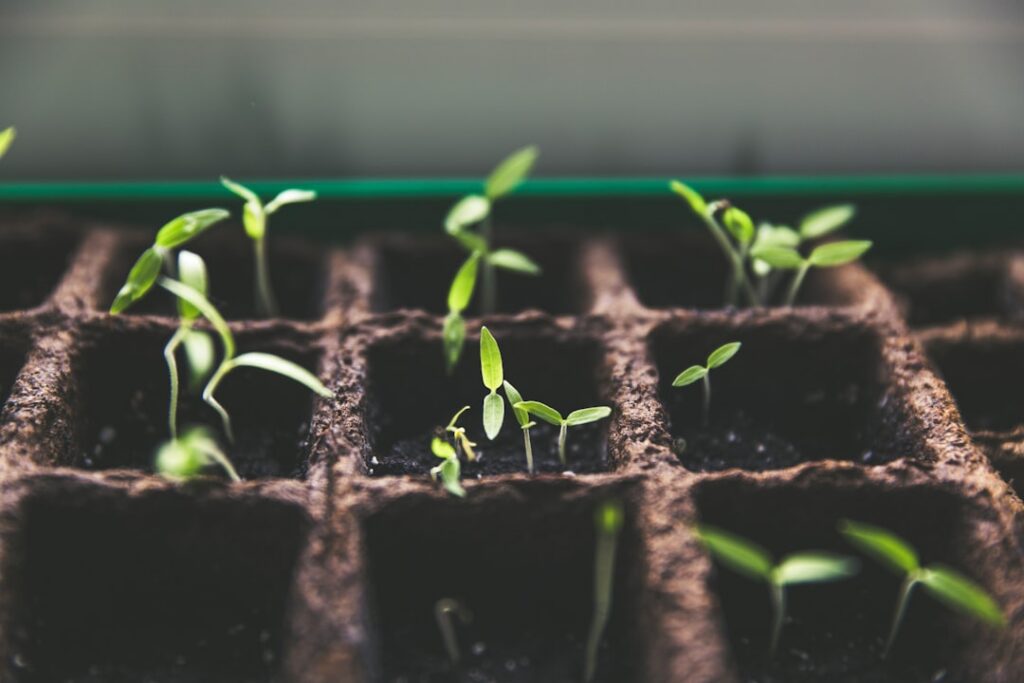 Starting seeds indoors provides a protected environment for vulnerable seedlings.
Key Tips for Successful Seed Starting
For Direct Sowing:
- Soil Preparation: Ensure your garden bed has well-draining, fertile soil. Amend with compost as needed.
- Timing is Everything: Consult your local frost dates and soil temperature charts. Planting too early can lead to poor germination.
- Proper Depth and Spacing: Follow seed packet instructions carefully. Overcrowding leads to weak plants.
- Consistent Moisture: Keep the seedbed consistently moist but not waterlogged until germination occurs.
For Transplanting:
- Hardening Off Seedlings: This is a critical step! About 1-2 weeks before transplanting, gradually expose your indoor-started seedlings to outdoor conditions (sun, wind, cooler temperatures) for increasing periods each day. This toughens them up and prevents transplant shock.
- Gentle Handling: Handle seedlings by their leaves, not their delicate stems, to avoid damage.
- Water Before and After: Water seedlings thoroughly before transplanting and immediately after planting them in their new home to help them settle in.
- Timing the Transplant: Wait until the risk of frost has passed and soil temperatures are suitable for your specific plants.
Conclusion
Choosing between direct sowing and transplanting is a fundamental decision that can greatly influence your gardening success. By understanding the specific needs of each vegetable and employing the right techniques, you can ensure a healthy start for all your plants. Whether you’re patiently nurturing seedlings indoors or scattering seeds directly into the earth, the joy of watching your garden grow from tiny seeds is one of gardening’s greatest rewards. Happy planting!