For any gardener, the sight of a vibrant, blooming garden is a true delight. But what if you could make that beauty last even longer, encourage more flowers, and keep your plants looking their absolute best? The secret lies in a simple yet powerful technique: deadheading. While the name might sound a bit morbid, deadheading is an essential practice that can transform your garden, ensuring a continuous display of color and vitality throughout the growing season.
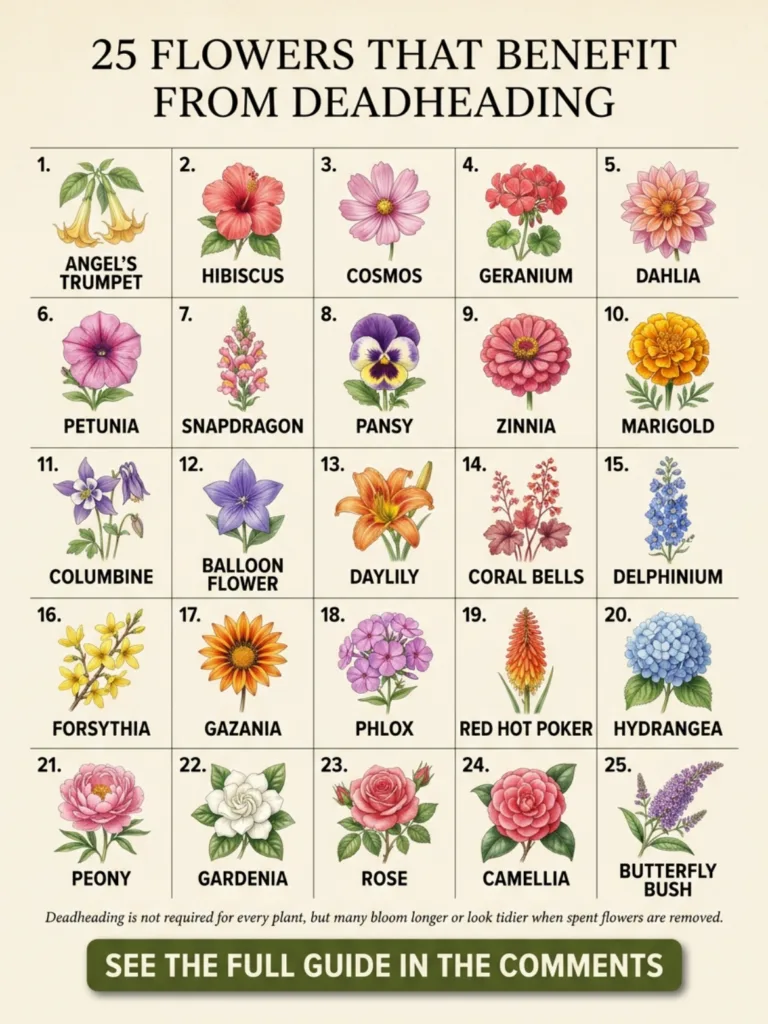 Discover which flowers thrive with a little deadheading love.
What Exactly Is Deadheading?
At its core, deadheading is the process of removing spent, withered, or faded flowers from a plant. It’s a form of pruning that focuses specifically on the blooms that have finished their cycle. Think of it as giving your plants a fresh start, signaling them to produce new flowers rather than focusing energy on developing seeds from old ones.
Why Should You Deadhead Your Flowers? The Benefits Explained
Deadheading isn’t just about aesthetics; it’s a strategic move that offers a multitude of benefits for your plants and your garden:
Promotes More Blooms (Reblooming)
- This is perhaps the most significant advantage. Many plants are genetically programmed to produce seeds once their flowers fade. By removing spent blooms, you trick the plant into thinking it hasn’t successfully reproduced yet, prompting it to produce more flowers in an attempt to set seed. This can lead to a second, third, or even continuous flush of blooms.
Improves Plant Appearance and Tidiness
- Wilted, browning flowers can quickly make a garden look messy and neglected. Deadheading removes these unsightly elements, keeping your plants looking fresh, vibrant, and well-maintained.
Redirects Plant Energy
- Developing seeds requires a significant amount of energy from the plant. By removing old flowers, you free up this energy, allowing the plant to channel it into producing new growth, stronger stems, healthier roots, and more flowers, rather than wasting it on seed production.
Prevents Unwanted Self-Seeding
- Some plants are prolific self-seeders. While this can be desirable in certain situations, it can also lead to overcrowding or plants growing where you don’t want them. Deadheading prevents the formation of seeds, giving you more control over your garden’s layout.
Enhances Air Circulation and Reduces Disease Risk
- Removing decaying plant material can improve air circulation around the plant, which is crucial for preventing fungal diseases, especially in humid conditions.
How to Deadhead Correctly: A Step-by-Step Guide
The technique for deadheading can vary slightly depending on the type of flower, but the general principles remain the same:
 Make clean cuts for healthy plant growth and more blooms.
Identify Spent Blooms
- Look for flowers that are fading, wilting, turning brown, or beginning to form seed heads. They will usually stand out from the fresh, vibrant blooms.
Locate the Right Spot to Cut
- This is crucial. You want to cut the stem just above the first set of healthy leaves or a new flower bud. Cutting too high leaves an unsightly stub, while cutting too low removes potential new growth.
- For single-stemmed flowers (like many annuals or hybrid tea roses): Cut the stem back to a point where a new leaf set or side shoot is emerging. This encourages branching and more flowers.
- For flowers in clusters (like hydrangeas or many perennials): You can snip off individual faded blooms, or if an entire cluster is spent, cut the stem back to a healthy leaf or the main stem.
- For plants with small, numerous flowers (like alyssum or petunias): You might need to shear back the entire plant by a few inches, rather than picking off individual spent blooms. This is often called ‘shearing’ or ‘trimming back’.
Use Clean, Sharp Tools
- Always use clean, sharp pruning shears, scissors, or even your fingernails (for tender stems). A clean cut minimizes damage to the plant and reduces the risk of disease. Disinfect your tools between plants, especially if you suspect any plant disease.
Discard Prunings
- Remove the spent flowers from your garden area to prevent fungal issues or attracting pests.
Key Flowers That Truly Benefit from Deadheading
While not every plant requires deadheading (some, like many ornamental grasses, are grown for their seed heads), a vast number of popular garden flowers truly thrive with this practice. Here are a few prominent examples:
Roses
- Deadheading roses is fundamental for encouraging continuous flushes of blooms. For single-flowered stems, cut above a five-leaflet leaf facing outwards to promote an open growth habit. For cluster-flowered roses, remove individual spent blooms or the entire cluster once all flowers have faded.
Pansies and Marigolds
- These cheerful annuals are incredibly responsive to deadheading. Pinching off their faded flowers regularly will keep them blooming profusely from spring until frost. Without it, they’ll quickly go to seed and stop producing new flowers.
Hydrangeas
- For reblooming varieties, deadheading helps encourage new flowers. For bigleaf and oakleaf hydrangeas, remove faded blooms to improve appearance, cutting back to a strong bud or leaf. For ‘Endless Summer’ type hydrangeas, deadheading promotes more blooms throughout the season.
Hibiscus
- Whether tropical or hardy, deadheading hibiscus by removing the spent flower and its developing seed pod encourages the plant to produce more of its large, showy blooms.
Petunias, Geraniums, and Zinnias
- These popular bedding plants are fantastic candidates for deadheading. Regular removal of spent flowers will keep them bushy, vibrant, and covered in blooms all summer long.
Dahlias
- Similar to roses, deadheading dahlias by cutting the spent flower stem back to a side shoot or leaf node will ensure a steady supply of their magnificent blooms until the first frost.
Remember, always research the specific needs of your plants. Some plants, like Impatiens, naturally shed their spent blooms, making deadheading unnecessary. Others, like many herbs (e.g., basil), are deadheaded to prevent them from flowering and going to seed, which can change the flavor of their leaves.
Tools for the Task
While often you can simply pinch off soft, tender spent blooms with your fingers, for tougher stems or larger gardens, a few tools will make the job easier and more efficient:
- Hand Pruners (Bypass Pruners): Ideal for most flowers with woody or thick stems.
- Shears/Snips: Smaller, more precise tools perfect for delicate flowers or getting into tight spaces.
- Gloves: Protect your hands from thorns, sap, and soil.
Tips for Successful Deadheading
- Be Consistent: Make deadheading a regular part of your garden routine, ideally once or twice a week during peak blooming season.
- Observe Your Plants: Learn how each of your specific plants forms its flowers and how they fade. This will help you make the most effective cuts.
- Don’t Be Afraid to Cut: It might feel counterintuitive to cut off parts of a blooming plant, but trust that it benefits the plant in the long run.
- Consider Seed Saving: If you *do* want to collect seeds from a particular plant, allow a few of its best flowers to go to seed at the end of the season.
Incorporating deadheading into your gardening practice is a simple step that yields impressive results. By understanding its purpose and applying the correct techniques, you can enjoy a garden that is not only tidier and healthier but also bursts with an abundance of beautiful blooms for an extended period. Happy gardening!