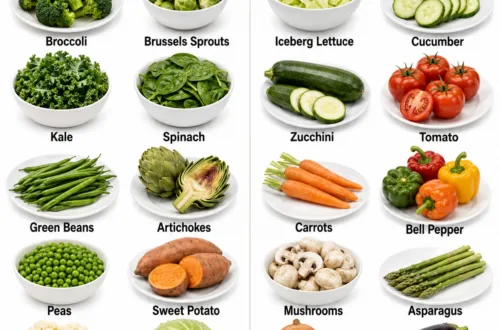
Sluggish circulation, cold hands and feet, brain fog, or constant fatigue can all be subtle signs that your blood flow isn’t at its best. Over time, sticky cholesterol and inflammation can narrow the arteries, making your heart work harder than it should.
Medication and doctor care are crucial when needed, but what you put on your plate every day quietly shapes your arteries too. The right foods act like a gentle internal “cleaning crew,” helping to sweep out excess cholesterol, calm inflammation, and keep blood moving freely.
Most people never realize that simple choices at breakfast, snack time, and dinner can make such a difference for their arteries. Let’s walk through eight everyday foods that support cleaner arteries and healthier blood flow.
The Artery-Friendly Food List
1. Oatmeal
Oatmeal is rich in a special soluble fiber called beta-glucan. This fiber binds to cholesterol in your gut and helps your body remove it instead of letting it circulate in your bloodstream.
Why it matters for arteries:
Less circulating LDL (“bad”) cholesterol means less chance for plaque to build up along artery walls.
Easy ways to eat it:
- Warm bowl of oats topped with berries.
- Overnight oats with a spoon of yogurt.
- Sprinkle dry oats into smoothies for extra fiber.

2. Nuts
Almonds, walnuts, cashews, and other nuts bring a powerful combo of healthy fats, plant protein, and minerals like magnesium.
Why they help blood flow:
- Their monounsaturated and polyunsaturated fats support healthy cholesterol levels.
- Magnesium helps relax blood vessels so blood can move more easily.
How to add them:
- A small handful (about 20–30 g) as a snack.
- Crushed over salads, oatmeal, or yogurt.
- Nut butters spread on whole-grain toast.
(Just remember: nuts are calorie-dense, so a small handful is enough.)

3. Olive Oil
Extra virgin olive oil is full of heart-loving monounsaturated fats and antioxidant compounds called polyphenols.
Why it supports clean arteries:
- Helps raise HDL (“good”) cholesterol.
- Polyphenols calm inflammation inside blood vessels.
Use it like this:
- As a base for salad dressings instead of creamy sauces.
- Drizzled over steamed or roasted vegetables.
- Mixed into hummus or other dips.
4. Legumes
Legumes include beans, lentils, chickpeas, and peas. They are loaded with fiber, plant protein, potassium, and folate.
Artery benefits:
- Fiber helps reduce LDL cholesterol.
- Potassium supports healthy blood pressure, easing strain on arteries.
Simple meal ideas:
- Lentil soup for lunch.
- Chickpea salad with olive oil and leafy greens.
- Add peas or beans into rice dishes and stir-fries.

5. Whole Grains
Whole grains like oats, barley, brown rice, quinoa, and whole-grain bread contain the entire grain kernel, not just the starchy part.
Why they matter:
- More fiber than refined grains, which helps manage cholesterol and blood sugar.
- Provide B-vitamins that support energy production and heart health.
How to swap them in:
- Choose whole-grain bread instead of white bread.
- Replace white rice with brown rice or quinoa.
- Use whole-grain pasta for your favorite dishes.

6. Berries
Blueberries, raspberries, strawberries, and blackberries are rich in vitamin C, fiber, and deep-colored antioxidants called anthocyanins.
Why they’re circulation superstars:
- Anthocyanins help protect artery walls from oxidative damage.
- Their natural plant compounds may support healthier blood pressure.
Easy ways to enjoy:
- Add a handful to oatmeal or yogurt.
- Blend into smoothies.
- Keep frozen berries on hand for quick desserts or snacks.

7. Leafy Greens
Spinach, kale, arugula, and other leafy greens are high in nitrates, vitamin K, folate, and antioxidants.
Artery and blood-flow benefits:
- Natural nitrates convert into nitric oxide in the body, which relaxes blood vessels and improves circulation.
- Vitamin K supports healthy blood vessel walls.
Daily ideas:
- Big salad with mixed greens, beans, and nuts.
- Toss a handful of spinach into omelets, soups, or pasta.
- Blend greens into smoothies with berries and oats.

8. Ginseng
Ginseng root has been used in traditional medicine for centuries to support energy, stamina, and circulation.
How it may help your arteries:
- Contains active compounds called ginsenosides, which may improve blood vessel function.
- Can gently support better blood flow and reduced fatigue.
How to use it:
- Brew into a warm tea (follow package directions).
- Look for ginseng added to herbal blends—ideally without added sugar.
Always check with your healthcare provider before using ginseng regularly, especially if you take medications.

How to Build a Daily Plate for Better Blood Flow
Here is a simple way to combine these artery-cleansing foods in one day:
- Breakfast: Oatmeal cooked with water or milk, topped with berries and a few crushed nuts.
- Lunch: Big leafy-green salad with legumes (such as chickpeas or beans), whole-grain bread on the side, and an olive-oil–based dressing.
- Snack: Small handful of mixed nuts and a piece of fruit.
- Dinner: Whole-grain rice or quinoa with steamed greens, legumes, and a drizzle of olive oil.
- Evening: A warm cup of ginseng tea, if it’s safe for you.
You do not need to eat all eight foods every single day. Aim to include at least three or four of them daily and rotate the rest through the week.
When You May Notice Changes
Everyone’s body is different, but as a general guide:
- Within 1–2 weeks:
You may notice steadier energy and less heaviness after meals as blood sugar and digestion improve. - Within 6–12 weeks of consistent eating:
Many people see better cholesterol and blood-pressure numbers on their lab tests, especially when these foods replace sugary snacks and highly processed fats.
Remember, these foods support healthy arteries; they do not instantly unclog severely blocked vessels or replace medical treatment.

Safety Notes
A few quick reminders before you overhaul your diet:
- If you have food allergies (especially to nuts, oats, or legumes), choose other options from the list.
- People with celiac disease or gluten sensitivity should pick gluten-free whole grains like oats labeled gluten-free, brown rice, or quinoa.
- Ginseng may interact with blood thinners, blood-pressure medicine, and diabetes drugs, and it may not be suitable during pregnancy. Always check with your doctor or pharmacist first.
- Never stop or change prescribed heart or blood-pressure medications without speaking to your healthcare provider.
Final Takeaway
Small, daily choices really can support cleaner arteries and stronger blood flow. By leaning on oatmeal, nuts, olive oil, legumes, whole grains, berries, leafy greens, and ginseng, you give your blood vessels exactly the nutrients they need to stay flexible and resilient.
Save this guide if you want to build a heart-smart plate later, and share it with someone who could use a gentle nudge to start caring for their arteries today.