Ever dream of a garden buzzing with life, but free from the nibbling of pests and the threat of predators? What if I told you that the secret might just be a charmingly quirky bird with a distinctive call? We’re talking about guinea fowl – the unsung heroes of the garden and homestead. These energetic birds are more than just a peculiar sight; they are incredibly efficient, natural pest controllers and vigilant protectors, ready to transform your outdoor space into a thriving, balanced ecosystem.
Many of us spend countless hours battling unwanted insects, destructive pests, and even larger predators that threaten our precious plants and livestock. Chemical solutions can be harsh on our soil and harmful to beneficial creatures. This is where guinea fowl step in, offering a sustainable, delightful, and incredibly effective alternative. Imagine a living, breathing pest control system that patrols your property, eats the bad bugs, and alerts you to danger, all while generally leaving your beloved plants untouched!
Why Guinea Fowl? The Unsung Heroes of the Garden
Guinea fowl, with their unique spotted plumage and captivating personalities, hail from Africa and have been domesticated for centuries. Unlike chickens, which are notorious for scratching up garden beds and making quick work of tender seedlings, guinea fowl have a different approach. Their foraging style is more about pecking at small insects and seeds, making them generally much safer companions for your vegetable patch.
Their keen eyesight and constant patrolling make them excellent guardians. They are naturally alert and have a collective instinct to protect their flock, which extends to their chosen territory – your garden and farm. Let’s delve into the specific superpowers that make guinea fowl an invaluable addition to any eco-conscious gardener’s toolkit.
Top 7 Reasons to Welcome Guinea Fowl to Your Homestead
These birds bring a multitude of benefits, tackling common garden woes with a surprisingly low-fuss approach.
1. Tick and Insect Terminators
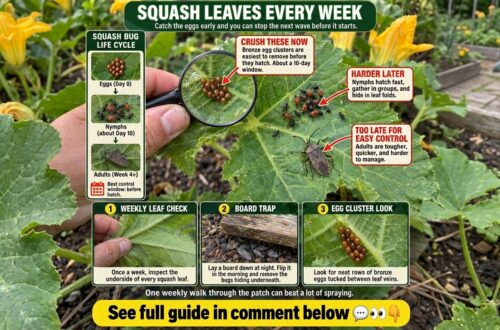
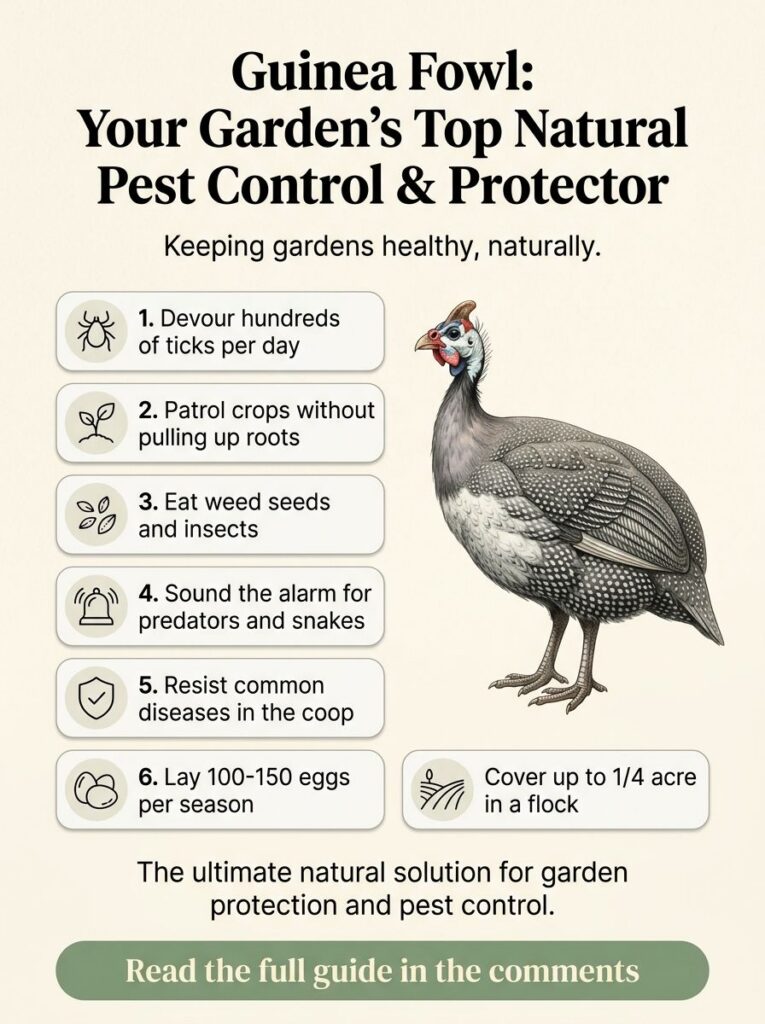
- Devour Ticks, Fleas & Crickets: This is arguably their most celebrated trait! Guinea fowl are voracious eaters of ticks, including the dreaded deer ticks that can carry Lyme disease. They also make quick work of fleas, crickets, grasshoppers, slugs, snails, squash bugs, and many other garden pests. Their diet naturally includes these insects, providing highly effective biological pest control.
- Actionable Advice: If you have a tick problem, consider letting a small flock free-range in problem areas (like tall grasses bordering woods) for a few hours a day. Supervise them initially to ensure they don’t wander too far or disturb sensitive areas.
2. Gentle Garden Patrols
- Patrols Crops Without Damage: While chickens love to scratch and dust-bathe in freshly tilled soil, guinea fowl tend to forage for insects without extensively digging up plants. They are much less likely to destroy your vegetable beds, making them ideal companions for an active garden.
- Actionable Advice: Introduce them to your garden area after plants are well-established. Observe their behavior closely. If you have particularly delicate seedlings, consider protecting them with netting until they are robust enough.
3. The Ultimate Alarm System for Predators
- Loud Alarm for Predators: Guinea fowl are famous (or infamous, depending on your neighbors!) for their incredibly loud, distinct alarm calls. They will loudly “potrack!” at the sight of anything unusual, including snakes, coyotes, foxes, raccoons, hawks, and even strange people approaching your property. This makes them an excellent early warning system for your other poultry and livestock.
- Actionable Advice: Position their roosting area near your other poultry coops or livestock pens. Their vigilant calls can deter potential threats before they even reach your valuable animals.
4. Natural Weed Warriors
- Weeds & Undesirable Grasses: Guinea fowl have a fondness for eating weed seeds and small weed sprouts. While they won’t clear an entire overgrown bed, they can help keep smaller weeds in check and prevent new ones from taking root.
- Actionable Advice: Allow them to forage in garden beds during the off-season or in areas being prepared for planting. Their constant pecking for seeds and small plants can reduce future weed pressure.
5. Deterring Unwanted Guests (Rodents & Reptiles)
- Rodent & Reptile Control: Their presence and noisy alarms can also deter small rodents like mice and voles, and even snakes. While they might not directly hunt them, their general ruckus and active patrolling make an area less appealing to these pests.
- Actionable Advice: Allow them to free-range around outbuildings, barns, and woodpiles where rodents and snakes often hide. Their activity can help keep these areas clear.
6. Surprisingly Low-Maintenance Companions
- Low Maintenance: Once established, guinea fowl are generally self-sufficient foragers. They prefer to find most of their own food by hunting insects and consuming vegetation. This can significantly reduce your feed bill compared to other poultry.
- Actionable Advice: While they forage, always provide a consistent source of clean water and a safe place to roost at night to protect them from predators. Supplemental feed is good, especially in winter or if foraging is limited.
7. Vigilant Watchdogs
- Alerts to Intruders: Beyond animal predators, their loud calls also serve as an excellent alert for human intruders or any unusual activity on your property. They are naturally wary and will sound the alarm at anything they perceive as a threat.
- Actionable Advice: If security is a concern, a small flock of guinea fowl can provide an invaluable, natural layer of vigilance, complementing other security measures.
What You Need to Know Before Getting Guinea Fowl
While wonderfully beneficial, guinea fowl do come with their own set of characteristics to consider:
Housing and Shelter
Guinea fowl need a secure, predator-proof coop or barn to roost in at night. They prefer to roost high, so provide plenty of sturdy perches. They are susceptible to cold and damp conditions, especially when young, so a dry, draft-free shelter is essential.
Feeding and Foraging
They are excellent foragers, finding much of their own food. However, it’s wise to offer a supplemental feed (like chicken layer crumble or scratch grains) especially during winter months or when natural insect populations are low. Always ensure they have access to fresh, clean water.
Social Nature and Noise
Guinea fowl are highly social birds and thrive in flocks. It’s best to start with at least 4-6 birds. Be aware that they are LOUD. Their calls are distinctive and frequent, which is great for predator alerts but might not be ideal for very close neighbors. Consider the impact of their noise before bringing them home.
Keeping Them on Your Property
They love to roam! Guinea fowl can be notoriously independent and may wander off if not properly managed. Some choose to keep them contained in a large, predator-proof run for a period to ‘imprint’ them to their home, or clip their wings to limit flight. Free-ranging is generally the most effective way for them to control pests, but requires fencing and diligent management.
Integrating Guinea Fowl into Your Farm & Garden
- Start Small: Begin with a small flock of keets (baby guinea fowl) and raise them with chickens if you have them, as this can help them bond and stay closer to home.
- Provide a Safe Haven: Ensure they have a secure coop where they feel safe to return each night. This is key to preventing them from wandering off permanently.
- Observe and Adjust: Every flock is different. Watch how your guinea fowl interact with your garden and adjust your management as needed. Some keets might be more inclined to scratch than others.
A Word of Caution (and Charm!)
Their independent nature means they can sometimes wander far, and their loud calls aren’t for everyone. But for those who embrace their unique qualities, the rewards are immense. The peace of mind knowing your garden is naturally protected, your plants are safer from pests, and your property has its own built-in alarm system, is truly invaluable.
Embrace the Guinea Fowl Advantage
Bringing guinea fowl into your gardening and homesteading practices is an exciting step towards a more sustainable and harmonious way of living. They offer a powerful, natural solution to many common challenges, reducing your reliance on artificial interventions and fostering a deeper connection with the natural world. With a little preparation and understanding, these delightful birds can become an indispensable part of your thriving garden and farm.
Ready to invite these feathered guardians into your life? The benefits are clear, and the natural balance they bring is something truly special. Happy gardening!