Most people walk past it, dismissing it as just another leafy plant in the garden. Yet, tucked away in many compounds and backyards, thrives a humble herb that holds remarkable potential, especially when those familiar coughs, colds, and congested feelings start to creep in. This isn’t just any green leaf; for generations, it’s been a go-to for soothing respiratory discomfort. If you have this unassuming plant, known to many as Indian Borage, Mexican Mint, or Cuban Oregano, you literally have a hidden gem.
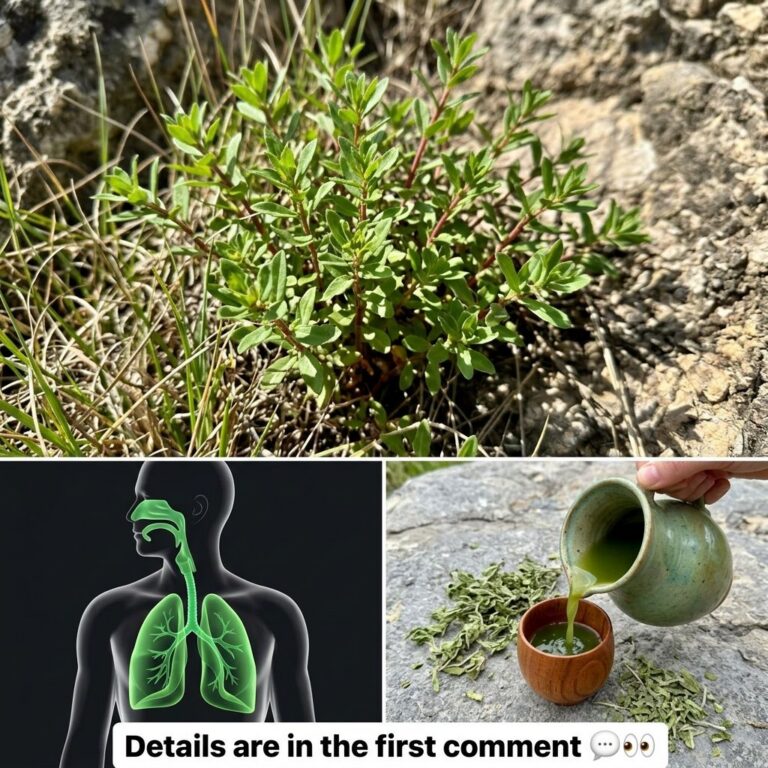
What is Indian Borage?
Indian Borage, scientifically known as Plectranthus amboinicus, is a succulent, aromatic herb belonging to the mint family. It’s recognizable by its thick, fuzzy, ovate leaves and a strong, oregano-like scent. Often grown as a culinary herb or an ornamental plant, its true ‘gold’ lies in its traditional use as a natural remedy, particularly for ailments affecting the lungs and throat. It’s cherished in many cultures for its perceived ability to clear congestion and calm irritation.
Ingredients for Your Remedy
- Fresh Indian Borage Leaves: 5-7 medium-sized leaves, vibrant green and healthy.
- Water: 2 cups (approximately 500ml), filtered if possible.
- Optional additions: 1 teaspoon honey (for sweetness and added soothing), a squeeze of lemon juice (for vitamin C and flavor).
Approximate Measurements
For a single serving of soothing tea or a steam inhalation session, you’ll need approximately 5-7 fresh Indian Borage leaves. Adjust slightly based on the size of the leaves and your personal preference for strength.
Formula / Recipe: Indian Borage Soothing Brew
This simple preparation allows you to extract the beneficial compounds from the leaves, creating a comforting remedy for respiratory discomfort.
Method 1: Soothing Herbal Tea
- Gather & Rinse: Pick 5-7 fresh, healthy Indian Borage leaves. Rinse them thoroughly under cool running water to remove any dirt or impurities.
- Prepare: Gently bruise the leaves by tearing them slightly or crushing them between your fingers. This helps release their aromatic compounds.
- Heat Water: Bring 2 cups of water to a rolling boil in a small pot.
- Steep: Once boiling, remove the pot from the heat. Add the bruised Indian Borage leaves to the hot water.
- Cover & Infuse: Immediately cover the pot with a lid to trap the steam and volatile oils. Let the leaves steep for 5-10 minutes. For a stronger brew, steep longer, but avoid over-steeping which can make it bitter.
- Strain & Serve: Strain the liquid into a cup, discarding the leaves. Add honey and lemon juice if desired, and stir well.
Method 2: Congestion-Clearing Steam Inhalation
- Prepare Leaves: Rinse 5-7 fresh Indian Borage leaves. You can leave them whole or tear them slightly.
- Heat Water: Bring 3-4 cups of water to a boil in a medium-sized pot.
- Add Leaves: Once boiling, remove the pot from the heat and carefully add the Indian Borage leaves.
- Position Safely: Place the pot on a stable surface. Drape a large towel over your head, creating a tent over the pot to trap the steam.
- Inhale: Close your eyes and lean over the pot, keeping a safe distance (at least 10-12 inches) to avoid scalding. Inhale the aromatic steam deeply through your nose and mouth for 5-10 minutes.
Quick Tip: For an extra boost to your steam inhalation, add a few drops of eucalyptus or peppermint essential oil (if you’re not sensitive and have them on hand), but the Indian Borage alone is potent enough.
How to Use Your Indian Borage Remedy
- For Tea: Drink the warm tea slowly. It’s particularly soothing for sore throats and helps warm the body. The aromatic compounds can also help clear nasal passages.
- For Steam Inhalation: The steam helps to loosen mucus, reduce inflammation in the nasal passages and lungs, and alleviate congestion. Breathe deeply and take breaks if you feel lightheaded.
How Often to Use
For acute symptoms of colds or congestion, you can consume the tea 2-3 times a day for a few days. Steam inhalation can be done 1-2 times daily, especially before bedtime, for temporary relief. Do not exceed 5-7 days of continuous use without a break, and always listen to your body.
How to Buy / How to Choose Ingredients
The best way to ensure you have fresh, high-quality Indian Borage is to grow it yourself! It’s a remarkably easy plant to cultivate, thriving in various conditions, even in pots. Look for healthy, vibrant green leaves without any signs of yellowing, spots, or pest damage. If purchasing, opt for organic varieties if available.
Fresh vs. Dried Indian Borage Leaves for Remedy
| Feature | Fresh Indian Borage Leaves | Dried Indian Borage Leaves |
|---|---|---|
| Potency | Generally higher, especially for aromatic volatile oils. | Slightly less potent, but still effective if dried properly. |
| Flavor & Aroma | Stronger, more pungent, with a peppery, oregano-like note. | Milder, slightly less intense and complex. |
| Availability | Seasonal, or year-round if grown indoors or in a mild climate. | Year-round if dried and stored correctly. |
| Storage | Refrigerate in a damp paper towel for a few days, or grow fresh as needed. | Store in an airtight container in a cool, dark place for 6-12 months. |
| Preparation | Wash, gently bruise/chop, steep in hot water or use for steam. | Steep directly in hot water. |
Storage
- Fresh Leaves: Store unwashed leaves in a plastic bag in the refrigerator for up to 3-4 days. For longer storage, you can lightly freeze individual leaves.
- Prepared Tea: The brewed tea is best consumed fresh. You can refrigerate any leftover tea in an airtight container for up to 24 hours, but its potency may diminish.
Practical Tips
- Grow Your Own: Indian Borage is incredibly easy to grow from cuttings. Plant it in well-draining soil, in a sunny or partly shaded spot, and you’ll have a continuous supply.
- Morning Harvest: The leaves tend to have the highest concentration of aromatic oils in the morning, after the dew has dried but before the sun gets too intense.
- Listen to Your Body: While generally considered safe, always pay attention to how your body responds.
Common Mistakes to Avoid
- Over-Boiling the Leaves: Boiling the leaves directly for an extended period can destroy some of the volatile compounds, diminishing its efficacy and potentially leading to a bitter taste. Always remove from heat before adding leaves for tea, or keep boiling time minimal for steam.
- Using Damaged or Yellowed Leaves: Always select vibrant, healthy leaves. Damaged or discolored leaves may not offer the same benefits and could introduce unwanted elements.
- Skipping the Wash: Even if you grow it yourself, always thoroughly rinse your leaves to remove dust, insects, or environmental contaminants.
- Not Covering During Steeping: The beneficial compounds in Indian Borage are volatile. Covering your pot or cup during steeping traps these aromatic oils, ensuring you get the full benefit.
- Overusing: While natural, moderation is key. Consistent, heavy use might not be beneficial and could lead to unforeseen sensitivities.
Cautions / Who Should Avoid It
While Indian Borage is widely used, it’s essential to exercise caution:
- Pregnancy & Breastfeeding: There isn’t enough reliable information about the safety of Indian Borage during pregnancy or breastfeeding. It’s best to avoid use.
- Medication Interactions: If you are on any prescribed medication, especially blood thinners or diabetes medication, consult with a healthcare professional before using Indian Borage regularly, as it may interact.
- Allergies: If you have allergies to plants in the mint family (Lamiaceae), you might be sensitive to Indian Borage. Discontinue use if you experience any adverse reactions.
- Children: While traditionally used for children in some cultures, always consult a pediatrician before administering herbal remedies to young children.
Quick Summary
- Best Preparation: Warm tea infusion or steam inhalation.
- Best Use-Case: Soothing coughs, clearing congestion, relieving sore throats.
- Storage: Fresh leaves refrigerated for a few days; prepared tea consumed fresh or within 24 hours.
- When to Use: For temporary relief of respiratory symptoms, 2-3 times daily for a few days.
- What to Avoid: Over-boiling, damaged leaves, prolonged heavy use, use during pregnancy/breastfeeding without medical advice.
You may also like: Our DIY Lemon, Ginger, and Honey Cough Syrup
FAQ
- Can I use dried Indian Borage leaves?
Yes, you can use dried leaves, though fresh leaves are generally considered more potent for their volatile oils. Use about half the quantity of dried leaves compared to fresh.
- How long does Indian Borage tea last?
It’s best consumed fresh. You can refrigerate it for up to 24 hours, but the flavor and potency may decrease over time.
- Can children use Indian Borage?
While some cultures use it for children, it’s crucial to consult a pediatrician before giving any herbal remedies to children. For steam inhalation, ensure supervision and a safe distance from hot water.
- What part of the Indian Borage plant is best to use?
The leaves are the primary part used for remedies. Ensure they are healthy, green, and free from damage.
- Can I grow Indian Borage indoors?
Absolutely! It makes an excellent indoor plant, thriving in a sunny window with good drainage. This ensures a fresh supply year-round.
- Is it safe for daily use long-term?
Indian Borage is generally considered safe for short-term use during acute symptoms. Long-term daily use is not widely studied, so it’s advisable to use it intermittently or consult with an herbalist or healthcare provider.
- Are there any common side effects?
Side effects are rare when used appropriately. Some individuals might experience mild stomach upset or allergic reactions. Discontinue if any adverse effects occur.
Read more: Your Guide to Eucalyptus Steam Inhalation for Clearer Breathing
Conclusion
The next time you see that fuzzy, fragrant leaf in your garden or a friend’s compound, remember that you’re looking at more than just a plant. Indian Borage is a testament to nature’s simple yet effective remedies, offering a soothing hand when your respiratory system needs it most. By knowing how to prepare and use it correctly, you can unlock the ‘gold’ it truly represents – comfort and relief from common discomforts, all from your own backyard.