Most people walk past white clover, seeing it as just another common lawn weed or a pretty field flower. What many don’t realize is that this humble plant, scientifically known as Trifolium repens, holds a surprising array of practical uses, especially in traditional remedies. It’s not just for honeybees; it’s a valuable herb many herbalists keep close at hand.
From soothing skin to supporting general wellness, white clover has been quietly contributing to natural health for generations. But like any natural ingredient, getting it right – from harvest to preparation – is key to unlocking its full potential. This guide will cut through the guesswork and show you exactly how to incorporate white clover into your home remedy toolkit.
What is White Clover?
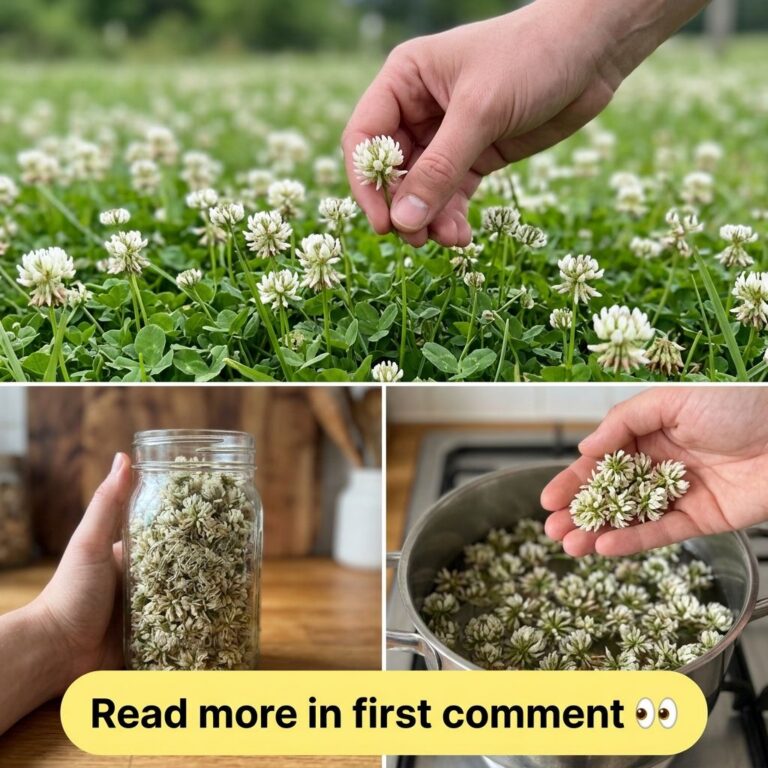
White clover is a perennial plant native to Europe and Asia but now found worldwide. It’s easily recognizable by its three-lobed leaves (and the occasional lucky four-leaf clover!) and its spherical, white flower heads. Often seen in lawns, pastures, and disturbed ground, its accessibility makes it an ideal plant for DIY remedies.
Historically, the flowers and leaves have been used for various purposes, particularly for their soothing and cleansing properties. It’s a mild herb, making it a good starting point for those new to herbal preparations.
Fresh vs. Dried: What’s Best?
The choice between fresh and dried white clover depends largely on your intended use and storage needs.
- Fresh Clover: Ideal for immediate use, such as making a poultice or a fresh infusion. It retains more volatile compounds and moisture.
- Dried Clover: Perfect for long-term storage and making teas or infusions throughout the year. Drying concentrates some compounds and prevents spoilage.
For most remedies discussed here, both fresh and dried forms can be used, with slight adjustments to quantities.
White Clover Infusion (Tea) for General Wellness
One of the simplest and most common ways to use white clover is as a soothing infusion. This ‘tea’ can be consumed or used topically as a rinse or compress.
Ingredients:
- 1-2 tablespoons fresh white clover flowers and leaves (chopped) OR 1 teaspoon dried white clover flowers and leaves
- 1 cup boiling water
Approximate Measurements:
- For fresh: roughly a handful of flowers and tender leaves.
- For dried: about a quarter to a third of what you’d use for fresh.
Formula / Recipe:
- Gather or measure your white clover.
- Place the clover in a mug or heat-safe jar.
- Pour boiling water over the clover.
- Cover and let steep.
Step-by-Step Method:
- Harvest/Measure: If using fresh, gently harvest white clover flowers and young leaves from an unsprayed area. Rinse them lightly to remove any dirt or insects. Chop them roughly to increase surface area. If using dried, measure out your material.
- Combine: Place the fresh chopped clover or dried clover into a heat-resistant mug or small pot.
- Steep: Pour 1 cup of freshly boiled water over the clover. Cover the mug/pot immediately to trap the beneficial volatile oils.
- Infuse: Let it steep for 10-15 minutes for a stronger brew. For a lighter tea, 5-7 minutes is sufficient.
- Strain: Strain the liquid through a fine-mesh sieve or cheesecloth into another clean cup, discarding the plant material.
- Cool (if topical): If using as a skin rinse or compress, allow the infusion to cool completely before application.
How to Use White Clover Infusion
- As a Tea: Drink 1 cup, up to 2-3 times a day. It has a mild, slightly sweet, earthy flavor. You can add honey or lemon if desired.
- As a Skin Rinse/Compress: Soak a clean cloth in the cooled infusion and apply it to irritated skin. Gently dab or hold the compress in place for 10-15 minutes.
How Often to Use:
For internal use, a white clover infusion can be consumed 1-3 times daily for a few weeks, then taking a break. For topical use on skin, apply 1-2 times daily as needed until improvement is seen.
How to Choose & Buy White Clover:
The best way to get white clover for remedies is to wildcraft it yourself from a clean, unsprayed area. Look for vibrant, healthy plants away from roadsides or conventionally treated lawns. If buying, look for organic dried white clover from reputable herbal suppliers.
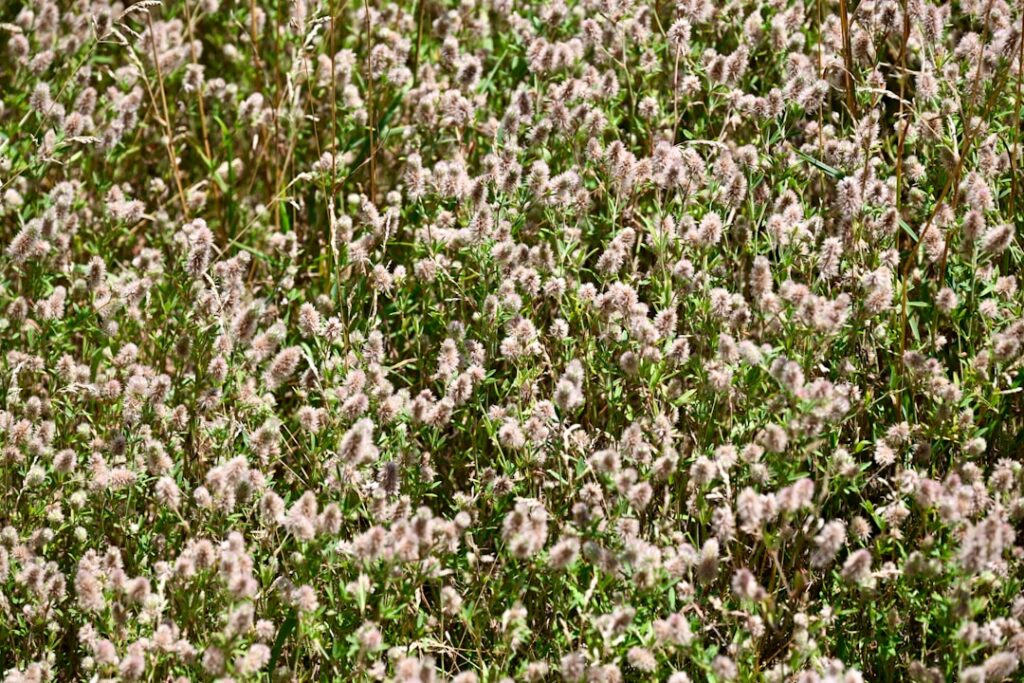
Quick Tip: When foraging, always be 100% sure of your plant identification. White clover is distinct, but similar-looking plants exist. Focus on the characteristic trifoliate leaves and white, globular flower heads.
Storage:
- Fresh Clover: Best used immediately. If you must store it briefly, wrap it loosely in a damp paper towel and place it in a plastic bag in the refrigerator for up to 1-2 days.
- Dried Clover: Once dried, store the flowers and leaves in an airtight glass jar in a cool, dark, dry place. It will remain potent for 6-12 months. Ensure it’s completely dry before storing to prevent mold.
- Prepared Infusion: Store any leftover cooled infusion in an airtight container in the refrigerator for up to 24-48 hours.
Practical Tips for Best Results:
- Use Young Flowers: The freshest, most vibrant white clover flowers and tender leaves are generally preferred for their potency.
- Avoid Metal: When making infusions, opt for glass, ceramic, or stainless steel to avoid any potential interaction with active compounds.
- Source Cleanly: This cannot be stressed enough. Never use clover that has been sprayed with herbicides or pesticides, or is growing in contaminated soil.
Common Mistakes to Avoid:
- Not Covering the Infusion: Essential volatile compounds can escape with steam if the mug isn’t covered during steeping, reducing potency.
- Boiling the Herb: Never boil white clover. High heat can destroy delicate compounds. Always pour boiling water over the herb, then let it steep.
- Using Sprayed Plants: Harvesting from lawns or fields that use chemical treatments will introduce unwanted toxins into your remedy.
- Improper Drying: If drying your own, ensure thorough drying to prevent mold. Spread plants in a single layer in a well-ventilated, dark area.
Cautions / Who Should Avoid It:
White clover is generally considered mild and safe for most people when used in moderation. However, there are a few considerations:
- Pregnancy/Breastfeeding: Due to a lack of sufficient research, pregnant or breastfeeding individuals should consult a healthcare professional before using white clover internally.
- Blood Thinners: White clover contains small amounts of coumarins, which can have mild blood-thinning effects. If you are on anticoagulant medications, consult your doctor.
- Allergies: If you have allergies to other plants in the pea family (Fabaceae), you might be sensitive to white clover. Discontinue use if you experience any adverse reactions.
- Children: Use caution with very young children and always consult a pediatrician first.
Quick Summary:
- Best Preparation: Infusion (tea) for both internal and topical use.
- Best Use-Case: General wellness, mild skin irritations.
- Storage: Fresh in fridge for 1-2 days; dried in airtight jar for 6-12 months. Infusion refrigerated for 24-48 hours.
- When to Use: As needed for minor issues, or regularly for general support.
- What to Avoid: Sprayed plants, boiling the herb, not covering infusion.
FAQ:
- Can I use only the flowers or only the leaves?
Yes, both contain beneficial compounds, but using a mix of both flowers and young leaves is common and effective. - How long does fresh white clover last?
Fresh clover is best used immediately. It can be stored for 1-2 days in the refrigerator if wrapped correctly, but quality diminishes quickly. - Can I freeze white clover?
While technically possible, freezing is not typically recommended as it can alter the texture and potency for making infusions. Drying is a better long-term preservation method. - Is white clover safe for pets?
While generally considered non-toxic, large quantities can cause issues in grazing animals. Consult a vet before offering any herbal remedies to pets. - What does white clover tea taste like?
It has a very mild, slightly sweet, earthy, and sometimes grassy flavor. It’s not typically bitter. - Can I make a stronger infusion?
You can increase the amount of plant material or steep for a longer period (up to 30 minutes), but be aware that it might intensify the flavor.
You may also like: The Forgotten Uses of Dandelion Leaf: More Than Just a Weed
Read more: DIY Soothing Herbal Compresses for Everyday Aches
Conclusion:
White clover is far more than just a common ground cover. With its gentle properties and widespread availability, it’s an accessible and effective plant for simple home remedies. By understanding how to properly harvest, prepare, and use it, you can easily integrate this overlooked wildflower into your natural health routine. Remember to always prioritize clean sourcing and proper preparation to get the most from this humble, yet powerful, plant.