Hello, fellow garden enthusiasts! Ever stood in your garden, peering at a tiny creature, and wondered, ‘Are you a friend or a foe?’ It’s a common dilemma. Understanding the difference between beneficial insects and harmful pests is one of the most powerful ‘secret weapons’ a gardener can possess. It helps you work with nature, not against it, leading to a healthier, more vibrant garden without relying on harsh chemicals.
Think of your garden as a miniature ecosystem, bustling with life. Many of these tiny residents are actually your partners, diligently working to protect your plants and enrich your soil. Others, however, are there for a quick meal at your plants’ expense. Let’s dive in and learn how to tell the good bugs from the bad bugs, and what simple steps you can take to encourage your garden allies and gently deter the troublemakers.
Meet Your Garden’s Best Friends: The Beneficial Bugs
These are the unsung heroes of your garden, often tiny but mighty. They play crucial roles, from pollinating your flowers to feasting on the very pests that try to munch on your precious plants. Learning to recognize and welcome them is a game-changer for organic gardening.
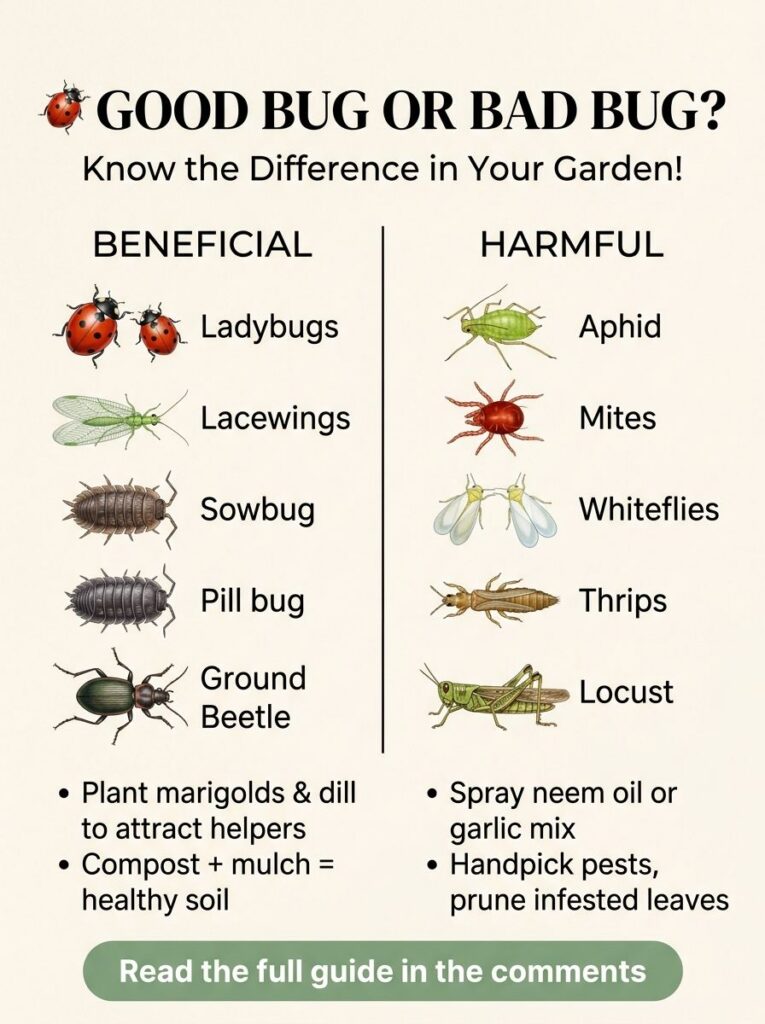 Knowing the difference between garden friends and foes is the first step to a thriving garden!
Who Are They and What Do They Do?
- Ladybugs (Lady Beetles): These iconic red-and-black dotted beauties are voracious eaters of aphids, mites, and other soft-bodied pests. Their larvae are even hungrier than the adults!
- Lacewings: With their delicate, lacy wings, adult lacewings are charming, but it’s their larvae, often called ‘aphid lions,’ that are the true garden warriors. They love to munch on aphids, mealybugs, thrips, and whiteflies.
- Sowbugs & Pill Bugs (Roly-polies): Often mistaken for pests, these little crustaceans are actually decomposers. They help break down decaying organic matter, returning valuable nutrients to your soil. While they might occasionally nibble on very tender seedlings, their primary role is beneficial.
- Ground Beetles: These dark, fast-moving beetles are nocturnal hunters, preying on slugs, snails, cutworms, and other soil-dwelling pests. They are a fantastic clean-up crew for your garden floor.
How to Attract and Keep Your Garden Helpers
Encouraging beneficial insects is often about providing them with what they need: food (pests!), shelter, and nectar. Here are some neighborly tips:
- Plant a Diversity of Flowers: Certain plants, especially those with small, open flowers, are excellent for attracting beneficials. Marigolds and dill, as well as calendula, cosmos, and sunflowers, provide nectar and pollen for adult beneficial insects, ensuring they stick around to lay eggs.
- Embrace a Healthy Soil: ‘Compost + mulch = healthy soil’ isn’t just a catchy phrase; it’s a foundational truth! Healthy soil supports a rich microbial life, which in turn supports a diverse ecosystem above ground. Mulch also provides shelter for ground beetles and other soil dwellers.
- Avoid Broad-Spectrum Pesticides: These chemicals don’t discriminate. They kill the good bugs right along with the bad, disrupting your garden’s natural balance. Opt for targeted, organic solutions only when absolutely necessary.
- Provide Water: A shallow dish with pebbles or a bird bath can offer a much-needed drink for tiny insects.
Dealing with the Unwanted Guests: Identifying and Managing Harmful Pests
Even with a garden full of beneficials, some pests might still try to move in. The key is early detection and gentle, consistent management, rather than letting them take over.
Who Are They and What Damage Do They Cause?
- Aphids: These tiny, soft-bodied insects come in various colors (often green, black, or red) and cluster on new growth, sucking sap and distorting leaves and flowers. They also excrete ‘honeydew,’ a sticky substance that can lead to sooty mold.
- Mites (Spider Mites): Barely visible to the naked eye, these tiny arachnids cause stippling (tiny dots) on leaves and can create fine webbing. They thrive in hot, dry conditions and can quickly devastate plants.
- Whiteflies: Small, white, moth-like insects that flutter up in a cloud when disturbed. Like aphids, they suck sap and excrete honeydew, weakening plants.
- Thrips: Tiny, slender insects that scrape plant tissue, leaving silvery streaks on leaves and distorted flowers. They can also transmit plant viruses.
- Locusts (Grasshoppers): Larger, jumping insects that can cause significant damage by chewing large holes in leaves, stems, and even fruits. They can be especially problematic in large numbers.
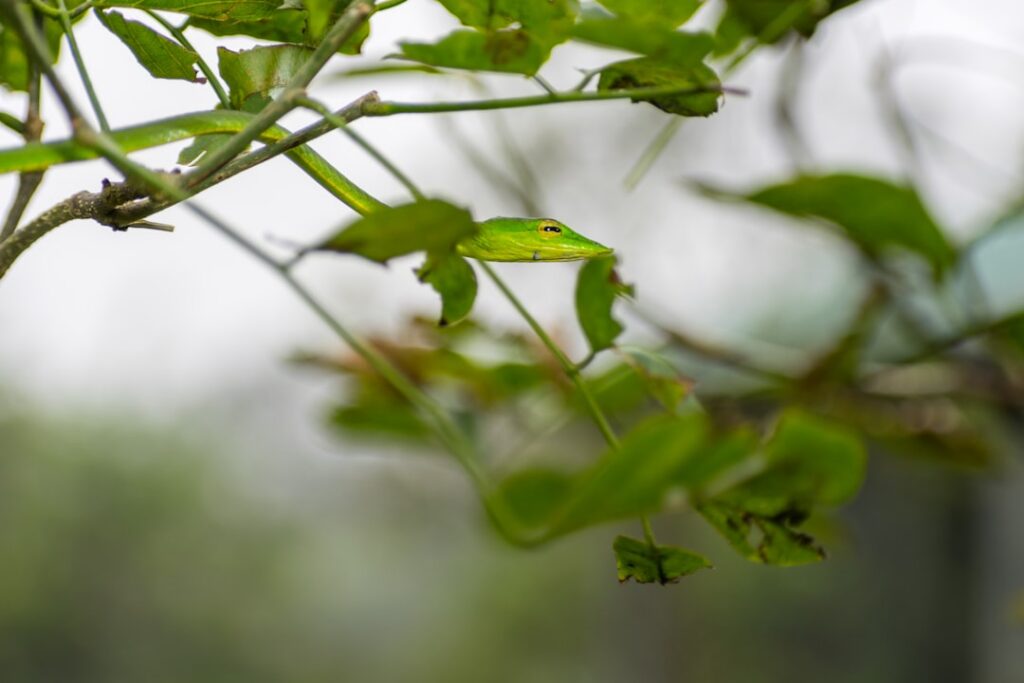 Learning to spot pest damage early can save your plants!
Gentle Ways to Manage Pests
When you spot harmful pests, don’t despair! There are many organic, gentle methods to help your plants recover and prevent future infestations:
- Handpicking: For larger pests like grasshoppers, slugs, or even clusters of aphids, a simple daily ‘patrol’ and handpicking can be very effective. Drop them into a bucket of soapy water.
- Pruning Infested Leaves: If only a few leaves or a branch are heavily infested, sometimes the easiest solution is to carefully prune off and dispose of the affected parts. This stops the spread and gives your plant a fresh start.
- Strong Water Spray: A good blast of water from your hose can dislodge many soft-bodied pests like aphids and spider mites from your plants. Do this in the morning so the leaves have time to dry.
- Organic Sprays: For tougher infestations, natural solutions can help. Neem oil is a fantastic organic option that disrupts insect feeding and reproduction. A simple garlic mix spray (garlic water or a diluted garlic oil spray) can also act as a repellent. Always test on a small part of the plant first.
- Companion Planting: Some plants naturally deter pests. For example, planting onions or chives near carrots can deter carrot rust flies.
Cultivating a Balanced Garden Ecosystem
Beyond identifying individual bugs, the most sustainable approach is to foster a balanced ecosystem in your garden. This means:
- Observation is Key: Spend time in your garden every day. Observe what’s growing, who’s visiting, and any signs of trouble. Early detection makes management much easier.
- Soil Health First: A healthy soil leads to healthy, resilient plants that are better able to withstand pest pressure. Keep feeding your soil with compost and organic matter.
- Embrace Imperfection: A truly organic garden might have a few chewed leaves here and there, and that’s okay! It’s a sign that nature is at work.
Wrapping Up Our Garden Chat
Gardening is a journey of continuous learning, and understanding the insect world in your backyard is a huge step toward becoming a more confident and successful grower. By welcoming beneficial insects and using gentle, organic methods to manage pests, you’re not just growing plants; you’re cultivating a thriving, sustainable sanctuary. So, grab your magnifying glass, spend some time observing, and enjoy the intricate dance of life happening right there in your garden. Happy gardening!