Hey there, fellow garden lovers! Have you ever dreamed of a garden that bursts with color, not just for a season, but year after year? A place where vibrant blooms greet you without the fuss of replanting every spring? Well, friend, you’re in for a treat! Today, we’re diving into the wonderful world of perennials – those trusty plants that come back to dazzle us with their beauty, season after season.
Perennials are like old friends; they return each year, often growing bigger and better, becoming true anchors in your garden landscape. They’re a fantastic choice for anyone looking to add lasting charm and reduce gardening chores. Imagine sipping your morning coffee surrounded by a kaleidoscope of hues, knowing these beauties will reliably return. That’s the magic we’re talking about!
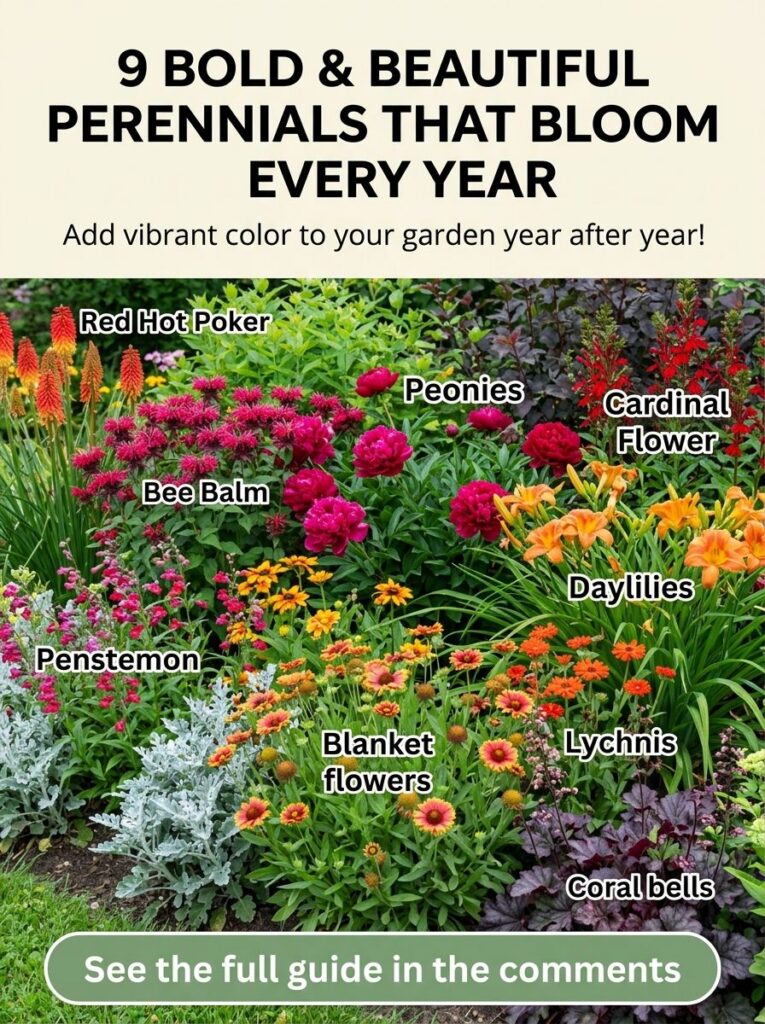 Discover these nine stunning perennials that will bring consistent color to your garden.
Why Perennials are Garden Superstars
Before we meet our colorful cast of characters, let’s chat about why perennials are such a valuable addition to any garden, from a small urban patch to a sprawling homestead:
- Long-Term Beauty: Once established, they return every year, saving you time and money on annual replanting.
- Established Roots: Their deep root systems make them more resilient to varying weather conditions and often more drought-tolerant.
- Mature Growth: With each passing year, perennials often grow larger, creating more impactful displays and filling out your garden beds beautifully.
- Support for Pollinators: Many perennials provide consistent food sources for bees, butterflies, and hummingbirds.
Meet Your New Garden Friends: 9 Perennials for Continuous Beauty
Now, let’s introduce you to some truly bold and beautiful perennials that promise to add vibrant splashes of color to your landscape. We’ll touch on what makes them special and how to help them thrive in your own patch of earth. (Always check your specific USDA growing zone for best results!)
1. Red Hot Poker (Kniphofia)
With their fiery, torch-like blooms in shades of red, orange, and yellow, Red Hot Pokers are sure to ignite interest in your garden. They’re excellent for adding vertical drama and attracting hummingbirds. These sun-loving beauties thrive in well-drained soil and are quite drought-tolerant once established. They do best in USDA Zones 5-9.
2. Bee Balm (Monarda)
As its name suggests, Bee Balm is a magnet for bees, butterflies, and other beneficial pollinators! Its unique, shaggy blooms come in shades of red, pink, purple, and white. This North American native prefers full sun to partial shade and consistently moist, well-drained soil. It’s a fantastic choice for Zones 4-9 and can help support local ecosystems.
3. Peonies (Paeonia)
Ah, Peonies! Their lush, fragrant, dinner-plate-sized blooms are a classic sign of early summer. Available in a spectrum of colors from pure white to deep fuchsia, they are incredibly long-lived and can thrive for decades. Peonies love full sun and well-drained soil. Plant them in Zones 3-8 and be patient; they can take a few years to establish but are well worth the wait.
4. Penstemon (Beard Tounge)
Penstemons offer elegant, bell-shaped flowers on tall spikes, attracting hummingbirds with their vibrant hues of pink, purple, red, and blue. They’re incredibly diverse, with varieties suited for various climates. Generally, they prefer full sun and well-drained soil, tolerating some drought. Many species do well in Zones 3-9.
5. Blanket Flower (Gaillardia)
These cheerful, daisy-like flowers, often in shades of red, orange, and yellow with contrasting tips, resemble cozy blankets covering your garden. Blanket flowers are exceptionally tough, loving full sun and dry, sandy soil. They’re a perfect choice for hot, dry areas and bloom for a very long period, often from early summer until frost. Suitable for Zones 3-10.
6. Lychnis (Catchfly)
Lychnis, particularly the fiery ‘Maltese Cross’ variety, electrifies the garden with intense scarlet-orange blooms. Other varieties offer softer pinks or whites. These striking plants enjoy full sun to partial shade and well-drained soil. They are generally low-maintenance and can reseed readily. Most varieties thrive in Zones 3-8.
7. Daylilies (Hemerocallis)
Daylilies are the epitome of easy-care beauty. While individual blooms last only a day, each plant produces a continuous succession of flowers, offering a long season of color. They come in an astonishing array of colors, sizes, and forms. Daylilies are incredibly adaptable, growing in full sun to partial shade and almost any soil type. They are hardy in Zones 3-9.
8. Cardinal Flower (Lobelia cardinalis)
For a truly dramatic splash of red, the Cardinal Flower is unparalleled. Its intensely scarlet blooms on tall spikes are irresistible to hummingbirds. This native perennial prefers moist soil and full sun to partial shade, often found naturally in wet meadows or along stream banks. It’s a wonderful addition to rain gardens or moist borders in Zones 3-9.
9. Coral Bells (Heuchera)
While Coral Bells do produce delicate bell-shaped flowers, their true showstopper is their incredible foliage. Leaves come in an astounding range of colors – lime green, deep purple, amber, silver, and often with intricate veining. They prefer partial shade and well-drained soil, making them perfect for brightening up shadier spots in your garden. Most varieties are hardy in Zones 4-9.
Making Your Perennials Thrive: Essential Care Tips
Now that you’ve picked your favorites, let’s talk about some general wisdom for keeping your perennial garden happy and healthy. Remember, a little care goes a long way!
Preparing Your Soil Right
Good soil is the foundation of a thriving garden. Most perennials prefer well-drained soil, rich in organic matter. Before planting, amend your soil with compost or well-rotted manure. This improves drainage, aeration, and provides a slow release of nutrients, setting your plants up for success.
Watering Wisdom
While established perennials are generally more tolerant of dry spells than annuals, they still need proper watering, especially during their first year. Water deeply and consistently, encouraging roots to grow down rather than staying at the surface. Aim to water the soil, not the foliage, to help prevent fungal diseases.
The Magic of Mulch
Applying a 2-3 inch layer of organic mulch (like wood chips, straw, or shredded leaves) around your perennials is like giving them a cozy blanket. Mulch helps retain soil moisture, suppresses weeds, regulates soil temperature, and enriches the soil as it breaks down. Just remember to keep mulch a few inches away from the plant stems to prevent rot.
 A good layer of mulch helps keep your perennial beds healthy and happy.
Dividing for Vigor
After a few years, some perennials can become overcrowded, leading to fewer blooms or weaker growth. This is when dividing comes in handy! Typically done in spring or fall, dividing involves digging up the plant, splitting the root ball into smaller sections, and replanting them. This rejuvenates the parent plant and gives you new plants to share or spread around your garden!
Pruning and Deadheading
Many perennials benefit from deadheading – removing spent flowers. This often encourages more blooms and prevents the plant from putting energy into seed production. For some plants, a more significant pruning, like cutting back faded foliage in late fall or early spring, helps maintain tidiness and encourages fresh new growth.
Designing Your Dream Perennial Garden
Thinking about how these beautiful plants fit together can be half the fun! Consider these tips when planning your perennial paradise:
- Vary Heights: Place taller plants at the back of beds and shorter ones towards the front to create depth and ensure all plants get enough light.
- Consider Bloom Times: Choose a mix of early, mid, and late-season bloomers to ensure continuous color throughout the growing season.
- Color Palettes: Experiment with complementary colors for a vibrant look or analogous colors for a more serene feel.
- Texture and Form: Mix broad leaves with fine foliage, and spiky forms with mounding shapes, to add interest even when plants aren’t in bloom.
Bringing It All Together
Creating a garden filled with bold and beautiful perennials is one of the most rewarding gardening endeavors. With a little planning and these practical tips, you can enjoy a landscape that offers stunning color and life year after year. It’s about building a sustainable practice that deepens your connection with nature and brings joy to your daily routine.
So, why not start dreaming up your perennial paradise today? Pick a few of these resilient beauties, give them a good home, and watch your garden transform into a vibrant haven that truly keeps on giving!