Have you ever wondered what’s truly happening beneath the surface of your garden? While we often focus on what we can see – vibrant flowers, lush foliage, and ripening vegetables – a whole hidden world thrives underground, profoundly influenced by one simple garden practice: mulching!
Mulch isn’t just about making your garden look tidy or suppressing weeds. It’s a powerhouse for soil health, creating a microclimate that benefits roots, encourages beneficial organisms, and conserves precious resources. Let’s dive deep into the ‘Underground Effect’ of different types of mulch and discover how they transform your soil from the ground up.
The Incredible Benefits of Mulch
Before we explore individual types, let’s briefly recap why mulch is a gardener’s best friend:
- Moisture Retention: Mulch acts as a blanket, reducing water evaporation from the soil. This means less watering for you and happier plants!
- Temperature Regulation: It insulates the soil, keeping it cooler in summer and warmer in winter, protecting delicate roots from extreme temperatures.
- Weed Suppression: A thick layer of mulch blocks sunlight, preventing weed seeds from germinating and outcompeting your plants for nutrients.
- Soil Enrichment: Organic mulches break down over time, adding valuable organic matter and nutrients to your soil, improving its structure and fertility.
- Erosion Control: Mulch protects the soil surface from the impact of rain and wind, preventing soil erosion.
- Pest Control: Some mulches can deter certain pests, while others provide habitat for beneficial insects.
Exploring Different Mulch Types and Their Underground Effects
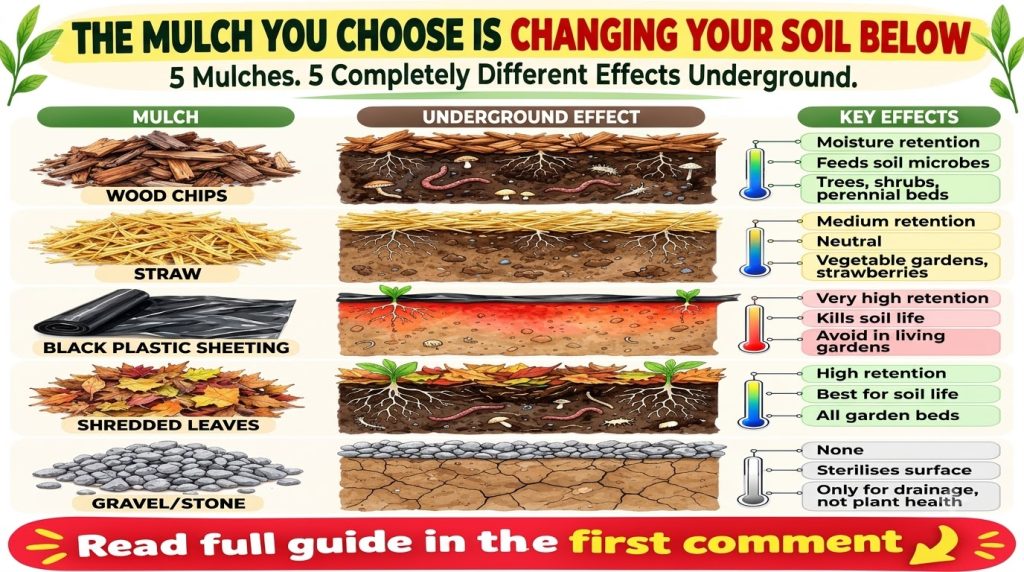
1. Wood Chips
Wood chips are a classic choice, often made from chipped tree branches and trunks. They are durable and excellent for long-term use in perennial beds, around trees, and in pathways.
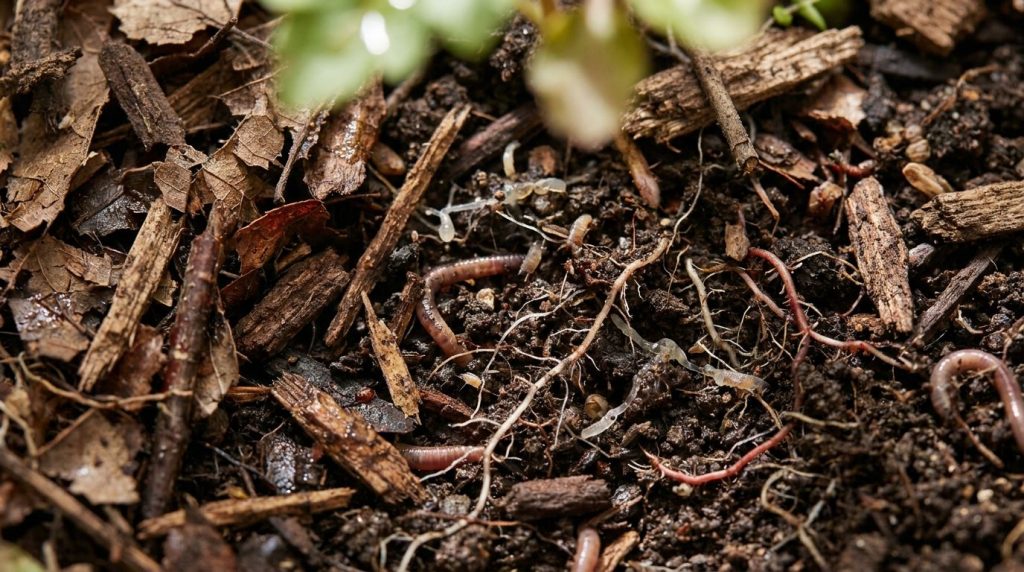
- Underground Effect: Wood chips decompose slowly, gradually releasing nutrients into the soil. They are fantastic for moderating soil temperature and retaining moisture. They also encourage a thriving community of fungi and beneficial microbes, which help break down organic matter and cycle nutrients.
- Best For: Shrubs, trees, perennial beds, and pathways.
- Pros: Long-lasting, attractive, excellent weed suppression, good insulation.
- Cons: Can temporarily tie up nitrogen as they decompose (a thin layer of compost underneath can counteract this), may attract termites if piled too thick against structures.
2. Straw
Often confused with hay, straw is the dry stalks of cereal grains like wheat or oats after the grain has been removed. It’s typically light yellow and relatively lightweight.
- Underground Effect: Straw is fantastic for moisture retention and keeping soil cool. As it breaks down, it enriches the soil with organic matter, improving its structure and feeding earthworms and microbial life. Its loose structure also allows good air circulation to the soil.
- Best For: Vegetable gardens, annual beds, and strawberry patches.
- Pros: Excellent temperature regulation, good moisture retention, adds organic matter, affordable, easy to apply and remove.
- Cons: Can blow away in windy conditions, may contain some weed seeds (look for certified weed-free straw), less aesthetic for formal gardens.
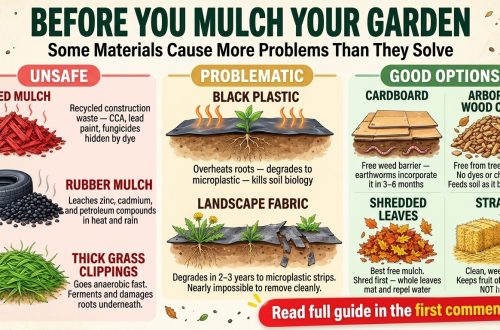
3. Black Plastic Sheeting
Black plastic sheeting is an inorganic mulch primarily used for warmth and weed control, especially in vegetable gardens.
- Underground Effect: Black plastic excels at absorbing and retaining solar heat, significantly warming the soil underneath. This is great for heat-loving crops. It also provides excellent weed suppression and prevents moisture evaporation. However, it can restrict air and water penetration into the soil and doesn’t add organic matter. It tends to suppress beneficial soil life due to lack of organic input and potential overheating.
- Best For: Heat-loving vegetables like tomatoes, peppers, melons, and cucumbers.
- Pros: Excellent weed control, significant soil warming, good moisture retention.
- Cons: Doesn’t improve soil structure or add nutrients, can overheat roots if not managed, not breathable, contributes to plastic waste, needs to be removed.
4. Shredded Leaves
Nature’s own mulch, shredded leaves are easy to come by in autumn and a fantastic way to recycle yard waste.
- Underground Effect: Shredded leaves are a powerhouse for soil health. They break down relatively quickly, adding a rich supply of organic matter, improving soil structure, and feeding a vast network of beneficial microbes and earthworms. They also retain moisture wonderfully and regulate soil temperature effectively.
- Best For: Nearly all garden types, especially vegetable beds, flower beds, and around shrubs.
- Pros: Free and abundant, excellent soil amendment, great moisture retention, improves soil structure, encourages soil life.
- Cons: Can mat down if not shredded (reducing air/water flow), may blow away if not partially incorporated or covered.
5. Gravel/Stone
Inorganic mulches like gravel and stone are popular for their permanence, aesthetics, and in specific planting schemes.
- Underground Effect: Gravel and stone mulches do not decompose, so they add no organic matter or nutrients to the soil. They are excellent for suppressing weeds and preventing erosion. However, they absorb and radiate heat, which can significantly raise soil temperatures, making them suitable for drought-tolerant or heat-loving plants. They offer no temperature moderation against cold. They don’t encourage the same type of microbial activity as organic mulches.
- Best For: Rock gardens, xeriscaping, pathways, and around plants that prefer hot, dry conditions.
- Pros: Permanent, excellent weed control, aesthetically pleasing in certain designs, good for drainage.
- Cons: Doesn’t add nutrients or improve soil structure, can make soil too hot for some plants, can be difficult to remove, expensive to install, less hospitable for beneficial soil organisms compared to organic mulches.
Choosing the Right Mulch for Your Garden
The best mulch depends on your specific needs, plants, and climate:
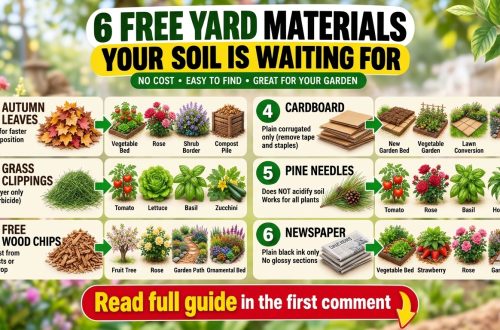
- For **vegetable gardens**, straw, shredded leaves, or compost are excellent choices for soil enrichment and moisture.
- For **perennial beds and around trees**, wood chips offer long-lasting benefits and a neat appearance.
- For **heat-loving plants** in cooler climates, black plastic can give them a head start.
- For **rock gardens or dry-climate landscaping**, gravel or stone can be ideal.
Always consider the purpose of your mulch. Are you looking to build soil health, conserve water, suppress weeds, or regulate temperature? Knowing your goals will guide you to the perfect choice.
The Bottom Line
Mulching is a foundational practice for any gardener looking to cultivate a thriving, healthy garden. By understanding the unique ‘Underground Effect’ of different mulches, you can make informed decisions that will nourish your soil, support your plants, and simplify your gardening tasks. So go ahead, give your garden the blanket it deserves, and watch the hidden world beneath your feet come to life!