
Most people walk right past it, dismissing it as just another roadside weed. But for those in the know, this common wild plant with its fuzzy leaves and bright yellow flowers is a true herbal treasure. While its majestic flower stalk captures attention, it’s the leaves and flowers that herbalists value most for a simple, soothing remedy: mullein tea.
What It Is: The Overlooked Mullein Plant
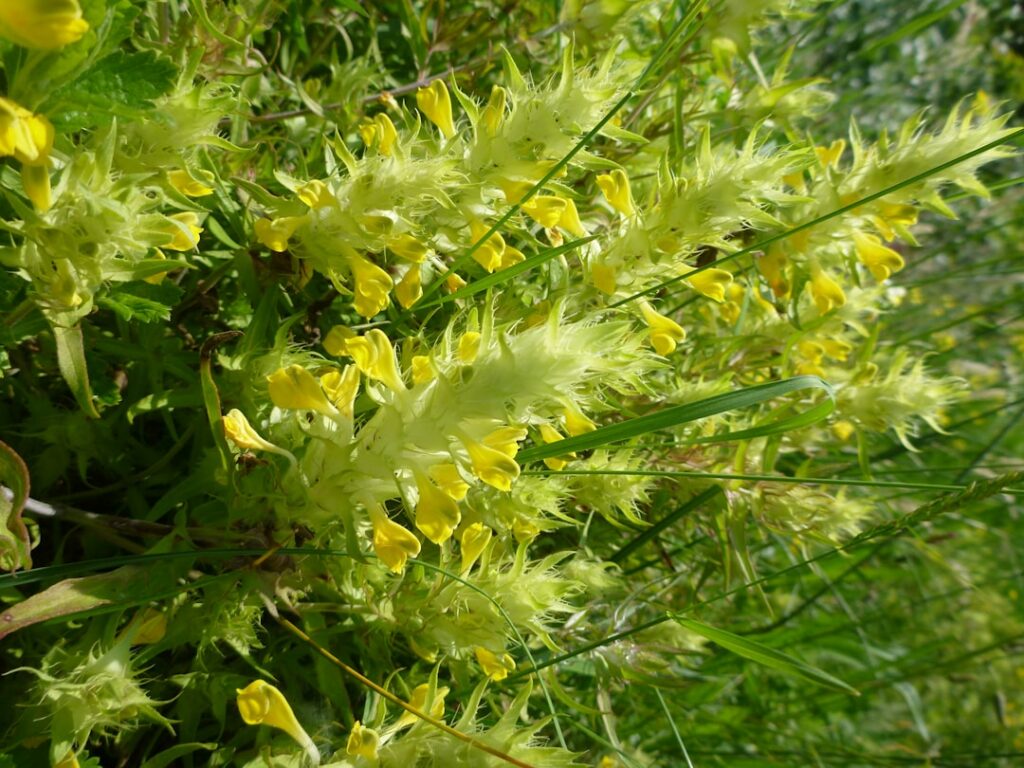
The plant we’re talking about is Common Mullein (Verbascum thapsus). You’ve probably seen its distinctive rosettes of large, soft, velvety leaves growing in disturbed soils, along roadsides, and in open fields. In its second year, it sends up a tall, straight stalk, sometimes reaching several feet high, adorned with numerous yellow flowers.
Historically, various parts of the mullein plant have been used in traditional practices across continents. Its soft, absorbent leaves were even used as lamp wicks and insulation. But it’s the gentle, soothing properties of its leaves and flowers, especially when prepared as a tea, that make it a favorite among natural remedy enthusiasts. It’s a simple plant with a surprising array of traditional uses, often overlooked in our modern world.
Ingredients for Your Mullein Tea
Making your own mullein tea is incredibly straightforward. The key is quality ingredients.
- Mullein Leaves and/or Flowers: You can use either fresh or dried. Leaves are more abundant, while flowers are often considered more potent, though harder to gather in large quantities.
- Water: Filtered water is always recommended for the best taste and purity.
- Optional Sweetener: Honey, maple syrup, or stevia, if desired.
Approximate Measurements
Getting the ratio right ensures a pleasant and effective tea.
- For Dried Mullein: 1 to 2 teaspoons of dried leaves and/or flowers per 8 ounces (1 cup) of water.
- For Fresh Mullein: 1 tablespoon of chopped fresh leaves and/or flowers per 8 ounces (1 cup) of water.
- Honey (Optional): 1 teaspoon per cup, or to taste.
Quick Tip: The fuzzy hairs on mullein leaves can be irritating if ingested. A proper straining method is crucial to remove them.
Formula & Step-by-Step Method: Brewing Your Mullein Tea
The process is simple, but precision matters for a smooth, enjoyable brew.
- Gather Your Mullein: If using fresh, gently rinse the leaves and flowers under cool water to remove any dirt or insects. Roughly chop the leaves if they are large.
- Heat the Water: Bring your filtered water to a boil.
- Combine & Steep: Place the dried or fresh mullein material in a mug or teapot. Pour the hot water over the mullein.
- Cover: Cover your mug or teapot to prevent the volatile compounds from escaping with the steam. Steep for 10-15 minutes. For a stronger brew, you can steep a little longer, but avoid excessive bitterness.
- The Crucial Strain: This is the most important step! Use a fine-mesh strainer, a coffee filter, or even a cheesecloth-lined strainer to filter out the plant material. The fine hairs on mullein leaves can cause throat irritation if not properly removed. Strain twice if necessary to ensure a smooth liquid.
- Sweeten & Enjoy: Add honey or your preferred sweetener if desired. Sip slowly and enjoy the gentle, earthy flavor of your homemade mullein tea.
Did You Know? The scientific name Verbascum is believed to come from the Latin word ‘barbascum,’ meaning ‘bearded plant,’ referring to its characteristic fuzzy leaves.
How to Use Your Mullein Tea
This tea is best enjoyed warm. It offers a mild, slightly earthy flavor. Many people find it a comforting drink, especially when they’re seeking a natural, soothing infusion.
How Often to Use
For general wellness, you can enjoy 1-3 cups of mullein tea per day. Listen to your body and adjust as needed. It’s generally considered a gentle herb for regular use.
How to Buy / How to Choose Ingredients
Sourcing your mullein can be done in two main ways:
- Foraging: If you choose to forage, ensure you can positively identify mullein. Harvest from clean, unpolluted areas, far from roadsides or industrial sites where herbicides or pesticides might be used. Take only what you need, leaving plenty for the plant to thrive. The best time to harvest leaves is before the plant flowers, and flowers are best harvested when they are fully open.
- Buying Dried Mullein: Purchase dried mullein leaves and/or flowers from reputable herbal suppliers. Look for organic or wild-harvested sources to ensure purity.
Common Mistake: Confusing mullein with other fuzzy-leaved plants. Always be 100% certain of your identification if foraging.
Storage
- Dried Mullein: Store dried mullein leaves and flowers in an airtight container in a cool, dark, dry place. It can retain potency for up to 1 year.
- Prepared Tea: Mullein tea is best consumed fresh. If you have leftovers, store them in a sealed container in the refrigerator for up to 24 hours. Reheat gently before drinking.
Practical Tips for Best Results
- Double Strain: Don’t skip this. Use a fine-mesh strainer and a coffee filter for extra assurance against irritating hairs.
- Combine with Other Herbs: Mullein pairs well with other gentle herbs like peppermint or ginger for added flavor and complementary properties.
- Forage Responsibly: If you’re harvesting your own, learn about sustainable harvesting practices in your area.
Common Mistakes to Avoid
- Improper Straining: As mentioned, not adequately straining can lead to an irritating sensation in the throat.
- Harvesting from Polluted Areas: Mullein absorbs substances from its environment, so avoid areas exposed to chemicals.
- Over-Boiling: Boiling the mullein itself can degrade some of its delicate compounds. Always pour hot water over the herb after removing from heat.
- Incorrect Identification: Foraging requires careful attention to detail. If in doubt, do not consume.
Cautions / Who Should Avoid It
While mullein is generally considered safe for most people, it’s always wise to exercise caution.
- Pregnancy and Breastfeeding: There isn’t enough reliable information to know if mullein is safe to use during pregnancy or while breastfeeding. It’s best to avoid it.
- Allergies: Individuals with known allergies to plants in the figwort family (Scrophulariaceae) should use mullein with caution.
- Medication Interactions: If you are taking any medications, consult with a healthcare professional before incorporating mullein tea into your routine, especially if you have chronic conditions.
Read more: A Beginner’s Guide to Safe Foraging Practices
Fresh vs. Dried Mullein: A Comparison
| Feature | Fresh Mullein | Dried Mullein |
|---|---|---|
| Availability | Seasonal, requires foraging | Year-round, can be purchased |
| Preparation | Rinse, chop (more bulk) | Ready to use (less bulk) |
| Potency | Slightly milder taste, some compounds might be more volatile | More concentrated flavor, stable compounds |
| Storage | Very short (a few days refrigerated) | Long-term (up to 1 year in airtight container) |
Quick Summary: Your Mullein Tea Guide
- Best Preparation: Infusion (steep in hot water, don’t boil).
- Best Use-Case: A soothing, comforting herbal tea.
- Storage: Dried mullein in airtight containers for up to a year; prepared tea for 24 hours in the fridge.
- When to Use: As needed, up to 3 times daily.
- What to Avoid: Improper straining (irritating hairs), foraging from polluted areas, use during pregnancy/breastfeeding without medical advice.
Related remedy: DIY Soothing Herbal Steam for Wellness
FAQ
- Can I use fresh mullein instead of dried? Yes, you can. Use about 1 tablespoon of chopped fresh leaves/flowers per cup of water, and ensure thorough straining.
- How long does mullein tea last? It’s best consumed fresh. Leftovers can be refrigerated for up to 24 hours.
- What part of the mullein plant is best for tea? Both the leaves and flowers are commonly used. The leaves are more abundant, while the flowers are often considered more potent but harder to collect.
- Do I need to strain mullein tea? Absolutely! The fine, irritating hairs on the leaves and flowers must be strained out, ideally twice, using a fine-mesh strainer or coffee filter.
- Can I give mullein tea to children? Consult with a pediatrician or qualified herbalist before giving any herbal remedies to children.
- How often can I drink mullein tea? Generally, 1-3 cups per day is a common recommendation, but always listen to your body.
- What does mullein tea taste like? It has a mild, earthy, and slightly herbaceous flavor. It’s not usually bitter unless over-steeped.
Conclusion
The next time you see mullein growing wild, remember that it’s more than just a weed. This humble plant, with its velvety leaves and cheerful yellow blooms, holds a long history of traditional use as a soothing herbal remedy. With careful preparation, you can unlock its gentle benefits and turn a common roadside plant into a comforting, natural brew. It’s a true testament to the hidden treasures that nature offers, often right beneath our noses.