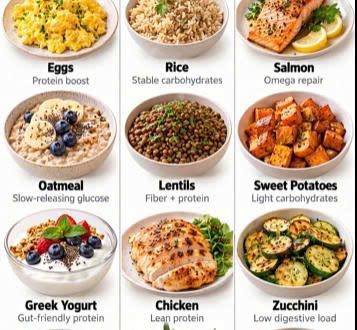
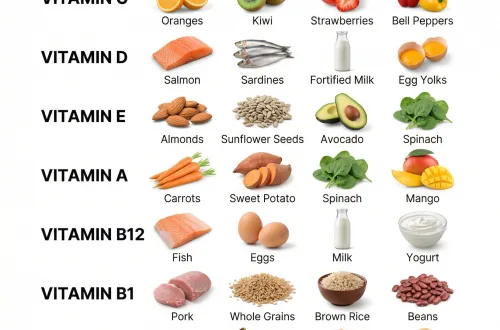
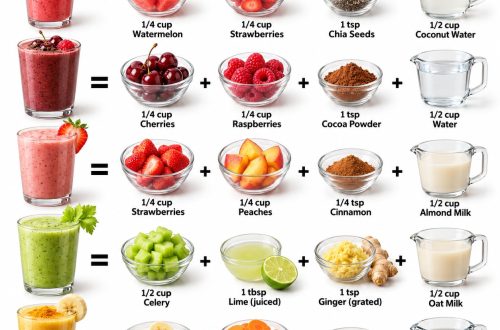
In the world of healthy eating, few questions spark as much debate as choosing the ‘best’ carbohydrate. Oats and brown rice often stand out as champions, praised for their nutritional benefits and their role in a balanced diet. But when it comes to supporting your metabolic health and achieving your wellness goals, like maintaining a healthy weight, which one truly shines? Let’s dive into the unique strengths of both and help you make an informed choice that fits your lifestyle.
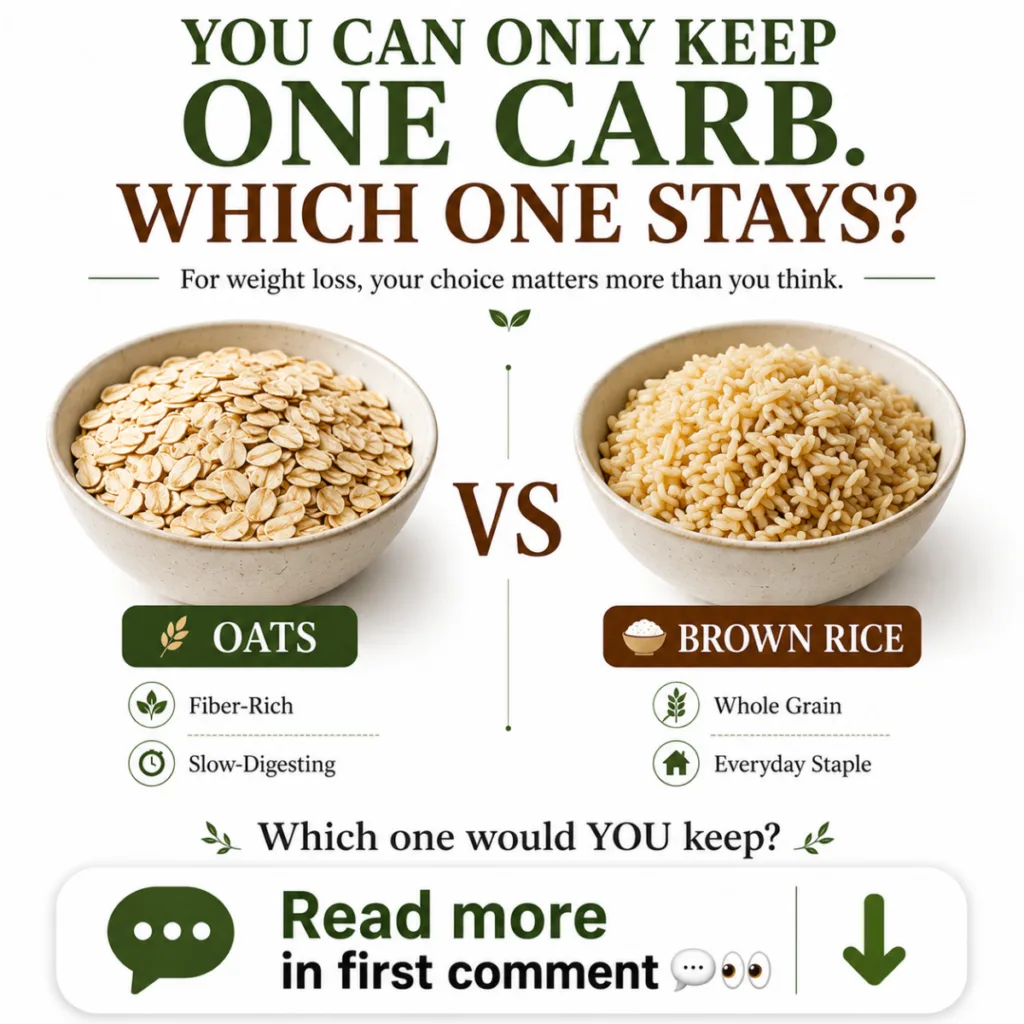 Oats and brown rice both offer significant benefits for health and weight management.
The Power of Whole Grains for Lasting Energy and Metabolic Balance
Before we pit these two nutritional powerhouses against each other, let’s remember why whole grains are so important. Unlike refined grains, whole grains retain all three parts of the grain kernel: the bran, germ, and endosperm. This means they are packed with fiber, vitamins, minerals, and antioxidants that are crucial for:
- Stable Blood Sugar: Fiber slows down sugar absorption, preventing sharp spikes and crashes.
- Sustained Energy: Complex carbohydrates provide a steady release of energy throughout the day.
- Satiety and Weight Management: Fiber helps you feel fuller for longer, reducing the likelihood of overeating.
- Gut Health: Dietary fiber promotes a healthy digestive system and feeds beneficial gut bacteria.
Spotlight on Oats: The Fiber-Rich Morning Champion
Oats, particularly rolled or steel-cut oats, are celebrated for their incredible fiber content, especially a soluble fiber called beta-glucan. This unique fiber is a game-changer for metabolic health.
Key Benefits of Oats:
- Exceptional Satiety: Beta-glucan forms a gel-like substance in your gut, which slows digestion and keeps you feeling full for hours, making them excellent for weight management.
- Blood Sugar Regulation: The slow digestion thanks to beta-glucan means a gradual rise in blood sugar, preventing the dreaded post-meal energy crash.
- Heart Health: Regular oat consumption has been linked to lower cholesterol levels.
- Digestive Health: The fiber supports regular bowel movements and a healthy gut microbiome.
Practical Tips for Enjoying Oats:
- Overnight Oats: A perfect meal prep solution! Combine rolled oats with milk (dairy or non-dairy), chia seeds, and your favorite fruits in a jar overnight.
- Savory Oats: Don’t limit oats to breakfast! Cook them with vegetable broth and top with a fried egg, sautéed greens, or roasted vegetables for a hearty lunch or dinner.
- Add to Smoothies: A spoonful of oats can add thickness and extra fiber to your morning smoothie.
- Gluten-Free Option: Ensure you choose certified gluten-free oats if you have gluten sensitivities, as oats can be cross-contaminated during processing.
 Start your day with a satisfying bowl of oats, packed with fiber and nutrients.
Spotlight on Brown Rice: The Versatile Whole Grain Staple
Brown rice is the whole grain version of white rice, meaning it still has its bran and germ layers, which are rich in fiber, B vitamins, magnesium, and other essential nutrients.
Key Benefits of Brown Rice:
- Sustained Energy Release: Its complex carbohydrates are digested slowly, providing a steady stream of energy without rapid blood sugar spikes.
- Rich in Micronutrients: Brown rice offers a good source of manganese, selenium, and magnesium, vital for various bodily functions, including metabolism.
- Culinary Versatility: It pairs well with almost any meal, making it an easy staple to incorporate into diverse diets.
- Digestive Support: Its insoluble fiber aids in promoting regular bowel movements and adds bulk to stool.
Practical Tips for Cooking and Incorporating Brown Rice:
- Perfect Batch Cooking: Cook a large batch of brown rice at the beginning of the week and use it for various meals, from stir-fries to salads.
- Ratio Matters: A common cooking ratio is 1 cup brown rice to 2 cups water/broth. Simmer, covered, until water is absorbed and rice is tender (usually 40-50 minutes).
- Flavor Enhancers: Cook your brown rice in vegetable or chicken broth instead of just water for added flavor. Add herbs like bay leaves or a pinch of garlic powder.
- Meal Ideas: Use it as a base for Buddha bowls, as a side with lean protein and vegetables, or in hearty soups and stews.
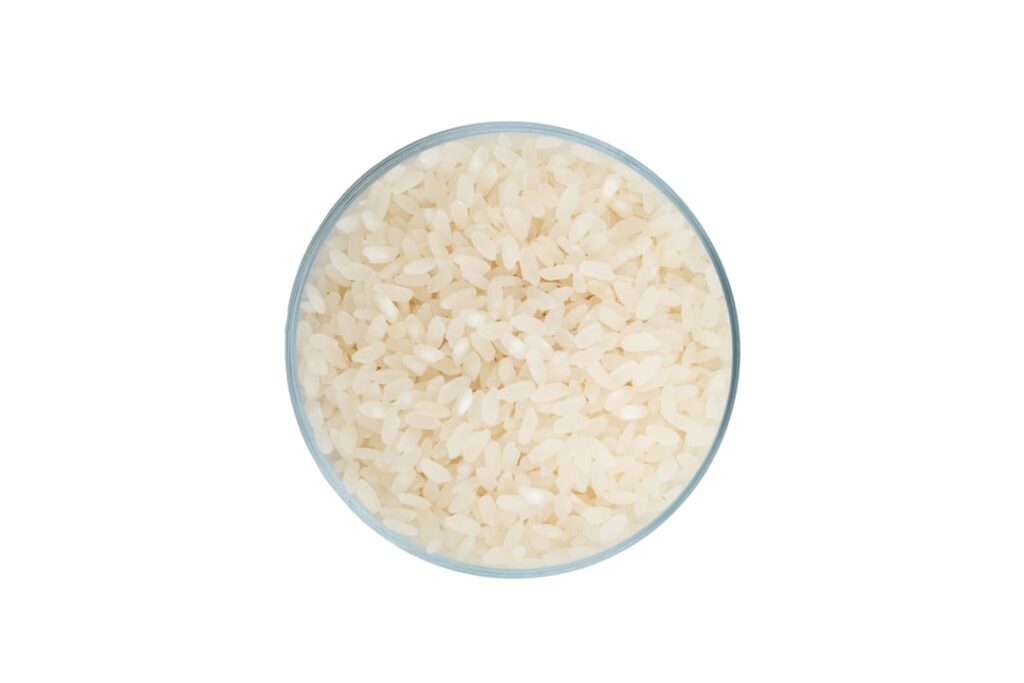 Brown rice serves as a nutritious and versatile foundation for countless healthy meals.
Oats vs. Brown Rice for Metabolic Health and Weight Management: Making Your Choice
So, which one wins the carb showdown? The truth is, both oats and brown rice are excellent choices for supporting metabolic health and weight management when consumed as part of a balanced diet.
- For Superior Satiety: Oats might have a slight edge due to their high beta-glucan content, which makes them incredibly filling. This can be particularly helpful if you struggle with hunger between meals.
- For Versatile Meal Pairing: Brown rice offers incredible versatility, easily integrating into lunch and dinner recipes without altering the flavor profile significantly.
- Both Offer Stable Blood Sugar: Both provide complex carbohydrates that help stabilize blood sugar levels, preventing the energy dips that can lead to cravings.
- Variety is Key: The best approach is often to incorporate both into your diet! Enjoy oats for breakfast and brown rice with your lunch or dinner. This way, you get a broader spectrum of nutrients and keep your meals interesting.
When considering weight management, focus on portion control and preparation methods. Both can be sabotaged by excessive toppings (for oats) or unhealthy additions (for rice). Opt for natural toppings like fruits, nuts, and seeds for oats, and lean proteins and plenty of vegetables with brown rice.
Beyond Just Oats and Brown Rice: Embracing Carb Diversity
While oats and brown rice are fantastic, remember the vast world of other healthy complex carbohydrates! Quinoa, barley, farro, sweet potatoes, and various legumes (like lentils and chickpeas) also offer incredible nutritional value and can add exciting diversity to your plate. Each provides unique combinations of fiber, vitamins, and minerals that contribute to overall well-being.
The Bottom Line: Empower Your Plate with Smart Choices
There’s no single ‘best’ carb, only the best choice for you and your specific needs. Both oats and brown rice are nutritional powerhouses that support metabolic health, provide sustained energy, and contribute to a feeling of fullness. By understanding their unique benefits and incorporating them thoughtfully into your diet, you empower yourself to make practical, health-conscious decisions that fuel your body and help you achieve your wellness goals.
Frequently Asked Questions
Q: Are quick oats as healthy as rolled oats?
A: Quick oats are pre-cooked, dried, and rolled thinner, so they cook faster. While they retain most of their nutrients, their glycemic index might be slightly higher than rolled or steel-cut oats due to less processing, leading to a slightly quicker release of sugars. For optimal blood sugar stability, rolled or steel-cut oats are generally preferred, but quick oats are still a much healthier option than many refined breakfast cereals.
Q: Can I eat brown rice every day for weight loss?
A: Yes, brown rice can be a healthy part of a daily diet for weight loss, thanks to its fiber content and ability to provide sustained energy. The key is portion control and pairing it with plenty of vegetables and lean protein to create a balanced meal that keeps you satisfied without excess calories.
Q: What’s an easy way to make oats taste better without adding sugar?
A: Enhance the flavor of oats with natural additions like berries, sliced banana, a sprinkle of cinnamon or nutmeg, a handful of chopped nuts or seeds, or a tiny splash of vanilla extract. Cooking them with milk (dairy or non-dairy) instead of just water also adds creaminess and natural sweetness.