Most people focus on the delicious fruit of the olive tree, whether it’s for culinary delights or the revered olive oil. But what if we told you that the leaves, often discarded, hold a secret power many traditional herbalists have cherished for centuries? This isn’t just a folk tale; modern research is beginning to confirm what ancient cultures always knew about the humble olive leaf. It’s a true hidden gem for supporting your circulation, immune system, and overall vitality, without needing complex preparations.
What is Olive Leaf (and Why It Matters)
Olive leaf, derived from Olea europaea, the common olive tree, is gaining recognition far beyond its Mediterranean origins. Its main active compound, oleuropein, is a powerful antioxidant believed to be responsible for many of its health-supporting properties. Traditionally, it’s been used to help maintain healthy blood pressure already within a normal range, support cardiovascular health, and bolster the body’s natural defenses.
Unlike olive oil, which contains fats, olive leaf extract and tea deliver these potent plant compounds directly. It’s a simple, natural way to tap into the olive tree’s full potential.
Ingredients for Your Olive Leaf Tea
Making a basic olive leaf infusion is incredibly simple, requiring just two core ingredients:
- Olive Leaves: You can use either fresh or dried. Dried leaves are more readily available and easier to store.
- Water: Filtered water is always recommended for the best taste and purity.
Approximate Measurements (Per Serving)
- Dried Olive Leaves: 1-2 teaspoons (about 2-4 grams)
- Fresh Olive Leaves: 3-5 medium-sized leaves, torn or chopped
- Water: 8-10 ounces (about 240-300 ml)
Formula / Recipe: Simple Olive Leaf Infusion
This recipe focuses on creating a potent yet palatable tea that maximizes the extraction of beneficial compounds without over-extracting bitter notes.
Step-by-Step Method
- Prepare Your Leaves: If using fresh leaves, rinse them thoroughly under cold water to remove any dirt or debris. Gently pat them dry, then tear or roughly chop them to expose more surface area. For dried leaves, simply measure them out.
- Heat the Water: Bring your filtered water to a near-boil, but do not let it reach a rolling boil. Aim for just before boiling, around 190-200°F (88-93°C).
- Combine & Steep: Place the prepared olive leaves in a mug or a heat-safe glass jar. Pour the hot water over the leaves.
- Cover & Infuse: Cover your mug or jar (a small plate works well) to prevent the volatile compounds from escaping with the steam. Let it steep for 10-15 minutes. For a stronger infusion, you can steep for up to 20 minutes, but be aware it might become more bitter.
- Strain & Serve: Strain the leaves out using a fine-mesh sieve or a tea infuser. Your olive leaf tea is now ready.
Quick Tip: Don’t Boil the Leaves!
Boiling olive leaves directly can destroy some of the delicate compounds and often leads to a much more bitter tea. Always pour hot water over the leaves after removing it from the direct heat.
How to Use
Drink your freshly prepared olive leaf tea warm. Many people enjoy it plain, appreciating its slightly earthy, subtly herbaceous flavor. If you find it too bitter, you can add a squeeze of lemon, a small amount of raw honey, or a slice of ginger to enhance the taste.
How Often to Use
For general wellness support, one to two cups per day is a common recommendation. It’s often best to drink it consistently rather than intermittently to experience its supportive benefits. You might choose to have one cup in the morning and another in the afternoon.
How to Buy / How to Choose Ingredients
When sourcing olive leaves, quality is key. Here’s what to look for:
- Organic Certification: This ensures the leaves haven’t been treated with harmful pesticides or herbicides, which is crucial since you’ll be consuming an extract of the plant.
- Reputable Suppliers: Purchase from trusted herbal suppliers or health food stores that specialize in loose leaf teas and botanicals.
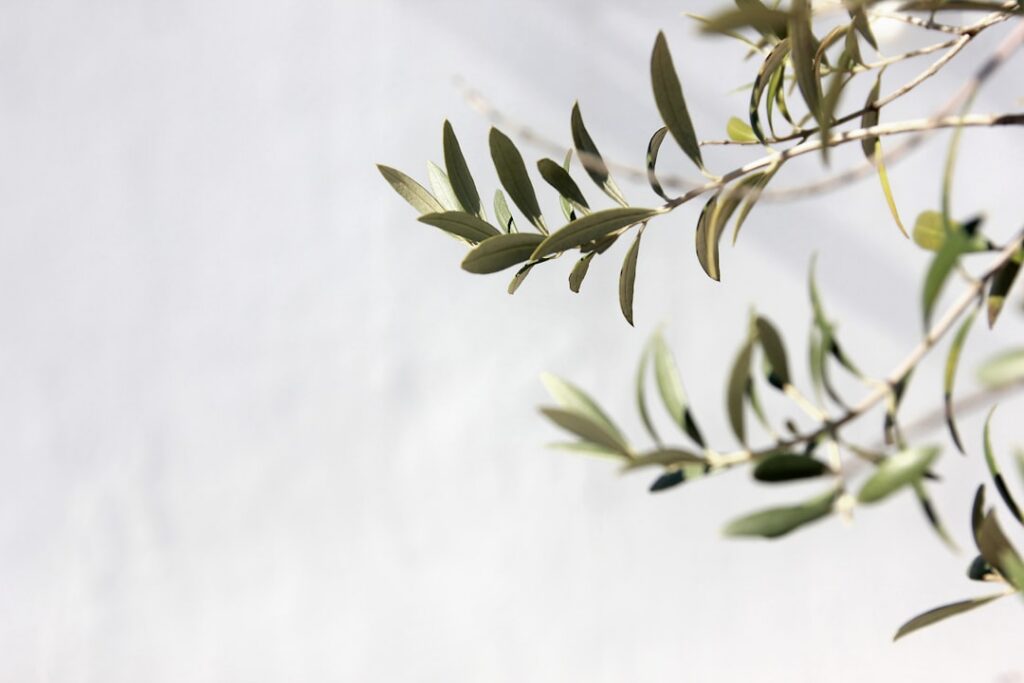
- Appearance (Dried Leaves): Good quality dried olive leaves should have a distinct green-grey color and a fresh, subtle aroma. Avoid leaves that look brown, dusty, or have an off smell.
- Freshness: If harvesting fresh, ensure the leaves are vibrant green, free from blemishes, and from an unsprayed olive tree.
Fresh vs. Dried Olive Leaves: A Quick Comparison
| Feature | Fresh Olive Leaves | Dried Olive Leaves |
|---|---|---|
| Availability | Limited (need access to an olive tree) | Widely available from herbal suppliers |
| Potency | Potentially higher if very fresh; varies | Consistent potency if dried properly |
| Flavor | More ‘green’ and herbaceous, can be milder | More concentrated, potentially more bitter |
| Preparation | Rinse, chop/tear | Measure directly |
| Storage | Short-term (a few days in the fridge) | Long-term (up to 1-2 years in airtight container) |
Storage
- Dried Leaves: Store dried olive leaves in an airtight container, away from direct sunlight, heat, and moisture. A cool, dark pantry is ideal. Properly stored, they can retain potency for up to two years.
- Prepared Tea: Olive leaf tea is best consumed fresh. If you have leftovers, you can store them in a sealed container in the refrigerator for up to 24 hours. Reheat gently, but fresh is always recommended for maximum benefit.
Practical Tips
- Adjust Steeping Time: Experiment with steeping times. If you find the taste too strong or bitter, reduce the steeping time. For a milder brew, you can even use slightly less leaf.
- Blend with Other Herbs: Olive leaf can be blended with other complementary herbs like peppermint (for flavor), hibiscus (for added cardiovascular support), or ginger (for warmth and digestive aid).
- Consistency is Key: Like many herbal remedies, the benefits of olive leaf tea are often cumulative. Incorporate it into your daily routine for sustained support rather than expecting immediate effects from a single cup.
Common Mistakes
- Boiling the Leaves: As mentioned, direct boiling can degrade beneficial compounds and make the tea excessively bitter.
- Using Sprayed Leaves: Never use leaves from trees that may have been treated with pesticides or herbicides.
- Over-Steeping: While a longer steep provides a stronger infusion, going too long (e.g., over 20 minutes) can result in a very bitter, less palatable tea.
- Expecting Immediate Cures: Olive leaf is a supportive herb, not a magic bullet. It works best as part of a holistic healthy lifestyle.
- Incorrect Dosage: While generally safe, excessive amounts can sometimes cause digestive upset. Stick to recommended measurements.
Cautions / Who Should Avoid It
While generally well-tolerated, olive leaf tea isn’t for everyone:
- Pregnancy & Breastfeeding: There is insufficient research on its safety during pregnancy and lactation. It’s best to avoid it.
- Medication Interactions: If you are on blood pressure medication, blood thinners, or diabetes medication, consult your doctor before using olive leaf. It may potentially lower blood pressure or blood sugar, or interact with blood thinners, leading to additive effects.
- Low Blood Pressure: Individuals with naturally low blood pressure should use caution, as olive leaf may further lower it.
- Allergies: If you have an allergy to olives or other plants in the Oleaceae family, avoid olive leaf.
- Surgery: Discontinue use at least two weeks before any scheduled surgery due to potential effects on blood clotting.
Always consult with a healthcare professional before adding any new herbal remedy to your regimen, especially if you have underlying health conditions or are taking medications.
Quick Summary
Olive leaf tea offers a simple, natural way to support circulation, immunity, and vitality. It’s best prepared as an infusion, steeping dried or fresh leaves in hot (not boiling) water for 10-15 minutes. Store dried leaves in an airtight container for longevity. Remember to avoid boiling the leaves and consult a healthcare professional if you are pregnant, breastfeeding, or on medication.
FAQ
- Can I use fresh or dried olive leaves?
Yes, both can be used. Dried leaves are more concentrated and easier to store, while fresh leaves offer a milder, greener flavor. - How long does olive leaf tea last?
It’s best consumed fresh. Leftovers can be refrigerated for up to 24 hours, but the potency and flavor may diminish. - Can I reuse the leaves for another cup?
While you can, the beneficial compounds will be significantly depleted after the first infusion, resulting in a much weaker tea. It’s best to use fresh leaves for each serving. - What’s the best time to drink olive leaf tea?
Many people prefer it in the morning or early afternoon. Due to its potential to be slightly stimulating for some, avoid drinking it right before bed. - Does olive leaf tea taste bitter?
It has an earthy, slightly herbaceous, and often mildly bitter taste, especially if steeped too long or if using very potent leaves. Adding lemon or honey can help. - Can I take olive leaf with other herbs?
Generally, yes, but always research potential interactions. Blending with complementary herbs like ginger or peppermint is common. - Is olive leaf safe for long-term use?
For most healthy individuals, consistent daily use of olive leaf tea in recommended amounts is generally considered safe. However, periodic breaks are often suggested by herbalists.
Conclusion
The olive leaf truly is a testament to nature’s overlooked potential. By simply harnessing these leaves, you can support your body’s vital systems with a time-honored remedy. This simple tea offers a grounded, practical approach to enhancing your well-being, proving that sometimes, the most profound health secrets are found in the simplest ingredients.
You may also like: The Benefits of Hibiscus Tea for Blood Pressure
Read more: See the full guide on Making Your Own Herbal Tinctures