Most people reach for chamomile tea expecting a calming evening, but they’re often overlooking a profound secret hiding within its delicate blossoms: a powerful ally for your gut health. While its reputation for relaxation is well-deserved, the true magic of chamomile extends far deeper, providing significant, often-missed benefits for your digestive system. Many are only now discovering how this simple brew can transform their inner well-being.
It’s not just about soothing nerves; it’s about soothing your digestive tract from the inside out. If you’ve been struggling with occasional bloating, discomfort, or just want to support a healthier gut, this seemingly humble flower might be the answer you’ve been searching for. The secret lies in understanding its unique compounds and how to prepare it correctly to unlock its full digestive potential.

What is Chamomile Tea (and Why Your Gut Needs It)
Chamomile tea is an herbal infusion made from the dried flowers of the chamomile plant, primarily Matricaria chamomilla (German chamomile) or Chamaemelum nobile (Roman chamomile). While both offer benefits, German chamomile is generally preferred for medicinal use due to its higher concentration of beneficial compounds, particularly chamazulene and apigenin.
Beyond its well-known sedative properties, chamomile is a powerhouse of anti-inflammatory and antispasmodic compounds. This means it can help calm an irritated gut lining, reduce muscle spasms in the digestive tract, and alleviate gas and bloating. Think of it as a gentle, internal balm for your stomach and intestines, easing discomfort and promoting smoother digestion.
Ingredients for Your Gut-Soothing Brew
Making your own potent chamomile tea is surprisingly simple, requiring just two key components:
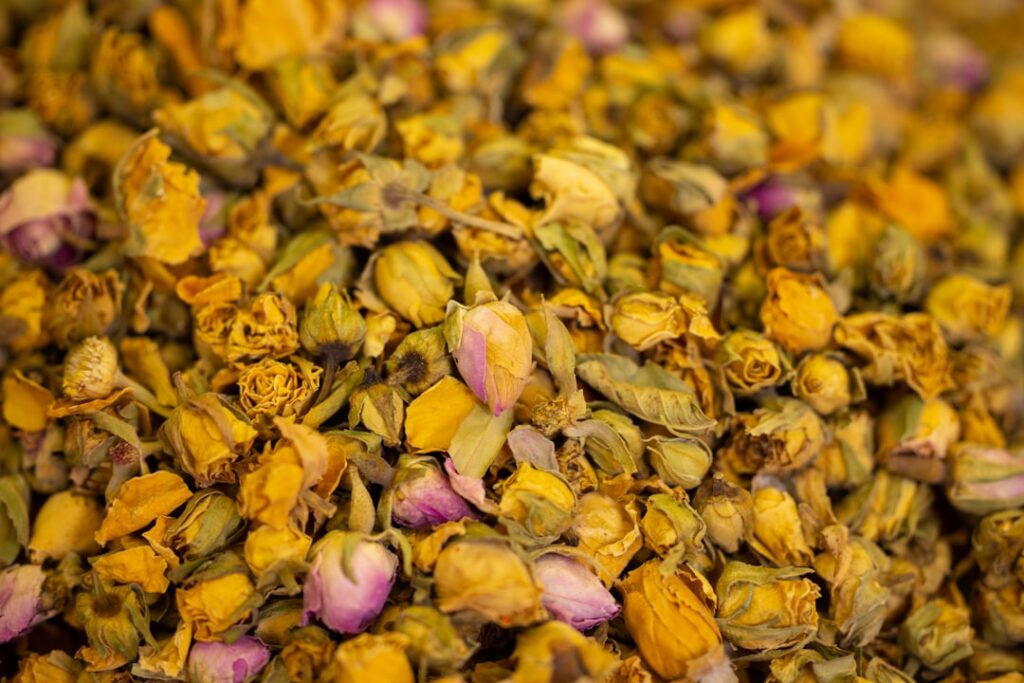
- Dried Chamomile Flowers: Opt for high-quality, organic dried flowers. Loose-leaf is always superior to tea bags, as it typically contains whole flower heads, not just dust, ensuring maximum potency.
- Fresh, Filtered Water: The quality of your water can significantly impact the taste and efficacy of your tea.
Approximate Measurements
- Chamomile Flowers: 1-2 teaspoons per 8 ounces (240ml) of water. Adjust to your personal preference for strength.
- Water: 8 ounces (240ml) per serving.
The Simple Formula: Your Daily Gut Remedy
- Heat Water: Bring your filtered water to a near-boil, ideally between 190-200°F (88-93°C). Avoid boiling water directly, as it can scorch the delicate compounds.
- Add Chamomile: Place the dried chamomile flowers into a tea infuser, French press, or directly into your mug if you don’t mind straining later.
- Pour Water: Pour the hot water over the chamomile flowers.
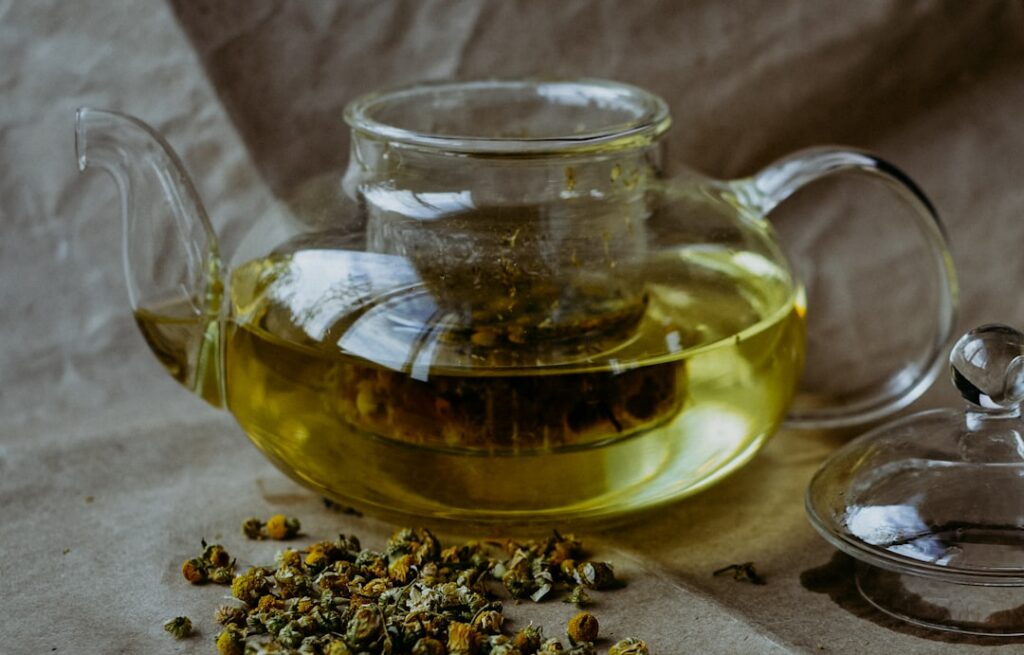
- Steep: Cover your mug or teapot to trap the beneficial volatile oils. Steep for 5-10 minutes. For a stronger gut-soothing effect, aim for the longer steeping time.
- Strain & Enjoy: Remove the infuser or strain the flowers. Your gut-friendly chamomile tea is ready!
How to Use Your Chamomile Gut Tea
For digestive benefits, timing can be crucial. Drink your chamomile tea:
- After Meals: Especially after larger meals, to aid digestion, reduce post-meal bloating, and calm any potential spasms.
- Before Bed: Not only will it help you relax for sleep, but it allows the anti-inflammatory compounds to work on your gut overnight.
- During Digestive Discomfort: Whenever you feel gas, bloating, or general stomach upset.
How Often to Use It
For consistent gut support, aim for 1-3 cups daily. Listen to your body and adjust as needed. Many find a cup after dinner and another before bed to be highly effective.
Quick Tip: Don’t Boil Your Chamomile!
Using water that’s too hot can degrade the delicate therapeutic compounds in chamomile, making your tea less effective. Let freshly boiled water cool for a minute or two before pouring it over the flowers. This preserves the beneficial oils that soothe your gut.
How to Buy and Choose High-Quality Chamomile
The efficacy of your tea starts with the quality of your ingredients. Here’s what to look for:
- Loose-Leaf Dried Flowers: Prioritize whole, intact flower heads. These retain more of their essential oils and active compounds than crushed tea bag material.
- Organic Certified: This ensures the flowers are free from pesticides, herbicides, and other chemicals that could counteract their healing properties or introduce new toxins to your system.
- Reputable Source: Purchase from trusted herbal suppliers or health food stores that specialize in herbs. Freshness matters, so check for a harvest date or best-by date if available.
Storage for Maximum Potency
Proper storage is essential to maintain the medicinal quality of your chamomile:
- Dried Flowers: Store in an airtight, opaque container (like a glass jar in a dark pantry) away from direct sunlight, heat, and moisture. They can last for up to 1 year, though potency will gradually diminish over time.
- Prepared Tea: Best consumed fresh. If you have leftovers, store them in a sealed container in the refrigerator for up to 24 hours. Reheat gently, but fresh is always best.
Did You Know? Not All Chamomile is Created Equal
While both German and Roman chamomile are used, German chamomile (Matricaria chamomilla) is generally preferred for its higher concentrations of anti-inflammatory compounds like chamazulene, making it particularly effective for digestive issues. Always check the botanical name if you can!
Practical Tips for Enhanced Gut Support
- Combine with Ginger: For extra digestive warmth and anti-nausea benefits, add a thin slice of fresh ginger to your chamomile brew.
- Sweeten Naturally: If you prefer a sweeter tea, use a small amount of raw honey, which also has its own gut-friendly properties. Avoid artificial sweeteners.
- Stay Consistent: Like many natural remedies, chamomile’s digestive benefits are often cumulative. Regular use yields better results than sporadic consumption.
Comparison: Chamomile Forms for Gut Health
Here’s a quick look at common ways to use chamomile for gut health:
| Form | Pros for Gut | Cons |
|---|---|---|
| Tea (Infusion) | Gentle, soothing, hydrating, readily absorbed. | Requires preparation time; best consumed fresh. |
| Tincture | Potent, concentrated, long shelf life, convenient. | Alcohol base may not suit everyone; dosage precision needed. |
| Capsules (Powder) | Convenient, standardized dosage. | May lack the synergy of whole plant; slower absorption. |
Common Mistakes to Avoid
- Using Low-Quality Tea: Cheap tea bags often contain mostly stem and dust, significantly reducing the active compounds crucial for gut relief.
- Over-Steeping: While longer is sometimes better, excessively long steeping can make the tea bitter and less palatable, though usually not harmful. Aim for 5-10 minutes.
- Neglecting Consistency: Thinking one cup will instantly resolve chronic gut issues. Chamomile works best with regular, consistent use.
- Boiling Water Directly: As mentioned, very hot water can degrade delicate compounds.
Common Mistake: Overlooking the Source
Many people grab any box of chamomile tea without considering where it came from or how it was processed. Choosing organic, loose-leaf German chamomile from a reputable herbal supplier can make a world of difference in its effectiveness for gut health. Invest in quality for real results.
Cautions: Who Should Avoid It?
While generally safe for most, some individuals should exercise caution:
- Allergies: Chamomile is part of the Asteraceae family (like ragweed, daisies, and marigolds). If you have allergies to these plants, you might experience an allergic reaction to chamomile.
- Pregnancy and Breastfeeding: Consult with a healthcare professional before use, especially during pregnancy, as some sources suggest it may stimulate uterine contractions.
- Blood Thinners and Sedatives: Chamomile can have mild blood-thinning and sedative effects. If you are on blood-thinning medication (like warfarin) or sedatives, discuss with your doctor.
- Infants: Avoid giving chamomile tea to infants, especially under six months, due to potential risks of botulism spores if not properly prepared or sourced.
Quick Summary: Your Gut Health Checklist
- Best Preparation: Infusion (tea) with high-quality, organic loose-leaf German chamomile flowers.
- Best Use-Case: Alleviating gas, bloating, stomach spasms, and general digestive discomfort.
- Storage: Dried flowers in airtight, opaque containers for up to 1 year; prepared tea for 24 hours in the fridge.
- When to Use: After meals or before bedtime for consistent digestive support.
- What to Avoid: Low-quality tea bags, excessively hot water, and inconsistent use.
Frequently Asked Questions About Chamomile for Digestion
- Can I use fresh chamomile flowers for tea?
Yes, you can, but fresh flowers are less concentrated than dried. You’ll need to use about double the amount of fresh flowers compared to dried for similar potency. - How long does chamomile tea take to work for gut issues?
For acute discomfort like gas or bloating, you might feel relief within 30-60 minutes. For chronic issues, consistent daily use over several days or weeks will show more noticeable, cumulative benefits. - Can I add other herbs to my chamomile gut tea?
Absolutely! Peppermint, ginger, or fennel seeds are excellent additions that also support digestion and can enhance the overall flavor and efficacy. - Is it safe to drink chamomile tea every day?
For most healthy adults, yes, it’s generally safe to drink 1-3 cups of chamomile tea daily. Always monitor how your body responds. - What’s the best time of day to drink it for digestion?
Drinking a cup after a meal or before bed is often recommended to support digestion and reduce nighttime discomfort. - Will chamomile tea make me sleepy if I drink it during the day?
While chamomile has sedative properties, a moderate serving (1-2 teaspoons per cup) during the day is unlikely to cause significant drowsiness for most people, allowing you to enjoy its digestive benefits without feeling overly sleepy. - Can I reuse the chamomile flowers for another cup?
While technically possible, the second infusion will be significantly weaker as most of the beneficial compounds would have been extracted in the first brew. It’s best to use fresh flowers for each cup.
Conclusion: Embrace Chamomile for a Happier Gut
The truth about chamomile tea extends far beyond its calming reputation. By understanding its potent anti-inflammatory and antispasmodic properties, you can harness this simple, natural remedy to significantly support your digestive health and inner well-being. Don’t let its delicate appearance fool you; chamomile is a powerhouse for a happier gut. Make it a regular part of your wellness routine and discover the profound difference it can make.
You may also like: The Anti-Inflammatory Ginger & Turmeric Tonic You Need To Try
Read more: DIY Peppermint Oil: Your Secret Weapon for Quick Digestion Relief