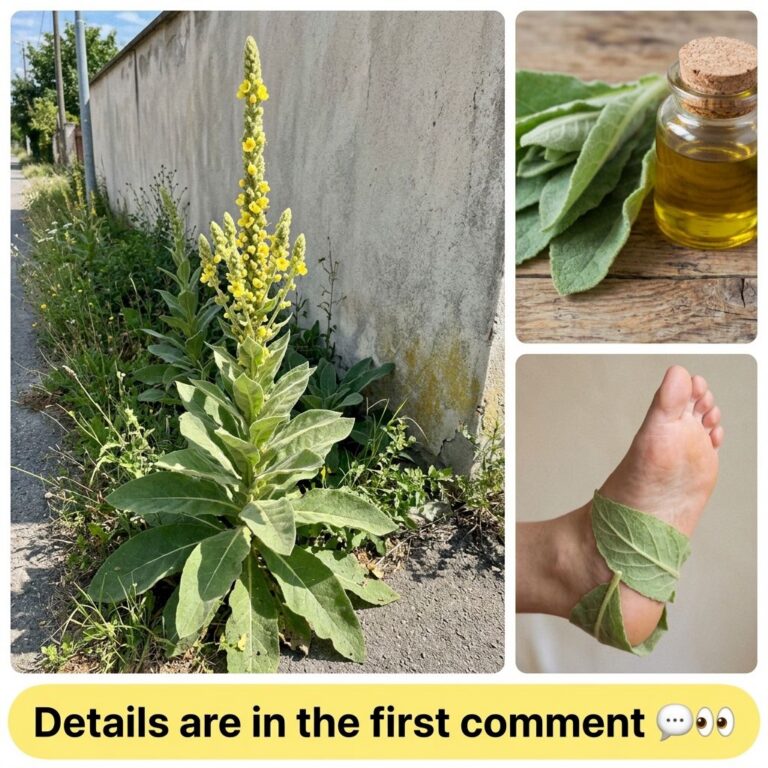
Most People Ignore This Common Plant… But It Holds Powerful Secrets
Walk past an empty lot or a roadside, and you’ve likely seen it: a tall, fuzzy-leafed plant with a stately stalk of yellow flowers. This is Mullein, and while its common presence might make it seem unremarkable, its traditional uses are anything but. Most people walk right by, unaware of the powerful natural wellness secrets this humble plant holds.
At REMEDY, we believe in unlocking the potential of everyday nature. Mullein (Verbascum thapsus) is a prime example of a plant that’s been historically valued for its soothing and comforting properties, especially when it comes to supporting respiratory health and topical skin discomfort. Forget the fancy imports for a moment; sometimes, the best remedies grow right under our noses.
What is Mullein? A Botanical Ally
Mullein is a biennial plant, meaning it lives for two years. In its first year, it forms a rosette of large, soft, fuzzy leaves. In its second year, it sends up a tall flowering stalk. All parts of the plant – leaves, flowers, and even roots – have been used in various traditional practices, but the leaves and flowers are the most commonly employed in home remedies.
Its historical use spans continents and centuries, recognized for its mucilaginous compounds (which give it a soothing quality) and other beneficial plant compounds. But we’re not here for a history lesson; we’re here for practical application.
Key Mullein Preparations & Practical Uses
Mullein offers versatility in its preparation. While a well-known tea from the leaves supports respiratory comfort, its flowers are prized for oil infusions, and the fresh leaves make excellent poultices for topical soothing. We’ll focus on two highly effective and popular methods: Mullein-infused oil and the simple Mullein leaf poultice.
1. Mullein-Infused Oil for Topical Support
Mullein flower oil is a time-honored preparation, primarily used topically to soothe ear discomfort (never for perforated eardrums!) and calm irritated skin. This oil takes time but is relatively simple to make.
Ingredients:
- Approximately 1/2 cup fresh Mullein flowers OR 1/4 cup dried Mullein flowers
- 1 cup high-quality carrier oil (e.g., organic olive oil, almond oil, or jojoba oil)
- Clean, sterilized glass jar with a lid
- Cheesecloth or fine-mesh strainer
- Dark glass dropper bottle for storage
Approximate Measurements:
The ratio is roughly 1 part Mullein flowers to 2-4 parts oil, ensuring the flowers are fully submerged. Adjust based on the size of your jar.
Formula / Recipe (Slow Infusion Method):
This method utilizes time and gentle warmth to extract the beneficial compounds from the flowers into the oil.
Step-by-Step Method:
- Harvest & Dry (if fresh): If using fresh flowers, gently gather them on a sunny day. Spread them thinly on a screen or clean towel in a well-ventilated area away from direct sunlight for a few days until completely dry. Moisture can cause spoilage.
- Prepare the Jar: Place the dried Mullein flowers into your clean, sterilized glass jar.
- Add Oil: Pour the carrier oil over the flowers, ensuring they are completely covered. Leave about an inch of headspace at the top of the jar.
- Infuse: Cap the jar tightly. Place it in a warm, sunny spot (like a windowsill) for 2-4 weeks. Gently shake the jar every few days to redistribute the flowers and oil. Some prefer a “warm infusion” method using a slow cooker or double boiler at very low heat for several hours, but the sun infusion is traditional.
- Strain: After the infusion period, line a funnel with several layers of cheesecloth or use a fine-mesh strainer. Carefully pour the oil and flowers through to separate the solids. Squeeze the cheesecloth to extract every last drop of precious oil.
- Bottle & Store: Transfer the strained Mullein oil into a dark glass dropper bottle. Label clearly with the date.
How to Use Mullein Oil:
- For Ear Discomfort: Gently warm the oil (never microwave!) by placing the bottle in a cup of warm water. Apply 1-2 drops into the affected ear, then plug with a cotton ball. Use 2-3 times daily.
- For Skin Soothing: Apply a small amount of oil directly to minor skin irritations, dry patches, or sore muscles. Gently massage into the skin.
How Often to Use:
For ear discomfort, use for a few days. For skin, as needed, 1-3 times daily until comfort is achieved.
2. Fresh Mullein Leaf Poultice
A poultice is a simple, direct application of fresh plant material to the skin, often used for bruises, minor irritations, or joint discomfort.
Ingredients:
- 1-2 large, fresh Mullein leaves (ensure they are clean and free of pesticides)
- A clean cloth or bandage to secure the poultice
Method (Simple Application):
- Clean the Leaves: Gently wipe down the fresh Mullein leaves with a damp cloth to remove any dirt. Do not wash excessively, as you want to retain their natural fuzz.
- Bruise the Leaves: Lightly bruise or crush the leaves. You can do this by rolling them with a rolling pin, crushing them gently with a mortar and pestle, or simply tearing them a bit. This helps release the plant’s beneficial compounds.
- Apply: Place the bruised leaves directly onto the affected skin area.
- Secure: Cover the leaves with a clean cloth or bandage to hold them in place.
How to Use:
Leave the poultice on for 1-4 hours, or until discomfort subsides. You can reapply with fresh leaves if needed, once or twice daily.
How to Buy / How to Choose Mullein Ingredients
If you’re not foraging, you can purchase dried Mullein leaves and flowers from reputable herbal suppliers or online retailers. Look for organic, wild-crafted, or sustainably sourced options. If foraging, always identify the plant correctly and ensure the area is free from pesticides or pollution.
Storage
- Mullein Oil: Store in a dark glass dropper bottle in a cool, dark place. Properly made oil can last for up to 1 year. If it develops an off smell or changes color significantly, discard it.
- Dried Mullein Leaves/Flowers: Store in an airtight container away from direct sunlight, heat, and moisture. They can retain potency for 1-2 years.
- Fresh Leaves: Use immediately for poultices. They do not store well.
Practical Tips for Best Results
- Patience with Oil: The slow infusion method takes time, but it yields a potent oil. Don’t rush it.
- Test for Sensitivity: Always do a patch test on a small area of skin before widespread application of any new remedy.
- Warm Gently: For ear oil, warming it gently to body temperature before use makes the application much more comfortable.
Common Mistakes to Avoid
- Using Wet Plant Material: For oil infusions, even a tiny amount of moisture can cause mold and spoilage. Ensure flowers are completely dry.
- Incorrect Plant Identification: There are other fuzzy-leafed plants. Always be 100% certain you have identified Mullein correctly before use.
- Applying Oil to Perforated Eardrums: Never put anything into an ear with a suspected or known perforated eardrum without medical advice.
- Ignoring Quality: Using old, dusty, or poorly stored Mullein can reduce its effectiveness.
Cautions / Who Should Avoid Mullein
- Ear Issues: Avoid Mullein ear oil if you have a perforated eardrum, ear tubes, or current ear drainage. Consult a doctor for any persistent ear pain.
- Allergies: While rare, some individuals might be sensitive to Mullein. Discontinue use if irritation occurs.
- Pregnancy/Nursing: Consult a healthcare provider before using Mullein preparations if pregnant or nursing, as information on its safety is limited.
- Internal Use of Oil: Mullein ear oil is for external/topical use only; do not ingest.
Quick Summary: Your Mullein Go-To Guide
| Preparation Type | Best Use-Case | Storage | Key to Avoid |
|---|---|---|---|
| Mullein Oil | Ear discomfort (topical), skin soothing | Dark bottle, cool, dark place (up to 1 year) | Wet flowers, perforated eardrums |
| Fresh Leaf Poultice | Bruises, minor skin irritation, joint comfort | Use immediately | Sprayed plants, old leaves |
| Dried Leaves (for tea) | Respiratory comfort | Airtight container, cool, dark (1-2 years) | Dusty/old material |
Frequently Asked Questions (FAQ)
- Can I use fresh Mullein flowers for oil, or must they be dried?
- It’s crucial to use completely dried flowers for oil infusion. Fresh flowers contain water, which can lead to mold and spoilage in the oil.
- How long does homemade Mullein oil last?
- When prepared correctly and stored in a cool, dark place, Mullein-infused oil can last up to one year. Always check for signs of spoilage like a rancid smell or discoloration.
- Can Mullein oil be used for children?
- For children, especially infants and toddlers, it’s always best to consult a pediatrician before using Mullein ear oil or any herbal remedy. Ensure there’s no perforated eardrum.
- What part of the Mullein plant is best for tea?
- The leaves are most commonly used for Mullein tea, primarily for respiratory support. Some herbalists also use the flowers.
- Is it safe to forage Mullein?
- Yes, if done responsibly. Ensure you accurately identify the plant and gather from areas free of pollutants, pesticides, or heavy traffic. Never take more than 1/3 of the plants in an area.
- Can I reuse the Mullein flowers after making oil?
- No, once the oil has been infused and strained, the flowers have released most of their beneficial compounds. Discard them responsibly.
Unlocking Nature’s Potential
Mullein is far more than just a “weed.” With its soft leaves and cheerful yellow flowers, it offers accessible, natural solutions for common discomforts, from soothing irritated skin to calming ear discomfort. By understanding its preparations and uses, you can easily integrate this powerful botanical ally into your home wellness routine.
Next time you see Mullein, you’ll know it’s not just a roadside plant, but a valuable secret waiting to be harnessed.
You may also like: DIY Herbal Tea Blends for Winter Wellness
Read more: The Ultimate Guide to Making Calendula Salve