Are you dreaming of a garden overflowing with vibrant colors and lush greenery, but find yourself short on time or tired of plants that demand constant attention? We hear you! It’s easy to get caught up in the idea that a stunning garden requires endless hours of weeding, watering, and fussing. But what if we told you it doesn’t have to be that way?
Imagine enjoying your morning coffee surrounded by a cheerful display of flowers, knowing your garden is thriving with minimal effort. The secret lies in choosing the right plants – those tough, resilient beauties that practically take care of themselves once established. These plants aren’t just survivors; they’re magnificent bloomers that will bring life and color to your outdoor space, leaving you more time to simply relax and enjoy the fruits of your labor (or flowers, in this case!).
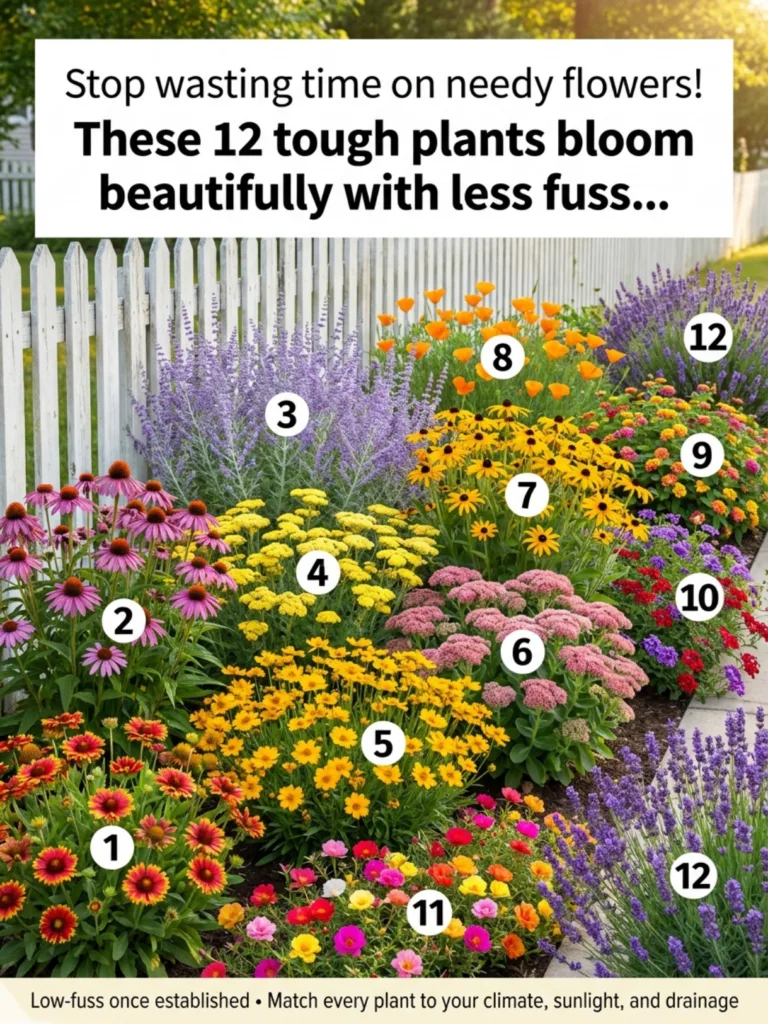 A thriving, low-maintenance garden can be a reality with the right plant choices.
The Power of “Plant Smarter, Not Harder” Gardening
Before we dive into our list of botanical superheroes, let’s talk about the golden rule: matching your plants to your climate, sunlight, and drainage. This isn’t just a suggestion; it’s the foundation of a truly low-fuss garden. A plant happy in its environment will be healthier, more resistant to pests and diseases, and, most importantly, require less intervention from you.
- Climate (USDA Zones): Knowing your USDA Hardiness Zone helps you choose plants that can survive winter temperatures in your area.
- Sunlight: Pay attention to how much direct sun your chosen spot gets. Full sun means 6+ hours, partial sun/shade means 3-6 hours, and full shade is less than 3 hours.
- Drainage: Most plants dislike “wet feet.” Good drainage prevents root rot and ensures healthy growth. If your soil is heavy clay, consider amending it with compost or creating raised beds.
12 Tough Bloomers That Thrive with Less Fuss
Here are some of our favorite resilient flowers that deliver big on beauty without demanding endless attention. Once these plants get settled in, you’ll be amazed at how much they give back!
1. Coneflower (Echinacea)
These daisy-like flowers with prominent central cones are a gardener’s delight. Available in classic purple, as well as pink, white, yellow, and orange, coneflowers are drought-tolerant and attract beneficial pollinators like bees and butterflies. They’re real sun-worshippers!
- Why they’re low-fuss: Very drought-tolerant once established, pest and disease resistant.
- Ideal Conditions: Full sun. Well-drained soil.
- USDA Zones: 3-9
- Pro-Tip: Deadhead spent blooms for more flowers, but leave some for winter interest and to feed birds.
2. Black-Eyed Susan (Rudbeckia hirta)
With their sunny yellow petals and dark brown centers, Black-Eyed Susans bring a burst of cheer to any garden. They bloom profusely from summer into fall and are incredibly adaptable.
- Why they’re low-fuss: Tolerates a wide range of soils, drought-tolerant, and generally ignored by deer.
- Ideal Conditions: Full sun to partial shade. Average, well-drained soil.
- USDA Zones: 3-9
- Pro-Tip: They’re often short-lived perennials but readily self-seed, so you’ll often have new plants popping up!
3. Daylily (Hemerocallis)
Known for their trumpet-shaped flowers, daylilies come in an astonishing array of colors and sizes. While each bloom lasts only a day (hence the name!), the plant produces an abundance of buds, ensuring a continuous show for weeks.
- Why they’re low-fuss: Extremely tolerant of poor soil, drought, and neglect. Long-lived and rarely bothered by pests.
- Ideal Conditions: Full sun to partial shade. Adaptable to most soils.
- USDA Zones: 3-9
- Pro-Tip: Divide clumps every few years to maintain vigor and share with friends!
4. Sedum (Stonecrop)
Sedums are succulents known for their thick, fleshy leaves and clusters of star-shaped flowers that emerge in late summer and fall. They’re fantastic for providing late-season color when many other plants are fading.
- Why they’re low-fuss: Extremely drought-tolerant, deer and rabbit resistant, and thrive in poor soils.
- Ideal Conditions: Full sun. Well-drained to dry soil.
- USDA Zones: 3-9 (varies by species)
- Pro-Tip: “Autumn Joy” is a popular cultivar, starting with green flower heads that turn pink, then russet-red. Leave them standing through winter for textural interest!
5. Lavender (Lavandula)
The intoxicating fragrance and beautiful purple spikes of lavender make it a cottage garden classic. It’s also a fantastic herb and attracts pollinators.
- Why they’re low-fuss: Very drought-tolerant once established, deer resistant, and thrives in lean soil.
- Ideal Conditions: Full sun. Well-drained soil (doesn’t like wet feet!).
- USDA Zones: 5-9 (varies by species, English Lavender is hardier)
- Pro-Tip: Prune after flowering to maintain a bushy shape and encourage new blooms.
6. Salvia (Perennial Sage)
From brilliant blues and purples to vibrant reds, perennial salvias offer a long season of bloom and are adored by hummingbirds and bees. Many varieties are incredibly tough and heat-tolerant.
- Why they’re low-fuss: Drought-tolerant once established, deer resistant, and generally low maintenance.
- Ideal Conditions: Full sun. Well-drained soil.
- USDA Zones: 4-9 (varies greatly by species)
- Pro-Tip: Shearing back after the first flush of blooms can encourage a second, lighter bloom cycle.
7. Yarrow (Achillea)
With its feathery foliage and flat-topped clusters of flowers (in shades of yellow, pink, red, and white), yarrow is a true workhorse. It’s incredibly tough and even makes a great cut or dried flower.
- Why they’re low-fuss: Extremely drought and heat tolerant, thrives in poor soil, and deer resistant.
- Ideal Conditions: Full sun. Well-drained soil (prefers drier conditions).
- USDA Zones: 3-9
- Pro-Tip: Deadhead to encourage more blooms and prevent excessive self-seeding.
8. Coreopsis (Tickseed)
These cheerful, daisy-like flowers typically sport bright yellow petals, though pink and red varieties exist. Coreopsis offers a long blooming season and adds a sunny disposition to any garden bed.
- Why they’re low-fuss: Drought-tolerant, heat-tolerant, and often ignored by deer.
- Ideal Conditions: Full sun. Well-drained soil.
- USDA Zones: 4-9
- Pro-Tip: Shearing back plants by about one-third after a heavy bloom can encourage a second flush of flowers.
9. Catmint (Nepeta)
A billowy cloud of soft lavender-blue flowers, catmint is a pollinator magnet. Its fragrant, silvery-green foliage is also a delight, and it blooms for an incredibly long season.
- Why they’re low-fuss: Very drought-tolerant, deer and rabbit resistant, and adaptable to various soil conditions.
- Ideal Conditions: Full sun. Well-drained soil.
- USDA Zones: 3-8
- Pro-Tip: Shear back by about half after the first wave of blooms to keep it tidy and encourage re-blooming.
10. Shasta Daisy (Leucanthemum x superbum)
The classic white petals and sunny yellow centers of the Shasta Daisy evoke pure summer joy. These reliable bloomers are wonderful for cut flowers and add a crisp, clean look to the garden.
- Why they’re low-fuss: Hardy, generally pest-free, and adaptable to various conditions.
- Ideal Conditions: Full sun. Well-drained soil.
- USDA Zones: 5-9
- Pro-Tip: Deadhead spent flowers to encourage more blooms and tidy up the plant.
11. Gaillardia (Blanket Flower)
With their vibrant, often bi-colored daisy-like flowers in shades of red, orange, and yellow, Blanket Flowers bring a fiery display to the garden. They are true sun-lovers and bloom continuously through the heat of summer.
- Why they’re low-fuss: Extremely drought and heat tolerant, thrives in poor soil, and attracts butterflies.
- Ideal Conditions: Full sun. Well-drained to sandy soil.
- USDA Zones: 3-10
- Pro-Tip: While short-lived perennials, they often self-seed readily, keeping your garden filled with color.
12. Russian Sage (Perovskia atriplicifolia)
This striking plant offers silvery foliage and long, airy spires of lavender-blue flowers that float above the plant. Russian Sage blooms from mid-summer into fall and is incredibly architectural in the garden.
- Why they’re low-fuss: Very drought, heat, and deer tolerant. Thrives in dry, poor soils.
- Ideal Conditions: Full sun. Well-drained to dry soil.
- USDA Zones: 4-9
- Pro-Tip: Cut back hard in early spring (to about 6-12 inches) to encourage fresh, vigorous growth and abundant blooms.
Understanding USDA Hardiness Zones
The USDA Plant Hardiness Zone Map is a crucial tool for any gardener. It divides North America into 13 zones based on the average annual extreme minimum winter temperature. Knowing your zone helps you select plants that are most likely to survive the winter in your area. For instance, if you live in Zone 6, a plant rated for Zones 3-9 will generally thrive, while one rated for Zones 8-10 might not survive your winter.
You can easily find your zone by entering your zip code on the USDA website or various gardening resources online. It’s a simple step that makes a huge difference in your gardening success!
Getting Your Low-Fuss Garden Established for Success
Even the toughest plants need a little help getting started. Here’s how to set them up for a lifetime of low-fuss beauty:
- Prepare Your Soil: While many of these plants tolerate poor soil, amending with some compost at planting time gives them a gentle boost. Focus on improving drainage if your soil is heavy.
- Water Deeply at First: After planting, water thoroughly to help the roots settle. For the first few weeks, keep an eye on moisture levels, especially during dry spells. Once established (usually after a growing season), most of these plants will need very little supplemental watering.
- Mulch, Mulch, Mulch: A good layer of organic mulch (like wood chips or shredded leaves) around your plants does wonders. It helps retain soil moisture, suppresses weeds, and regulates soil temperature. This means less watering and less weeding for you!
- Give Them Space: Read the plant tag and give your plants enough room to grow to their mature size. Good air circulation helps prevent fungal diseases.
Bringing It All Together for a Thriving Garden
Gardening doesn’t have to be a constant battle. By choosing tough, resilient plants and understanding their basic needs, you can create a vibrant, beautiful garden that brings you joy rather than stress. Think of these plants as your garden partners, ready to put on a spectacular show with just a little thoughtful care at the start.
Embrace the warmth of the sun on your face and the cheerful buzz of pollinators around your easy-care blooms. Your garden can be a place of relaxation and beauty, transforming your daily routine into a thriving, sustainable practice. Happy gardening!