There’s something truly magical about a miniature tree, perfectly shaped and thriving in a small pot. Bonsai, the ancient art of cultivating tiny trees, isn’t just a hobby; it’s a journey of patience, creativity, and a deep connection with nature. If you’ve ever admired these living sculptures and wondered if you could grow one yourself, you’re in the right place! We’re here to share some down-to-earth wisdom to help you pick the perfect plant and give it the loving care it needs.
Starting Your Bonsai Adventure: Choosing the Right Tree
The first step in your bonsai journey is choosing a plant that suits your climate, your lifestyle, and your enthusiasm. Some plants are more forgiving for beginners, while others require a bit more dedication. Think of it like picking a houseplant – some are happy with a little neglect, others need daily attention!
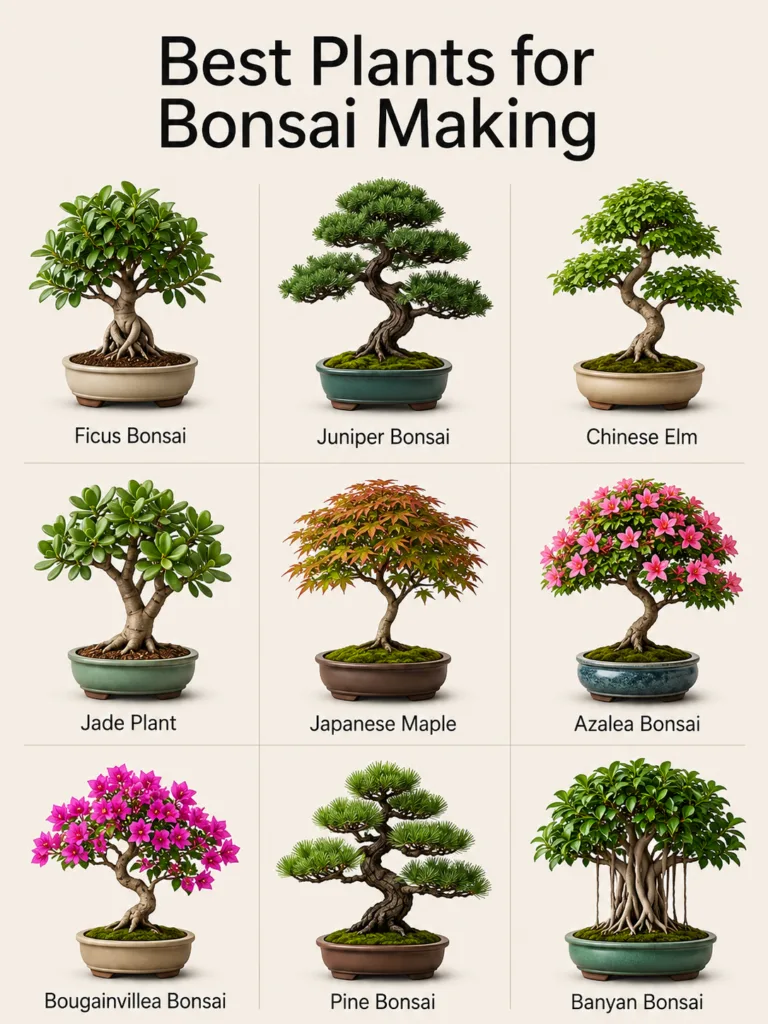 A wonderful selection of trees that can be shaped into beautiful bonsai.
Characteristic Plants for Beginner Bonsai Enthusiasts
Let’s look at some excellent choices, many of which are commonly seen in beautiful bonsai collections:
- Juniper (Juniperus spp.): These evergreens are a fantastic starting point. They’re hardy, can tolerate a bit of neglect, and their foliage can be styled beautifully. They thrive outdoors in most USA zones, enjoying plenty of sunshine.
- Ficus (Ficus retusa, Ficus microcarpa ‘Ginseng’): Often called the ‘beginner’s bonsai,’ Ficus varieties are incredibly forgiving, especially for indoor cultivation. They tolerate a wide range of conditions, bounce back quickly from mistakes, and have beautiful aerial roots that add character. If you live in a colder region, a Ficus will be happy indoors year-round.
- Japanese Maple (Acer palmatum): For those who dream of vibrant autumn colors, the Japanese Maple is a classic choice. While it requires a bit more care with pruning and likes temperate climates (needing a cold dormancy period), its delicate leaves and stunning seasonal displays are incredibly rewarding. These are best grown outdoors in zones where they can experience winter.
- Azalea (Rhododendron indicum): If you love flowers, an Azalea bonsai can be a showstopper. They produce dazzling blooms in spring, adding a splash of color to your collection. They prefer slightly acidic soil and consistent moisture, and like temperate outdoor conditions, often needing protection from harsh winter winds.
- Bougainvillea: For a tropical flair and profuse, colorful bracts, Bougainvillea is an excellent choice. It loves full sun and warm temperatures, making it suitable for outdoor growth in warmer USA zones or as an indoor plant in cooler regions, brought outside during summer.
Essential Care Tips for Your Miniature Masterpiece
Once you’ve chosen your plant, it’s time to learn the basics of care. Don’t worry, it’s simpler than it sounds!
1. Watering: The Lifeblood of Bonsai
This is arguably the most crucial aspect of bonsai care. Bonsai trees live in small pots, which means their soil dries out much faster than a garden plant’s. The trick is consistency, not a strict schedule.
- How to check: Feel the top inch of soil. If it feels dry to the touch, it’s time to water. You can also lift the pot; a lighter pot often means dry soil.
- How to water: Water thoroughly until you see water draining from the bottom of the pot. Many experienced growers recommend watering until it drains, waiting a few minutes, and then watering again to ensure the entire root ball is saturated.
- When to water: This depends on the species, pot size, soil, and climate. During hot, dry periods, you might need to water daily, sometimes twice a day. In cooler, humid weather, every few days might be enough.
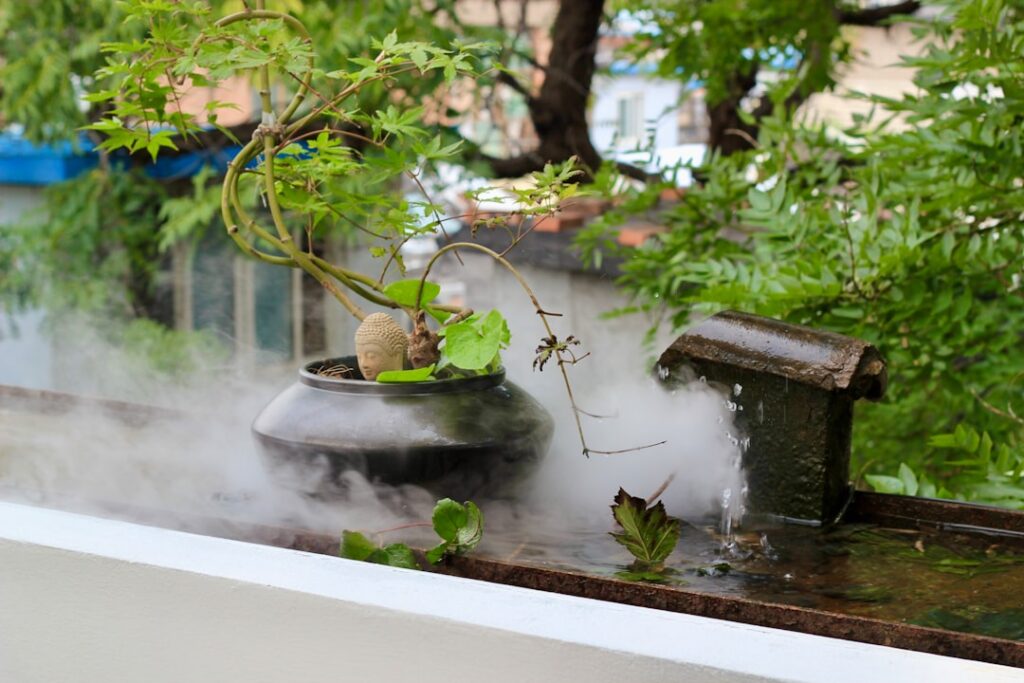 Proper watering is key to a healthy bonsai, ensuring the entire root ball gets moisture.
2. Light: Fuel for Growth
Like all plants, bonsai need sunlight to thrive. The amount depends on the species:
- Outdoor Bonsai: Most outdoor species, like Junipers and Japanese Maples, love full sun for at least 6 hours a day. Some, especially those with delicate leaves, might appreciate partial shade during the hottest part of summer afternoons.
- Indoor Bonsai: Tropical species like Ficus and Bougainvillea can thrive indoors, but they still need bright light. Place them near a south-facing window or supplement with a grow light, especially during shorter winter days.
3. Soil and Fertilizing: A Happy Home
Bonsai soil isn’t like regular potting mix. It’s designed for excellent drainage and aeration, which is vital for root health in a shallow pot.
- Bonsai Soil Mix: Look for a specialized bonsai soil mix that typically contains akadama, pumice, and lava rock. These components ensure good drainage while retaining some moisture.
- Fertilizing: Bonsai need nutrients to grow, especially since they’re in small pots. Use a balanced liquid fertilizer, diluted to half strength, during the growing season (spring through fall). Reduce or stop fertilizing during winter dormancy.
4. Pruning and Shaping: The Art of Bonsai
This is where the ‘art’ comes in. Pruning helps maintain the tree’s miniature size and desired shape, and it encourages denser foliage.
- Maintenance Pruning: Regularly trim back new growth to maintain the tree’s silhouette.
- Structural Pruning: Occasionally, you’ll remove larger branches to refine the tree’s overall form.
- Wiring (Optional for Beginners): This technique uses wire to gently bend branches into specific positions. It’s an advanced technique, but you can learn the basics as you get more comfortable.
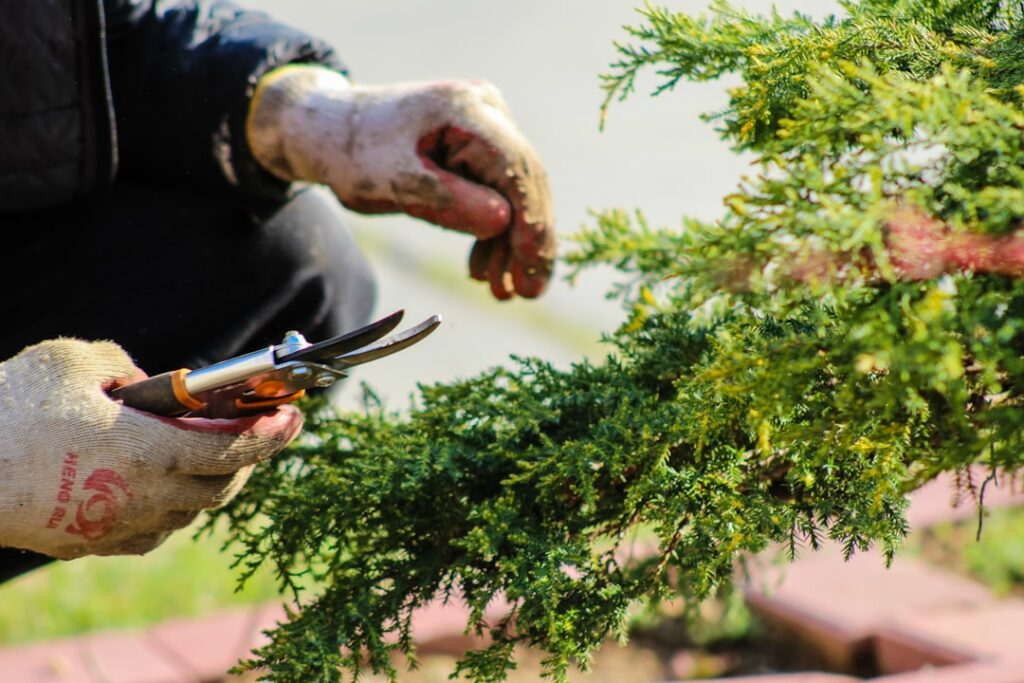 Careful pruning helps maintain your bonsai’s shape and encourages healthy new growth.
Embrace the Journey
Starting with bonsai is a rewarding experience that deepens your connection with the natural world and offers a peaceful, meditative practice. Don’t be discouraged by initial challenges; every gardener, no matter how experienced, learns something new every day.
The key is observation. Watch your tree, learn its rhythms, and understand what it’s telling you. With a little patience, consistent care, and the right plant choice, you’ll soon be enjoying your very own miniature forest, a thriving testament to your green thumb and artistic spirit. Happy growing!