Your body doesn’t handle food the same way in the morning and at night.
The same snack that wakes you up at 8 a.m. can keep you wide-eyed at 11 p.m.
This is where timing becomes a quiet superpower.
By matching the right foods to the right time of day, you can support:
- Better energy in the morning
- Calmer sleep at night
- Happier digestion all day long
Let’s walk through the 12 foods and how to use them so they work with your body, not against it.
6 Morning – Best Foods to Wake Up Your Body
Your morning foods should gently turn the lights on in your brain, bowels, and metabolism.
1. Apple – Wakes You Up
Crisp apples give you:
- Natural sugars for quick but gentle energy
- Fiber (especially pectin) that steadies blood sugar
- A juicy crunch that literally wakes up your jaw and senses
How to use it:
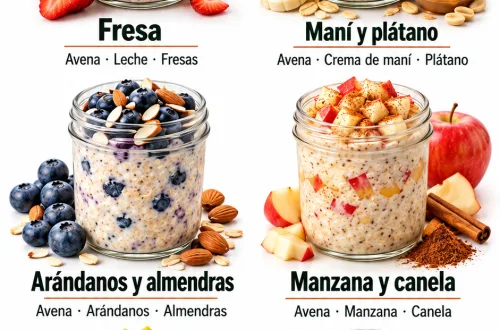
Eat an apple on its own or sliced into oatmeal or yogurt. It is perfect when you need a light breakfast that won’t sit heavy.
2. Kiwi – Boosts Digestion
Kiwi is rich in:
- Vitamin C for immune support
- Fiber that gets your bowels moving
- Tiny natural enzymes that help break down food
How to use it:
Have one kiwi alongside breakfast or blend it into a morning smoothie. Many people notice easier, more regular bowel movements when kiwi is a daily habit.
3. Oats – Long Energy
Oats are a slow, steady fuel:
- Complex carbohydrates that release energy over hours
- Soluble fiber (beta-glucan) to support cholesterol and satiety
- A calm, comforting base for fruit, nuts, or seeds
How to use it:
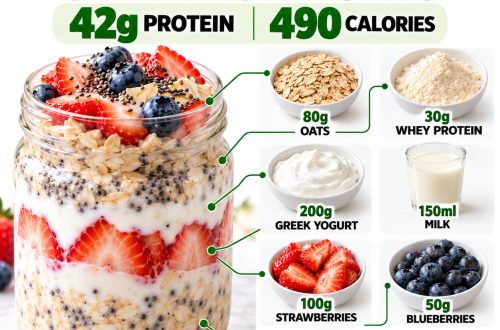
Enjoy warm oatmeal, overnight oats, or oat porridge. Pair with a little protein (nuts, seeds, yogurt) to stay satisfied until lunch.

4. Lemon Water – Detox Pathways
Lemon water doesn’t “detox” you by itself, but it can:
- Encourage you to drink more fluid
- Gently stimulate digestion
- Provide a small hit of vitamin C
How to use it:
Squeeze fresh lemon into warm or room-temperature water as soon as you wake up. Sip slowly before coffee or breakfast to hydrate your system after the night.
If you have reflux or a sensitive stomach, keep the lemon slice small and see how your body feels.
5. Eggs – Steady Protein for Focus
- Eggs are rich in high-quality protein, healthy fats, and choline, a nutrient that supports brain and nervous system function.
- Protein first thing helps stabilize blood sugar and reduces cravings later in the day. Choline supports focus and memory, making eggs a great choice before a busy morning.
How to use it:
Enjoy one or two boiled, scrambled, or poached eggs with a piece of whole-grain toast and some fruit. Keep the cooking method gentle and avoid heavy frying to stay light and energized.
6. Green Tea – Gentle Caffeine with Antioxidants
- Green tea delivers a modest amount of caffeine along with L-theanine, an amino acid that promotes calm alertness.
- The combination of caffeine and L-theanine can help you feel awake but not jittery. Antioxidants in green tea also support your cells as they switch into daytime mode.
How to use it:
Steep a bag or teaspoon of loose green tea in hot (not boiling) water for 2–3 minutes. Drink it with or after breakfast, not on an empty stomach if you are sensitive.
6 Night – Best Foods to Wind Down
Evening foods should calm, not hype you up. Here’s how the four night-time foods help your body shift into rest mode.
1. Banana – Improves Sleep
Bananas offer:
- Natural carbohydrates that help tryptophan enter the brain
- Potassium and magnesium that support muscle relaxation
- A sweet taste that can replace sugary dessert
How to use it:
Eat a small banana 1–2 hours before bed, or slice half a banana into warm oats or yogurt as a gentle evening snack.
2. Warm Milk – Calming Tryptophan
Warm milk has:
- Tryptophan, an amino acid linked to serotonin and melatonin production
- Protein and fats that keep nighttime blood sugar more stable
- A soothing, nostalgic warmth that signals “bedtime” to your brain
How to use it:
Sip a small cup of warm dairy or lactose-free milk 30–60 minutes before bed.
If you’re lactose intolerant, choose a fortified plant milk that you tolerate well.

3. Papaya – Gentle Digestion
Papaya is famous for:
- The enzyme papain, which helps break down protein
- Soft, water-rich fiber that keeps digestion moving gently
- Being easy to chew and light on the stomach
How to use it:
Enjoy a small bowl of ripe papaya after dinner, especially if your meal included heavier proteins. It’s a sweet, tummy-friendly dessert.
4. Almonds – Magnesium for Relaxation
Almonds bring:
- Magnesium, a mineral that supports muscle and nervous system relaxation
- Healthy fats and protein that prevent waking up hungry at 3 a.m.
- A satisfying crunch you can pair with fruit or milk
How to use it:
Have a small handful (8–12 almonds) in the evening, or sprinkle chopped almonds on papaya or warm oats as a bedtime snack.

5. Pumpkin Seeds – Mineral-Rich Night Nibble
Pumpkin seeds provide magnesium, zinc, and healthy fats.
Magnesium helps your muscles and nervous system relax. This can make it easier to release tension built up over the day.
How to use it:
Eat one small handful of roasted, unsalted pumpkin seeds in the evening, or sprinkle them over a little yogurt or papaya if you prefer a softer snack.
6. Walnuts – Sleep-Friendly Fats
Walnuts contain plant omega-3 fats, a bit of melatonin, and satisfying fiber.
The combination of healthy fat and fiber prevents blood sugar dips that can wake you up. Their gentle melatonin content adds to your body’s natural sleep signals.
How to use it:
Enjoy a small handful of walnuts with chamomile tea, or chop a few and sprinkle over sliced banana or oats as a night-time treat.

When You’ll Notice Changes
Be realistic, but hopeful:
- 1–3 days:
Better morning bowel movements, less heavy late-night snacking, slightly improved sleep quality for some people. - 1–2 weeks:
More stable energy through the morning, fewer sugar crashes, and a clearer sense of what foods feel good at night. - 3–4 weeks:
Many people notice a smoother sleep–wake rhythm, reduced bloating, and less late-night craving when this pattern becomes a habit.
Tips to Combine Them Effectively
- Keep mornings lighter but fiber-rich with fruit, oats, and plenty of water.
- Keep evenings calming and gentle with soft textures, warm drinks, and magnesium-rich almonds.
- Avoid piling heavy, spicy, or sugary foods on top of these at night if sleep is your main goal.
- If you have diabetes, kidney disease, reflux, or allergies, always adapt portions and choices with your healthcare provider’s guidance.
Save this guide if you want to try this morning and night routine later.