Staying properly hydrated is fundamental for overall health. It's not just about quenching your thirst; water plays a crucial role in almost every bodily function, from regulating body temperature to transporting...
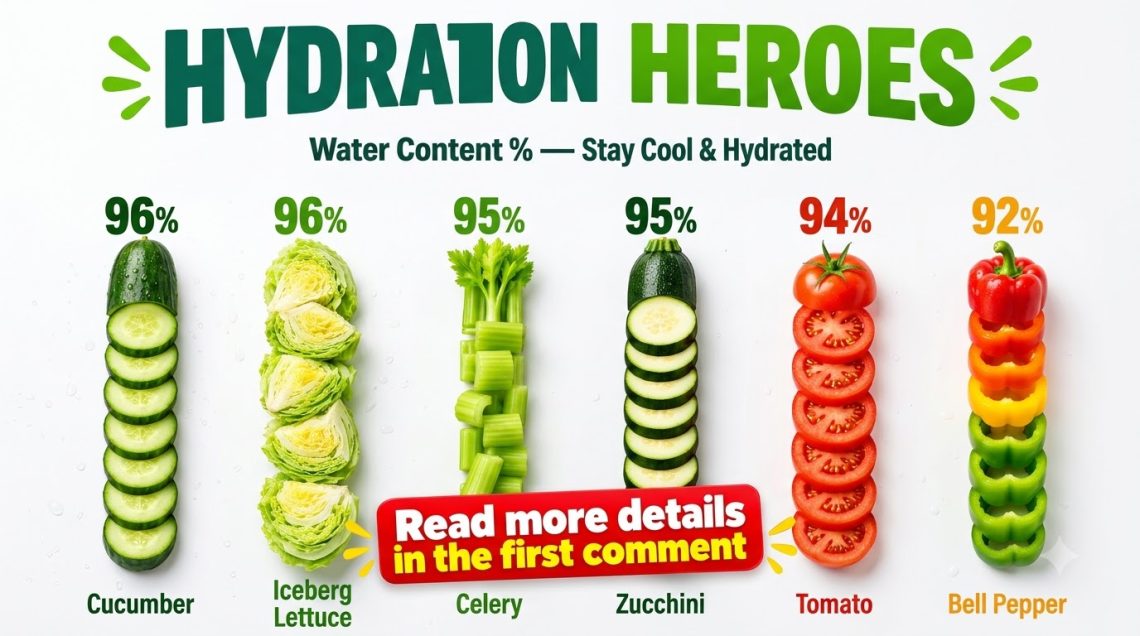
Staying properly hydrated is fundamental for overall health. It's not just about quenching your thirst; water plays a crucial role in almost every bodily function, from regulating body temperature to transporting...
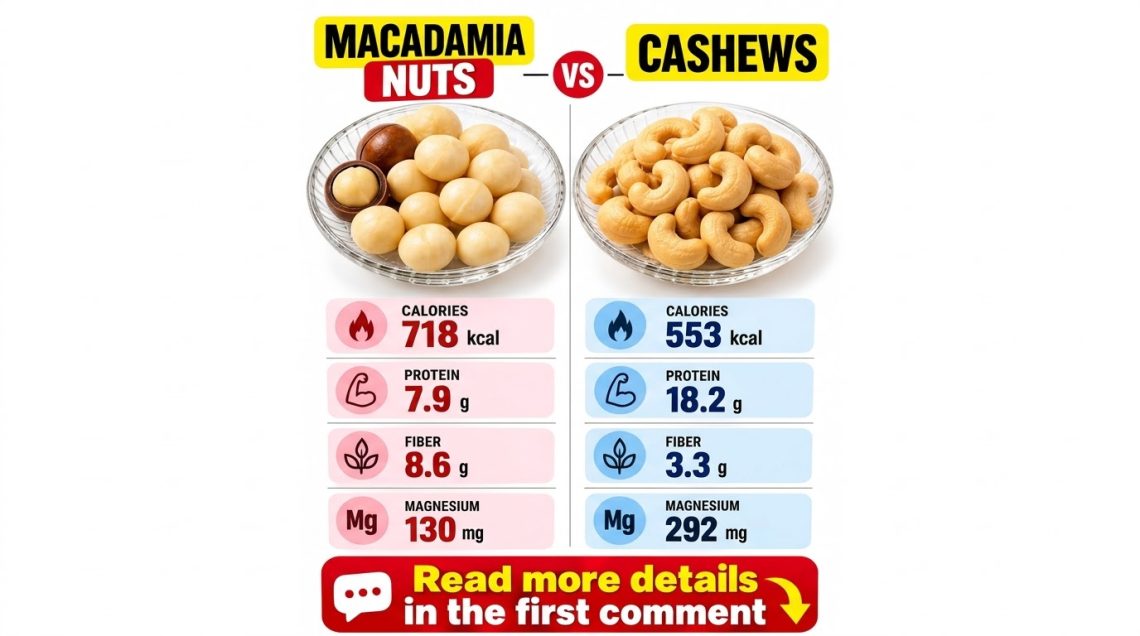
Macadamia vs. Cashew: Which Nut Reigns Supreme? Macadamia vs. Cashew: The Ultimate Nutritional Showdown! Welcome to the ultimate nut showdown! In the world of healthy snacking, macadamia nuts and cashews often steal the...
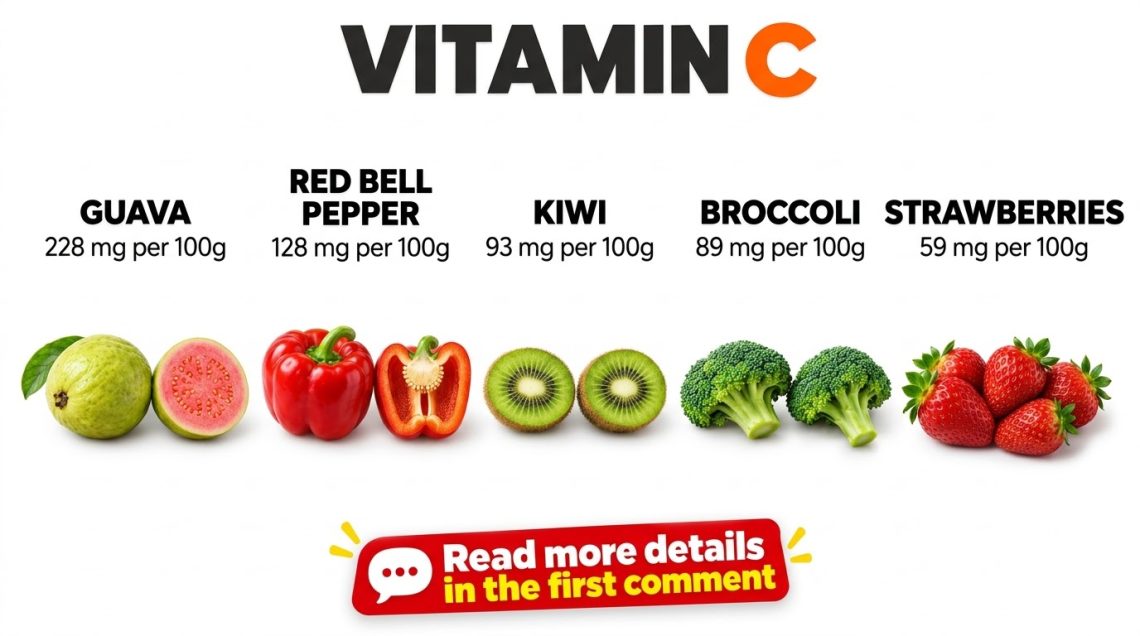
Are you looking for simple yet powerful ways to enhance your health? Look no further than Vitamin C! This essential nutrient is a true powerhouse, playing a vital role in everything from bolstering your immune system to...
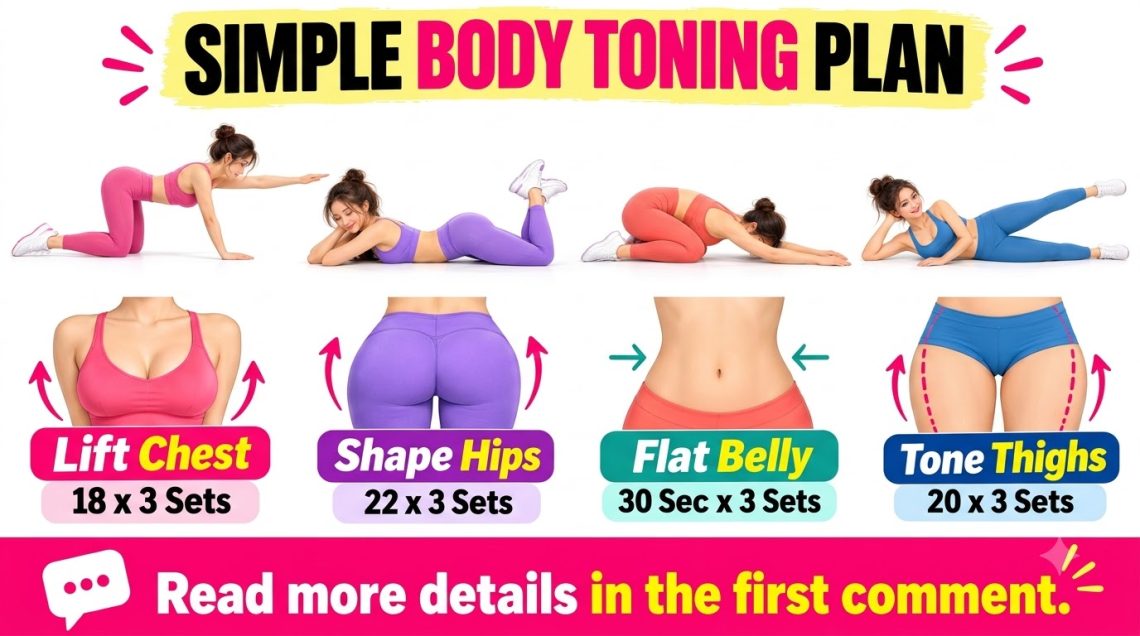
Your Simple At-Home Body Toning Plan! Are you looking for an accessible and effective way to feel stronger and more confident right from the comfort of your own home? You're in the right place! This comprehensive guide...
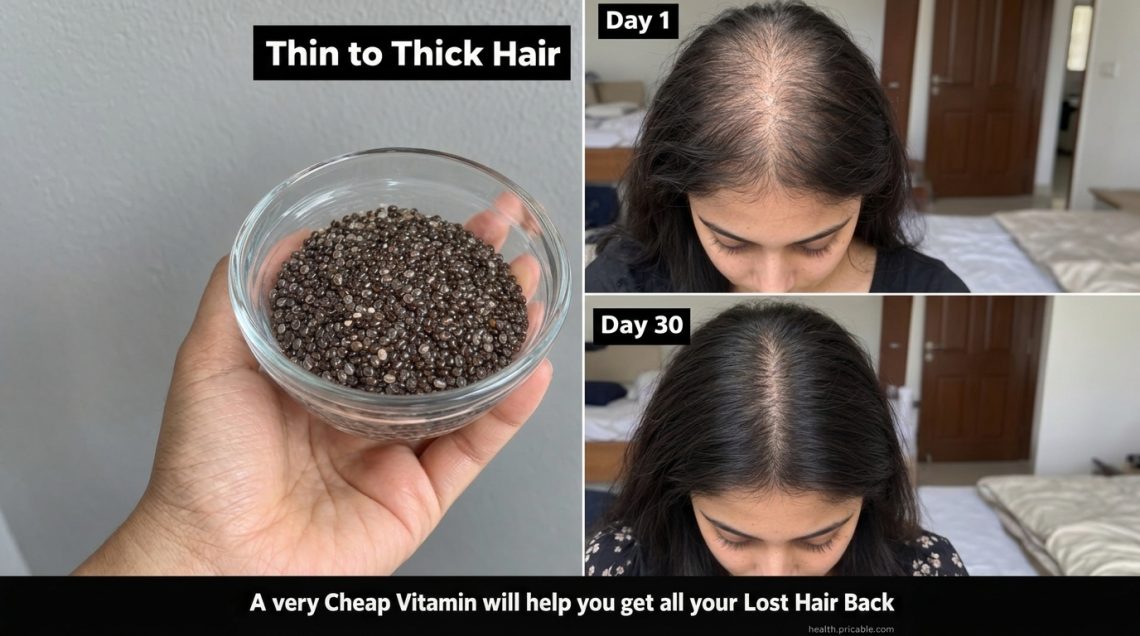
Tired of seeing thinning strands? Supporting healthy hair growth can start right in your kitchen with accessible vitamins and nutrient-rich foods. This guide focuses on how daily nutrition can contribute to a fuller,...
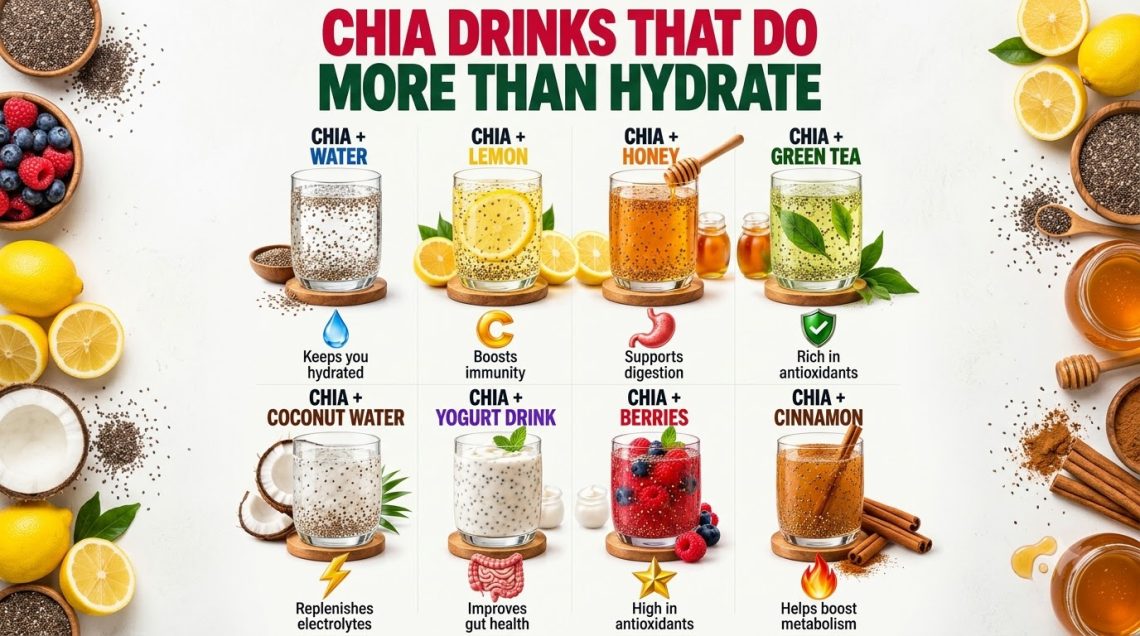
Are you looking for a simple yet powerful way to boost your daily wellness? Look no further than chia seeds! These tiny powerhouses are more than just a passing trend; they're packed with nutrients and can transform your...
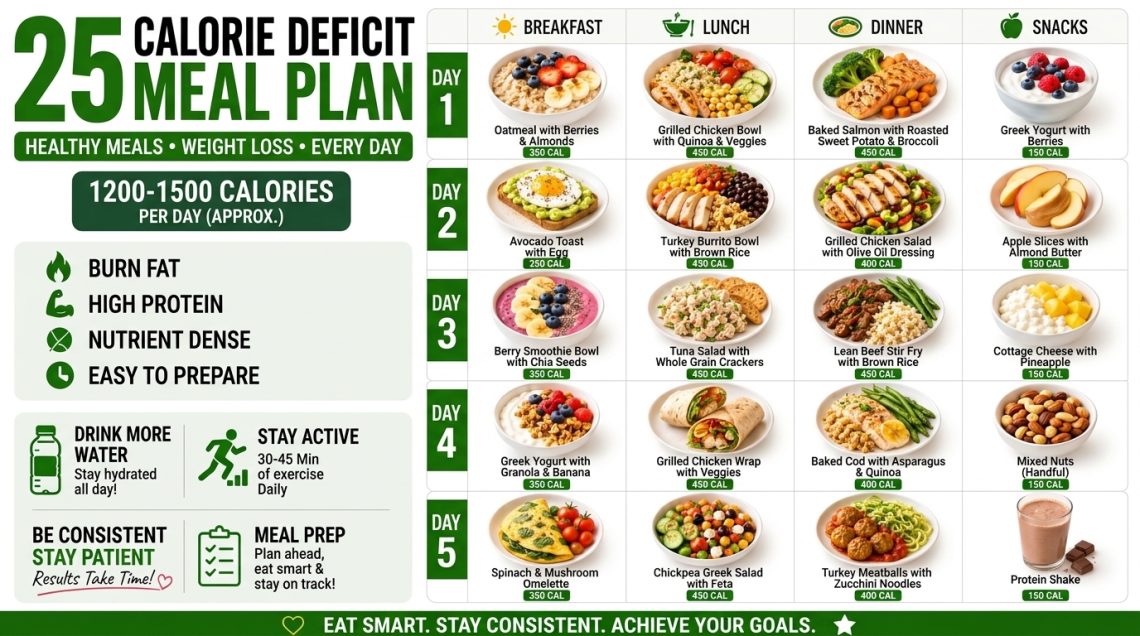
Unlock Your Potential: Embrace a Balanced Eating Plan Have you ever felt overwhelmed by the idea of eating healthier or managing your weight? It's a common feeling! The good news is that approaching your health goals...
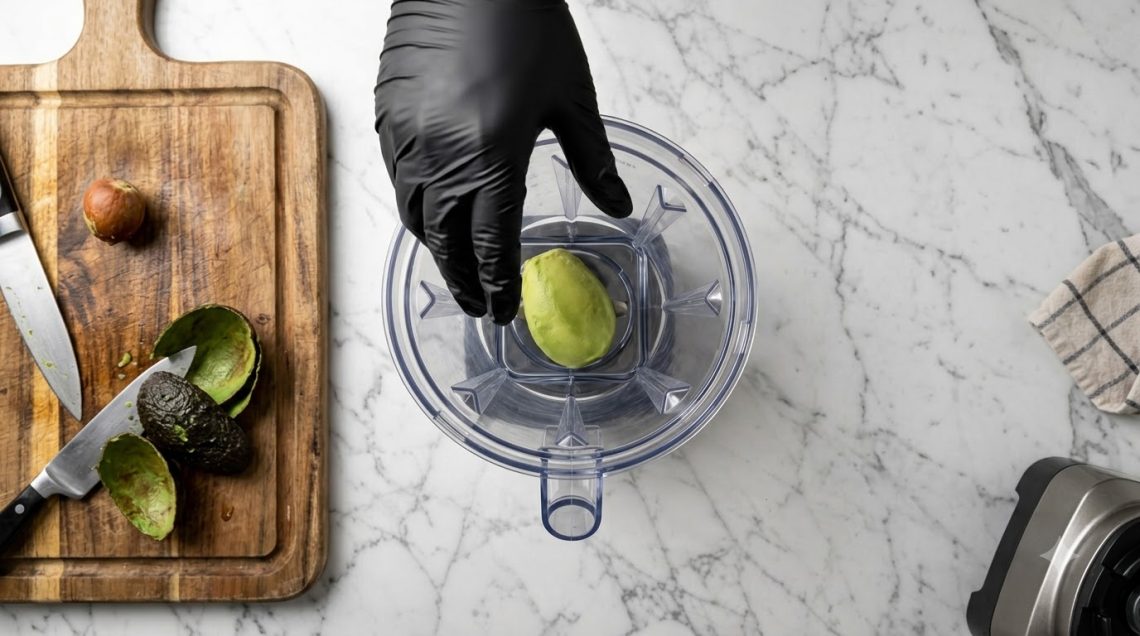
Embracing a healthy lifestyle doesn't have to be complicated, and it certainly doesn't have to sacrifice flavor! If you're looking for a simple yet incredibly nutritious way to kickstart your day or re-energize in the...

Are you looking for a truly nutritious way to kickstart your day? Our Healthy Egg Smoothie is a game-changer for anyone seeking a protein-packed breakfast that’s quick, easy, and incredibly satisfying. Forget the frying...
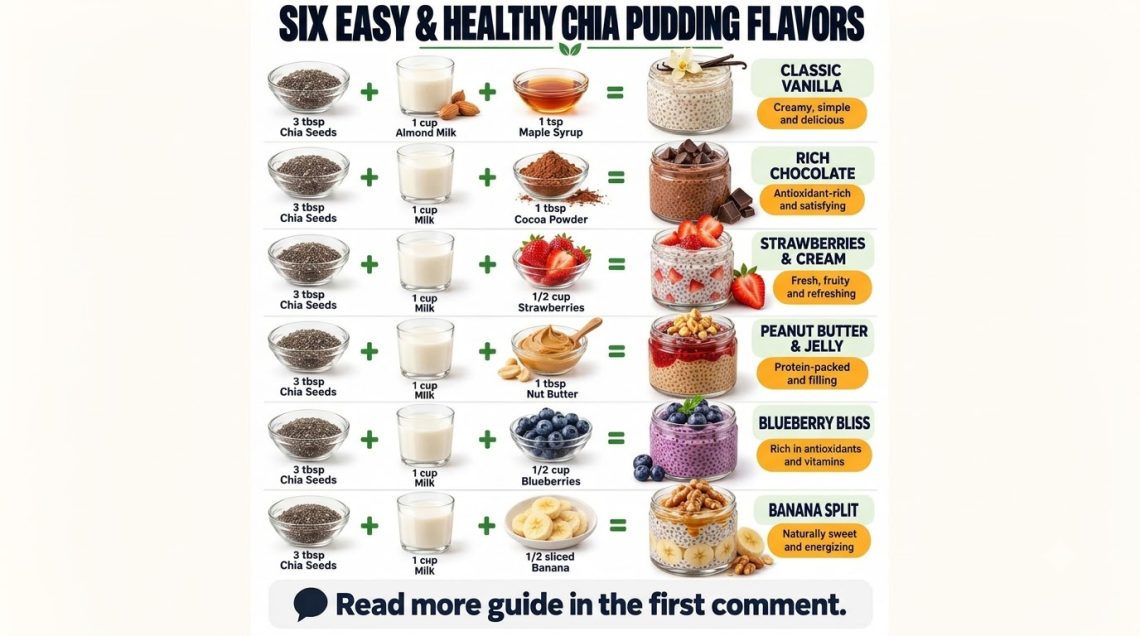
Looking for a simple, nutritious, and delicious way to kickstart your day or enjoy a healthy snack? Look no further than chia pudding! These tiny seeds are powerhouse ingredients, brimming with fiber, omega-3 fatty acids...