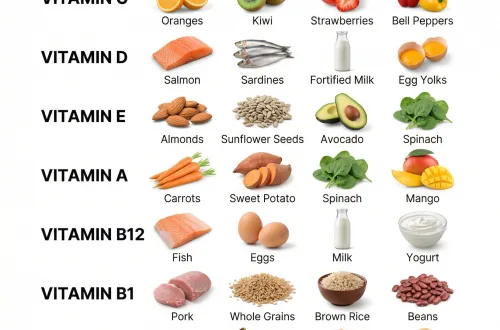
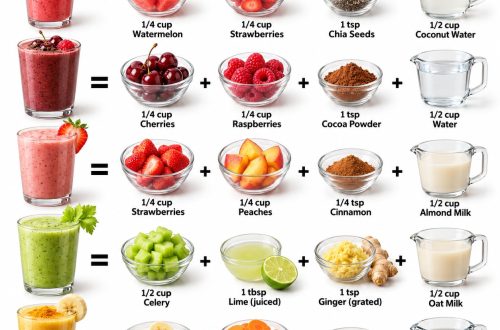
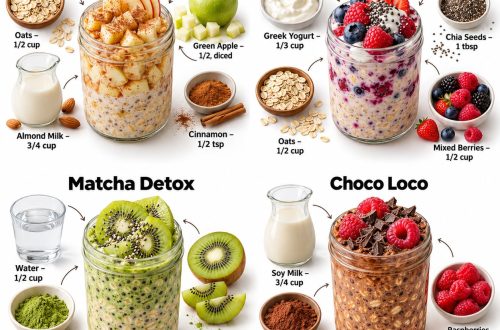
Fatigue, tight muscles, brain fog, poor sleep, slow recovery — these often trace back to missing minerals, not a lack of willpower. Food, not pills, is where the body recognizes and absorbs these nutrients best, because minerals arrive with fiber, fats, and cofactors that help them actually get into your cells.
Magnesium foods – for calm, sleep, and release
Magnesium is involved in hundreds of reactions that control muscle relaxation, nervous system balance, sleep quality, and stress response. When levels are low, the body often whispers through:
-
Constant tiredness
-
Muscle tightness or cramps
-
Restless, shallow sleep
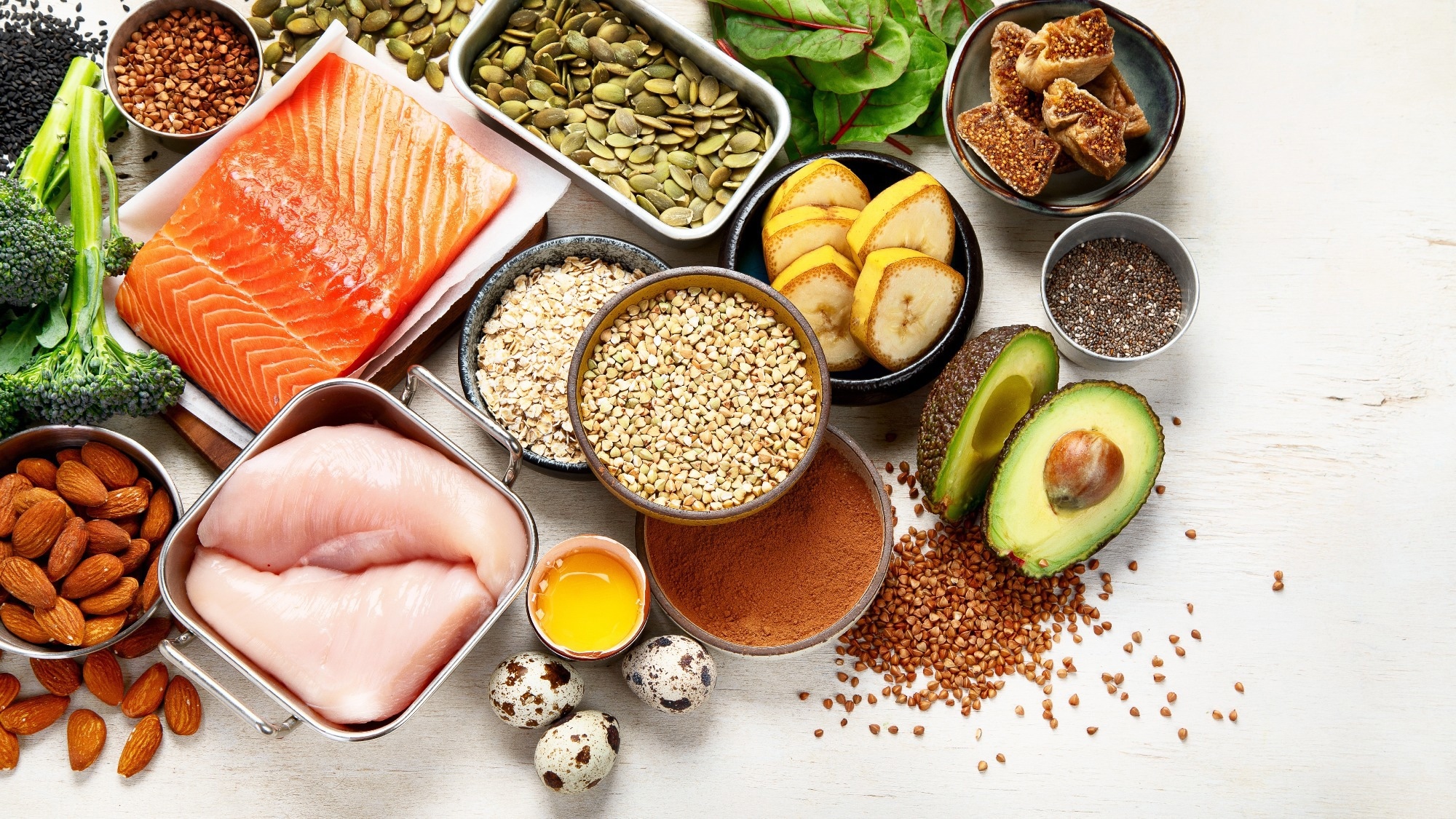
Best food sources:
-
Spinach and leafy greens
-
Oats
-
Pumpkin seeds
-
Bananas
From food, magnesium is absorbed slowly and steadily, which improves how cells use it and reduces the digestive upset that some people feel with high-dose supplements.
Zinc foods – for immunity and recovery
Zinc is crucial for immune defense, tissue repair, hormone production, and wound healing. When intake is low, common signs include:
-
Getting sick often
-
Slow recovery after workouts, illness, or stress
-
Low, dragging energy

Best food sources:
-
Eggs
-
Yogurt
-
Broccoli
-
Seeds (pumpkin, sunflower)
In food, zinc comes packaged with proteins and fats that improve tolerance and help avoid the nausea or absorption issues many people get with zinc tablets.
Omega-3 foods – for brain fog and inflammation
Omega-3 fatty acids support brain function, nervous system signaling, and inflammation control. When intake is low, people often notice:
-
Brain fog and poor focus
-
Joint stiffness
-
A background feeling of low-grade inflammation
Best food sources:
-
Salmon
-
Sardines
-
Walnuts
-
Avocado (also supports healthy fats overall)
Whole foods provide omega-3s alongside antioxidants and other nutrients that help protect these delicate fats from oxidation and support brain and joint health more completely than isolated capsules.
Why real food beats pills for most people
Supplements give you a single nutrient. Food gives you a network:
-
Fiber that nurtures the gut, where much of absorption happens
-
Fats that boost the bioavailability of fat-soluble nutrients
-
Natural mineral ratios that lower the risk of creating new imbalances
Targeted supplements still matter in diagnosed deficiencies, but for most people, rebuilding mineral status happens more effectively and safely through consistent, mineral-rich meals.
The real takeaway
If you feel:
-
Tired even after a full night’s sleep
-
Tense for no clear reason
-
Foggy despite “eating healthy”
The problem is often what’s missing, not just what to cut out. Your body is not asking for more pills — it is asking for magnesium, zinc, and omega-3s in real food, day after day. Build your plate around these, and better energy, clearer focus, and smoother recovery tend to follow as a natural consequence, not a forced effort.