Most people grow up hearing, “Eat carrots for your eyes.” Carrots can help, but they are not the whole story. Your eyes need daily protection from light exposure, screen time, dryness, and normal aging. The good news is that food can help support your vision from multiple angles, especially when you choose nutrients that protect the retina and keep the eye surface comfortable.
Most people never realize this works because eye support is not dramatic. It builds quietly through small, repeated choices.
1) Egg Yolk (lutein + zeaxanthin)
Egg yolk contains lutein + zeaxanthin, two carotenoids that concentrate in the retina. Think of them as “internal sunglasses” that support visual sharpness and comfort.
Easy ways to eat it:
- Add one egg yolk to scrambled eggs.
- Make a soft-boiled egg for breakfast.
2) Spinach (retinal protection)
Spinach is a classic for retinal protection because it is rich in protective plant compounds that support the macula and help balance oxidative stress.
How to add it:
- Toss spinach into soups and noodles.
- Sauté lightly with garlic for a fast side dish.
3) Corn (eye antioxidants)
Corn provides eye antioxidants, including carotenoids that support day-to-day protection, especially when you are around screens and bright light.
Try it like this:
- Add corn to salads or rice bowls.
- Mix corn into omelets or stir-fries.

4) Orange Peppers (vitamin C)
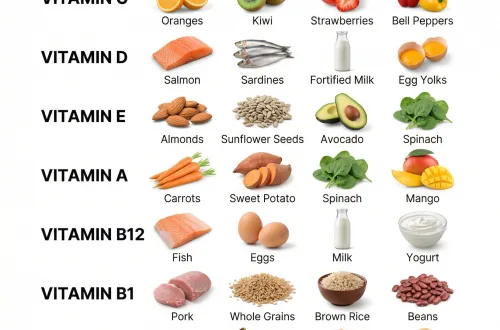
Orange peppers are loaded with vitamin C, which supports collagen and helps maintain the small blood vessels that feed the eyes.
How to use them:
- Slice and snack with hummus.
- Chop into salads for crunch and color.
5) Kiwi (oxidative defense)
Kiwi supports oxidative defense and is a simple way to boost vitamin C and plant antioxidants in one serving.
Easy ideas:
- Eat kiwi as a snack after lunch.
- Add sliced kiwi to yogurt bowls.
6) Almonds (vitamin E)
Almonds are a convenient source of vitamin E, a key nutrient for protecting cell membranes, including delicate tissues in the eyes.
How to eat them:
- Have a small handful with fruit.
- Sprinkle chopped almonds on oatmeal.
7) Blueberries (eye circulation)
Blueberries support eye circulation and antioxidant balance, which matters when your eyes feel tired, dry, or strained.
Simple options:
- Add blueberries to smoothies.
- Eat them as a sweet snack instead of candy.

8) Fatty Fish (retinal structure)
Fatty fish supports retinal structure because omega-3 fats are part of the retina and can help with tear quality and dryness for many people.
How to include it:
- Eat fatty fish 2 times per week when possible.
- Pair with spinach for a strong “eye plate.”
9) Sweet Potatoes (beta-carotene support)
Sweet potatoes provide beta-carotene, which the body can convert into vitamin A. This nutrient supports low-light vision and helps keep the surface of the eyes comfortable and moist.
Easy ways to eat them:
-
Roast sweet potato cubes with olive oil.
-
Mash and serve as a simple side with fish or eggs.
10) Avocado (healthy fats for nutrient absorption)
Avocado offers healthy fats that help your body absorb fat-soluble eye nutrients like lutein and zeaxanthin. It also supports overall eye comfort, especially for people dealing with dryness.
How to add it:
-
Slice avocado onto toast with eggs.
-
Add cubes to spinach or pepper salads.
How to Build a Daily Plate Using These Foods
You do not need all 8 every day. Aim for 3–5 daily, then rotate weekly.
Here is a simple day:
- Breakfast: Eggs (include egg yolk) + sautéed spinach
- Snack: Kiwi + a small handful of almonds
- Lunch: Rice bowl with corn + orange peppers
- Dinner: Fatty fish + spinach
- Optional: Blueberries for dessert
When You’ll Notice Changes (Realistic Timeline)
Eye nutrition works like skin care. It is subtle and steady.
- Within 3–7 days: some people notice less “heavy” eye fatigue if they hydrate and add omega-3 foods.
- Within 2–4 weeks: steadier comfort and less dryness for many people, especially with fatty fish and vitamin E foods.
- Within 8–12 weeks: this is where longer-term support may be more noticeable, especially when screen habits improve too.
Tips to Combine Them Effectively
- Pair egg yolk + spinach for a lutein/zeaxanthin boost with supportive greens.
- Combine fatty fish + orange peppers for omega-3 plus vitamin C support.
- Use almonds + blueberries for an easy snack that supports antioxidant balance.
- Eat kiwi after meals if it is too acidic on an empty stomach.
Quick Safety Notes
- These foods support eye health, but they do not replace eye exams. If you have sudden vision changes, eye pain, flashes, or new floaters, seek medical care promptly.
- If you have allergies (nuts, fish, eggs), swap within your tolerated foods and focus on variety.
Final Takeaway
Eye health is built from variety and consistency, not one single food. By rotating these 10 eye-supporting foods, you give your eyes steady protection against daily strain, screens, and aging.
💡 Save this guide if you want to support your vision naturally.
👀 Share it with someone whose eyes feel tired or dry by the end of the day.