If you feel hungry again an hour after eating, or your digestion feels slow and “stuck,” fiber is usually the missing piece. Fiber helps you stay satisfied, supports regularity, and feeds beneficial gut bacteria. The best part is you do not need complicated supplements to get more of it.
Most people never realize this works because fiber does its magic quietly. You feel it as steadier appetite, smoother digestion, and fewer random cravings.
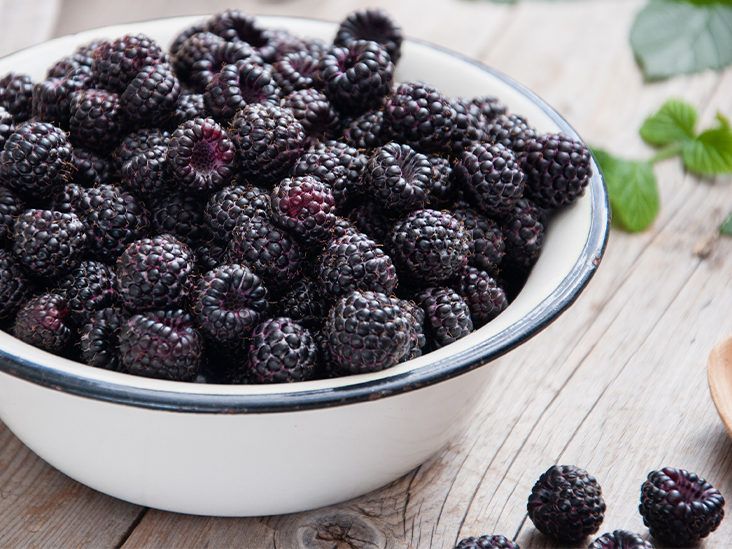
1) Blackberries — 8 grams
Blackberries are a fiber powerhouse that also brings deep-colored antioxidants. The tiny seeds add extra “bulk,” which can support regular bowel movements and fuller-feeling snacks.
Easy ways to eat them:
- Add to yogurt or oatmeal.
- Blend into a smoothie, then drink slowly for better fullness.
2) Avocado — 10 grams
Avocado is one of the most filling fruits because it combines fiber with healthy fats. This combo supports stable energy and can help reduce the urge to snack constantly.
Easy ways to eat it:
- Mash on toast with a pinch of salt.
- Add diced avocado to salads or rice bowls.
3) Raspberries — 8 grams
Raspberries are high in fiber and naturally tangy, which makes them perfect when you want something sweet but not heavy. They are also a great “volume” fruit, meaning you get a lot per cup.
How to use them:
- Top chia pudding or overnight oats.
- Pair with nuts for a balanced snack.
4) Figs — 5 grams
Figs offer gentle fiber and a naturally sweet taste that can help replace desserts. They can be especially helpful when you want a more “comforting” fruit option.
Try this:
- Slice into oatmeal or yogurt.
- Add to a snack plate with nuts.
5) Skin-on apples — 5 grams
Apples with the skin on provide fiber that supports digestion and helps you feel satisfied. The peel matters because that is where a lot of fiber is concentrated.
How to eat them:
- Keep the skin on and slice for snacks.
- Pair with nut butter for longer-lasting fullness.
6) Prunes — 12 grams
Prunes are the highest-fiber option on this list. They are well known for supporting regularity because they combine fiber with natural compounds that help stools stay soft and easier to pass.
How to use prunes:
- Eat a small portion as a snack.
- Chop into oatmeal or yogurt.

7) Dates — 7 grams
Dates are sweet and dense, and their fiber can help slow the sugar “spike” you might feel from sugary snacks. They work best when paired with protein or fat.
How to eat them:
- Stuff with nut butter for a quick snack.
- Chop into oatmeal instead of using sugar.
8) Pomegranate — 7 grams
Pomegranate arils deliver fiber plus a satisfying crunch. They also add freshness to meals, which helps you enjoy healthy eating more consistently.
Simple ideas:
- Sprinkle on salads.
- Add to yogurt bowls for texture.
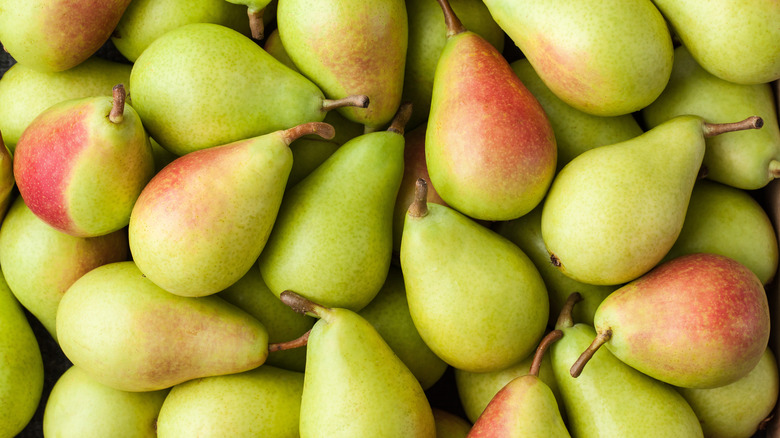
9) Skin-on pears — 6 grams
Pears with skin on are a classic for gentle digestion support. Their fiber and water content can feel especially soothing when you want something soft and easy to chew.
How to use them:
- Eat with the skin on for best fiber.
- Slice into oatmeal or add to a snack plate.
How to Build a Daily Plate Using These Fruits
You do not need every fruit every day. Pick 2–3 servings daily, and rotate through the week.
A simple, realistic day could look like this:
- Breakfast: Oatmeal topped with raspberries or blackberries
- Snack: Skin-on apple or skin-on pear
- Dessert or evening snack: A small serving of prunes or dates
- Lunch add-on: Pomegranate sprinkled on a salad, plus avocado in the meal
When You’ll Notice Changes (Quick Relief Timeline)
Fiber benefits show up fast when you increase it steadily.
- Within 24–72 hours: you may feel fuller between meals and notice more “movement” in digestion
- Within 1–2 weeks: more regular bowel habits and fewer random cravings
- Within 3–4 weeks: a steadier gut rhythm and better appetite control, especially if hydration is consistent
Tips to Combine Them Effectively
- Pair sweeter fruits like dates and prunes with protein or fat to avoid energy crashes.
- Keep skins on for skin-on apples and skin-on pears to maximize fiber.
- Increase fiber gradually and drink more water, especially if you add prunes often.
Simple Safety Notes
- If you are not used to high fiber, adding too much too quickly can cause gas or bloating. Increase portions slowly.
- If you have blood sugar concerns, focus on pairing fruit with protein or fat, and keep portions mindful.
- If constipation is severe or persistent, or you have pain or bleeding, seek medical advice.
Final Takeaway
If you want a food-first way to feel fuller and support digestion, these 9 high-fiber fruits are an easy place to start. Choose 2 – 3 per day, rotate them, and let consistency do the work.
Save this guide if you want to try it later.
Share this with someone who wants more fiber without complicated diet rules.