Fruit pairing blood sugar strategies focus on how combining fruit with protein, fat, or fiber can reduce glucose spikes. Why pairing fruit can change your blood sugar response
Fruit isn’t the problem.
How we eat fruit is.
Many people notice that fruit alone makes them feel hungry again quickly — or gives a short burst of energy followed by a crash. That doesn’t mean fruit is “bad.” It usually means the fruit was eaten without the foods that slow digestion and stabilize blood sugar.
This is where pairing matters.
When fruit is eaten with protein, fat, or fiber, the body processes sugars more slowly. The result is steadier energy, better satiety, and a calmer glucose response.
Fruit Pairing Blood Sugar: Why Pairing Matters More Than Fruit Itself
Fruit contains natural sugars, but it also contains water, fiber, and micronutrients.
The issue is speed, not sugar.
When fruit is eaten by itself:
-
Carbohydrates digest quickly
-
Glucose enters the bloodstream faster
-
Hunger can return sooner
Pairing fruit with the right foods helps slow that process — without removing fruit from your diet.
Best Protein Foods to Pair With Fruit for Blood Sugar Stability
The infographic highlights eight simple pairings. Each works through a slightly different mechanism.
Yogurt — Protein Buffer
Protein slows gastric emptying and helps blunt sharp glucose rises.
Pair fruit with plain yogurt to create a more balanced snack or breakfast.
Example: berries + Greek yogurt

Nuts — Fat Delay
Healthy fats delay carbohydrate absorption and improve satiety.
A small handful is enough to change the response.
Example: apple slices + almonds
Cottage Cheese — Insulin Anchor
High in protein and low in sugar, cottage cheese provides a steady metabolic anchor.
Example: pineapple + cottage cheese
Seeds — Digestion Slow
Seeds add fiber and fat, both of which slow digestion.
Example: berries + chia or pumpkin seeds
Eggs — Satiety Boost
Protein-rich and filling, eggs reduce post-meal hunger when paired with fruit.
Example: fruit on the side of eggs, not instead of them
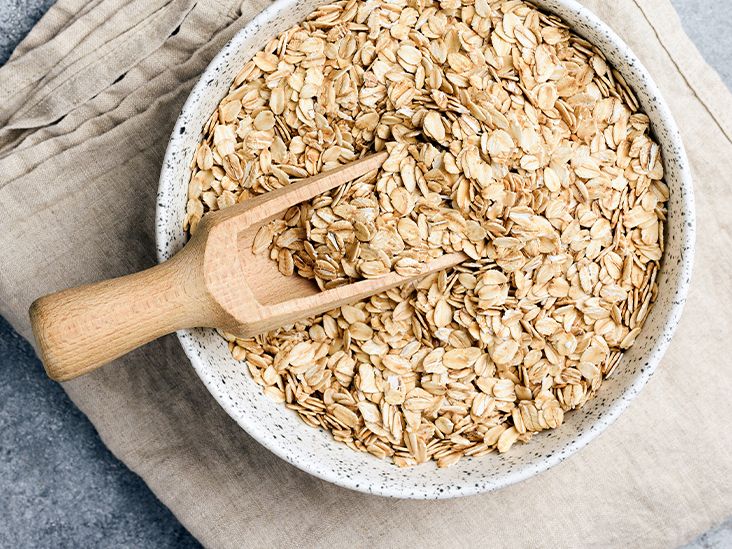
Oats — Beta-Glucan Fiber
Oats contain beta-glucan, a soluble fiber known to slow glucose absorption.
Example: oats + banana or berries
Kefir — Fermented Balance
Fermented dairy supports gut health and slows carbohydrate processing.
Example: fruit blended into plain kefir
Dark Chocolate — Sugar Moderation
In small amounts, dark chocolate adds fat and polyphenols that slow sugar uptake.
Example: berries + a square of dark chocolate (70%+)
A Simple Rule to Remember
Fruit works best when it’s not eaten alone.
You don’t need complicated tracking or restrictions.
Just add one of these:
-
protein
-
fat
-
fiber
That’s often enough to create a completely different metabolic response.
What This Means for Blood Sugar Stability
Pairing fruit doesn’t “lower” blood sugar — it changes the curve.
Instead of:
-
fast rise → fast drop
You get:
-
slower rise → steadier energy
For many people, this matters more than avoiding fruit altogether.
This is also why fruit often behaves differently when eaten:
-
as part of a meal
-
after protein
-
or with fiber-rich foods
Do You Need to Track Your Response?
Some people notice these differences immediately. Others don’t feel them as clearly.
That’s why glucose response can vary based on:
-
meal composition
-
timing
-
stress and sleep
-
individual metabolism
Some people choose to observe patterns using food journaling or blood sugar monitoring tools, while others rely on appetite and energy cues alone.
Both approaches are valid.
Frequently Asked Questions
Is fruit bad for blood sugar?
No. Fruit is generally well tolerated when eaten with protein, fat, or fiber.Which fruit spikes blood sugar the most?
Response varies by person, portion size, and what the fruit is eaten with.Is pairing more important than portion size?
Both matter, but pairing often has a bigger effect on how fruit feels afterward.Should people with insulin resistance avoid fruit?
Many can still include fruit when paired properly, but individual responses differ.Is monitoring blood sugar necessary?
Not always. Some people benefit from tracking; others do well using hunger, energy, and consistency as guides.
Final Takeaway
Fruit doesn’t need to be removed — it needs context.
When paired with protein, fat, or fiber, fruit becomes:
-
more filling
-
more stable
-
easier on energy levels
Instead of asking “Should I eat fruit?”, a better question is:
“What should I eat fruit with?”
This article is for general informational purposes and does not replace medical advice.
Research on protein and fat slowing glucose absorption has been widely discussed in nutrition science
(https://www.ncbi.nlm.nih.gov/pmc/articles/PMC6950552/)