Antioxidants are one of those nutrition words people hear all the time, but the real benefit is often explained poorly.
Your body naturally creates oxidative stress as part of normal metabolism. Add in poor sleep, stress, pollution, hard training, processed food, and not enough produce, and that oxidative load can rise even more. That is where antioxidant rich foods become useful. They help support your body’s defenses and protect cells from everyday wear and tear.
Most people think antioxidants only come from berries or green drinks. In reality, some of the best sources are foods you can use every week, from berries and apples to beans, greens, garlic, and even eggs.
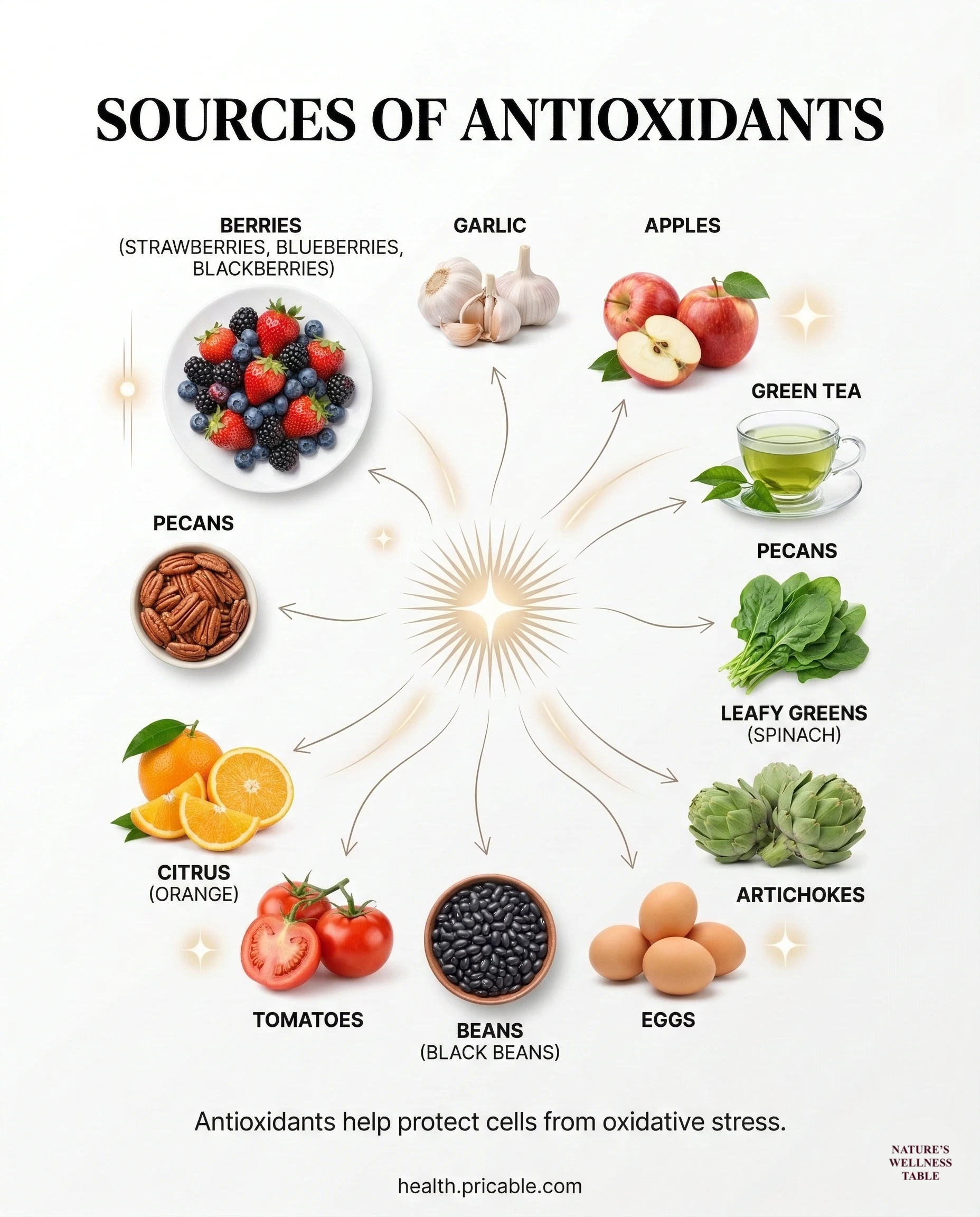
This visual guide highlights simple foods that help support antioxidant intake in a realistic, food first way.
Why antioxidants matter
Antioxidants help the body manage oxidative stress, which is the imbalance between unstable molecules and the body’s ability to neutralize them.
That does not mean antioxidants are magic. They do not “cancel out” a poor lifestyle overnight. But a diet rich in antioxidant foods can support:
- healthier aging
- better recovery from daily stress
- stronger cell protection
- more colorful, nutrient-dense meals
- long-term heart, skin, and metabolic health
The key is variety. Different antioxidant foods bring different protective compounds.
1. Berries: small fruit, big antioxidant value
The image starts with berries, including strawberries, blueberries, and blackberries. This is one of the strongest groups for antioxidant intake because berries are rich in anthocyanins, vitamin C, and polyphenols.
Blueberries are especially well known for supporting brain and cellular health, while strawberries add a generous amount of vitamin C. Blackberries also bring fiber, which makes them even more helpful for blood sugar balance and digestive health.
An easy way to use them is to add berries to oatmeal, yogurt, chia pudding, or simply keep frozen berries on hand for smoothies.
2. Garlic: more than a flavor booster
Garlic is often overlooked in antioxidant discussions because people think of it mainly as seasoning. But garlic contains sulfur compounds and plant antioxidants that support the body in more ways than one.
It may not look like a “wellness food,” but it belongs in that category. Garlic makes savory meals more flavorful while adding protective compounds that fit well into a nutrient-dense eating pattern.
Use it in soups, roasted vegetables, stir-fries, dressings, and protein dishes. Fresh garlic tends to give the strongest flavor and the most useful punch.
3. Apples: practical, affordable, and underrated
Apples are one of the most accessible antioxidant foods. They contain polyphenols, vitamin C, and fiber, especially when you eat the skin.
This matters because not every antioxidant-rich food needs to be exotic or expensive. Apples are a reminder that simple foods still count.
They also help with satiety, making them a smart snack when paired with nuts or yogurt. If you want a steady-energy snack, apple slices with almond butter are hard to beat.

4. Green tea: a simple daily upgrade
Green tea is a classic antioxidant drink because it contains catechins, a type of polyphenol linked to cell protection and everyday wellness.
It is not a detox drink or a miracle metabolism booster, but it is a smart swap for sugary drinks and can be part of a strong morning or afternoon routine.
If coffee feels too harsh, green tea can be a gentler option. Drink it plain, or add a squeeze of lemon if you like a brighter taste.
5. Pecans: rich, satisfying, and protective
Pecans appear twice in the image, but they deserve one strong mention. Pecans are rich in healthy fats, vitamin E, and antioxidant compounds that support cell protection.
They also make meals more satisfying, which matters because nutrition works better when meals are enjoyable enough to repeat.
Use pecans in oatmeal, salads, snack mixes, or crushed over roasted vegetables. Because they are calorie-dense, a small handful is usually enough.
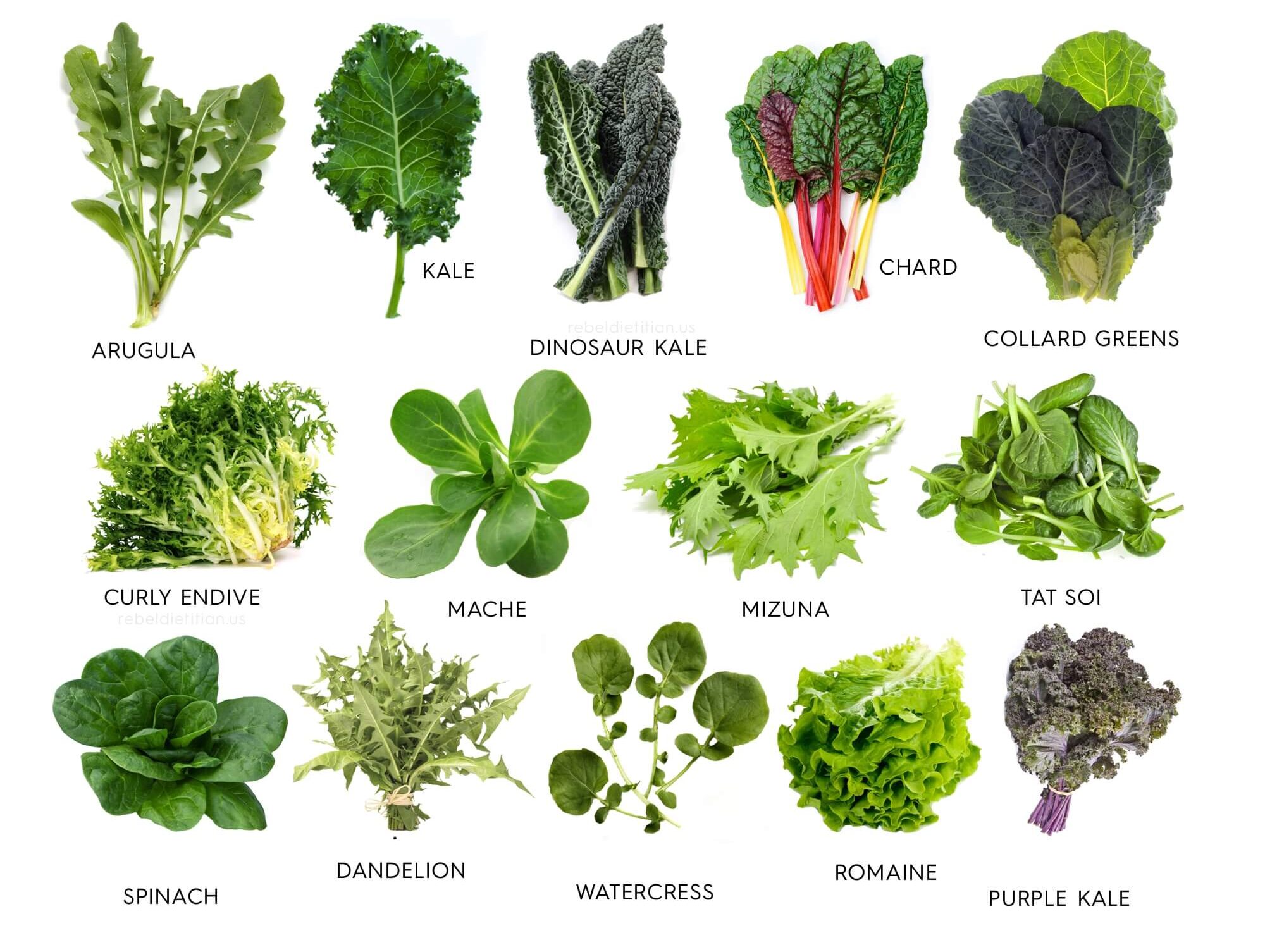
6. Leafy greens like spinach: everyday antioxidant support
The image highlights leafy greens, specifically spinach. Spinach provides vitamin C, beta-carotene, lutein, and other antioxidants that support eyes, skin, and overall cell health.
Leafy greens are one of the easiest foods to eat more often because they fit into almost anything. You can blend them into smoothies, stir them into soups, sauté them with garlic, or use them as a salad base.
They are not trendy, but they are consistently useful.
7. Artichokes: one of the most underrated antioxidant vegetables
Artichokes do not get as much attention as berries or greens, but they are a strong choice for both antioxidants and fiber.
They support digestion while also contributing to your overall antioxidant intake, which makes them especially helpful in meals that need more volume and more nutritional depth.
Canned or jarred artichoke hearts are the easiest option for most people. Add them to salads, pasta, grain bowls, or warm vegetable dishes.
8. Citrus fruits like oranges: fresh vitamin C support
Citrus fruits, especially oranges, are popular for a reason. They are one of the easiest ways to add vitamin C, which supports antioxidant defense and collagen formation.
They are also hydrating and naturally sweet, which makes them a better daily choice than many processed snack foods.
Eat oranges on their own, toss segments into salads, or pair citrus with iron-rich foods like spinach and beans to improve iron absorption.
9. Tomatoes: everyday antioxidant power
Tomatoes are rich in lycopene, one of the most studied antioxidant compounds in common foods. They also provide vitamin C and work well both raw and cooked.
Interestingly, cooked tomato products can sometimes make lycopene easier to absorb, especially when eaten with a little olive oil. That means tomato sauce, roasted tomatoes, and soups can all be smart choices.
10. Black beans: antioxidant benefits with fiber and protein
The image lists beans, specifically black beans. This is important because antioxidants are not only about fruit and vegetables. Black beans also contain protective plant compounds, along with fiber and plant protein.
That combination makes them useful for blood sugar support, fullness, and long-term meal quality.
Add black beans to bowls, soups, salads, tacos, or mash them into spreads for a simple nutrition upgrade.

11. Eggs: a surprising addition
Eggs may not be the first food people associate with antioxidants, but they do contain compounds like lutein and zeaxanthin, especially in the yolk. These are linked to eye health and everyday cellular protection.
Eggs also bring protein, which makes them a practical addition to a balanced meal rather than just an antioxidant food on paper.
How to build an antioxidant-rich plate
The easiest way is not to chase one superfood. It is to combine a few of these regularly:
- berries or citrus for fruit
- leafy greens or tomatoes for vegetables
- beans or eggs for meal structure
- garlic and green tea for extra support
- pecans for healthy fats and staying power
Final takeaway
Antioxidants help protect cells from oxidative stress, but the real secret is not one food. It is eating a wider range of colorful, whole foods more consistently.
If you want the simplest place to start, focus on this short list: berries, apples, green tea, spinach, tomatoes, black beans, and garlic. That alone can upgrade your meals in a meaningful way.