There is something deeply satisfying about seeing roots form in a clear glass of water.
A plain cutting on a windowsill suddenly becomes a living lesson in patience, timing, and care. Day by day, pale roots begin to curl and lengthen. Leaves stay fresh. A stem that might have been discarded becomes a new plant. For beginners, it feels almost magical. For experienced gardeners and homesteaders, it is something even better: practical.
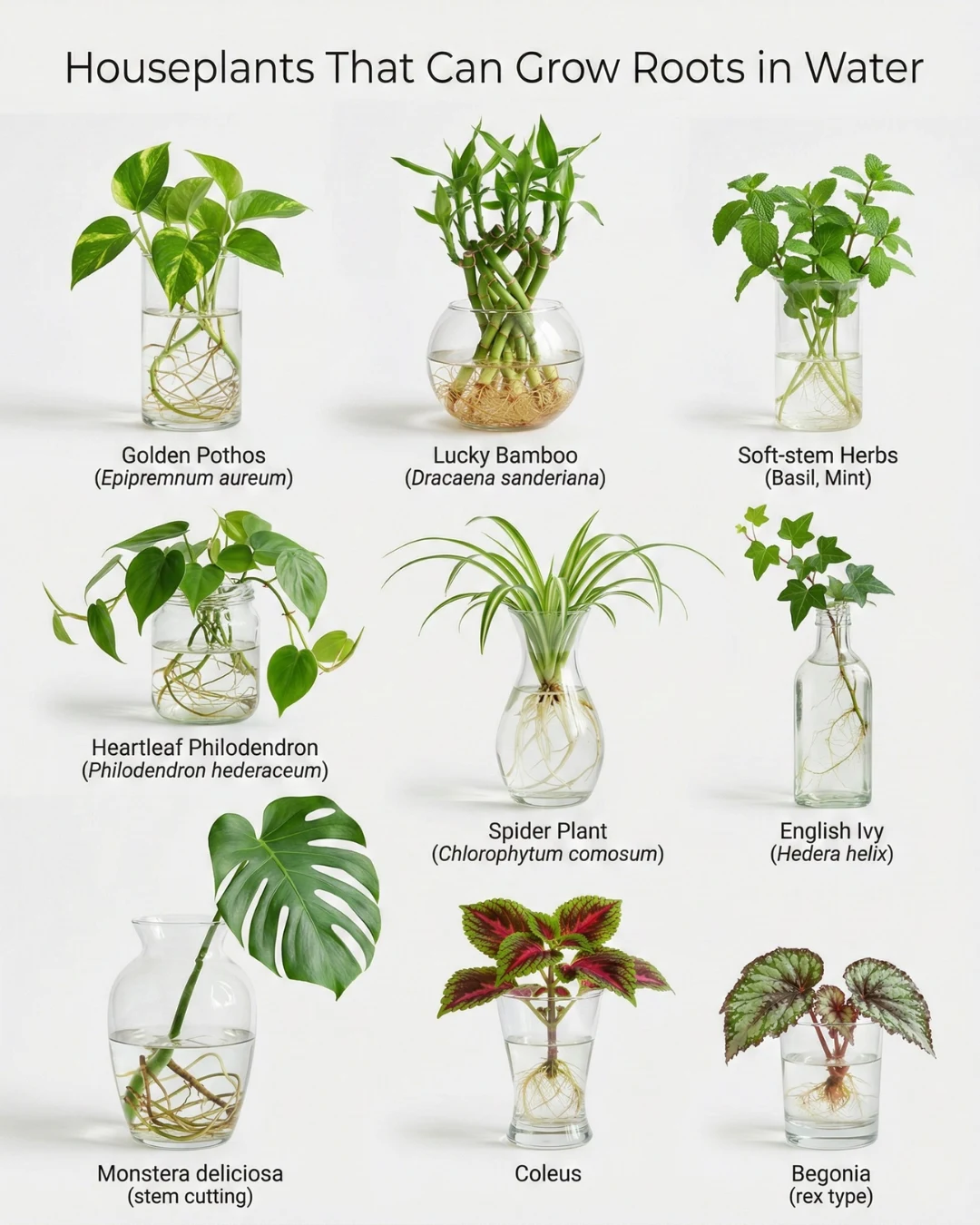
There are some of the best plants for water rooting and simple indoor propagation: Golden Pothos, Lucky Bamboo, soft-stem herbs like basil and mint, Heartleaf Philodendron, Spider Plant, English Ivy, Monstera deliciosa, Coleus, and Begonia. These are ideal starting points because they respond well to clean water, bright indirect light, and a little consistency.
And while water propagation may seem like a small indoor hobby, it teaches habits that carry into every part of good garden and farm care. Clean water matters. Observation matters. Timing matters. Healthy roots matter. The same mindset that helps a pothos cutting thrive in a jar also strengthens your seed starting, your greenhouse management, and even your daily livestock routine.
Let’s walk through how to do it well.
Why Water Propagation Is Worth Learning
Many gardeners first try propagation because they want free plants. That is reason enough. But the real value goes deeper.
Growing roots in water helps you:
- multiply favorite houseplants cheaply,
- rescue healthy cuttings from pruning,
- watch root health clearly,
- learn how different plants respond to moisture and light,
- and build confidence as a grower.
This is especially useful for busy growers who already manage outdoor beds, container gardens, poultry chores, or a small homestead. Water propagation is simple, visible, and forgiving when done correctly. It gives you a low-risk way to keep your growing instincts sharp, even during seasons when the outdoor garden is slower.
It also teaches one of the most valuable gardening tips of all: healthy growth begins below the surface.
The Best Houseplants Grow in Water
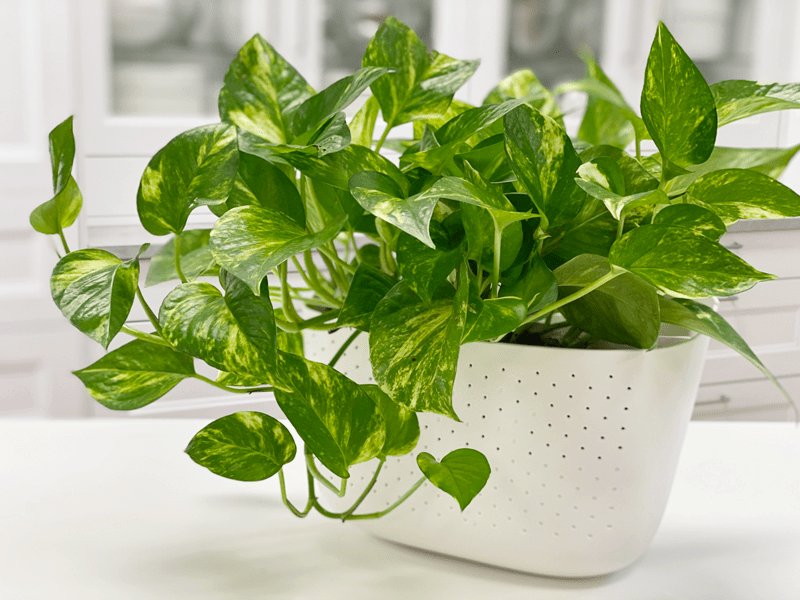
1. Pothos: roots in 7 to 10 days
Pothos is one of the easiest plants to propagate and one of the best for building confidence. It roots quickly, tolerates indoor conditions well, and bounces back even if the cutting was not perfect.
Choose a healthy vine with at least one node and one or two leaves. Place the node in clean water and keep the jar in bright, indirect light. Within a week or so, small white roots usually begin to appear.
Practical tip: Do not take overly long cuttings. Shorter sections with one or two nodes often root faster because the plant can focus energy on root production instead of supporting too much leaf mass.
2. Lucky Bamboo
Lucky bamboo is famous for its ability to live in water long term, not just root there temporarily. It is neat, clean-looking, and easy to maintain if you refresh the water regularly and keep it out of harsh direct sun.
This is a good reminder that some plants are not just being propagated in water—they can actually be displayed and grown that way for quite a while.

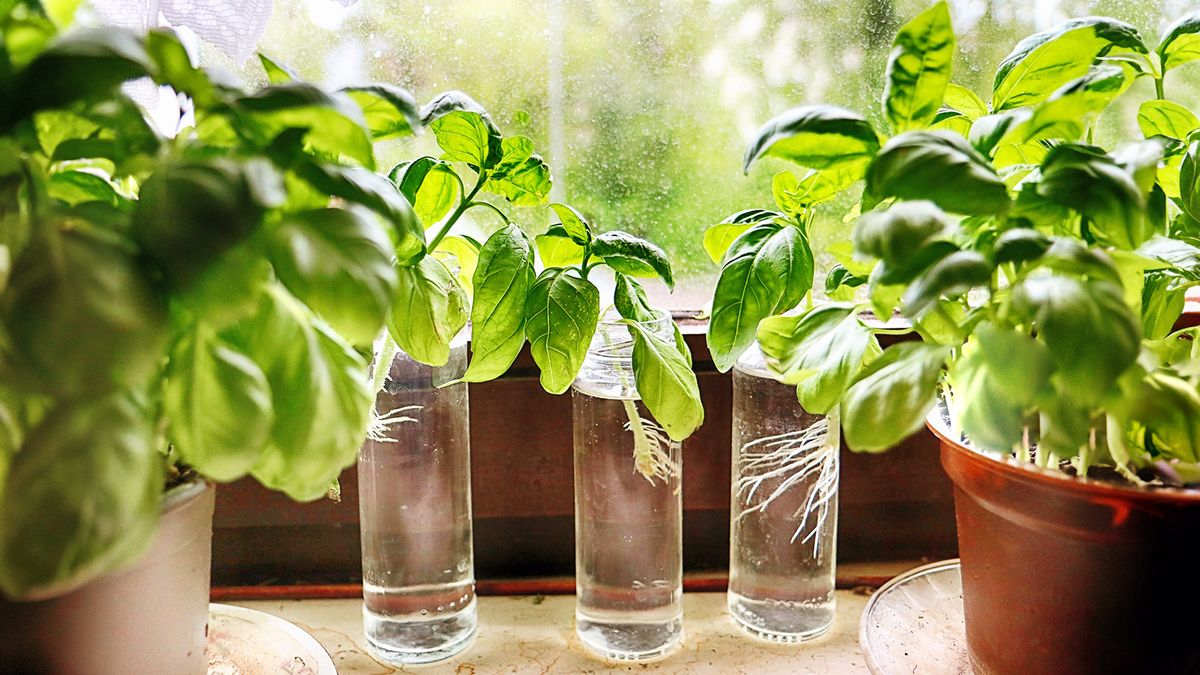
3. Soft-Stem Herbs: Basil and Mint
Basil and mint are especially rewarding because they bridge the gap between houseplant care and kitchen usefulness. Snip a healthy stem, remove the lower leaves, place it in water, and you may have roots soon enough to pot up a fresh herb plant.
Mint is especially vigorous. Basil is slightly more delicate but roots beautifully when the cuttings are fresh.
These herbs are perfect for growers who like practical returns. You are not just making more greenery. You are building fresh flavor into the kitchen.
4. Heartleaf Philodendron: roots in 7 to 14 days
Heartleaf philodendron is reliable, forgiving, and ideal for indoor propagation. It is similar to pothos in its growth habit, but often has a slightly softer, more delicate look.
Choose healthy vines with visible nodes and avoid weak, stretched stems from low-light conditions. Stronger cuttings root more evenly and transition better later on.
Practical tip: Rotate the jar every few days if the light is coming strongly from one side. This helps keep the cutting upright and prevents lopsided growth while roots form.

5. Spider Plant: roots in 1 to 3 weeks
Spider plants are especially rewarding because they produce baby plantlets naturally. These offsets are already designed to become new plants, so propagation is often straightforward.
Set the baby plant in shallow water so the base touches moisture without submerging too much of the crown. Once roots are established, transplant it into a light potting mix.
Practical tip: Choose plantlets that are mature enough to handle the transition. A baby with several small leaves and a defined base usually performs much better than one taken too early.

6. English Ivy: roots in 10 to 14 days
English ivy roots well in water and can be useful for filling hanging baskets or training along supports. It responds best when cuttings are taken from healthy, actively growing vines rather than older woody sections.
Practical tip: Keep a close eye on leaf drop. Ivy can react quickly to stale water or low airflow. If leaves start yellowing, change the water immediately and remove any soft stem tissue before it spreads.

7. Monstera deliciosa: roots in 2 to 4 weeks
Monstera takes longer than pothos or tradescantia, but it is still a very worthwhile plant to propagate. Look for a cutting with a node, and ideally an aerial root nub if one is present. That usually speeds things along.
Because monstera cuttings are larger, they need more stability in the container. A narrow-necked vase or jar can help keep the cutting in place without submerging too much stem.
Practical tip: Be patient before potting up. Wait until the new roots are several inches long and branching slightly. Moving monstera too early often slows it down instead of helping it.

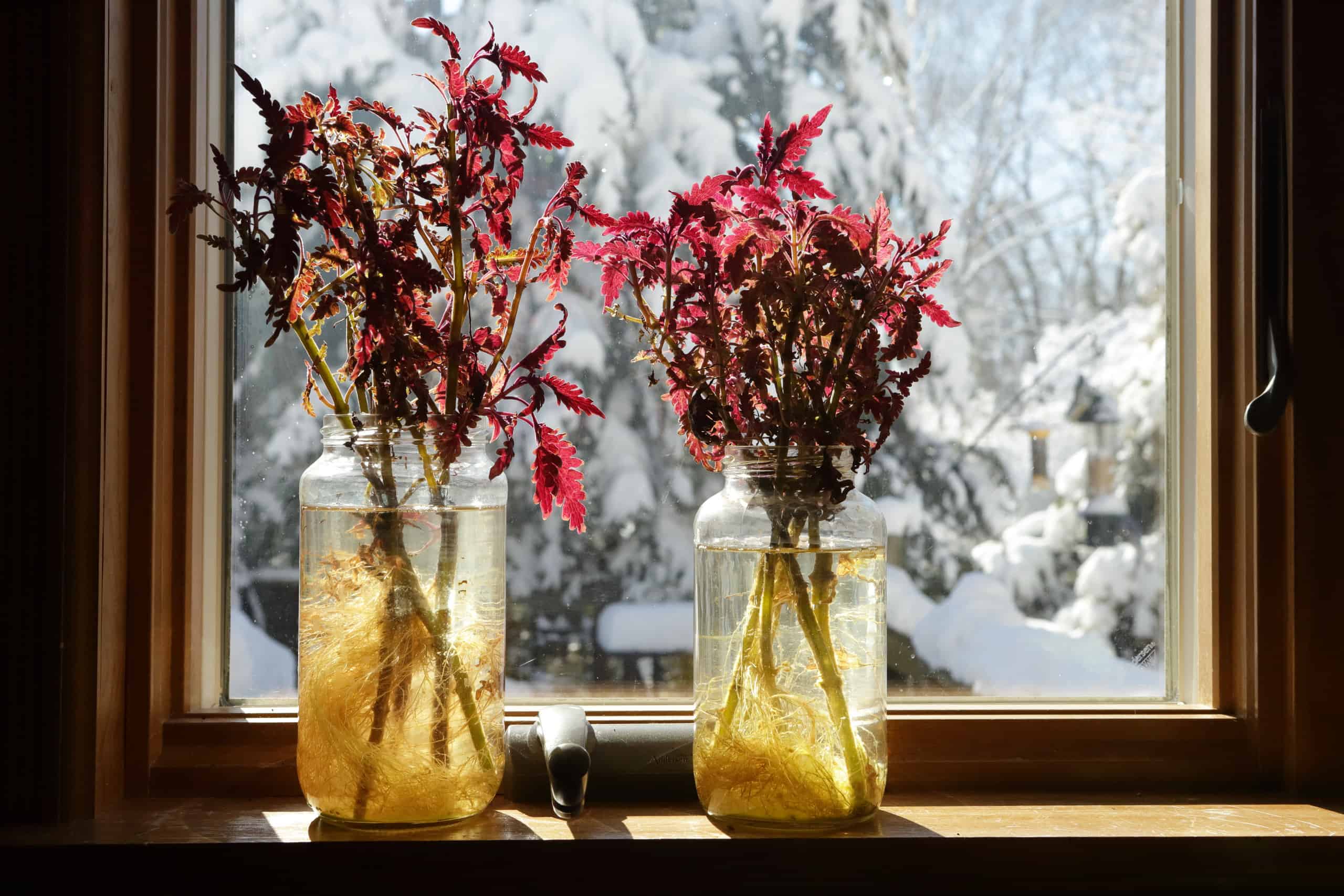
8. Coleus: roots in 5 to 10 days
Coleus is a favorite for fast color, and it propagates beautifully in water. This makes it useful not only for houseplant lovers but also for gardeners who want to multiply seasonal color plants quickly.
Because coleus grows fast, it can become soft and stretchy if kept in poor light. Always take cuttings from firm, healthy stems.
Practical tip: Pinch out the tip after transplanting if you want a bushier plant. Propagation gives you a head start, but shaping the young plant determines how full it becomes later.
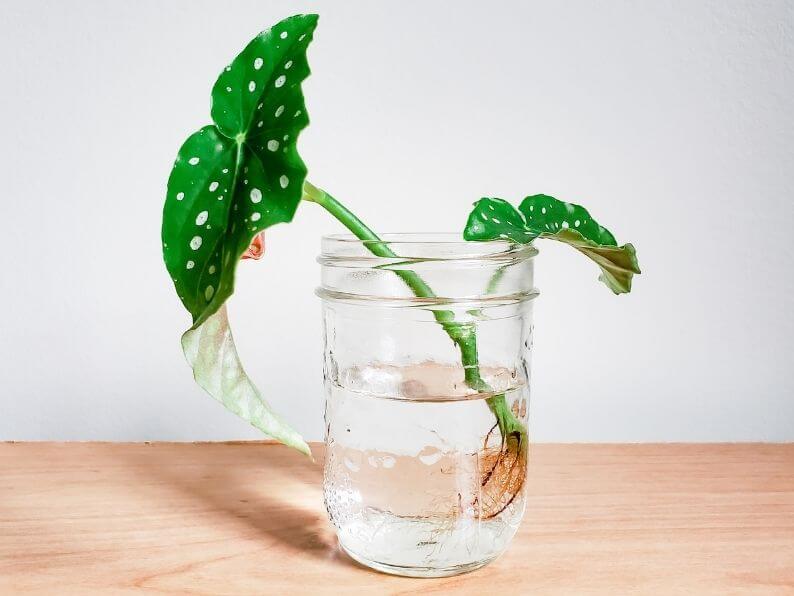
9. Begonia (Rex Type): roots in 2 to 4 weeks
Begonia can be a little slower and more sensitive than some of the others on this list, but it is still very doable with clean technique and patience. Use healthy stem cuttings and keep the water especially fresh.
Practical tip: Begonia cuttings dislike crowding. Root them one per container when possible. Shared jars may look tidy at first, but they increase the chance of rot and make it harder to track which stem is failing.
10. Impatiens: roots in 5 to 10 days
Impatiens root quickly and can be an excellent way to preserve favorite plants or multiply soft-stemmed growth for containers and shaded beds.
Practical tip: Take cuttings early in the day, when the stems are well hydrated. Soft-stemmed plants root better when they are not already stressed from heat or dryness.

11.Tradescantia: roots in 3 to 7 days
Tradescantia is fast. Very fast. It is one of the quickest plants to respond in water, which makes it excellent for beginners or for anyone wanting visible results right away.
Because it grows actively, it can become leggy over time. Regular propagation is not just a way to multiply it, but also the best way to keep the plant looking full and fresh.
Practical tip: Refresh the mother plant at the same time. After taking cuttings, trim the original plant back slightly. That encourages branching and gives you both a fuller pot and new propagated starts.

How to Propagate Houseplants in Water Step by Step
The process itself is simple, but doing the small things right makes all the difference.
Step 1: Start With Healthy Material
Choose a cutting from a healthy plant. Weak, yellowing, or stressed stems are already working at a disadvantage. A cutting should be firm, fresh, and free from obvious disease or pest damage.
Step 2: Cut Below a Node
Most water-rooting plants form roots from nodes—the points where leaves attach to the stem. Make your cut just below one of those points.
Step 3: Remove Lower Leaves
Any leaf sitting under water is likely to rot. Strip off the leaves that would fall below the water line, leaving the upper growth intact.
Step 4: Use Clean Water and a Clean Container
This matters more than people think. A clean jar and fresh water reduce the risk of rot, slime, and bacterial buildup.
Step 5: Place in Bright, Indirect Light
Too little light slows rooting. Too much direct sun can overheat the water and stress the cutting. Bright indirect light is the sweet spot for most of the plants in the image.
Step 6: Change the Water Regularly
Refresh the water every few days, or sooner if it becomes cloudy. Clean water keeps oxygen levels healthier and reduces disease risk.
Step 7: Pot Up When Roots Are Ready
Once roots are several inches long and branching well, many cuttings can be transferred into potting mix. Do not rush this stage, but do not leave them neglected forever either.
Common Mistakes That Cause Water Propagation to Fail
Propagation feels easy when it works, but a few mistakes show up again and again.
Leaving Leaves Underwater
This is one of the fastest ways to create rot. Stems and nodes can sit in water. Leaves generally should not.
Using Dirty Containers
Old residue in jars causes problems quickly. Clean containers give cuttings a healthier start.
Forgetting to Change the Water
Still water is rarely good water. If you want strong roots, keep things fresh.
Expecting Every Cutting to Root the Same Way
Basil may root quickly. Monstera may take longer. Begonia may ask for gentler conditions. Observation matters more than impatience.
What Water Propagation Teaches About Better Gardening
This is where the lesson widens.
Watching roots form in water teaches you to pay attention to what is happening before growth becomes visible above the surface. That instinct matters in every growing system.
In outdoor gardening, it helps you understand:
- transplant shock,
- root health,
- moisture management,
- and why overwatering can be just as harmful as underwatering.
In seed starting, it reminds you that stable moisture and clean conditions matter from the beginning.
In composting, it strengthens your awareness that breakdown, oxygen, and cleanliness affect every living process.
Good growers do not just watch leaves. They learn to think about roots.
A Simple Propagation Routine for Busy Growers
If you want to keep this easy and sustainable, start with a rhythm you can maintain.
Every two or three days:
- check water clarity,
- top up or replace the water,
- remove yellowing leaves,
- and glance at root development.
Once a week:
- wipe out the jars if needed,
- rotate cuttings for even light,
- and decide which ones are ready for soil.
That is it. No complicated chart. No overthinking. Just a simple practice you can keep even during busy seasons of planting, harvesting, or animal chores.
When to move water-rooted cuttings into soil
Do not rush this stage. A few tiny roots are exciting, but they are not always enough for transplant success. Most cuttings do best when roots are at least a couple of inches long and beginning to branch.
When potting up:
- Use a loose, airy mix
- Pre-moisten the soil lightly
- Plant gently without breaking new roots
- Keep the mix evenly moist for the first week or two
This helps the cutting adjust from water roots to soil roots with less shock.
Final thoughts
Water propagation is one of the easiest ways to make indoor gardening more practical and more rewarding. With a stem that includes a node, clean water, and bright indirect light, you can turn everyday plant care into a steady, satisfying process of renewal.
Pothos, tradescantia, heartleaf philodendron, monstera, English ivy, spider plant, coleus, begonia, and impatiens each offer a slightly different lesson in timing and technique. Learn their rhythm, and your daily plant routine starts to feel less like maintenance and more like a living craft. That is when gardening becomes truly transformative: more skillful, more sustainable, and far more joyful.