Every gardener knows the frustration of bare soil.
Leave a patch open for even a short time, and weeds seem to appear out of nowhere. They steal moisture, compete with young plants, make beds look neglected, and turn a peaceful garden into a constant maintenance job. That is why the best gardeners eventually stop asking, “How do I kill more weeds?” and start asking a better question:
What can I plant so weeds struggle to get started in the first place?
These ground covers work because they cover soil. They block sunlight, hold moisture, soften temperature swings, and make it much harder for weed seeds to germinate and take over.
For gardeners, homesteaders, and small farmers, ground covers are not just ornamental. They are one of the smartest long-term strategies for weed control, erosion prevention, soil care, and lower-maintenance landscaping. And if you manage poultry, ducks, or a mixed small farm, these plants can also help stabilize edges, reduce mud, and create a more resilient landscape around the productive parts of your property.
Let’s walk through how to use them well.
Why Ground Covers Work Better Than Constant Weeding
Weeds love light, disturbance, and opportunity.
Bare soil gives them all three.
A good ground cover changes the equation. It forms a living layer over the soil, which means:
- less sunlight reaches weed seeds,
- moisture stays in the ground longer,
- temperature changes are less extreme,
- rain hits leaves instead of splashing bare soil,
- and the surface becomes more biologically stable.
This is one of the best gardening tips for anyone tired of endless upkeep: stop trying to win a daily battle against weeds by hand alone. Instead, design the space so weeds are disadvantaged from the start.
That is not laziness. That is good land management.
Start by Matching the Plant to the Place
This is where many gardeners go wrong. They choose a ground cover because it looks pretty in a photo, then wonder why it struggles.
These plants do not all want the same conditions. Some prefer shade and moisture. Some like dry sun. Some spread in mats. Some form clumps. The secret is not to memorize every botanical detail. It is simply to match the plant to the conditions you already have.
Best Ground Covers for Sun and Dry Soil
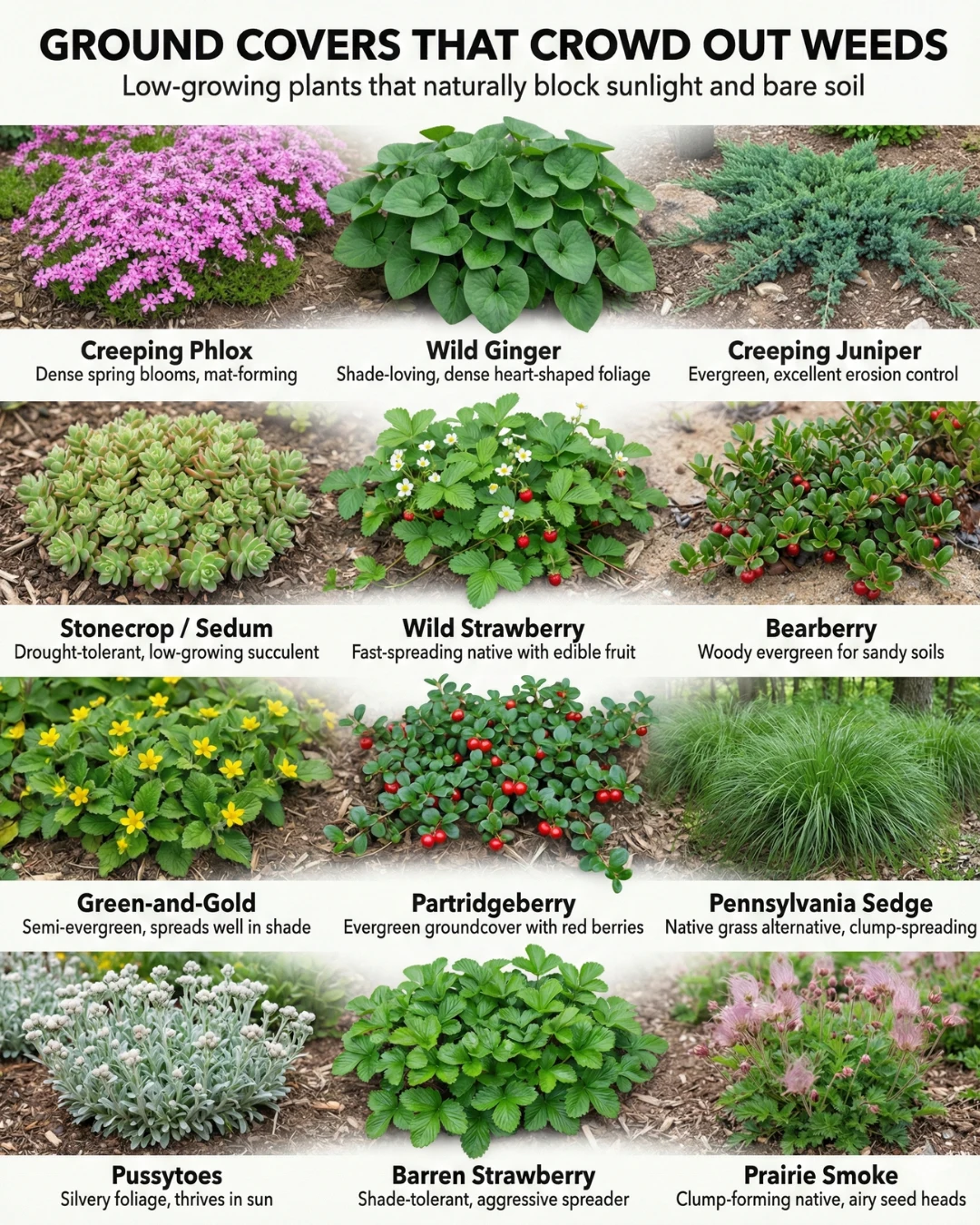
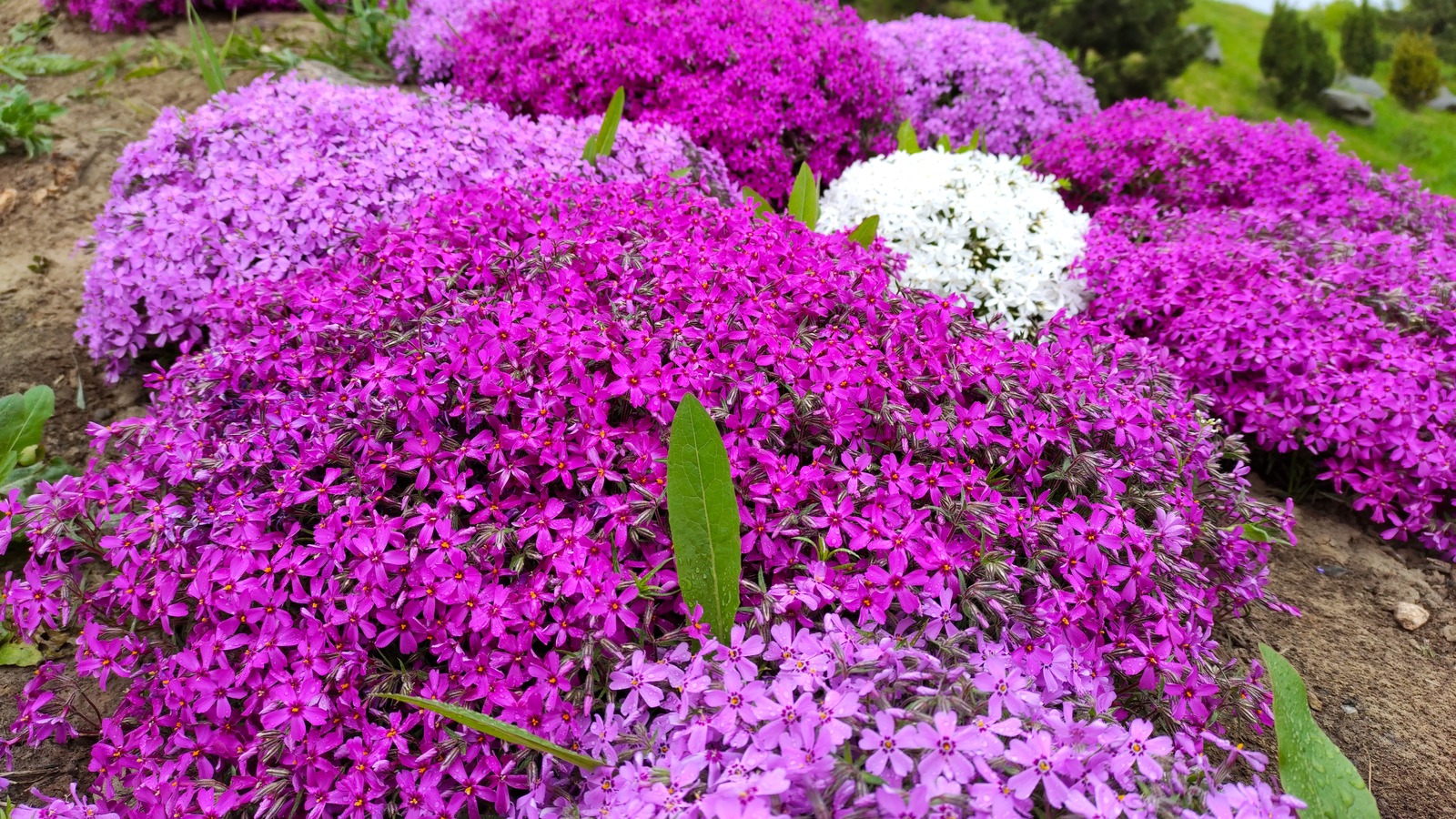
Creeping Phlox
Creeping phlox is one of the most rewarding ground covers if you want spring color and strong weed suppression. It forms a dense mat and puts on a dramatic bloom show, especially on slopes, borders, and rock edges.
It works best in sunny areas with decent drainage. Once established, it helps protect the soil while giving you that layered, finished look many gardens need.
Best use: front-of-bed edging, sunny banks, rock gardens, sloped borders.
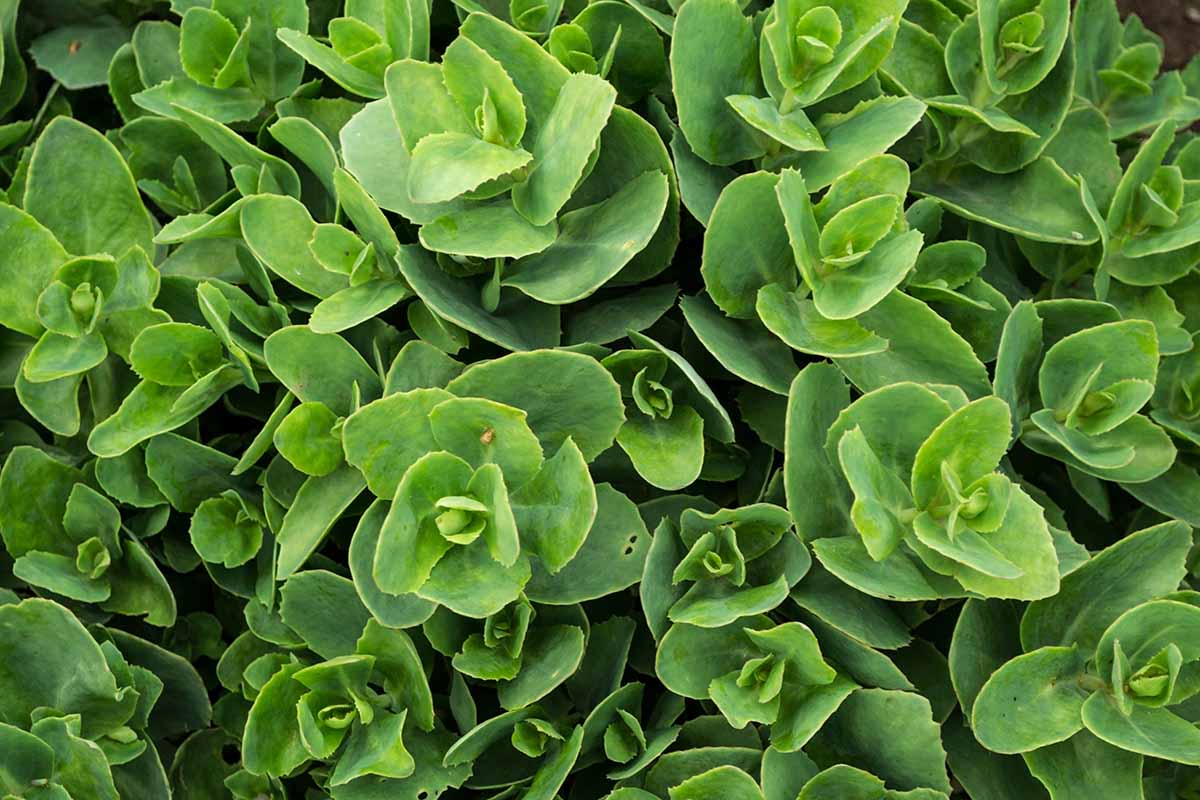
Stonecrop / Sedum
Sedum is for the gardener who wants toughness. It handles dry conditions, poor soil, and heat far better than most plants people keep babying in the wrong place. Its low, spreading habit makes it especially useful where irrigation is limited.
If you have a hot strip along a walkway, a dry raised area, or a space where grass always looks tired, sedum is often a better answer than fighting the conditions.
Best use: dry borders, gravel gardens, sunny containers spilling outward, rocky soil.
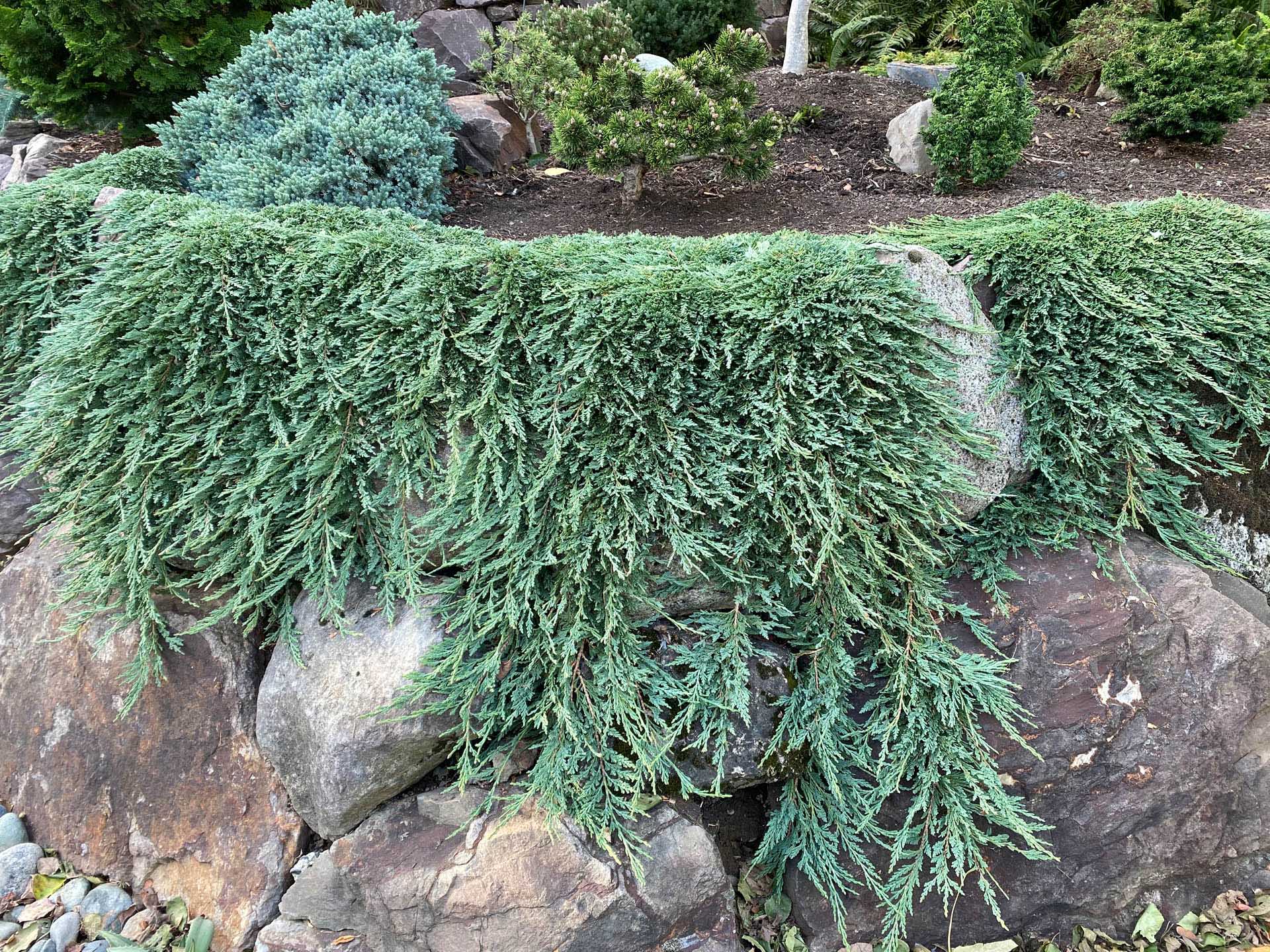
Creeping Juniper
Creeping juniper brings a different kind of strength. It is evergreen, excellent for erosion control, and especially useful on slopes where mowing is awkward and bare soil washes easily.
This is not the soft, flower-heavy look of phlox or sedum. It is structural, durable, and dependable.
Best use: slopes, banks, foundation plantings, erosion-prone areas.
Pussytoes
Pussytoes does not always get the attention it deserves, but it is a smart plant for dry sunny areas. The silvery foliage helps reflect heat, and the plant stays low and useful without looking weak or sparse.
If you want a native-style planting with subtle beauty, this is a strong option.
Best use: native plantings, dry meadows, sunny poor soils.

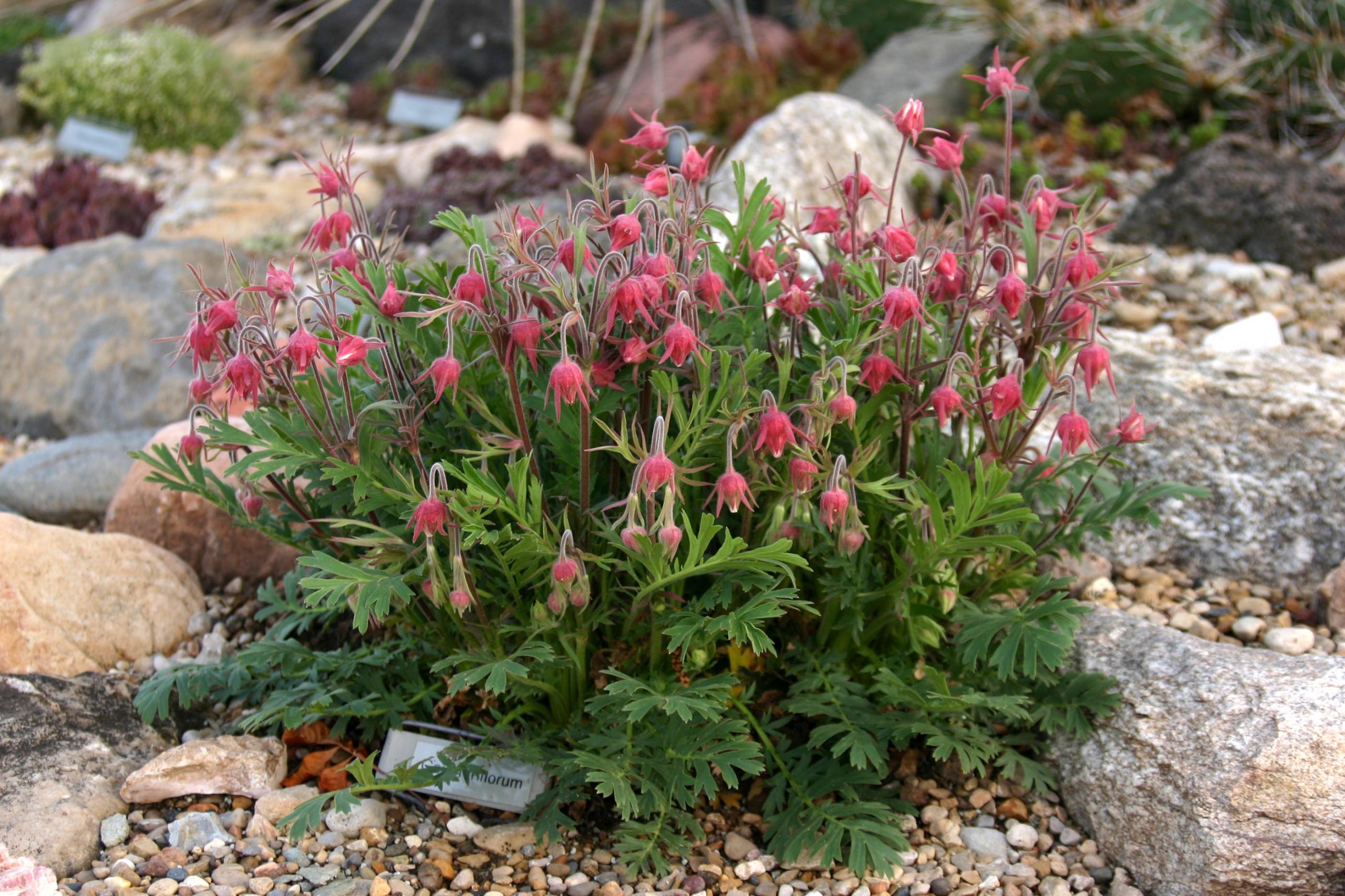
Prairie Smoke
Prairie smoke is one of those plants that rewards gardeners who love texture and seasonal change. The flowers are attractive, but the airy seed heads are what make people stop and look. It is clump-forming rather than aggressively matting, so it works best mixed with other low plants.
Best use: prairie-style borders, native beds, sunny well-drained soil.
Best Ground Covers for Shade or Part Shade
Wild Ginger
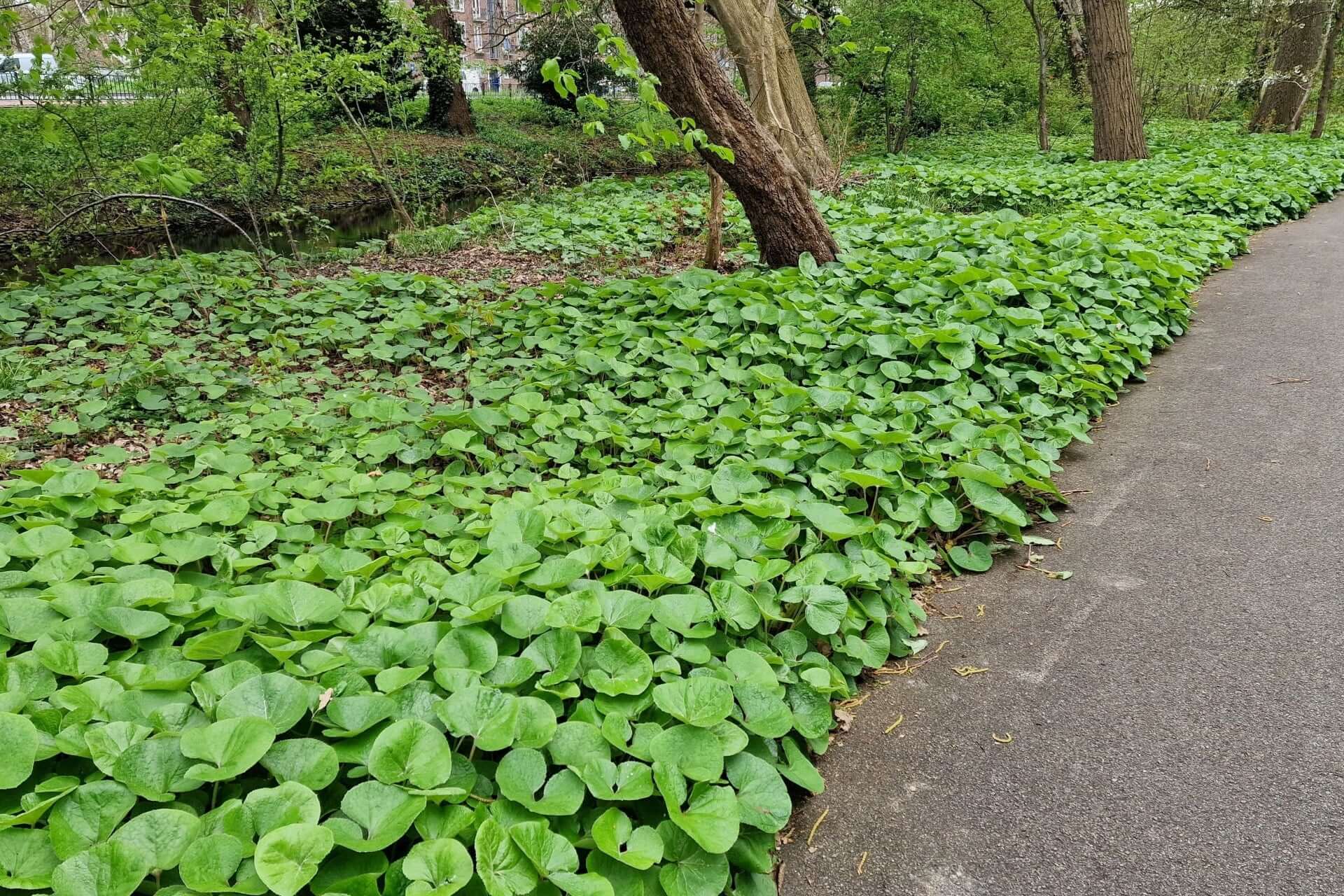
Wild ginger is one of the best shade ground covers for suppressing weeds. Its broad, heart-shaped leaves overlap densely and do exactly what a ground cover should do: shield the soil.
If you have a bed under trees, the shady side of a house, or a woodland-style border, this is the kind of plant that makes the whole area feel calmer and more established.
Best use: shade gardens, under deciduous trees, woodland edges.
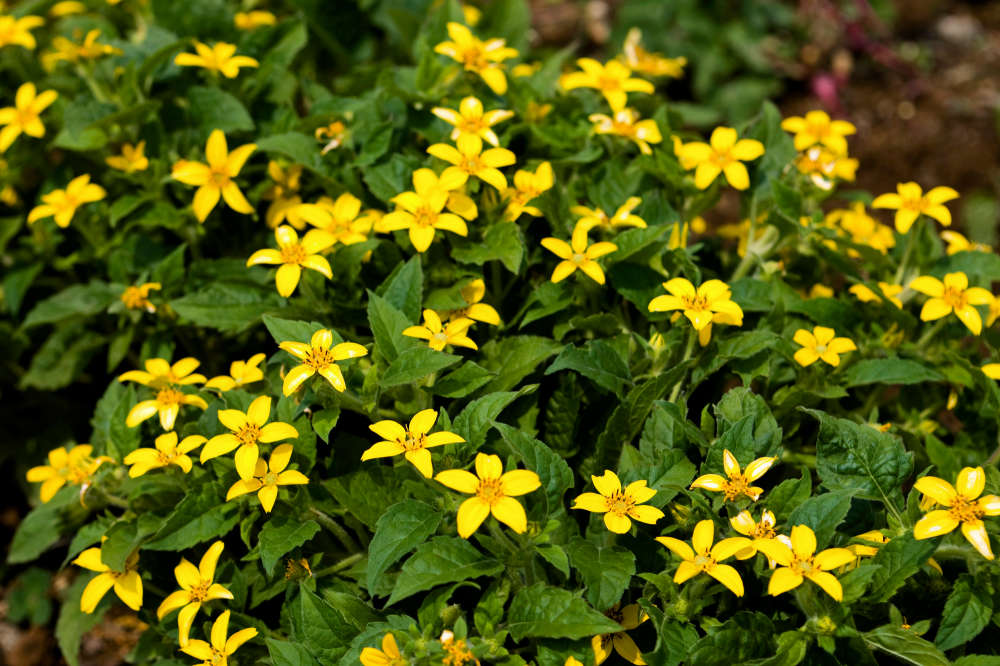
Green-and-Gold ( Chrysogonum virginianum)
Green-and-gold is excellent for part shade or light shade where you want a softer, more natural look. It spreads well and brings cheerful yellow blooms without becoming visually overwhelming.
Best use: dappled light, woodland borders, beneath shrubs.
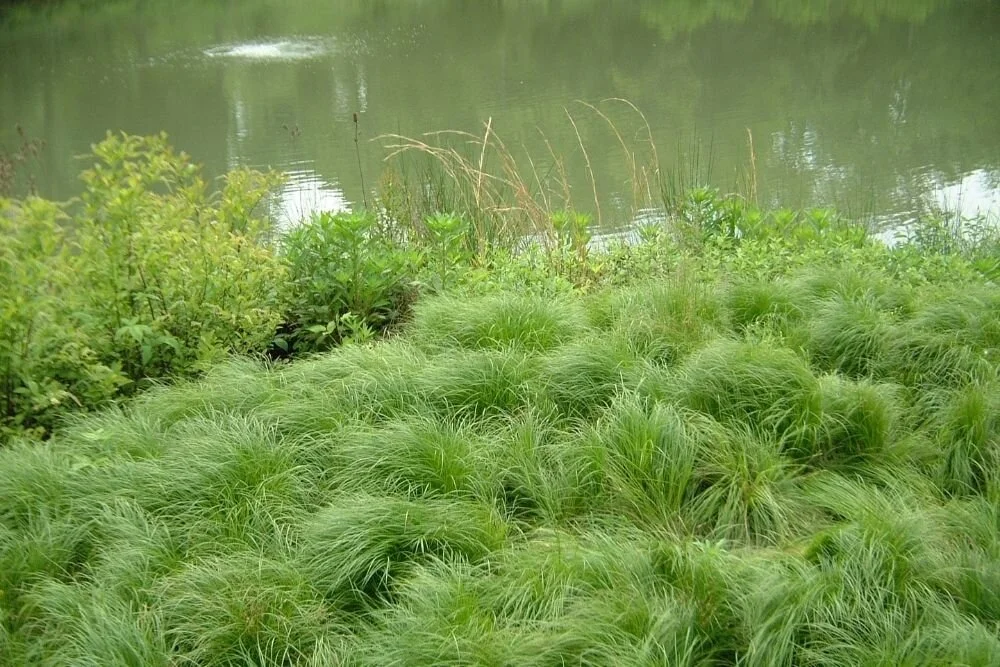
Pennsylvania Sedge
Pennsylvania sedge is one of the most useful plants in this image because it bridges the gap between lawn and woodland planting. It is not turfgrass, but it can function almost like a softer, lower-maintenance alternative in certain areas.
It works especially well where traditional grass struggles because of partial shade or dry tree roots.
Best use: lawn alternatives, orchard understories, shady paths, between ornamental beds.
Partridgeberry
Partridgeberry is an evergreen ground cover with small red berries and a quiet, refined look. It is not flashy, which is part of its appeal. In the right woodland setting, it makes a garden feel mature and deeply rooted in place.
Best use: woodland gardens, shade edges, native plant collections.

Barren Strawberry
Barren strawberry is one of the better choices when you need something that fills in reliably in partial shade. It spreads with purpose and forms a neat, green carpet with cheerful yellow blooms.
Best use: under shrubs, shaded borders, transition spaces between formal and natural beds.
Ground Covers That Offer More Than Weed Control
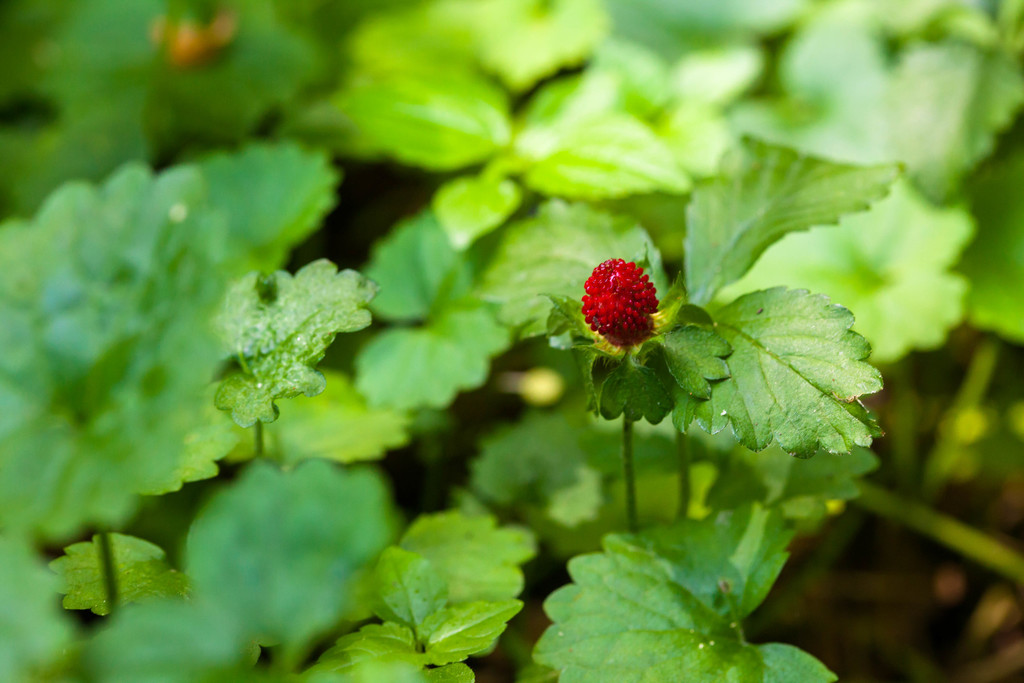
Wild Strawberry
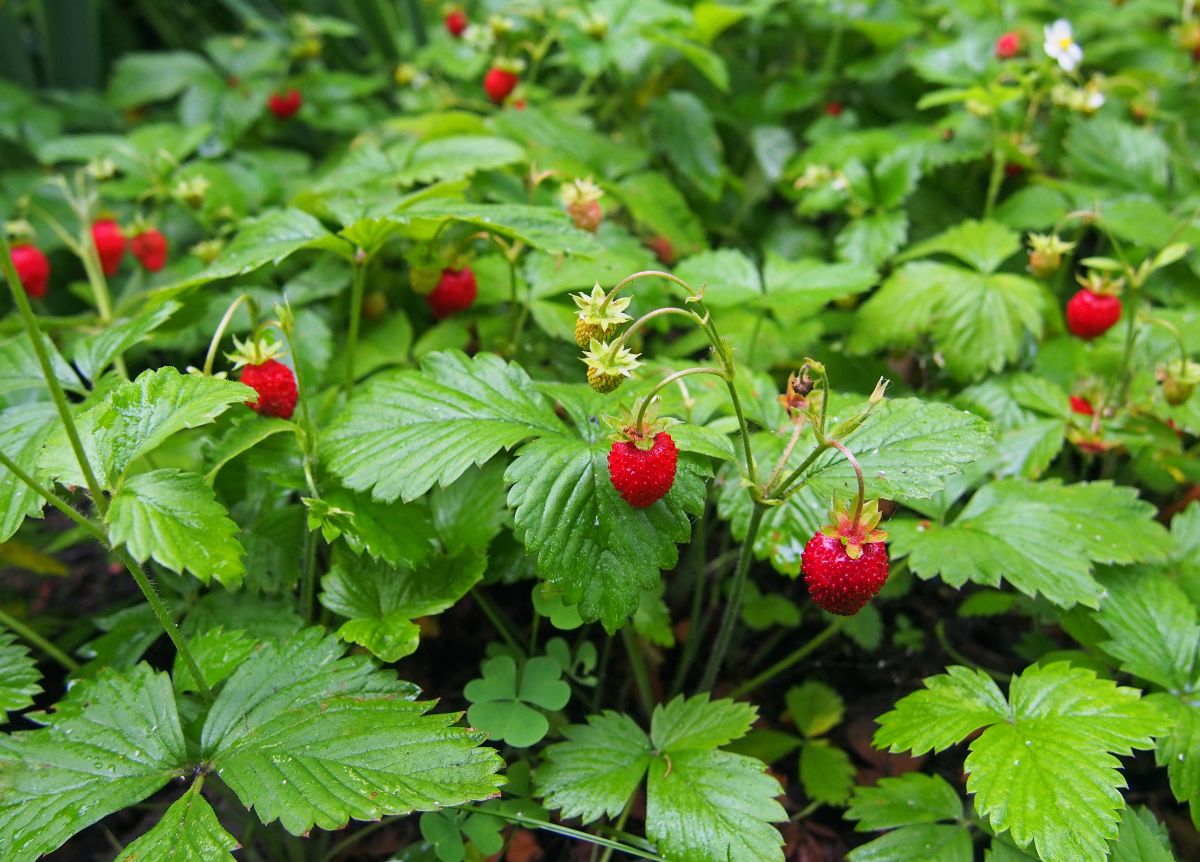
Wild strawberry is one of the most charming plants on the list because it gives you both coverage and edible fruit. It spreads quickly enough to be useful, but still feels soft and welcoming in a garden.
Its small berries are not the oversized fruit of commercial varieties, but that is not the point. It makes the garden interactive. Children notice it. Pollinators use it. The soil benefits from it.
Best use: informal edges, edible landscapes, sunny or lightly shaded beds.
Bearberry
Bearberry is an evergreen woody ground cover especially useful for sandy soils and tougher sites. It brings red berries, winter presence, and strong landscape value where many softer plants fail.
Best use: sandy soils, dry slopes, low evergreen structure.

How to Plant Ground Covers So They Actually Succeed
This matters. A ground cover only crowds out weeds after it establishes. In the early stage, weeds will still take every chance they get.
Here is the practical way to get ahead:
Start With a Weed-Free Bed
Do not plant into a jungle and hope the ground cover will sort it out. Clear the space first as thoroughly as you can.
Improve the Soil Only as Needed
Do not over-amend for plants that prefer leaner soil. Match the preparation to the plant.
Space for Fill-In, Not Instant Closure
It is tempting to plant too sparsely to save money. That often costs more later in weeding and replanting. Space them so they can knit together within a reasonable season or two.
Mulch Between Young Plants
Use mulch early while the ground cover is filling in. This is one of the smartest short-term supports for long-term weed suppression.
Water to Establish, Then Ease Back
Even drought-tolerant ground covers need help in the beginning. Once rooted well, many of them become much easier to manage.
How Ground Covers Help a Small Farm or Homestead
This is where the conversation gets bigger than landscaping.
On a small farm, bare soil becomes more than just a visual problem. It turns into:
- mud near gates,
- erosion beside paths,
- dust around poultry areas,
- runoff near water tanks,
- and maintenance you never seem to catch up with.
Thoughtfully chosen ground covers can help stabilize the less-trafficked edges of the farm. Not the high-impact zones where chickens scratch daily or goats trample everything in reach—but the surrounding margins, pathways, orchard edges, and ornamental-adjacent areas that still matter.
For example:
- Pennsylvania sedge can soften edges near orchard rows.
- Creeping juniper can hold slopes near barns or driveways.
- Wild ginger and barren strawberry can settle shady areas behind outbuildings.
- Sedum can reduce maintenance in hot, dry spots around patios, greenhouses, or utility structures.
This is part of good farm care too. Healthy land around animal systems makes chores easier, improves drainage, and reduces the visual and physical stress of constantly unfinished spaces.
A Note on Poultry and Livestock Around Ground Covers
If you raise chickens or ducks, protect new plantings until they are fully established. Poultry can turn a freshly planted area into a lesson in disappointment in a single afternoon.
Use simple barriers early. Once plants have filled in, some may tolerate light edge traffic, but no ornamental ground cover should be expected to survive repeated scratching, digging, or heavy hoof action in active animal zones.
That is not plant failure. That is a design mistake.
Put ground covers where they support the system, not where the system will destroy them.
A Simple Strategy for Choosing the Right One
If you are overwhelmed, use this shortcut:
- Sunny and dry? Start with creeping phlox, sedum, pussytoes, or prairie smoke.
- Shady and moist? Choose wild ginger, green-and-gold, or partridgeberry.
- Need erosion control? Use creeping juniper or sedge, depending on light.
- Want edible or interactive value? Try wild strawberry.
- Need a lawn alternative feel? Pennsylvania sedge is worth serious attention.
You do not need twelve new plants at once. One good choice in the right spot will teach you more than a shopping cart full of mismatched ones.
Final Thoughts: Cover the Soil, Calm the Garden
A mature garden rarely has much bare soil.
That is one of the quiet visual clues that separates a space that feels settled from one that always feels like it is waiting to be finished. Ground covers help create that sense of completion. But more than that, they reduce weeds, protect moisture, stabilize the land, and lower the amount of repetitive work a gardener has to do.
And that is the deeper lesson here: the best gardens are not built by fighting the same battles forever. They are built by designing systems that make those battles less necessary.
Cover the soil.
Choose plants that fit the place.
Protect them while they establish.
And let the garden begin solving some of its own problems.
That is when gardening starts to feel less like constant correction and more like partnership with the land.