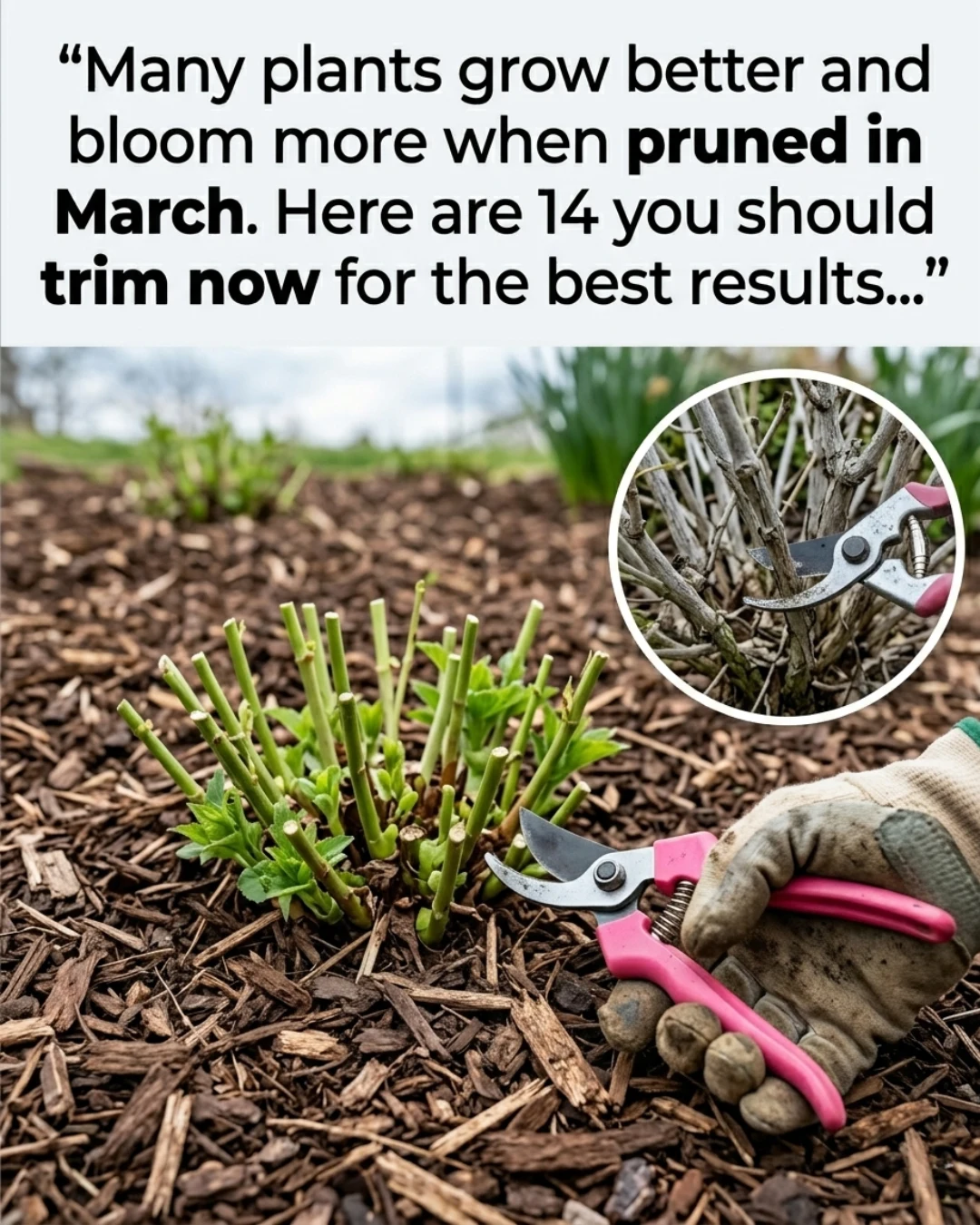
March is one of the most powerful months in the gardening year. Many plants grow better and bloom more when pruned in March, and it urges gardeners to trim now for the best results. The visual shows fresh spring pruning close to the crown of a perennial clump, with clean stems cut back low over a mulched bed. That is exactly the kind of task that can change how an entire garden performs in the months ahead.
This is not just about making plants look tidy. Good pruning in early spring helps direct energy into healthy new shoots, improves air circulation, reduces disease pressure, and encourages stronger blooming. Done well, it saves time later. Done thoughtfully, it becomes one of those steady seasonal habits that makes gardening feel less chaotic and more rewarding.
If you have ever looked at a tangle of old stems in late winter and wondered whether to cut, wait, or leave it alone, this guide will help you decide with confidence.
Why March pruning matters so much
In many gardens, March is the transition point between dormancy and active growth. New buds begin to swell, the soil starts warming, and plants are preparing to push out fresh stems and leaves. That makes it the perfect time to remove dead or weak growth before the plant wastes energy supporting it.
A March pruning session gives you several advantages:
It reveals the plant’s real structure
Once you remove old, damaged, or crossing stems, you can finally see the framework you are working with. That makes every later decision easier.
It channels growth where you want it
When a plant is cut back properly, it directs energy into healthy new growth instead of maintaining tired stems from last year.
It improves airflow
Crowded plants trap moisture. Moisture encourages fungal problems. Opening plants up early is one of the simplest ways to reduce trouble later.
It encourages stronger flowering
For many summer-blooming plants and herbaceous perennials, early spring pruning helps create fuller, more vigorous flowering growth.
Let’s checklist 14 Plants to Prune in March for Gorgeous Growth right now.
Ornamentals, Vines, and Perennials
These are the plants that make summer exciting, but March is when I set them up for it. While they’re still mostly dormant, it’s easier to shape them, remove winter damage, and encourage strong new growth before the season takes off.
1. Knock Out Roses (USDA Zones 6-9)
I’ve mentioned pruning roses earlier in the season, but Knock Out roses are especially forgiving and perfect for a solid early spring trim. I like to prune them in late winter or very early spring, just as you start to see buds swelling but before strong new growth takes off.
I usually cut mine back by about one-third to one-half, depending on how wild they got the year before. Removing any dead or crossing canes and opening up the center helps keep them blooming hard all summer instead of turning into a thorny mess by July.

2. Butterfly Bush (USDA Zones 6-9)
Butterfly bush responds beautifully to a hard spring reset. It comes back stronger and absolutely loaded with blooms, which means plenty of winged traffic all summer.
Cut your butterfly bush down to about 12-18 inches above the ground in March to prevent a woody eyesore during the peak flowering season in mid to late summer.
3. Japanese Spirea (USDA Zones 5-8)
Japanese spirea is one of the easiest shrubs to prune, which is probably why I like planting it so much. It blooms on new wood, so an early spring trim actually sets it up for a better show.
I cut mine back by about one-third, sometimes more if it’s gotten leggy.
If the center looks crowded, I’ll remove a few of the oldest stems right at the base to keep the shape compact and encourage fresh growth. Once it leafs out, you’d never guess it got such a haircut.
4. Group 3 Clematis (USDA Zones 5-9)
Group 3 clematis are the easiest ones to prune because they bloom on new wood. That means you don’t have to overthink it.
I cut mine back to about 12-18 inches above the soil, just above a strong set of buds. Without a drastic chop in March, you’ll end up with a tangled mass of old vines and most of the flowers way up at the top instead of covered from the ground up.

5. Wisteria (USDA Zones 6-9)
Wisteria needs discipline, and now is the time to reinforce it. This is the late-winter prune that keeps the vine from swallowing everything in sight.
I cut back last summer’s long shoots to just two or three buds. That’s where the flower spurs form. A ruthless trim keeps the vine under my thumb and produces fragrant clusters that hang exactly where people can see them.
6. Hardy Fuchsia (USDA Zones 7-9)
With hardy fuchsia, patience matters. I wait until I see new growth starting at the base before cutting anything back. That way I know exactly where the plant is waking up after winter.
Once that fresh growth appears, I cut the old woody stems down close to the ground. Pruning hardy fuchsia in March is a deliberate delay. It protects the crown from a late frost, ensures I’m not removing viable growth too early, and encourages the plant to send up fresh, strong, flower-packed stems.
Old Wood Bloomers
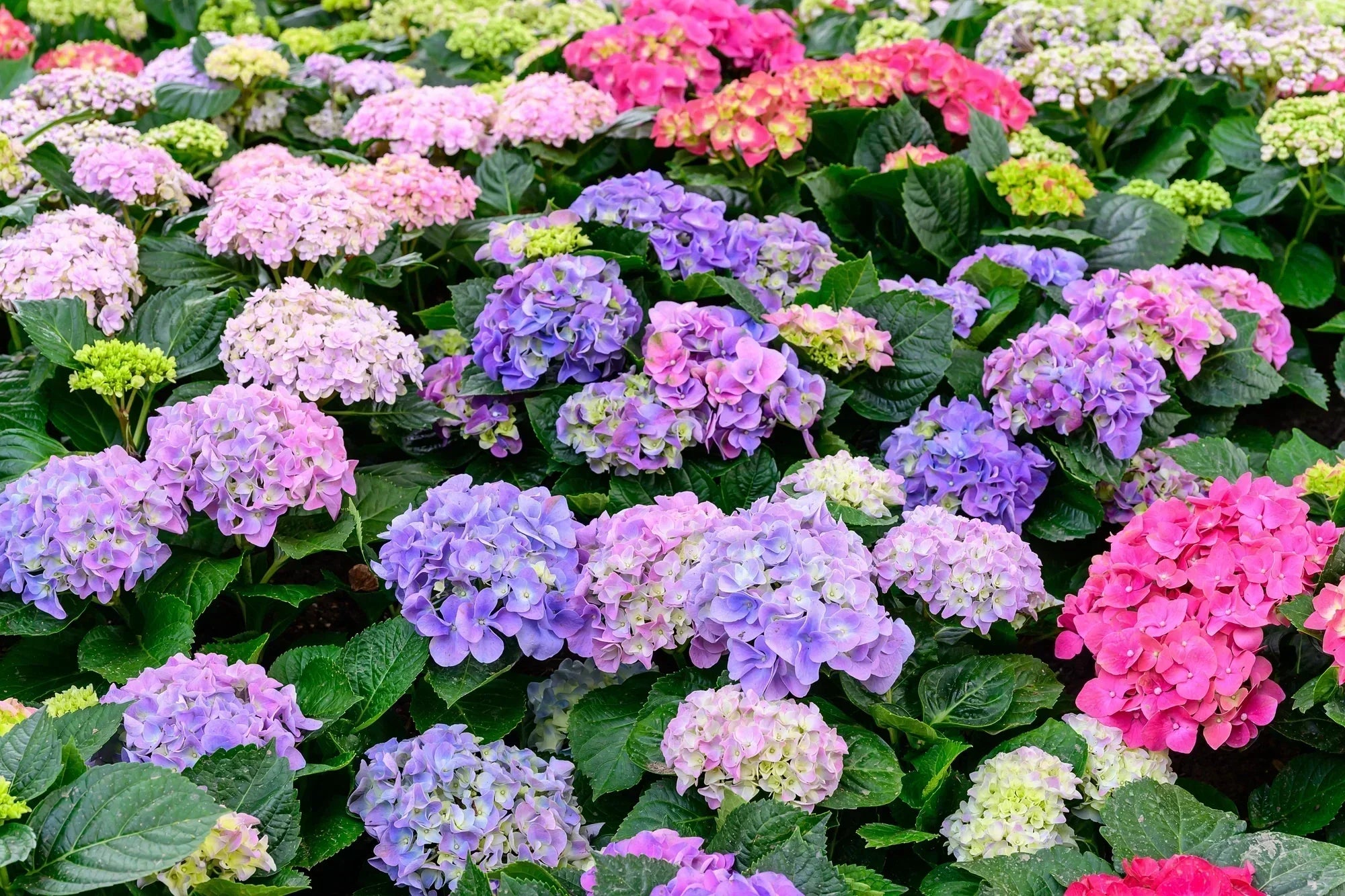
7. Hydrangeas (USDA Zones 6-9)
Hydrangeas are where people get nervous, but once you know which type you have, it’s simple.
I cut these new wood varieties back in March because they grow their flowers on fresh stems produced this season:
Panicle (Hydrangea paniculata): I prune them by about one-third, cutting back to a strong set of buds to keep the branches sturdy and the blooms from flopping.
Smooth (Hydrangea arborescens): These can handle a harder cut. I usually take them down to about 12-18 inches from the ground to prevent a weak, leggy habit.
I keep my shears away from the main structure of these old wood varieties in March. Since they formed their flower buds last fall, any major cuts now would remove this year’s flowers:
Bigleaf (Hydrangea macrophylla): Only remove the dried flower heads, cutting just above the first healthy set of green buds.
Oakleaf (Hydrangea quercifolia): I restrict my work to removing dead wood or winter-damaged wood and leave the rest alone.
8. Crape Myrtle (USDA Zones 7-9)
Crape myrtles are tough, but they still benefit from smart pruning in late winter or very early spring.
I focus on removing skinny interior shoots and any branches rubbing or crossing through the center. If there are thin, straight-up water sprouts, those go too.
What you don’t want to do is commit “crape murder” by hacking the top off! That only creates weak, awkward regrowth. A thoughtful thinning keeps the structure strong and sets the tree up for those big summer blooms without turning it into a lopsided mess.
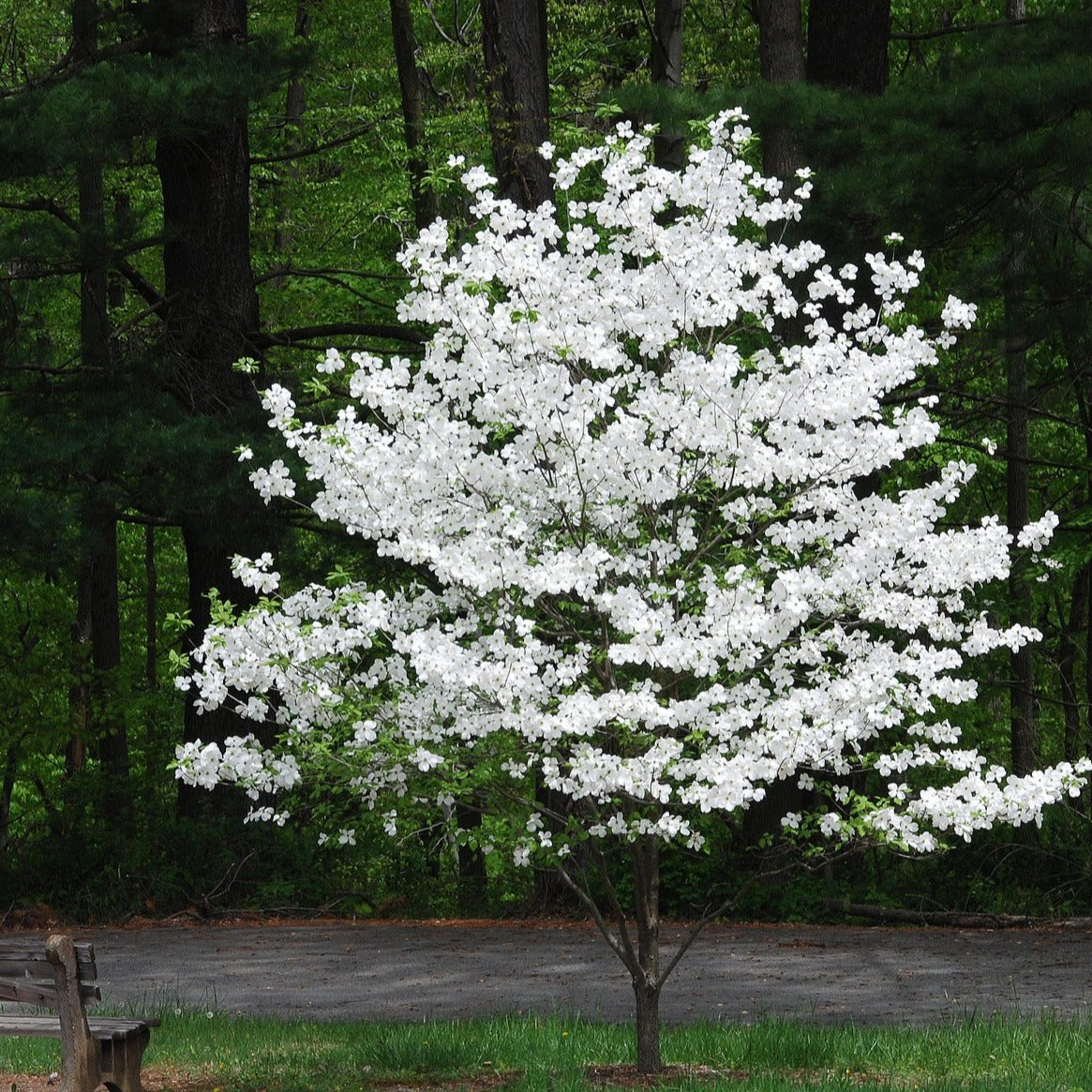
9. Dogwood (USDA Zones 6-9)
Dogwoods aren’t heavy-prune trees, but March is a good time to inspect them while the branches are still bare.
I inspect the bare Dogwood branches for sunken cankers, dead tips, or any damaged wood from winter. If I find a problem branch, I cut it back to healthy wood or remove it entirely to prevent disease from spreading once humid spring air arrives.
Orchard Management
Prune these staples in March while they remain dormant and easy to read. With no leaves in the way, you can actually see what you’re doing.