Some gardens look their best in bright daylight. Others come alive after sunset. A moonlight garden belongs to the second kind. As evening falls, silver foliage, white petals, and soft textures begin to catch and reflect the moon’s glow, turning an ordinary yard into a calm, luminous retreat.
The beauty of this style of gardening is that it does not depend on expensive lighting or complicated design. With the right plants, thoughtful placement, and simple care, you can create a peaceful garden that feels magical at night while still looking elegant during the day. For home gardeners, small-scale farmers, homestay owners, or anyone shaping an outdoor space for rest and beauty, a moonlight garden is both practical and unforgettable.
Why moonlight gardens are worth creating
At night, bold daytime colors such as red, orange, and deep purple tend to fade into the background. White flowers, pale blooms, and silver-toned leaves do the opposite. They reflect available light and stand out clearly in low-light conditions, giving the garden shape, depth, and softness after dark.
This style of planting is also useful beyond aesthetics. Many moonlight garden plants are hardy, sun-tolerant, and relatively easy to manage. That means less stress, fewer replacements, and a landscape that remains attractive through changing weather. A well-planned moonlight garden can also invite evening pollinators, improve the atmosphere of outdoor seating areas, and create a stronger connection between daily life and nature.
12 beautiful plants for a moonlight garden
1. Lamb’s Ear
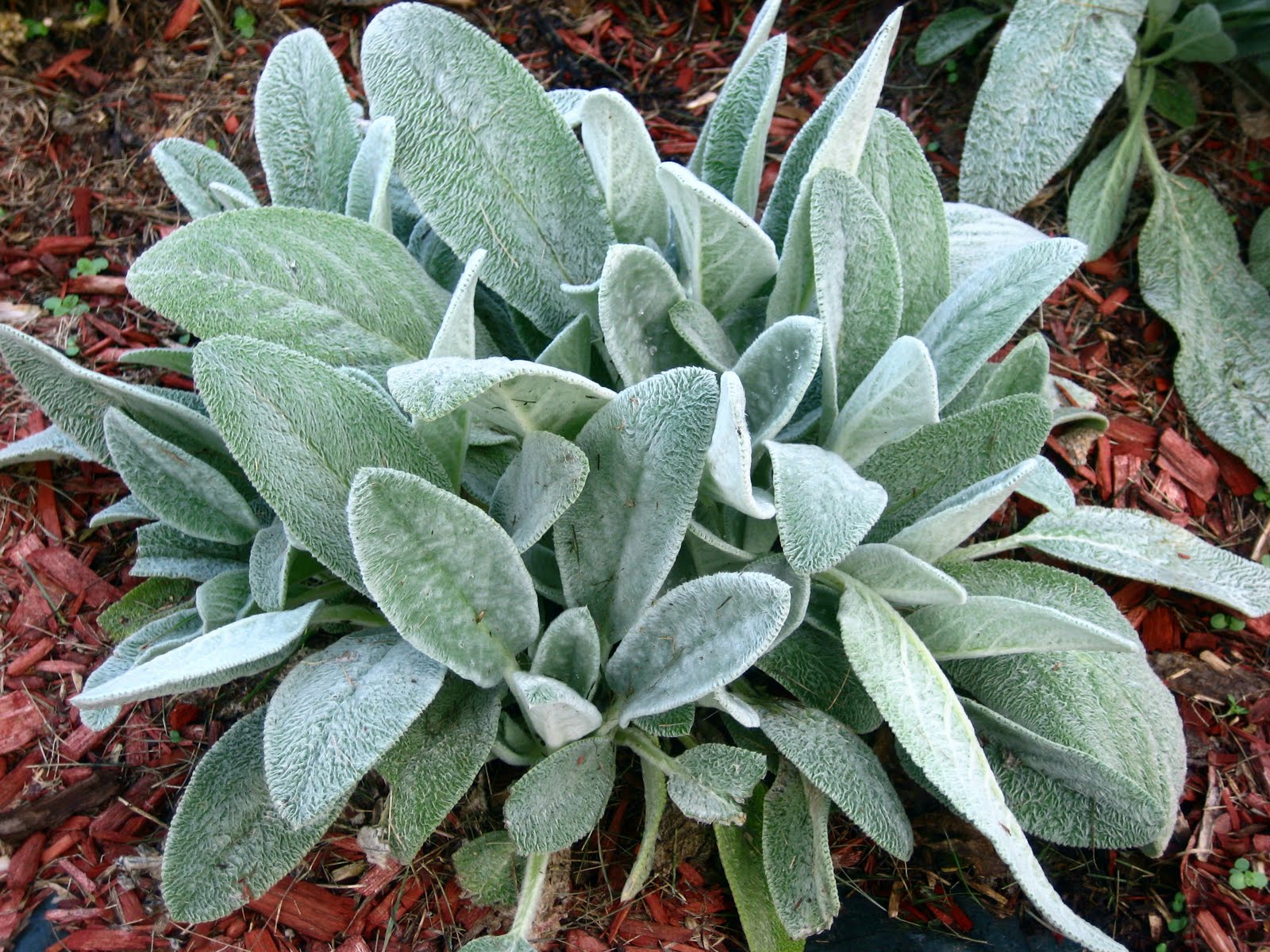
Lamb’s Ear is one of the best foliage plants for a moonlight garden. Its thick, velvety leaves have a soft silver-green tone that reflects light beautifully. Even without flowers, it creates a glowing effect along borders, pathways, and low planting beds.
Practical care tip:
Do not overwater it. Lamb’s Ear prefers well-drained soil, and constantly damp conditions can cause the lower leaves to rot. Water the base rather than soaking the whole plant.
2. Dusty Miller
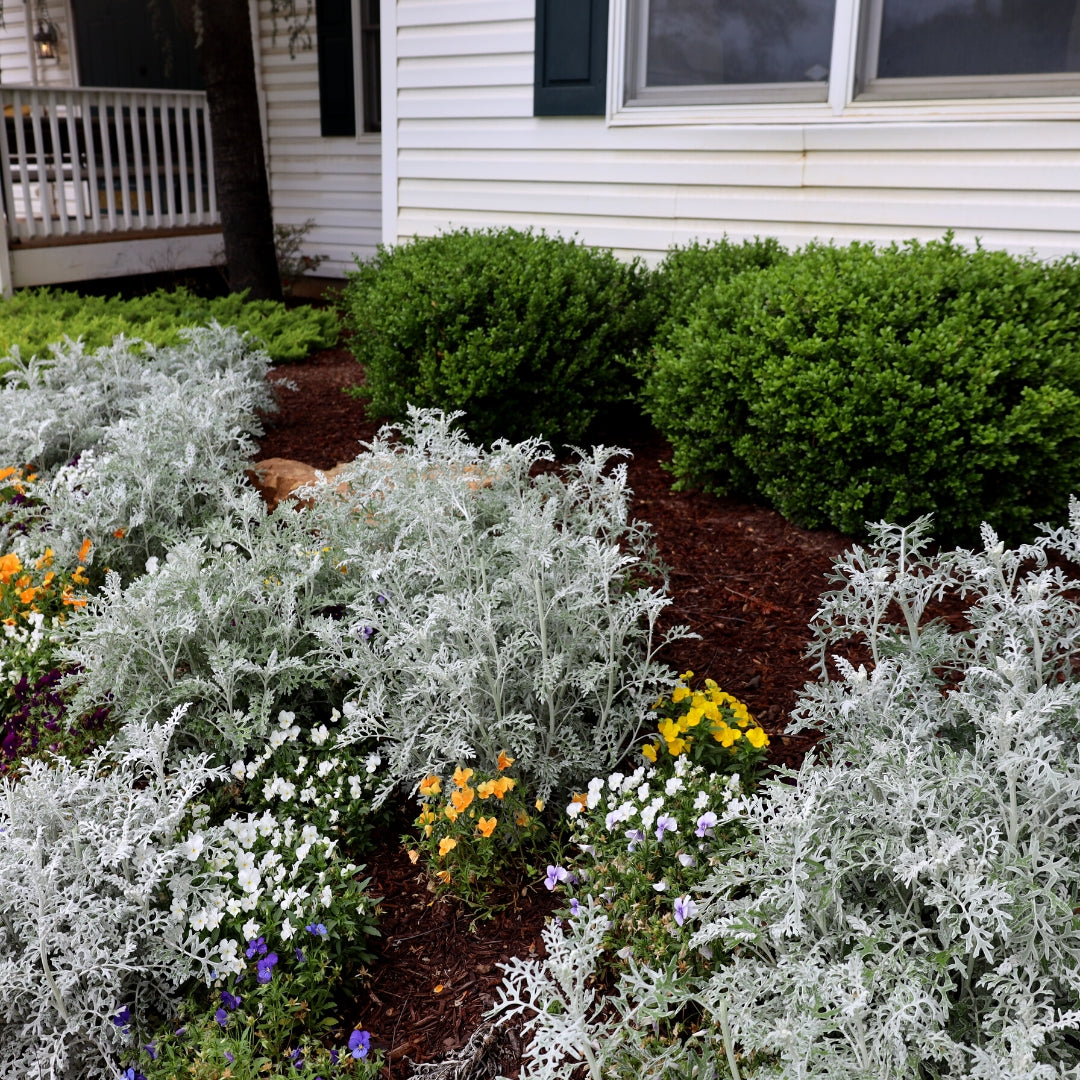
Dusty Miller is a classic moonlight plant because of its finely cut, silver-white foliage. It works especially well as a linking plant between flowering groups, helping the whole garden feel cohesive and bright after sunset.
Practical care tip:
Avoid excessive nitrogen fertilizer. Too much feeding can make the plant soft and leggy, which reduces the clean, sculpted look that makes it so effective in night gardens.
3. Artemisia ‘Silver Mound’
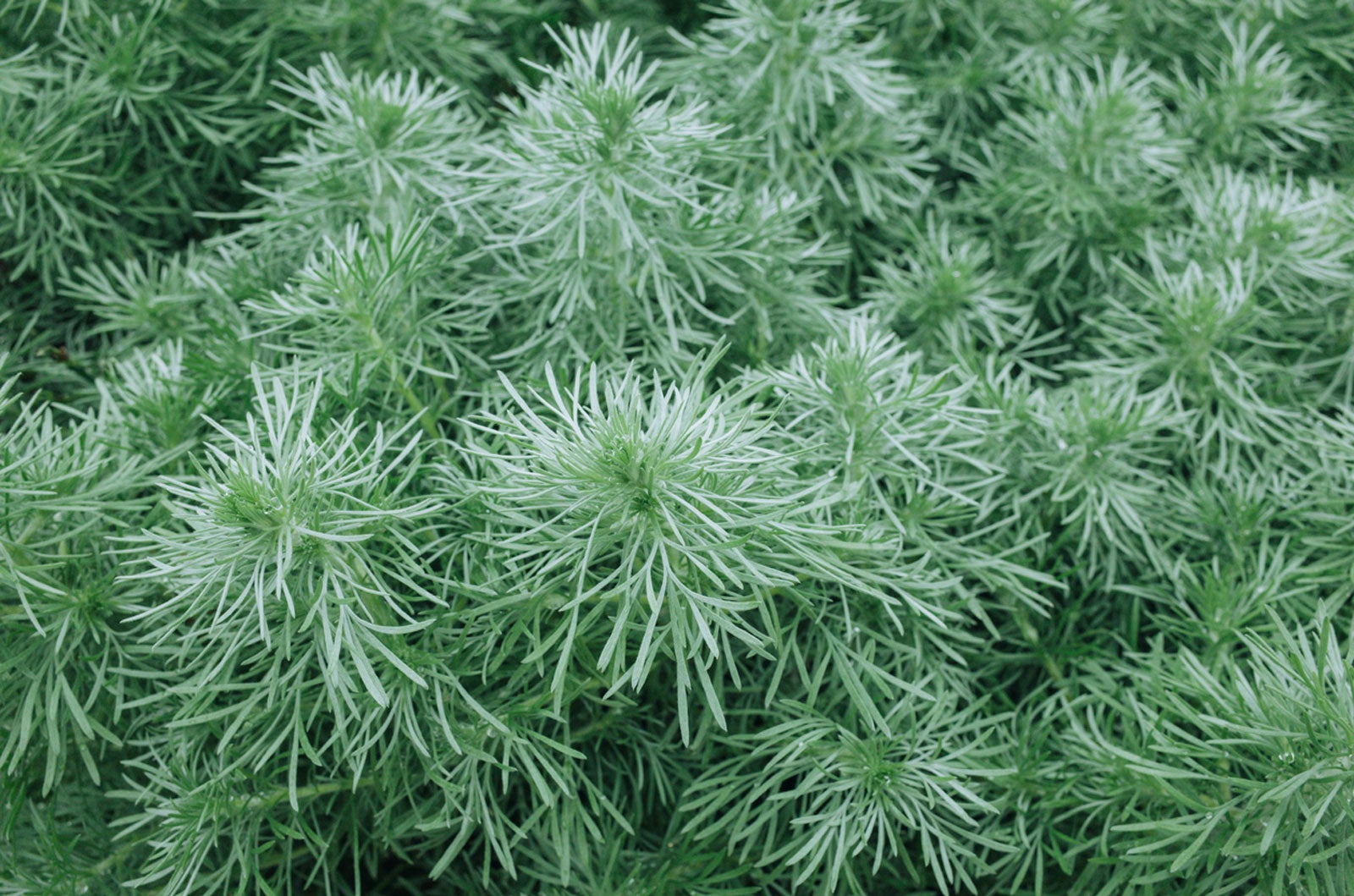
This soft, rounded plant looks almost like a silver cloud at ground level. Its delicate texture and bright foliage make it ideal for softening the edge of beds and adding contrast near white flowers.
Practical care tip:
Trim lightly in midseason to help it keep its rounded form. If it becomes too dense during humid weather, the center may thin out and lose its shape.
4. White Echinacea
White Echinacea brings a natural, upright beauty to a moonlight garden. Its pale petals and strong stems make it useful in both cottage-style and meadow-inspired plantings. It also supports pollinators, which adds life and movement to the garden.
Practical care tip:
Keep soil evenly moist during the first season so roots establish deeply. Once settled, the plant becomes much more resilient in heat and dry conditions.

5. Shasta Daisy
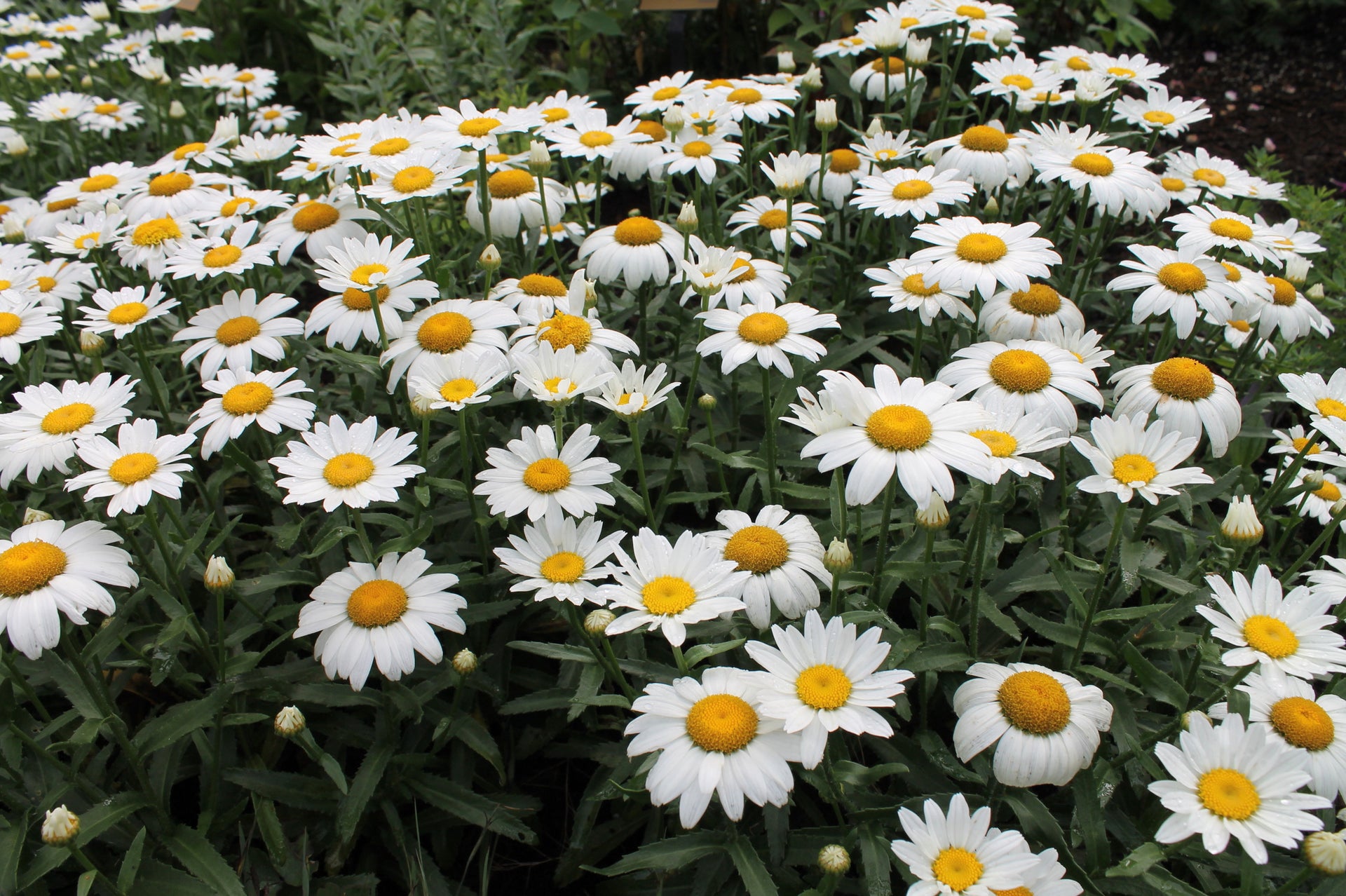
Few flowers feel as clean and cheerful in a moonlight garden as Shasta Daisy. The white petals and golden centers are easy to see at dusk, especially when planted in groups rather than as single stems.
Practical care tip:
Remove faded blooms regularly. This simple habit extends flowering and keeps the planting fresh instead of tired and patchy.
6. Iceberg Rose
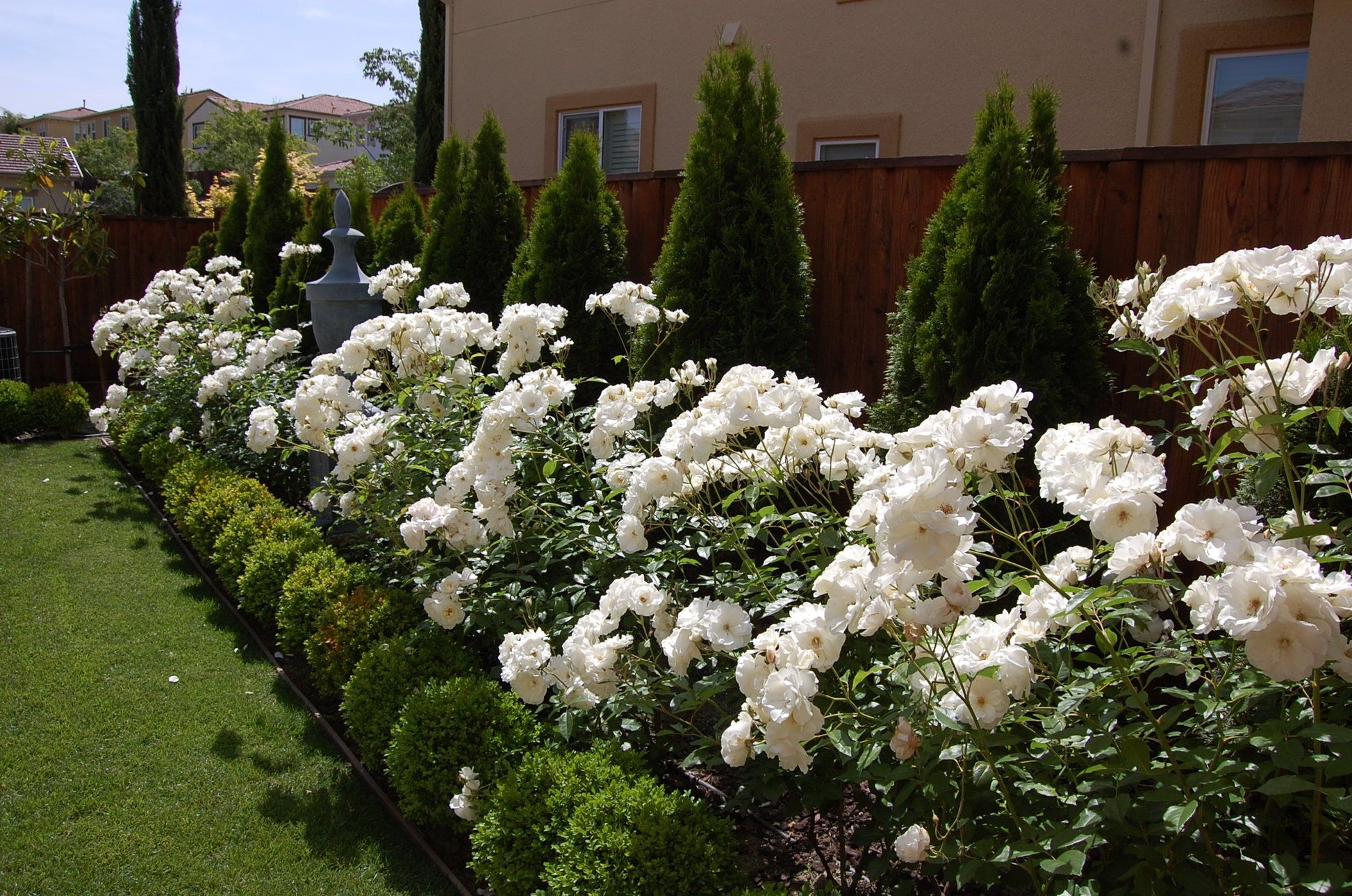
For a softer, more romantic look, Iceberg Rose is an excellent choice. Its clusters of white blooms brighten evening spaces and add elegance near seating areas, entrances, or garden arches.
Practical care tip:
Give it morning sun and good airflow. That helps foliage dry quickly and lowers the risk of fungal disease, especially in humid conditions.
7. Moonflower
Moonflower is one of the most fitting plants for this theme. Its large white blooms often open in the evening, making it a true nighttime performer. When trained on a trellis or arch, it creates a striking effect after sunset.
Practical care tip:
Place it near an area where people actually spend time in the evening. Moonflower is most rewarding when you can watch it open and enjoy its presence up close.

8. White Nicotiana
White Nicotiana adds both visual softness and evening fragrance. Its airy flowers glow gently in low light, and its scent makes the garden feel deeper and more immersive after dark.
Practical care tip:
Plant it near patios, windows, or paths rather than hidden at the back of a border. Fragrant plants are most useful when their scent can drift into lived spaces.

9. Jasmine or Star Jasmine
White jasmine flowers may be small, but they catch moonlight beautifully and add one of the most soothing fragrances a garden can offer. This makes jasmine ideal for restful, meditative spaces.
Practical care tip:
Prune after flowering to keep the plant tidy and encourage healthy new growth. Without trimming, it can become tangled and less productive.

10. White Alyssum
White alyssum is a wonderful low-growing plant for the front of beds and along edges. When massed together, it creates a soft layer of pale color that seems to float just above the soil.
Practical care tip:
If it becomes sparse or tired, shear it back lightly and water consistently for several days. It often rebounds quickly with a fresh flush of blooms.

11. White Lily
White lilies bring vertical elegance and a strong focal point to a moonlight garden. Their blooms are easy to spot at dusk and add a graceful, almost ceremonial quality to the planting.
Practical care tip:
Plant in well-drained soil. Lily bulbs dislike sitting in soggy ground, and drainage problems will weaken flowering quickly.

12. White Hydrangea
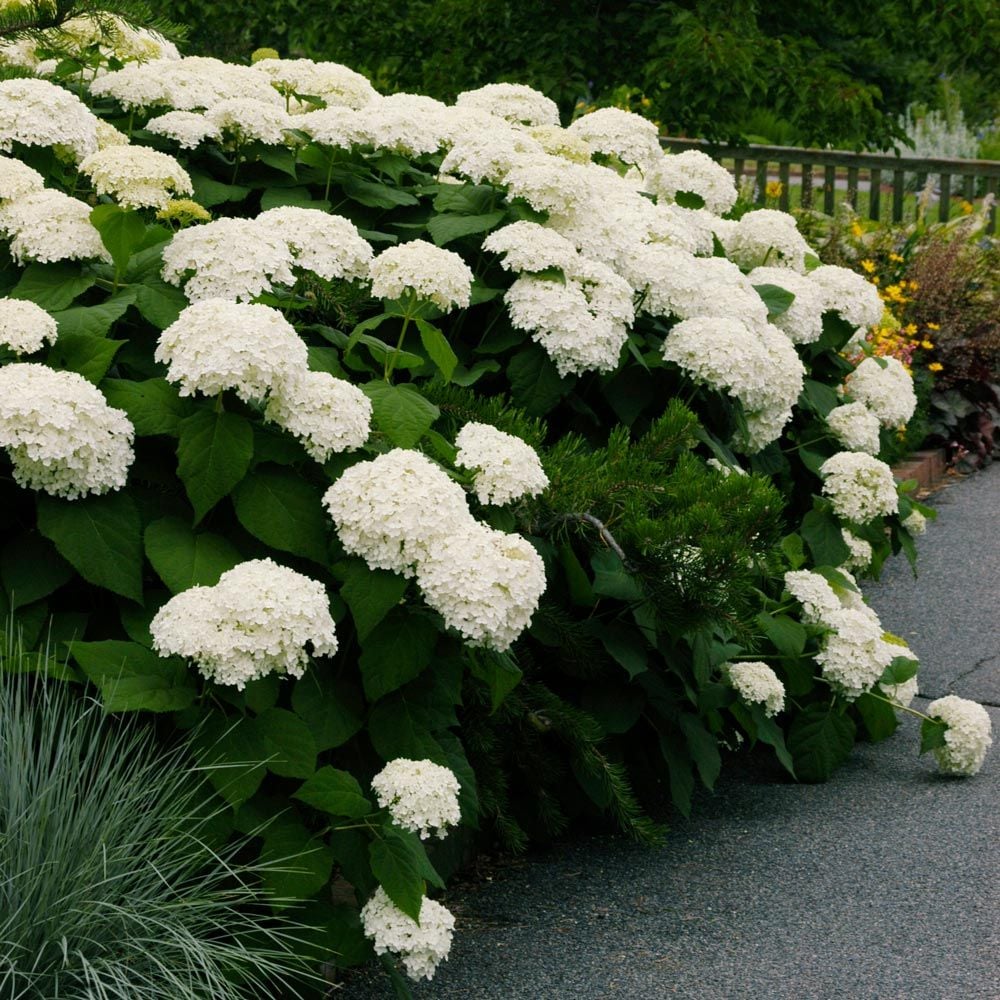
White hydrangeas are excellent for larger visual impact because their broad flower heads reflect available light so well. They are especially useful where you want one bright feature to be visible from a distance.
Practical care tip:
Keep moisture steady but not excessive. A light organic mulch helps roots stay cool and reduces how often you need to water in warm weather.
How to design a moonlight garden that feels calm and intentional
Use layers to create depth
A moonlight garden becomes much more effective when plants are arranged by height.
- Low layer: Lamb’s Ear, White Alyssum, Artemisia ‘Silver Mound’
- Middle layer: Dusty Miller, Shasta Daisy, White Echinacea
- Tall or climbing layer: Moonflower, Jasmine, White Lily, White Hydrangea
This layered approach allows moonlight to touch multiple surfaces and gives the garden dimension instead of making it look flat.
Plant in clusters, not scattered singles
White and silver plants are much more visible when grouped in threes, fives, or broader drifts. One plant alone may disappear at night, but a cluster creates a clear visual anchor.
Place fragrant plants where evenings happen
Do not hide jasmine, nicotiana, or white roses in distant corners. Put them near benches, porches, walkways, or bedroom windows. A moonlight garden works best when it supports real evening life, not just daytime admiration.
How to keep a moonlight garden healthy and glowing
Focus on drainage first
Many plants chosen for this style do not like wet feet. Before planting, improve drainage if necessary. Healthy roots are far more important than frequent watering.
Avoid overfeeding
Silver foliage often looks best when plants are grown in balanced, not overly rich, soil. Too much fertilizer can turn crisp, bright growth into lush but floppy foliage.
Trim regularly for a brighter look
Old leaves, spent blooms, and tangled stems make a night garden lose its glow. A short weekly tidy-up keeps plants reflective, fresh, and visually clean.
Water deeply, not constantly
Frequent shallow watering encourages weak roots. Instead, water thoroughly, allow the upper soil to dry slightly, and then water again. This creates stronger, more resilient plants.
Final thoughts: a moonlight garden changes how you experience home
A moonlight garden is not only about appearance. It changes the rhythm of how you use your outdoor space. It invites you outside after dark. It makes you notice texture, scent, silence, and movement. It turns gardening into something more than maintenance. It becomes a way to slow down and reconnect.
With the right blend of silver foliage, white flowers, and thoughtful care, your garden can remain alive and beautiful long after the sun has gone down. And once that happens, the garden is no longer only a daytime space. It becomes a place of rest, reflection, and quiet wonder.
I can also turn this into a full website-ready SEO article with meta title, meta description, focus keyword, and FAQ section.