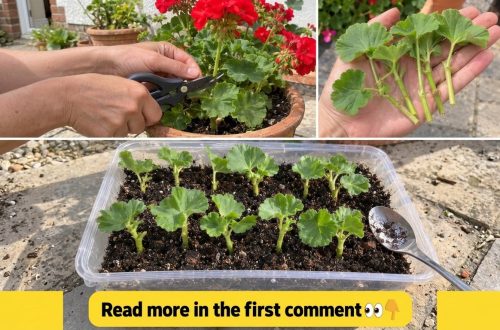
Most people throw these kitchen scraps away without realizing they can grow again right on the counter.
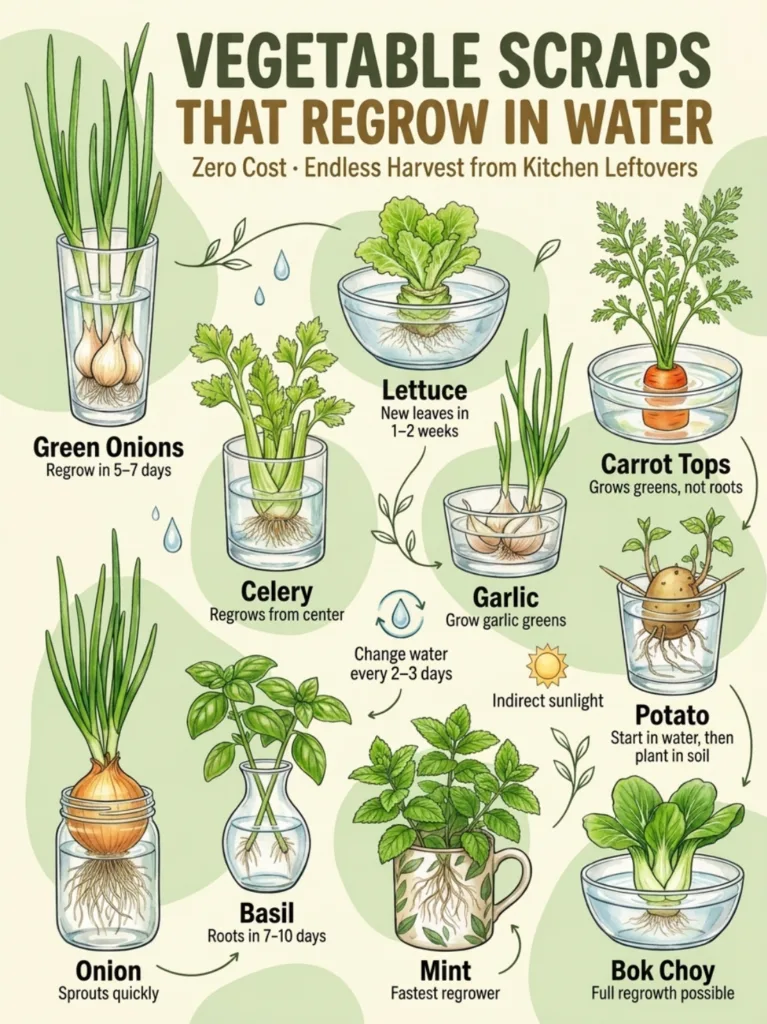
Green onion ends, lettuce bases, garlic cloves, mint stems, basil cuttings, and bok choy bottoms may look like waste, but with clean water, indirect sunlight, and a little patience, they can produce fresh greens again.
This does not replace a full garden, but it is one of the easiest ways to start growing food at home with almost no cost.
Why Regrowing Vegetable Scraps Works
Many vegetables still contain living growing points after you cut them. When the base, stem, or root end is placed in water, the plant can sometimes push out new leaves or roots.
The key is not “magic.” It is basic plant biology.
You are giving the leftover plant part:
- moisture,
- light,
- oxygen,
- time,
- a clean place to restart growth.
This is why many beginner gardeners search for kitchen scrap gardening, indoor herb growing, hydroponic growing jars, and easy vegetables to grow indoors.
Basic Setup for Regrowing Vegetables in Water
You only need:
- clean glass jar,
- fresh water,
- vegetable scraps,
- indirect sunlight,
- a windowsill or bright counter.
Change the water every 2–3 days. If the water smells bad or turns cloudy, replace it immediately.
Do not fully submerge the whole plant. Usually, only the root end or bottom section should touch the water.
1. Green Onions, The Fastest Beginner Scrap
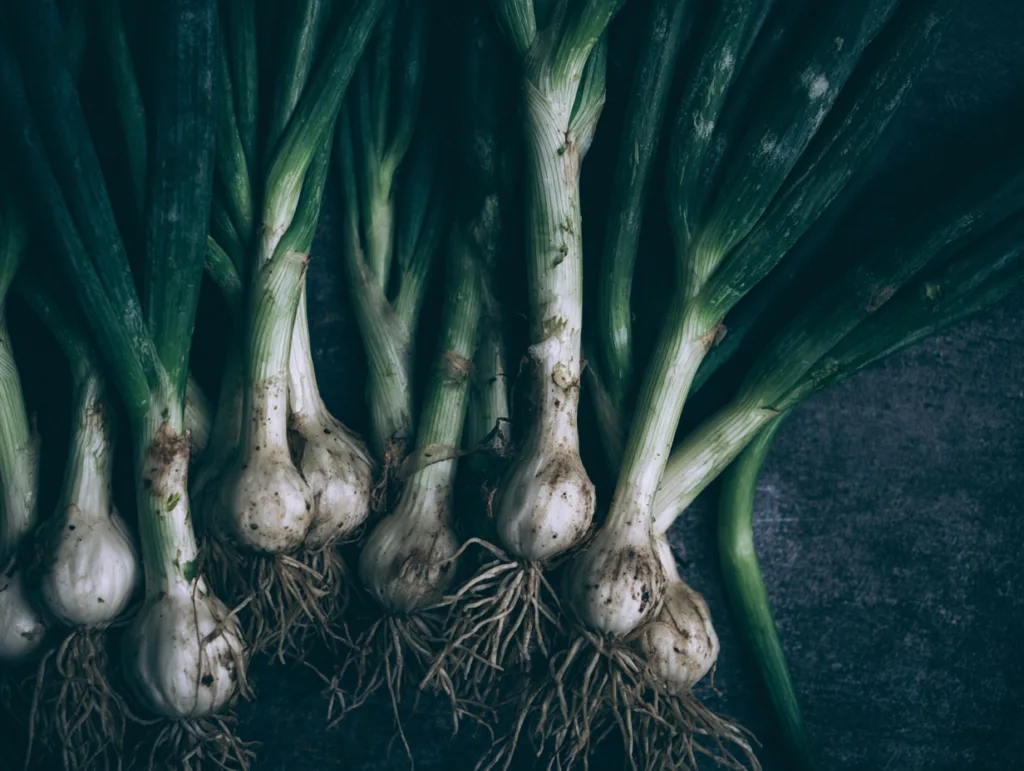
Green onions are one of the easiest vegetables to regrow in water.
How to Regrow
Cut the green tops and leave about 1–2 inches of the white root base. Place the roots in a glass with a little water.
When You’ll See Growth
Usually within 5–7 days.
How to Use
Trim the new green shoots for:
- eggs,
- rice bowls,
- soups,
- salads,
- noodles.
Green onions are perfect for people looking for zero waste cooking, cheap healthy meals, and small kitchen garden ideas.
2. Lettuce, New Leaves From the Base
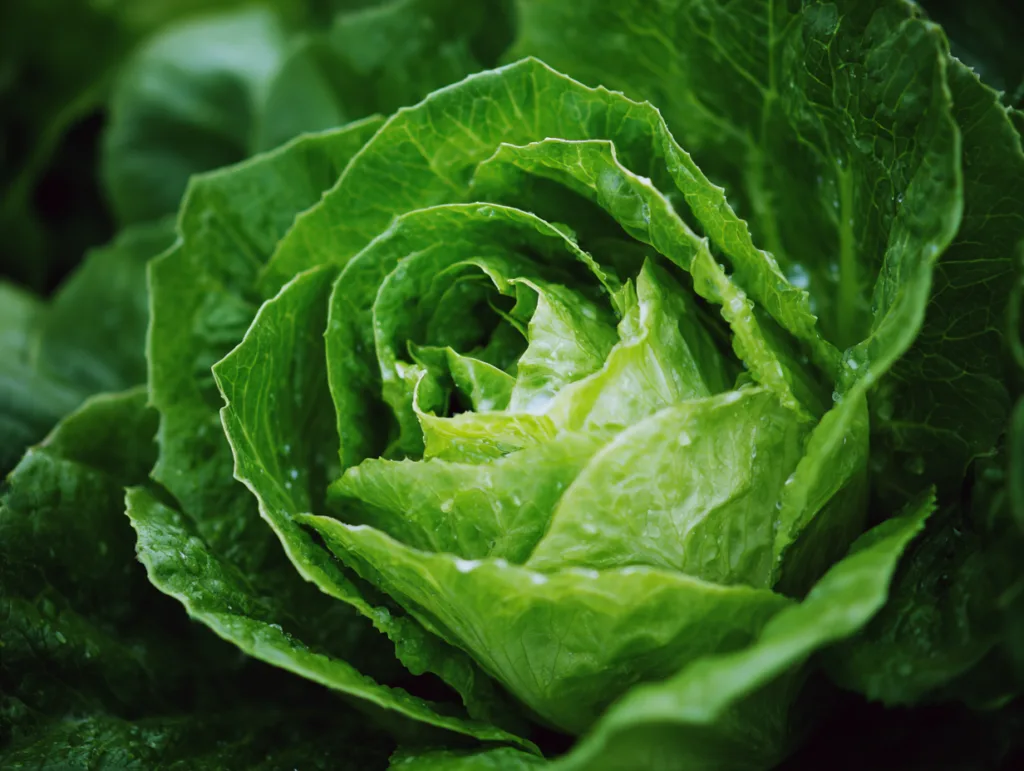
Romaine and similar lettuces can regrow small new leaves from the core.
How to Regrow
Keep the bottom 1–2 inches of the lettuce head. Place it cut-side up in shallow water.
When You’ll See Growth
New leaves may appear in 1–2 weeks.
Best Use
The regrowth is usually small, so use it as:
- salad topping,
- sandwich greens,
- bowl meal garnish.
Lettuce regrowth works best with bright indirect light and frequent water changes.
3. Carrot Tops, Greens Instead of Carrots
Carrots will not regrow a full new carrot in water, but the tops can grow edible greens.
How to Regrow
Cut off the top 1 inch of the carrot. Place it in a shallow dish with the cut side down and the green crown above water.
Best Use
Carrot greens can be used in:
- pesto,
- soups,
- herb sauces,
- garnish.
This is a good topic for readers interested in edible kitchen scraps, food waste reduction, and beginner gardening.
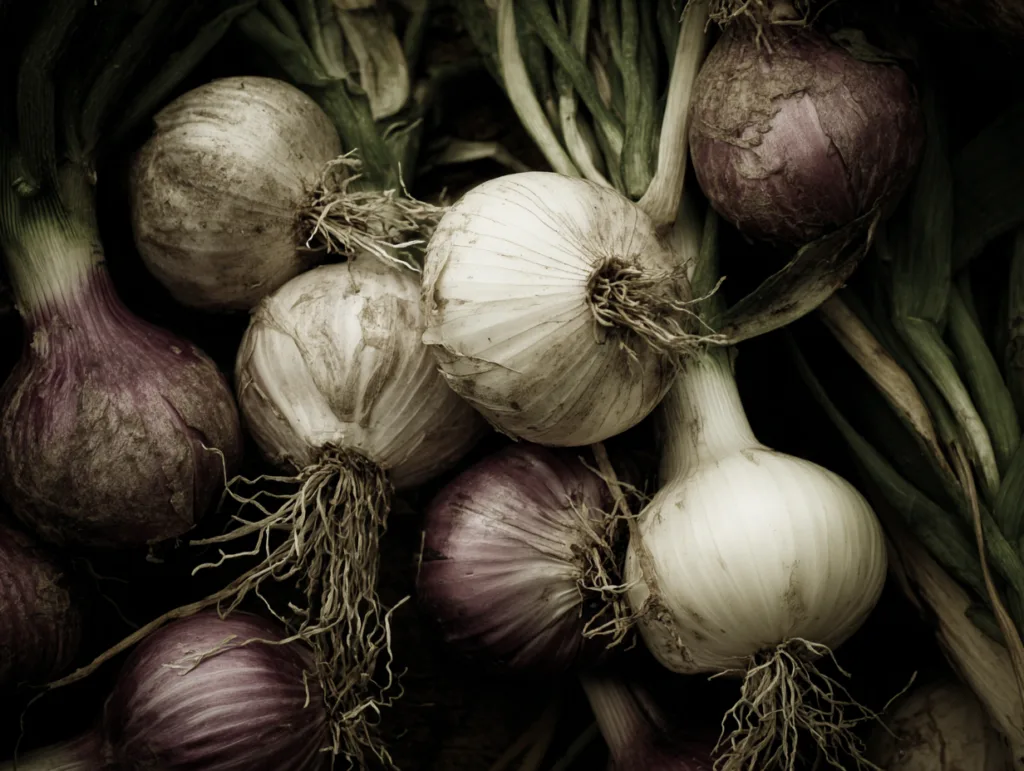
4. Onion, Quick Sprouts From the Center
Onions can sprout quickly when placed near moisture.
How to Regrow
Place the root end of an onion over shallow water, or plant it in soil after roots appear.
Best Use
Use the green shoots like mild onion greens.
Note
For better growth, move onion scraps to soil once roots develop.
5. Garlic, Easy Garlic Greens
Garlic cloves often sprout on their own in the kitchen.
How to Regrow
Place a garlic clove root-side down in a small amount of water.
What Grows
You will get garlic greens, not a full garlic bulb.
Best Use
Garlic greens add flavor to:
- eggs,
- stir-fries,
- soups,
- roasted vegetables.
This pairs well with searches like garlic greens recipes, indoor garlic growing, and kitchen herb gardening.
6. Potato, Start in Water, Then Move to Soil
Potatoes can sprout from the “eyes,” but they should not stay in water forever.
How to Regrow
Place a potato piece with visible eyes near water using toothpicks or a shallow jar. Once sprouts and roots appear, move it to soil.
Important Tip
Water is only the starting stage. Potatoes need soil for real growth.
7. Basil, A Great Herb for Water Propagation
Basil grows well from cuttings.
How to Regrow
Cut a healthy basil stem below a node. Remove lower leaves. Place the stem in water.
When Roots Appear
Usually in 7–10 days.
Best Use
Use basil for:
- pasta,
- pesto,
- tomato dishes,
- salads.
Once roots are strong, plant basil in soil for better long-term growth.
8. Mint, The Fastest Herb Regrower
Mint is one of the easiest herbs to root in water.
How to Regrow
Place mint stems in water after removing the lower leaves.
Why It Works Well
Mint roots quickly and grows aggressively once planted.
Best Use
Use mint in:
- tea,
- lemon water,
- smoothies,
- fruit bowls,
- yogurt bowls.
This topic naturally connects to indoor herb garden kits, herb growing jars, and kitchen windowsill planters.
9. Bok Choy, One of the Best Leafy Greens to Regrow
Bok choy can regrow from its base.
How to Regrow
Place the bottom 1–2 inches of bok choy in shallow water.
When to Move It
If roots and new leaves grow well, transfer it to soil.
Best Use
Use regrown leaves in:
- stir-fries,
- soups,
- rice bowls,
- noodle dishes.
Common Mistakes That Stop Regrowth
The biggest mistakes are simple:
- using dirty water,
- keeping scraps in direct harsh sunlight,
- submerging too much of the plant,
- leaving rotting pieces in the jar,
- expecting full vegetables from every scrap.
Most water regrowth gives you greens, shoots, herbs, or small leaves — not always a full new vegetable.
Helpful Tools for Kitchen Scrap Gardening
You can start with jars, but these tools make it easier:
- glass propagation jars,
- small hydroponic herb kits,
- windowsill planters,
- seed starting trays,
- indoor grow lights,
- kitchen compost bins,
- herb scissors,
- self-watering pots.
These are useful for anyone who wants to turn kitchen scraps into a small indoor food-growing routine.
Final Thought
Regrowing vegetables in water is not about replacing grocery shopping.
It is about seeing kitchen scraps differently.
Green onion roots, lettuce bases, garlic cloves, basil stems, mint cuttings, and bok choy bottoms can all become small sources of fresh food again.
It saves a little money, reduces waste, and makes healthy cooking feel more connected to the food you already buy.
This is general information, not medical advice.
Related searches
indoor herb garden kits, best vegetables to regrow from scraps, kitchen compost bin ideas, hydroponic growing jars, how to grow green onions indoors, beginner windowsill garden, best grow lights for herbs, food waste reduction tips, easy plants to grow in water, glass propagation station, regrow lettuce from scraps, mint and basil growing tips