Every gardener knows the familiar sight of a weed stubbornly pushing through carefully tended soil. For many, they are the bane of existence, a relentless foe in the battle for garden supremacy. But what if we told you that these very ‘invaders’ hold vital secrets about your soil’s health? What if, instead of just pulling them, you learned to read their silent language, turning them into invaluable clues for a flourishing garden?
At ‘Growing Fresh Garden,’ we believe in empowering you with knowledge that transforms your daily routine into a thriving, sustainable practice. Today, we’re going to dive deep into the fascinating world of weed diagnostics, revealing how these often-maligned plants can tell you exactly what your soil needs to help your chosen USA zone plants truly thrive.
The Surprising Truth About Weeds: More Than Just Pests
Before you reach for your weeding tool, pause and consider this: weeds aren’t just random annoyances. They are often pioneers, adapted to specific soil conditions where other plants struggle. Nature, in its infinite wisdom, uses these plants to heal and improve soil. By observing which weeds colonize your garden beds, you gain powerful insights into the underlying characteristics of your soil – its structure, nutrient levels, moisture content, and pH balance.
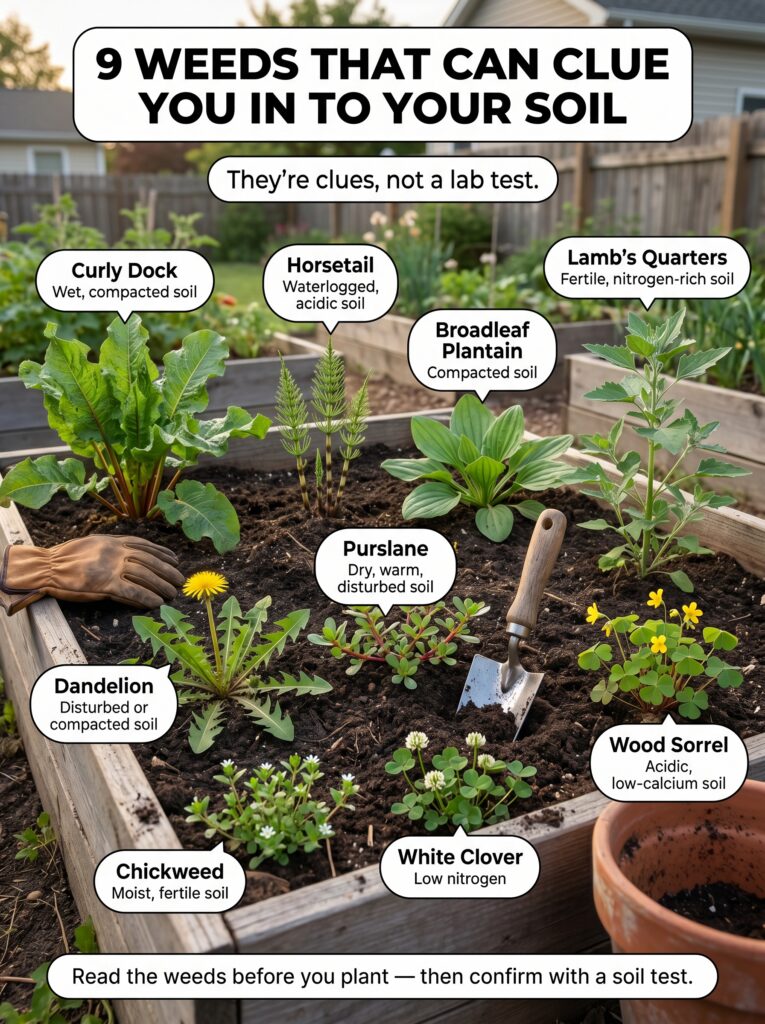 Learn to read your soil’s language by observing common garden weeds, transforming pesky invaders into valuable allies.
Why Weeds Are Your Soil’s Best Informants
Think of weeds as nature’s soil scientists. Their presence indicates specific environmental conditions:
- Compaction: Some weeds thrive in dense, oxygen-deprived soil where cultivated plants struggle to root.
- Nutrient Imbalance: Certain weeds flourish in areas deficient in particular nutrients, while others signal an excess.
- Moisture Levels: Weeds can tell you if your soil is consistently too wet or too dry.
- pH Levels: Acid-loving or alkaline-tolerant weeds are clear indicators of your soil’s pH.
Understanding these clues allows you to address the root cause of your soil issues, rather than just treating symptoms. It’s about working with nature, not against it, to foster an environment where your desired plants – whether they’re vibrant Zone 5 perennials or resilient Zone 9 vegetables – can reach their full potential.
Decoding the Clues: Common Weeds and What They Tell You
Let’s look at some common garden weeds and what they’re whispering about your soil:
1. Weeds Indicating Compacted Soil
Compacted soil lacks oxygen, drains poorly, and is difficult for plant roots to penetrate. If you see these, your soil might be too dense:
- Dandelion (Taraxacum officinale): Those ubiquitous yellow flowers with deep taproots are masters of compacted soil. Their roots break up hard soil, bringing minerals to the surface.
- Broadleaf Plantain (Plantago major): This low-growing plant with broad, ribbed leaves also loves compacted, often poorly drained areas, especially those with heavy foot traffic.
- Curly Dock (Rumex crispus): A strong taprooted weed, Curly Dock often signals heavy, wet, and compacted soil, or areas that have been recently disturbed.
Actionable Advice for Compaction:
- Aeration: Use a broadfork or garden fork to gently loosen the soil, avoiding full tilling which can destroy soil structure.
- Organic Matter: Regularly incorporate compost, well-rotted manure, or leaf mold. This improves soil structure and drainage over time.
- Reduce Traffic: Create dedicated pathways to minimize walking on garden beds.
2. Weeds Signaling Nutrient Deficiencies
When certain nutrients are lacking, specific weeds step in to fill the void or indicate an imbalance:
- White Clover (Trifolium repens): While often used as a beneficial cover crop, a sudden abundance of white clover in your garden beds can be a strong clue that your soil is low in nitrogen. Clover is a legume that fixes nitrogen from the air, enriching the soil.
- Chickweed (Stellaria media): A dense mat of chickweed can indicate rich, fertile soil, but if it’s struggling, it might point to low potassium or phosphorus.
- Field Bindweed (Convolvulus arvensis): Often a sign of low soil fertility or disturbed soil that is poor in organic matter.
Actionable Advice for Nutrient Issues:
- Soil Test: The most accurate way to identify nutrient deficiencies is a professional soil test.
- Compost: Regular additions of rich, homemade compost provide a balanced slow-release array of nutrients.
- Cover Crops: Plant nitrogen-fixing cover crops like clover or vetch in off-seasons to naturally replenish nitrogen.
- Organic Amendments: Use specific organic fertilizers like blood meal (for nitrogen), bone meal (for phosphorus), or greensand (for potassium) as needed based on soil test results.
3. Weeds Indicating pH Imbalance
Soil pH dictates nutrient availability. Some weeds prefer acidic conditions, others alkaline:
- Horsetail (Equisetum arvense): A very ancient plant, horsetail thrives in acidic, often poorly drained soil that is low in calcium.
- Sheep Sorrel (Rumex acetosella): This small, arrow-leaved plant is another classic indicator of acidic soil.
- Common Mallow (Malva neglecta): Often found in alkaline or compacted soils.
Actionable Advice for pH Imbalance:
- Soil Test: Essential for determining your current pH.
- Adjusting pH: To raise pH (make it more alkaline), add agricultural lime. To lower pH (make it more acidic), add elemental sulfur or peat moss. Always apply according to soil test recommendations.
4. Weeds Suggesting Poor Drainage or Excess Moisture
Standing water or consistently soggy conditions can suffocate plant roots:
- Horsetail & Curly Dock: Again, these robust weeds can also signal persistently wet or poorly draining areas.
- Moss: If moss is growing readily where your garden plants aren’t, it’s a strong indicator of damp, shady, and often acidic soil with poor air circulation.
Actionable Advice for Poor Drainage:
- Improve Soil Structure: Incorporate significant amounts of organic matter, like compost, which helps to create crumbly soil structure that drains better.
- Raised Beds: For persistently soggy areas, consider building raised garden beds filled with well-draining soil mixes.
- Site Selection: If possible, choose gardening spots with natural drainage or improve existing drainage with French drains for larger areas.
Beyond Weeds: Holistic Soil Health for USA Zone Plants
While weeds offer fantastic clues, they are just one piece of the puzzle. A truly thriving garden for any USA zone relies on a holistic approach to soil health:
- Observe Regularly: Pay attention to how your plants are growing, the presence of pests, and the overall vigor of your garden.
- Soil Testing: Invest in a professional soil test every few years. It provides precise data on pH, nutrient levels, and organic matter content, guiding your amendments.
- Add Organic Matter: This is the golden rule of gardening. Compost, leaf mold, and well-rotted manure improve structure, fertility, and water retention.
- Minimize Disturbance: Adopt no-till or minimal-till practices to preserve the delicate soil food web.
- Mulch: A good layer of organic mulch suppresses weeds, conserves moisture, regulates soil temperature, and slowly adds organic matter.
Cultivate Confidence, Not Just Crops!
By understanding the language of your garden’s weeds, you transform from a reactive gardener to a proactive one. You’ll gain a deeper connection with nature and the land you tend, becoming a detective deciphering its hidden messages. This knowledge isn’t just about growing better plants; it’s about fostering a sustainable, resilient ecosystem right in your backyard, enhancing your skills and boosting your gardening confidence. So, the next time you spot a weed, don’t just pull it. Take a moment to listen to what it’s telling you – it might just be the clue you need for your most vibrant garden yet!
Happy gardening!