Imagine adding a splash of vibrant color, a hint of delicate flavor, and a touch of elegance to your everyday meals. This isn’t just a chef’s fantasy; it’s the delightful reality of cooking with edible flowers. From ancient civilizations to modern gourmet kitchens, flowers have graced our plates for centuries, not just as garnish but as a source of unique tastes and even nutritional benefits.
While the idea of eating flowers might seem novel to some, many common garden varieties are perfectly safe and incredibly delicious. However, embarking on this culinary journey requires knowledge and caution. Just as with mushrooms, not all flowers are safe to eat, and careful identification is paramount. Furthermore, how they are grown significantly impacts their edibility.
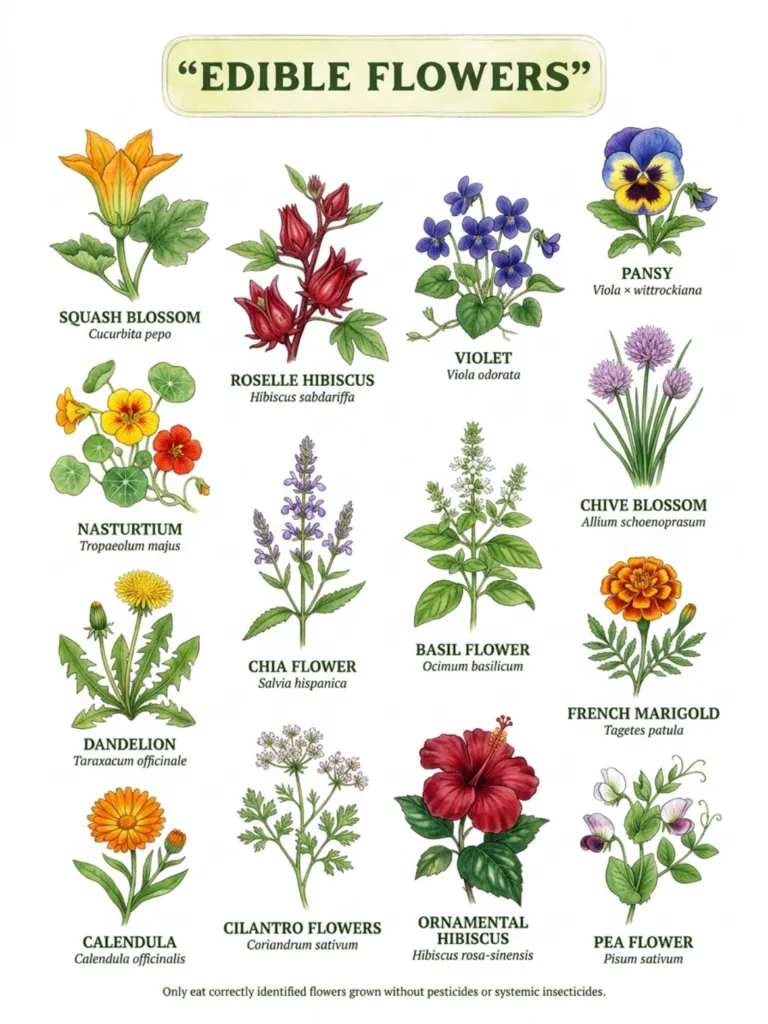 Discover the beauty and variety of edible flowers with proper identification.
Why Incorporate Edible Flowers into Your Diet?
Beyond their undeniable beauty, edible flowers offer a range of reasons to earn a spot in your kitchen:
- Flavor Enhancers: From the peppery bite of nasturtiums to the delicate sweetness of pansies, flowers can add unexpected and sophisticated flavor notes to both sweet and savory dishes.
- Visual Appeal: Let’s face it, we eat with our eyes first! A sprinkle of colorful petals can transform a simple salad, dessert, or drink into a culinary masterpiece.
- Nutritional Boost: Many edible flowers are packed with vitamins, minerals, and antioxidants, contributing to a healthy diet. For example, dandelions are rich in vitamins A, C, and K, while hibiscus is known for its antioxidants.
- Aromatic Experience: The fragrant notes of flowers like roses and lavender can elevate dishes, creating a multi-sensory dining experience.
Safety First: Essential Guidelines for Enjoying Edible Flowers
This is the most crucial section of your edible flower adventure. Misidentification or improper sourcing can lead to serious health issues. Always remember the golden rule:
Only eat correctly identified flowers grown without pesticides or systemic insecticides.
Key Safety Tips:
- Absolute Identification: Never, ever consume a flower unless you are 100% certain of its identity. If in doubt, throw it out. Many toxic flowers closely resemble edible ones.
- Pesticide-Free Zone: Only eat flowers that you know have been grown without chemical pesticides, herbicides, or systemic insecticides. This means growing your own organically, sourcing from reputable organic farmers, or foraging in pristine, uncontaminated areas.
- Avoid Roadside Flowers: Flowers picked near roadsides or industrial areas may contain pollutants from car exhaust or other environmental contaminants.
- Know Your Allergies: If you have allergies to pollen or specific plants, introduce edible flowers slowly and in small quantities to check for adverse reactions.
- Prepare Properly: Wash flowers gently before use. For many flowers, only the petals are edible; remove stamens, pistils, and the green sepals, which can be bitter or indigestible.
- Introduce Slowly: When trying a new edible flower, consume a small amount first to see how your body reacts.
Popular and Palatable Edible Flowers for Your Garden and Kitchen
Ready to start? Here are some widely recognized and delicious edible flowers that are generally safe once properly identified and sourced:
1. Pansies and Violas (Viola x wittrockiana, Viola tricolor)
- Flavor: Mild, slightly grassy, sometimes a hint of mint.
- Uses: Excellent as a colorful garnish for salads, desserts, fruit platters, or candied for decoration.
2. Squash Blossoms (Cucurbita spp.)
- Flavor: Delicately mild, subtly sweet, reminiscent of the squash fruit itself.
- Uses: Often stuffed with cheese and herbs, then lightly fried or baked. Also great in quesadillas or as a fresh garnish.
3. Nasturtiums (Tropaeolum majus)
- Flavor: Distinctly peppery, spicy, similar to watercress or radishes.
- Uses: Leaves and flowers are both edible. Fantastic in salads, sandwiches, or as a vibrant, spicy garnish for savory dishes.
4. Roses (Rosa spp.)
- Flavor: Sweet, fragrant, and slightly fruity. The intensity varies by variety.
- Uses: Petals are used in jams, jellies, syrups, teas, flavored sugars, and as a beautiful garnish for desserts.
5. Lavender (Lavandula angustifolia)
- Flavor: Floral, aromatic, slightly sweet, with a hint of rosemary or mint. Use sparingly as the flavor can be intense.
- Uses: Excellent in baked goods (scones, cookies), infused into honey or sugar, in herbal teas, or as part of a savory herb blend.
6. Chamomile (Chamaemelum nobile or Matricaria chamomilla)
- Flavor: Apple-like, sweet, and soothing.
- Uses: Best known for herbal teas, but can also be used in desserts or infusions.
7. Hibiscus (Hibiscus sabdariffa – Roselle)
- Flavor: Tart, cranberry-like, and refreshing.
- Uses: Commonly used to make vibrant red teas, syrups, jams, and cocktails.
8. Calendula (Calendula officinalis)
- Flavor: Mildly peppery to slightly bitter, sometimes tangy.
- Uses: Often called ‘poor man’s saffron’ due to its vibrant orange and yellow petals which add color to rice dishes, soups, and salads.
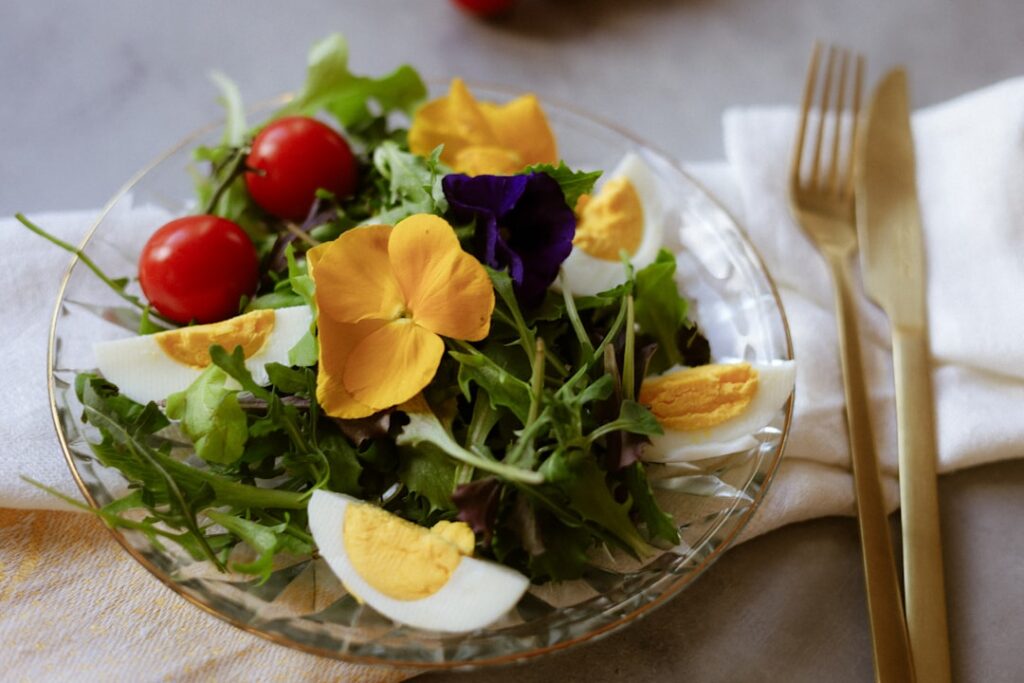 Edible flowers can elevate any dish, turning a simple meal into a work of art.
Tips for Growing Your Own Edible Flower Garden
The safest way to enjoy edible flowers is to grow them yourself, ensuring they are free from harmful chemicals.
- Choose the Right Spot: Most edible flowers thrive in full sun and well-drained soil. Consider your local climate and USDA hardiness zone.
- Organic Practices: From soil preparation to pest control, commit to organic gardening methods. Use compost, organic fertilizers, and natural pest deterrents.
- Start from Seed or Organic Plants: When buying plants, ensure they are certified organic and haven’t been treated with systemic pesticides (which stay in the plant tissue).
- Regular Harvesting: Pick flowers in the cool part of the morning after the dew has dried. This often encourages more blooms.
- Wash Gently: After harvesting, gently rinse flowers under cool water and pat dry with a paper towel before use.
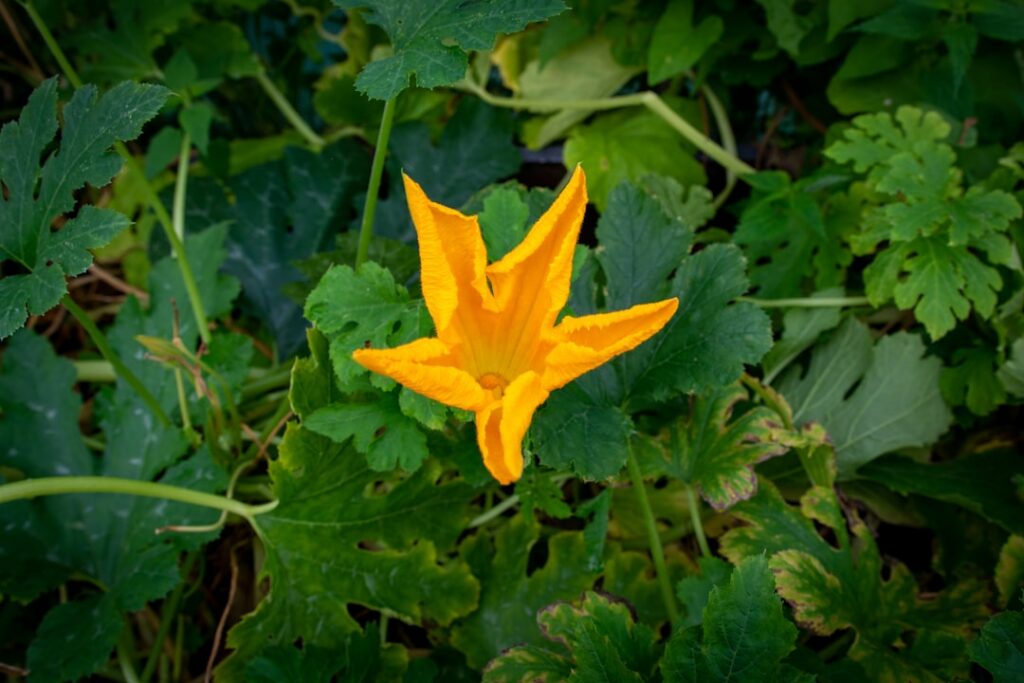 Growing your own edible flowers ensures they are fresh, organic, and safe for consumption.
Conclusion: Bloom and Feast Responsibly
Edible flowers offer an exciting new dimension to home cooking, transforming ordinary dishes into extraordinary culinary experiences. They bring not just beauty and flavor but also a connection to nature’s bounty. By prioritizing safety through proper identification and chemical-free cultivation, you can confidently explore this blooming world of edible delights. So go ahead, add a touch of floral magic to your next meal, and savor the unique tastes and vibrant colors that only nature can provide!