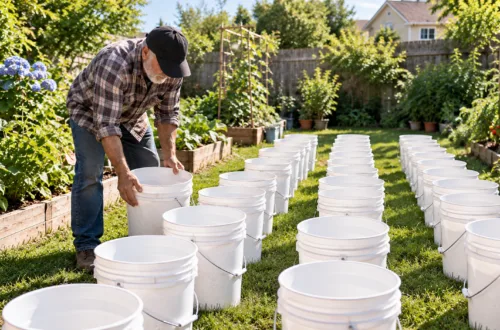
Gardening in a hot climate like Texas can be both a challenge and a joy. While many plants wilt under the relentless summer sun, a select group of resilient species not only tolerate the heat but actually thrive in it, producing abundant harvests and vibrant blooms. If you’ve ever felt discouraged by a struggling summer garden, it’s time to discover the power of heat-loving plants!
Choosing the right plants for your specific climate is the first step towards a successful and rewarding gardening experience. For Texans and those in similar hot regions, embracing plants adapted to high temperatures and intense sunlight can transform your garden into a lush, productive oasis. Let’s dive into nine fantastic options that will flourish even when the mercury rises.
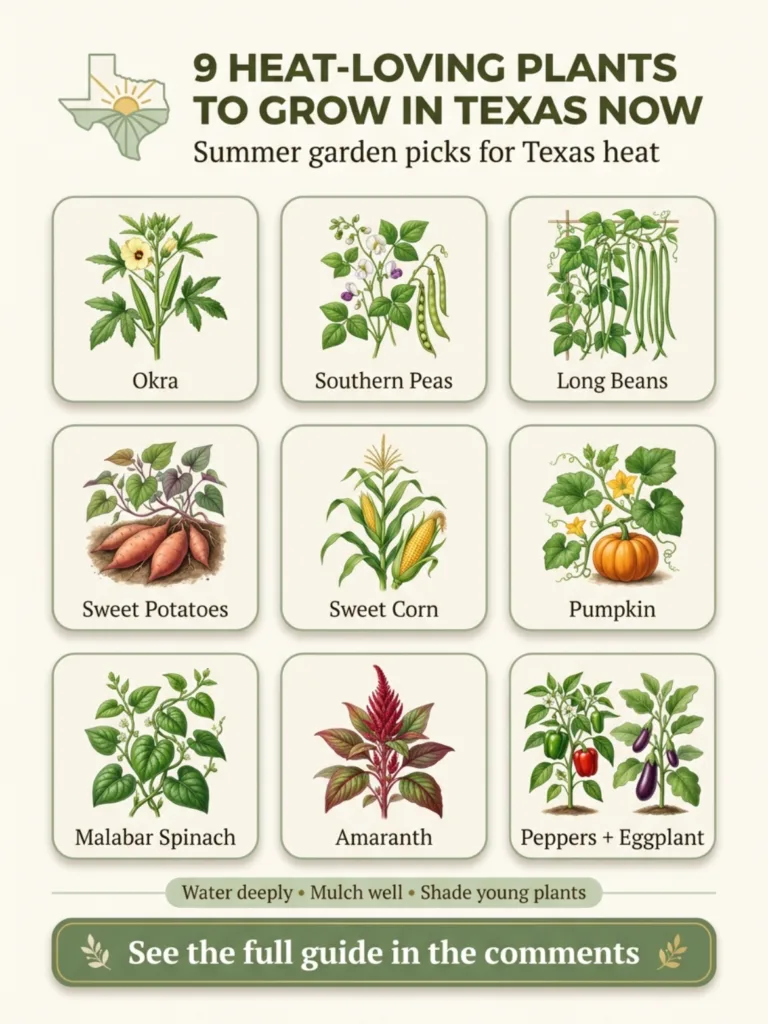 Discover the best plants to beat the Texas heat and keep your garden thriving all summer long.
The Heat-Loving Heroes: 9 Plants for a Thriving Summer Garden
1. Okra (Abelmoschus esculentus)
Okra is a true superstar of the summer garden. This versatile vegetable loves the heat and humidity, producing delicious pods that are excellent fried, grilled, or added to gumbos and stews. Once established, okra plants are incredibly resilient and will keep producing until the first frost.
- Why it loves heat: Native to tropical and subtropical regions, okra requires warm soil and high temperatures to germinate and grow vigorously.
- Care tips: Plant in full sun (at least 6-8 hours daily) in well-drained soil. Water regularly, especially during dry spells, but avoid overwatering. Fertilize moderately.
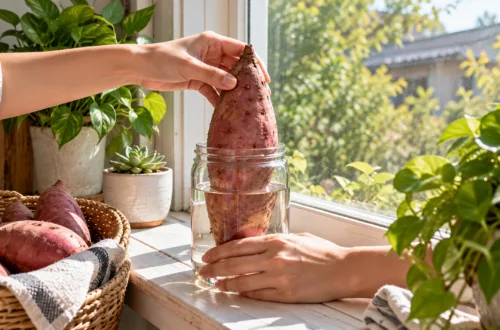
2. Sweet Potatoes (Ipomoea batatas)
More than just a delicious root vegetable, sweet potatoes are also beautiful vining plants that can serve as groundcover. They thrive in heat and are relatively drought-tolerant once established. Both the tubers and young leaves are edible!
- Why it loves heat: Sweet potatoes are tropical plants that need a long, warm growing season to develop their tubers.
- Care tips: Plant slips (sprouted tubers) in full sun in loose, well-drained soil. Provide consistent moisture, especially when tubers are forming.
3. Southern Peas (Vigna unguiculata)
Also known as cowpeas or black-eyed peas, Southern peas are incredibly tough and heat-tolerant legumes. They enrich the soil with nitrogen, making them a great choice for crop rotation. They come in bush and vining varieties and produce bountiful pods.
- Why it loves heat: Southern peas are well-adapted to hot, dry conditions and often perform better than other types of peas in summer heat.
- Care tips: Plant in full sun in average to poor soil; they don’t require much fertilization. Water regularly, but they can tolerate some drought.
4. Jalapeño Peppers (Capsicum annuum)
While many vegetables struggle in extreme heat, various pepper varieties, including jalapeños, thrive. The heat often intensifies their flavor and can even increase their pungency.
- Why it loves heat: Peppers originated in hot climates and require warmth for fruit production.
- Care tips: Plant in full sun in fertile, well-drained soil. Provide consistent moisture and mulch to retain soil humidity.
5. Eggplant (Solanum melongena)
Similar to peppers and tomatoes (though more heat-tolerant than most tomato varieties), eggplant is a fantastic choice for summer. It loves long, hot days and will produce glossy, beautiful fruits.
- Why it loves heat: Eggplant is a warm-season crop that needs consistent high temperatures to set fruit.
- Care tips: Plant in full sun in rich, well-drained soil. Water deeply and regularly, especially when fruits are developing. Support taller varieties with stakes.
6. Roselle (Hibiscus sabdariffa)
Often grown for its edible calyces, which are used to make hibiscus tea (agua de Jamaica), jellies, and sauces, Roselle is a stunning and productive plant for hot climates. It’s also known as Florida Cranberry or Sour Tea.
- Why it loves heat: A tropical hibiscus species, Roselle thrives in hot, humid conditions.
- Care tips: Plant in full sun in well-drained soil. It’s relatively drought-tolerant once established but benefits from regular watering.
7. Malabar Spinach (Basella alba)
When traditional spinach bolts in the summer heat, Malabar spinach steps in. This vining, leafy green thrives in hot, humid weather and offers a slightly different texture and mild, earthy flavor.
- Why it loves heat: Malabar spinach is a tropical vine that flourishes in high temperatures and humidity.
- Care tips: Plant in full sun to partial shade in fertile, moist soil. Provide a trellis or support for its vining habit.
8. Sunflowers (Helianthus annuus)
While known for their iconic sunny blooms, many sunflower varieties are incredibly heat and drought tolerant once established, making them a cheerful addition to a hot-climate garden. Their seeds are a bonus!
- Why it loves heat: Sunflowers are very robust and can handle intense sunlight and dry spells, especially native varieties.
- Care tips: Plant in full sun in well-drained soil. Water deeply until established, then they are quite resilient.
9. Zinnias (Zinnia elegans)
For vibrant color and attracting pollinators, you can’t go wrong with zinnias. These annuals absolutely adore the heat and sun, producing a continuous show of colorful blooms that make excellent cut flowers.
- Why it loves heat: Zinnias are highly tolerant of hot, dry conditions once established.
- Care tips: Plant in full sun in well-drained soil. Deadhead spent blooms to encourage more flowers. They are relatively low-maintenance.
General Tips for Gardening in Hot Climates
Beyond choosing the right plants, employing smart gardening strategies can significantly boost your success in hot weather. The image mentioned key tips like “Water deeply • Mulch well • Shade young plants” – let’s expand on those and more.
1. Water Deeply and Early
Instead of frequent shallow watering, aim for deep, infrequent watering. This encourages roots to grow deeper, making plants more resilient to drought. Water in the early morning to minimize evaporation and allow foliage to dry before nightfall, reducing disease risk.
2. Mulch, Mulch, Mulch!
A good layer of organic mulch (3-4 inches) around your plants is a game-changer. It insulates the soil, keeping it cooler, suppresses weeds that compete for water, and retains essential moisture, reducing your watering needs.
3. Provide Shade for Young or Sensitive Plants
While heat-loving plants thrive in sun, even they can benefit from a little protection during the most intense afternoon heat, especially when young. Use shade cloth, companion planting with taller plants, or temporary screens to provide relief during peak sun hours.
4. Improve Your Soil
Healthy soil is the foundation of a resilient garden. Incorporate plenty of organic matter like compost before planting. This improves drainage, water retention, and provides a slow release of nutrients, making plants stronger and more able to handle stress.
5. Harvest Frequently
Many heat-loving vegetables, like okra, peppers, and Southern peas, will produce more if you harvest them regularly. This signals the plant to continue producing flowers and fruits rather than putting energy into ripening existing ones.
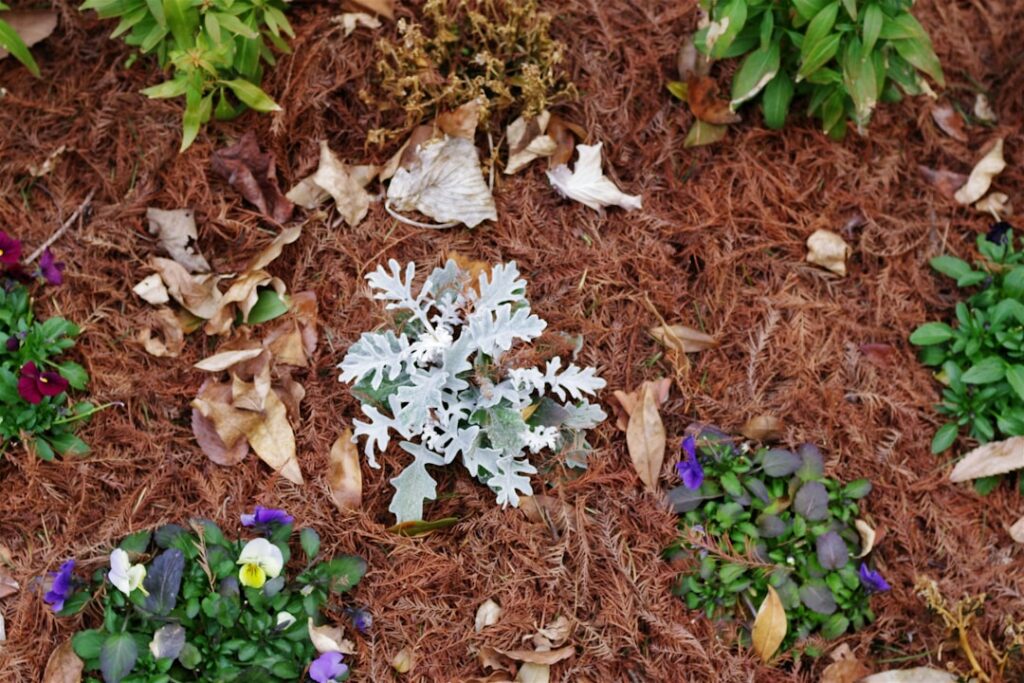 With the right plants and care, your summer garden can be a thriving haven of fresh produce and beautiful blooms.
Conclusion
Don’t let the summer heat deter your gardening ambitions. By selecting the right heat-loving plants and applying smart cultivation techniques, you can enjoy a bountiful and beautiful garden throughout the hottest months. Embrace these resilient plants, provide them with the care they need, and watch your Texas garden flourish!
Happy gardening!