Imagine expanding your garden, propagating your favorite plants, or sharing unique varieties with friends—all without spending a dime on new plants. This isn’t just a gardener’s dream; it’s a reality made possible through plant propagation by cuttings. It’s a simple, rewarding technique that allows you to clone existing plants, preserving their exact characteristics and multiplying your green treasures.
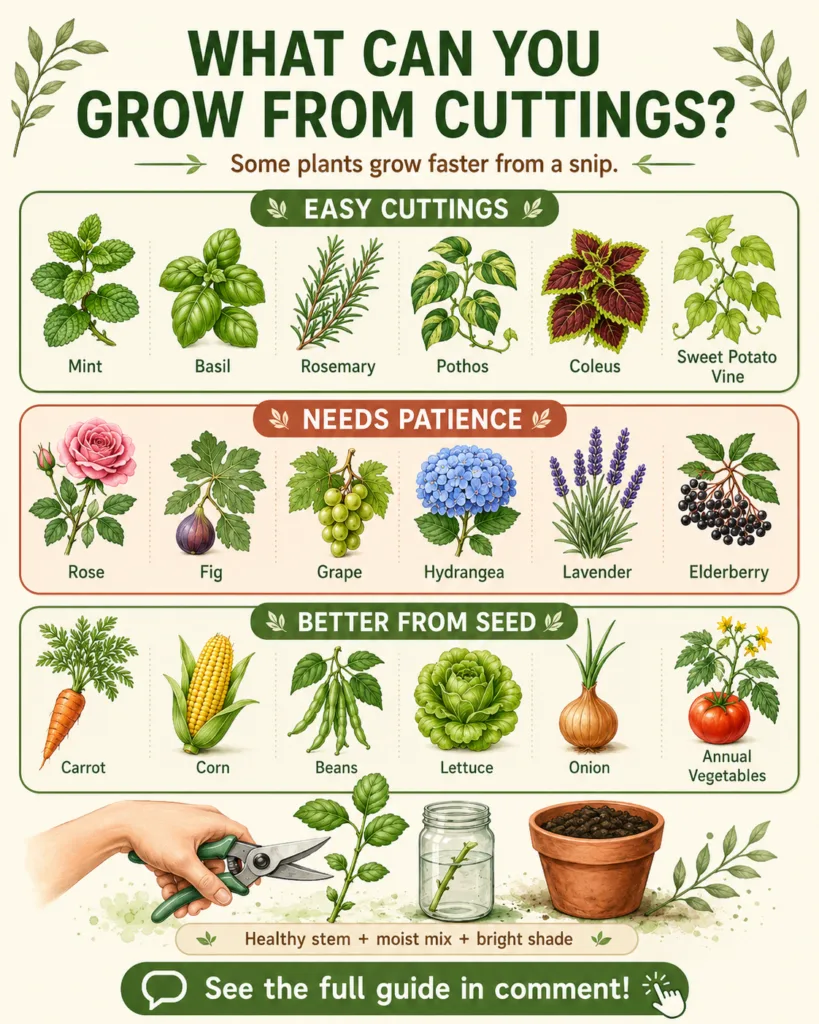 Discover what plants thrive from cuttings and which are best started from seed.
What is Plant Propagation by Cuttings?
At its heart, plant propagation by cuttings is about creating new plants from a piece of an existing plant – usually a stem, leaf, or root section. When given the right conditions, these pieces will develop roots and grow into entirely new, genetically identical plants. It’s a method gardeners have cherished for centuries, offering an intimate connection to the plant lifecycle and sustainable gardening practices.
Why Embrace Propagation from Cuttings?
- Cost-Effective Expansion: Why buy new plants when you can grow them for free? Cuttings are an incredibly economical way to fill your garden beds, pots, and windowsills.
- Preserving Desirable Traits: Unlike growing from seed, which can sometimes result in variations, cuttings are clones of the parent plant. This means your new plant will have the exact same color, size, disease resistance, and growth habit as the plant you took the cutting from.
- Sharing and Gifting: Cuttings make wonderful gifts for fellow plant enthusiasts. Share your favorite varieties and spread the joy of gardening.
- Seasonal Refresh: For annuals or plants that get leggy, taking cuttings allows you to start fresh young plants for the next season or to keep compact, vigorous specimens.
The Essential Steps to Taking Successful Cuttings
While the specifics might vary slightly by plant, the fundamental principles remain consistent. Follow these steps for the best chance of success:
Gathering Your Tools and Preparing Your Environment
- Sharp Pruners or Scissors: Sterilize them with rubbing alcohol to prevent disease transmission.
- Rooting Medium: A well-draining, sterile mix like perlite, vermiculite, sand, or a specialized seed-starting mix. For some plants, simply a jar of water will suffice.
- Small Pots or Trays: With drainage holes.
- Rooting Hormone (Optional but Recommended): Available in powder or gel form, this can significantly increase rooting success, especially for tougher plants.
- Warm, Bright Location: A spot with bright, indirect light and consistent temperatures.
Selecting and Taking Your Cuttings
Choose a healthy, vigorous stem from the parent plant, ideally one that isn’t flowering or setting fruit. Look for stems that are about 4-6 inches long and have several leaves. Make a clean cut just below a ‘node’ (the point where a leaf or branch attaches to the stem).
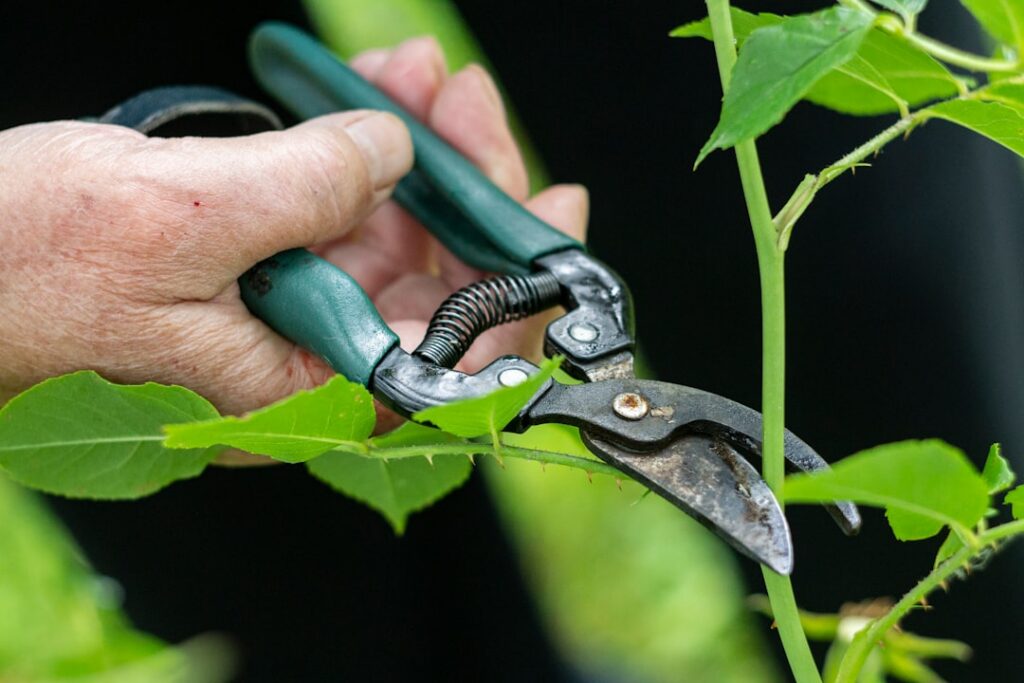 A clean cut just below a node is key for successful rooting.
Preparing Your Cuttings for Rooting
Remove any leaves from the bottom 1-2 inches of the cutting. This prevents them from rotting when submerged in water or buried in soil. If using rooting hormone, dip the cut end into the hormone according to package directions.
Planting Your Cuttings
- For Soil Rooting: Make a small hole in your pre-moistened rooting medium, gently insert the cutting, and lightly firm the medium around it.
- For Water Rooting: Place the cutting in a clear jar or glass of water, ensuring that only the leafless portion is submerged. Change the water every few days to prevent stagnation.
Nurturing Your New Plants
This is where patience comes in! Provide a consistent environment. The infographic wisely advises: “Healthy stem + moist mix + bright shade.” Keep the rooting medium consistently moist but not waterlogged. High humidity can also be beneficial, which you can achieve with a clear plastic bag or dome over the cuttings. Avoid direct, scorching sunlight, but ensure they receive plenty of bright, indirect light.
What Can You Grow From Cuttings? A Plant Guide
Not all plants propagate equally well from cuttings. Here’s a breakdown based on their typical success rates:
The “Easy Cuttings” Club: Great for Beginners
These plants are incredibly forgiving and often root quickly, making them perfect for those new to propagation. You’ll often see roots forming in just a few weeks, sometimes even in plain water!
- Herbs: Mint, Basil, Rosemary
- Houseplants/Ornamentals: Pothos, Coleus, Sweet Potato Vine
These plants are ideal for building confidence and seeing quick results. Most of them root well in water or a simple potting mix.
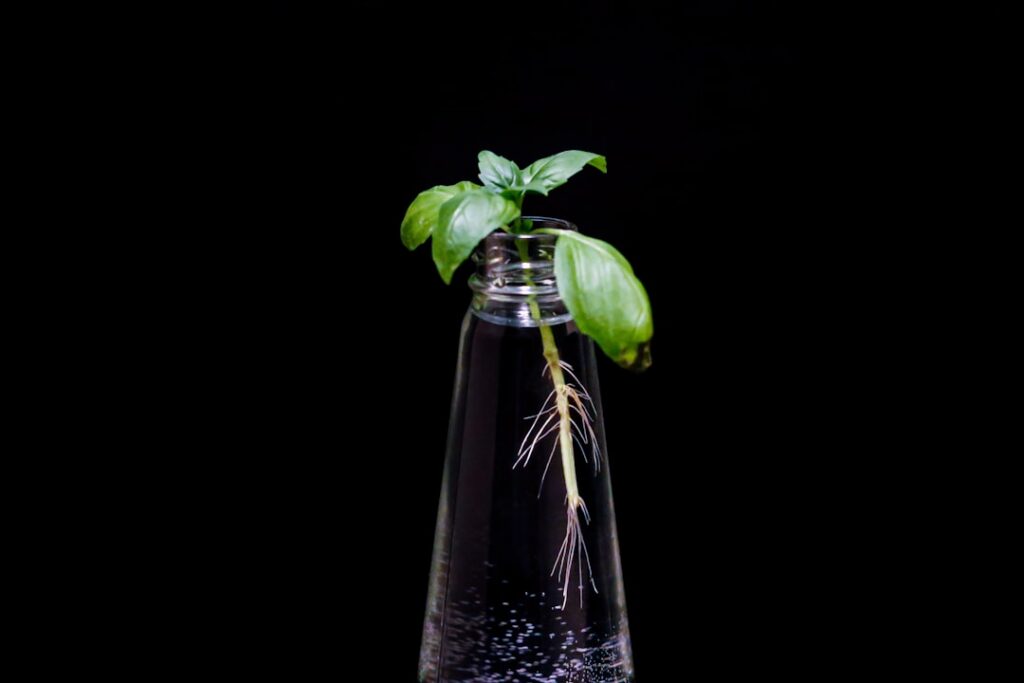 Many popular herbs and houseplants are incredibly easy to root from cuttings.
“Needs Patience”: Rewarding for the Dedicated Gardener
These plants might take longer to root, sometimes several months, and may benefit greatly from rooting hormone, bottom heat, or a humidity dome. Don’t be discouraged if they don’t show immediate signs of growth; good things take time!
- Flowering Shrubs/Fruiting Plants: Rose, Fig, Grape, Hydrangea, Lavender, Elderberry
For these, consider taking semi-hardwood cuttings (from slightly older, firmer stems) and maintaining consistent conditions throughout the rooting period.
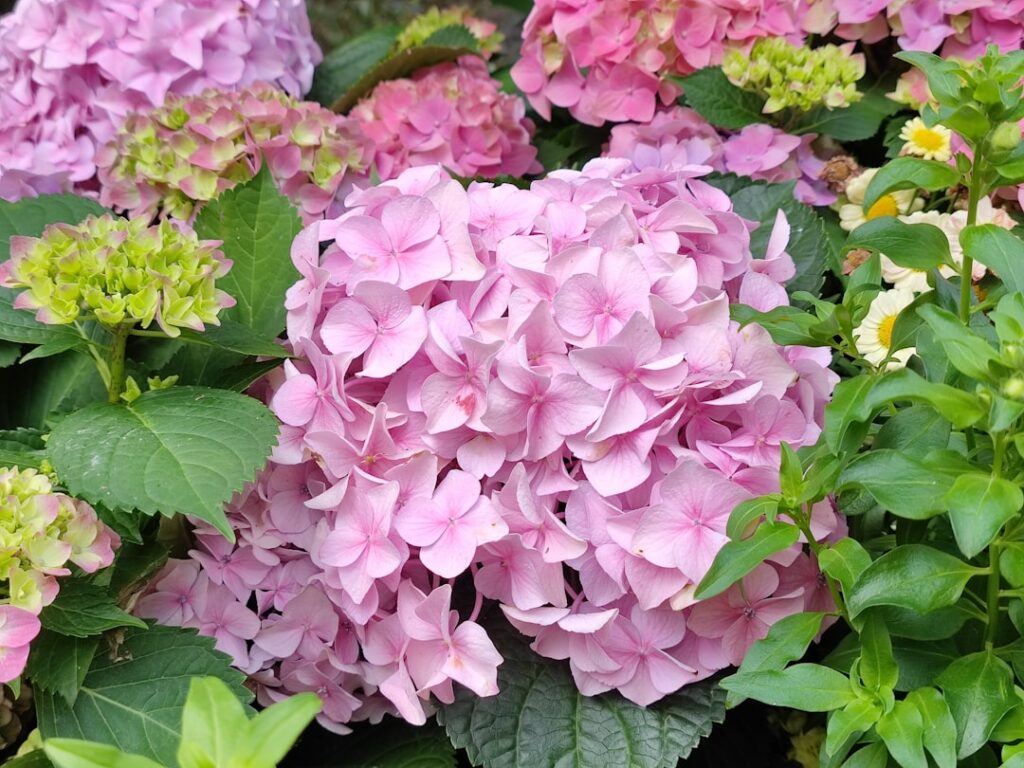 Some plants, like roses and figs, require a bit more patience and specific conditions to root successfully.
“Better From Seed”: When to Opt for Seeds Instead
While almost anything can be attempted from cuttings, some plants are simply much more efficient, reliable, or genetically stable when grown from seed. For many annual vegetables, starting from seed is the standard and most practical approach.
- Root Vegetables: Carrot, Onion
- Leafy Greens: Lettuce
- Grains/Legumes: Corn, Beans
- General Annual Vegetables: Tomatoes, Peppers, Squash, etc.
These plants often have taproots that don’t regenerate well from cuttings, or they grow so rapidly from seed that cuttings offer no real advantage.
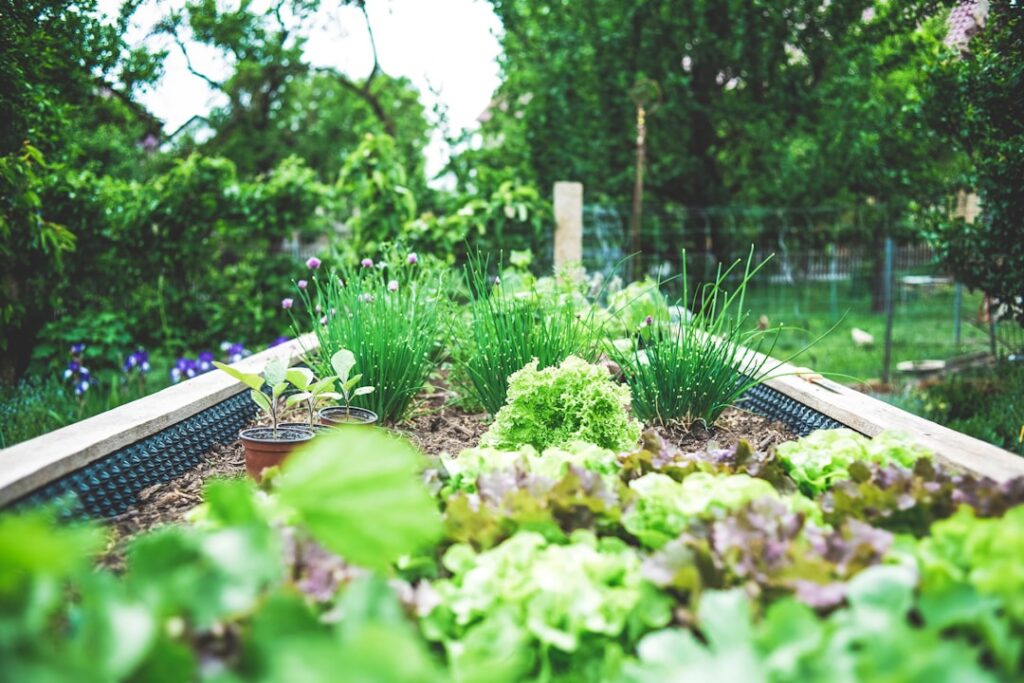 For many common vegetables, starting fresh from seed is the most reliable and efficient method.
Pro Tips for Cuttings Success
- Sterilize Everything: Clean tools and sterile rooting medium prevent fungal diseases that can quickly kill your cuttings.
- Maintain Humidity: Many cuttings root best in high humidity. A mini-greenhouse, a clear plastic bag, or a cloche can help.
- Don’t Overwater: While moisture is crucial, soggy conditions lead to rot. Ensure good drainage and let the top layer of your rooting medium dry slightly between waterings.
- Be Patient and Observe: Rooting takes time. Look for signs of new leaf growth, which often indicates root development. Gently tugging on a cutting and feeling resistance is another good sign.
- Acclimatize Gradually: Once roots have formed, gradually introduce your new plant to less humid conditions and more light before transplanting it to its final home.
Conclusion
Plant propagation from cuttings is a fulfilling skill that empowers you to multiply your favorite plants, save money, and deepen your connection with the natural world. Whether you’re starting with easy-to-root herbs or taking on a more challenging shrub, the journey of watching a tiny piece of stem transform into a thriving new plant is one of gardening’s greatest joys. So, grab your pruners, choose your next plant, and start growing!