Unlock the Magic of Hydroponic Sprouting at Home!
Have you ever dreamt of growing fresh produce right on your windowsill, without the mess of soil? The good news is, you absolutely can! Many common roots and rhizomes, often found in your pantry, are surprisingly eager to sprout and grow when given just water, light, and a little patience. This method is not only fascinating to watch but also incredibly rewarding, offering a sustainable way to enjoy fresh ingredients or beautiful ornamental plants.
Whether you’re a seasoned gardener or a curious beginner, sprouting plants in water is a simple and effective technique to kickstart new life. Forget complicated setups; with just a glass of water and a bright spot, you can transform a dormant root into a vibrant green plant. Let’s dive into the world of water propagation and discover eight amazing roots and rhizomes you can easily sprout in water.
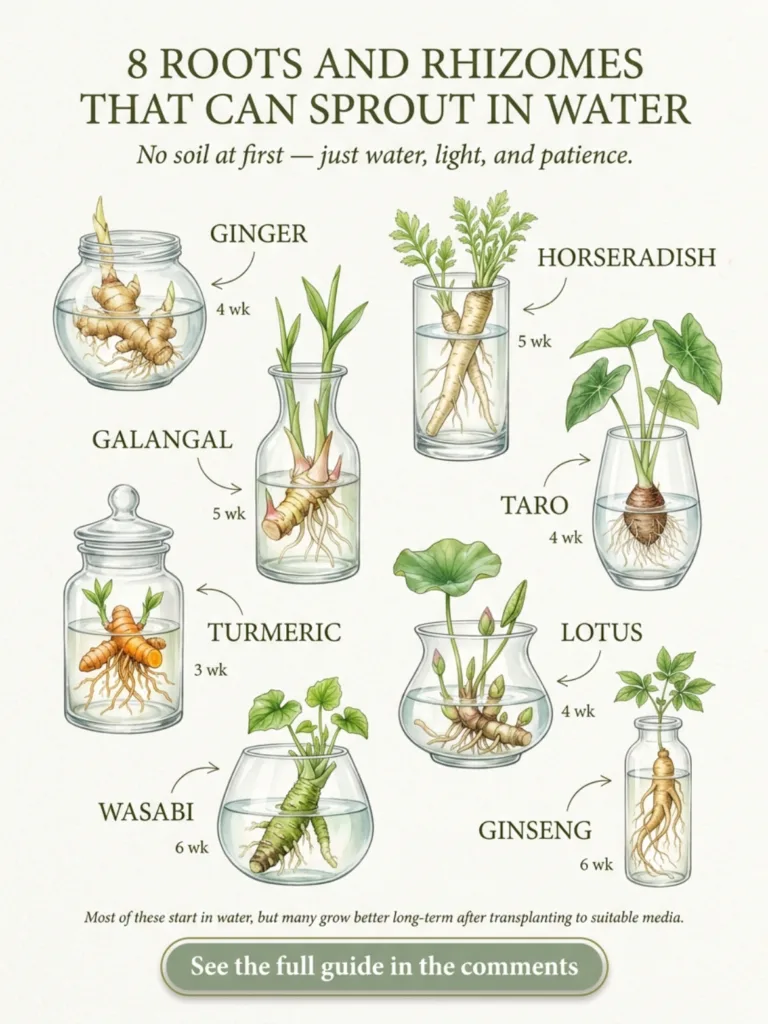 8 amazing roots and rhizomes that can sprout in water, ready to kickstart your indoor garden!
Why Sprout Roots and Rhizomes in Water?
There are numerous benefits to choosing water as your initial growing medium:
- Simplicity: No soil, no digging, no mess! It’s an incredibly straightforward process perfect for urban dwellers or those with limited space.
- Educational: It’s a fantastic way for children and adults alike to observe the miracle of life, watching roots and shoots develop in real-time.
- Aesthetic Appeal: A sprouting root in a clear jar can be a beautiful, living decorative piece for your kitchen or living room.
- Cost-Effective: You can often use scraps from your groceries, reducing waste and saving money on new plants.
- Pest Control: Growing in water significantly reduces the chances of soil-borne pests.
8 Roots and Rhizomes That Love to Sprout in Water
Ready to get started? Here are eight fascinating plants that thrive when given the water treatment:
1. Ginger (Zingiber officinale)
- What it is: A popular rhizome used extensively in cooking and traditional medicine.
- How to sprout: Choose a firm, plump piece of ginger with visible ‘eyes’ or buds. Place it partially submerged in a shallow dish of water, ensuring some parts are exposed to air.
- Sprouting time: Approximately 3-4 weeks until visible shoots appear.
- Uses: Fresh ginger for cooking, ginger tea, or even a decorative plant. Once it develops substantial roots and shoots, you can transplant it into a pot with rich, well-draining soil.
2. Galangal (Alpinia galanga)
- What it is: A rhizome closely related to ginger, with a more pungent, peppery, and citrusy flavor, essential in Southeast Asian cuisine.
- How to sprout: Similar to ginger, select a firm piece with eyes. Submerge the lower part in water.
- Sprouting time: Around 3-4 weeks.
- Uses: Culinary applications, particularly in Thai and Indonesian dishes. Like ginger, it can be transferred to soil for continued growth.
3. Turmeric (Curcuma longa)
- What it is: Known for its vibrant yellow color and anti-inflammatory properties, widely used in curries and supplements.
- How to sprout: Find a fresh, firm piece of turmeric with buds. Place it partially in water in a sunny spot.
- Sprouting time: Generally 2-3 weeks.
- Uses: Spice, health supplements, or as an attractive houseplant with broad, lush leaves.
4. Wasabi (Wasabia japonica)
- What it is: The fiery green root often served with sushi, although true wasabi is rare outside Japan.
- How to sprout: If you can get your hands on a fresh wasabi rhizome, place its base in cold, clean water. Wasabi prefers cooler temperatures.
- Sprouting time: Typically 2-3 weeks.
- Uses: Culinary delicacy. This plant can be challenging to grow to full maturity outside its native environment but is an exciting experiment.
5. Horseradish (Armoracia rusticana)
- What it is: A pungent root known for its strong flavor, often used as a condiment.
- How to sprout: Cut a section of fresh horseradish root about 4-6 inches long. Place the thicker end down in water.
- Sprouting time: Quick, often 1-2 weeks.
- Uses: Grated for sauces, cooking, or as a robust garden plant (it can be quite vigorous once established in soil).
6. Taro (Colocasia esculenta)
- What it is: A starchy root vegetable, a staple in many tropical regions, known for its distinct flavor and texture.
- How to sprout: Take a small taro corm (root) and place its base in a bowl of water.
- Sprouting time: Rapid, typically 1-2 weeks.
- Uses: Edible root (must be cooked thoroughly), or as a stunning ornamental plant with large, heart-shaped leaves, often called ‘Elephant Ear.’
7. Lotus (Nelumbo nucifera)
- What it is: The beautiful aquatic plant famous for its striking flowers and edible rhizomes (lotus root).
- How to sprout: You’ll typically sprout lotus from seeds, but you can also encourage growth from a fresh lotus root segment. Place a section with a bud in shallow water. Ensure the water is warm.
- Sprouting time: 1-2 weeks for initial shoots.
- Uses: Ornamental pond plant, edible roots, and seeds. Lotus thrives in a water garden setting.
8. Ginseng (Panax ginseng)
- What it is: A highly valued medicinal root, particularly in East Asian traditional medicine, known for its adaptogenic properties.
- How to sprout: Obtaining a fresh ginseng root for sprouting can be challenging, but if you do, place it partially submerged in water in a cool, shaded area.
- Sprouting time: Can be longer, around 4-6 weeks.
- Uses: Medicinal purposes. Growing ginseng requires significant patience and specific conditions if you intend to harvest its root.
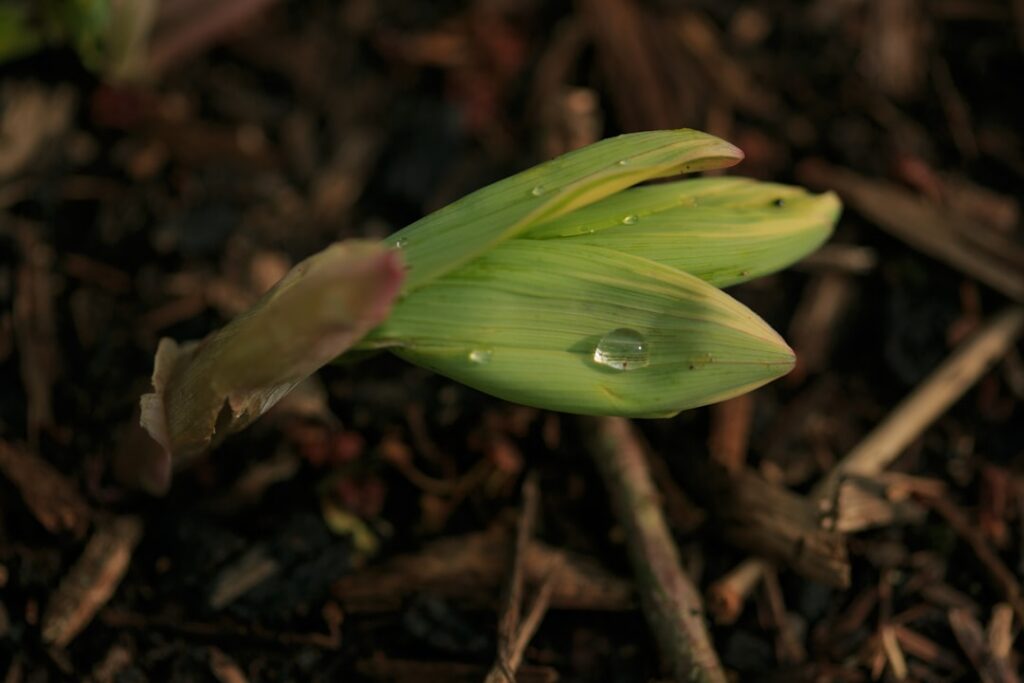 Watch your ginger come to life in a simple glass of water!
General Tips for Water Sprouting Success
To ensure your roots and rhizomes have the best chance to grow, keep these tips in mind:
- Choose Healthy Stock: Always start with firm, unblemished roots or rhizomes. Look for small ‘eyes’ or buds, as these are where new growth will emerge.
- Right Container: Use clear glass jars or containers so you can easily monitor root development and water levels.
- Fresh Water: Change the water every 1-2 days to prevent stagnation and bacterial growth. Use filtered or dechlorinated water if possible.
- Optimal Light: Most roots prefer bright, indirect light. A sunny windowsill is often perfect, but avoid intense direct sunlight which can overheat the water.
- Patience is Key: Sprouting times vary. Don’t be discouraged if it takes a few weeks. Keep the water fresh and observe regularly.
- Transitioning to Soil: Once your plant has developed a good network of roots and some strong shoots, you can carefully transplant it into a pot with suitable potting mix. Some, like taro, can continue to thrive in a semi-hydroponic setup for a while.
Start Your Water Garden Today!
Sprouting roots and rhizomes in water is a delightful and accessible way to bring more greenery into your home, enjoy fresh ingredients, and connect with the natural world. It’s an easy project that yields beautiful results and a sense of accomplishment. So, next time you’re in the kitchen, consider giving your ginger, turmeric, or horseradish a second life. You might just discover your new favorite gardening hobby!
Happy sprouting!