Are you looking for ways to boost your garden’s health, naturally deter pests, and improve your harvest without relying on harsh chemicals? The secret might lie in an ancient gardening technique known as companion planting. This method involves strategically placing different plant species near each other to create a mutually beneficial ecosystem. It’s like building a harmonious community in your backyard, where each plant plays a vital role in supporting its neighbors.
From experienced gardeners to beginners, understanding the principles of companion planting can transform your gardening approach, leading to healthier plants, more abundant yields, and a more sustainable growing environment. Let’s dive into how you can harness the power of plant partnerships.
What Exactly Is Companion Planting?
Companion planting is the practice of growing different crops in close proximity for various beneficial reasons. These benefits can range from natural pest control and disease prevention to improved soil health, enhanced flavor, and increased pollination. It’s a holistic approach that acknowledges the intricate relationships between plants and their environment, leveraging these connections for a more productive and resilient garden.
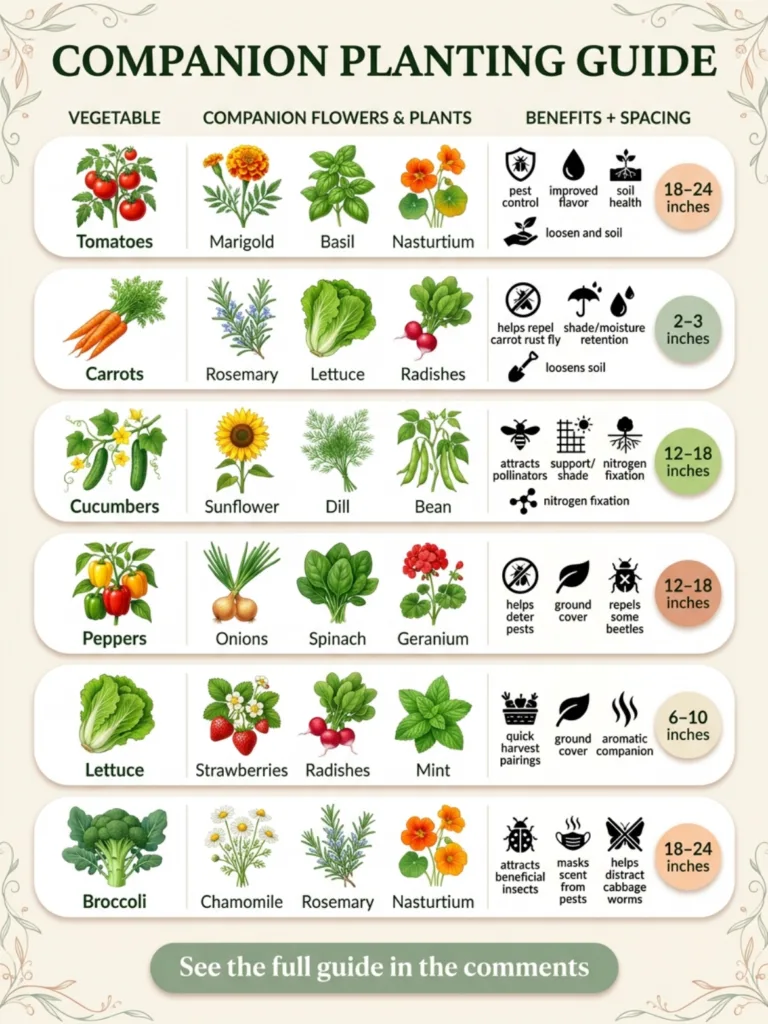 Discover key companion plant pairings that can boost your garden’s health and yield.
The Multifaceted Benefits of Companion Planting
Why should you bother with companion planting? The advantages are numerous and impactful:
1. Natural Pest Control
- Deterring Pests: Some plants emit odors that repel harmful insects. For instance, marigolds are known to deter nematodes and other pests from vegetable roots.
- Trap Cropping: Certain plants can attract pests away from your main crops. Nasturtiums, for example, can lure aphids away from valuable vegetables.
- Confusing Pests: A diverse garden makes it harder for pests to locate their preferred host plants, as their scent cues are muddled.
2. Attracting Beneficial Insects
Many companion plants, especially flowers and herbs, produce nectar and pollen that attract pollinators like bees and butterflies, essential for fruit production. They also draw in predatory insects (ladybugs, lacewings) and parasitic wasps, which feed on or lay eggs in garden pests, providing natural biological control.
3. Enhancing Growth and Flavor
Some plants can improve the growth and flavor of their neighbors. It’s believed that certain herbs, like chamomile or nettles, can increase the essential oil content in adjacent plants, making them more flavorful or aromatic.
4. Improving Soil Health and Nutrient Uptake
- Nitrogen Fixers: Legumes (like beans and peas) fix nitrogen from the air into the soil, making it available for other plants.
- Dynamic Accumulators: Plants with deep taproots can draw up nutrients from deeper soil layers, making them accessible to shallower-rooted plants when their leaves decompose.
5. Providing Physical Support and Shade
Tall, sturdy plants like corn can serve as natural trellises for climbing plants such as beans. Larger plants can also provide shade for sensitive, cooler-season crops during hot summer months, preventing bolting and sunburn.
6. Weed Suppression
Densely planted companions can create a living mulch, shading out weeds and reducing competition for resources.
Key Principles for Successful Companion Planting
To make the most of companion planting, consider these foundational principles:
- Know Your Plants: Research the specific needs and characteristics of each plant, including its root structure, nutrient requirements, and growth habit.
- Diversity is Key: A monoculture (single crop) is more susceptible to pests and diseases. A diverse garden is a resilient garden.
- Observe and Learn: Pay attention to your garden. What works well? What doesn’t? Gardening is an ongoing experiment.
- Avoid Bad Companions: Just as some plants help each other, others can hinder growth or attract shared pests.
Popular Companion Plant Pairings for Your Vegetable Garden
Let’s explore some common and highly effective companion plant combinations that can benefit your home garden:
Tomatoes: The Garden Favorite
- Good Companions: Carrots, Onions, Parsley, Marigolds, Borage, Basil, Nasturtiums.
- Benefits: Basil is famed for improving tomato flavor and deterring hornworms and flies. Marigolds protect against nematodes. Borage deters tomato hornworms and attracts pollinators.
- Avoid: Broccoli, Cabbage, Corn, Fennel.
Carrots: Rooting for Success
- Good Companions: Lettuce, Rosemary, Marigolds, Radishes, Onions, Leeks, Sage.
- Benefits: Rosemary helps deter the carrot rust fly. Lettuce provides ground cover, keeping the soil cool and moist. Radishes loosen the soil, making it easier for carrots to grow.
- Avoid: Dill, Fennel.
Cucumbers: Cool and Refreshing
- Good Companions: Radishes, Nasturtiums, Marigolds, Corn, Beans, Peas, Dill.
- Benefits: Corn provides a natural trellis. Nasturtiums act as a trap crop for aphids. Dill attracts beneficial wasps and repels cucumber beetles.
- Avoid: Aromatic herbs like Sage, Mint (unless contained).
[IMAGE PLACEHOLDER: A garden bed showing a mix of vegetables and flowers, illustrating a successful companion planting arrangement]
A thriving vegetable garden showcases the beauty and benefits of diverse companion planting.
Peppers: Spice Up Your Life
- Good Companions: Carrots, Onions, Basil, Spinach, Marigolds, Nasturtiums, Radishes.
- Benefits: Basil is thought to improve pepper flavor and repel flies. Marigolds deter nematodes. Nasturtiums can act as a trap crop for aphids.
- Avoid: Beans (some varieties), Fennel.
Lettuce: The Leafy Green Staple
- Good Companions: Carrots, Radishes, Mint, Garlic, Onions, Strawberries, Marigolds.
- Benefits: Tall plants like corn or sunflowers can provide shade, preventing lettuce from bolting in hot weather. Mint deters slugs. Garlic and onions can repel aphids.
- Avoid: Broccoli, Cabbage.
Broccoli & Other Brassicas (Cabbage, Kale, Cauliflower)
- Good Companions: Dill, Rosemary, Sage, Thyme, Mint, Onions, Potatoes, Marigolds.
- Benefits: Aromatic herbs like rosemary and sage deter cabbage worms and flea beetles. Dill attracts beneficial predatory wasps.
- Avoid: Tomatoes, Strawberries, Pole Beans.
The Three Sisters: An Ancient Partnership
This traditional Native American planting method combines corn, beans, and squash, forming a beautiful symbiotic relationship:
- Corn: Provides a sturdy stalk for the beans to climb.
- Beans: Fix nitrogen in the soil, enriching it for the corn and squash.
- Squash: Its large leaves provide ground cover, suppressing weeds, conserving moisture, and deterring pests.
Plants to Think Twice About (Bad Companions)
While many plants make great neighbors, some pairings can be detrimental:
- Fennel: Often inhibits the growth of many plants, including tomatoes, beans, and kohlrabi.
- Walnut Trees: Produce juglone, a chemical toxic to many plants (tomatoes, blueberries, apples).
- Alliums (Onions, Garlic) with Legumes (Beans, Peas): Can stunt the growth of legumes.
- Brassicas with Strawberries: Both compete for similar nutrients and can attract similar pests.
Tips for Maximizing Your Companion Planting Success
- Start Small: Experiment with a few well-known pairings before overhauling your entire garden.
- Observe Carefully: Pay attention to how your plants react to their companions. Not every garden is the same.
- Proper Spacing: Ensure adequate space for each plant to grow without overcrowding, even with companions.
- Soil Health: Companion planting works best in healthy, nutrient-rich soil.
- Rotate Crops: Even with companion planting, rotating your crops annually helps prevent nutrient depletion and pest buildup.
Embrace the Natural Harmony of Your Garden
Companion planting is more than just a technique; it’s a philosophy that encourages a deeper understanding of nature’s interconnectedness. By strategically placing plants, you create a vibrant, resilient ecosystem that thrives with minimal intervention. You’ll reduce reliance on chemicals, foster biodiversity, and ultimately enjoy a more abundant and flavorful harvest.
So, the next time you’re planning your garden, think about how your plants can work together. With a little planning and observation, you can unlock the full potential of your garden and cultivate a truly thriving green space.