Hello, fellow garden enthusiasts! There’s a secret to coaxing the absolute best from many of our favorite garden plants, a technique that often feels a bit daunting at first but is incredibly rewarding once you get the hang of it. I’m talking about pruning! It’s not about hacking away at your beloved plants; it’s a thoughtful process of guiding their growth, improving air circulation, and yes, significantly boosting your harvest. Think of it as giving your plants a helpful haircut.
Many of us dream of overflowing baskets of tomatoes, sweet peppers, and juicy berries. The good news is, with a little strategic snipping, this dream is well within reach. Pruning helps plants focus their energy where it matters most: on producing delicious fruits, vegetables, and herbs, rather than excessive foliage.
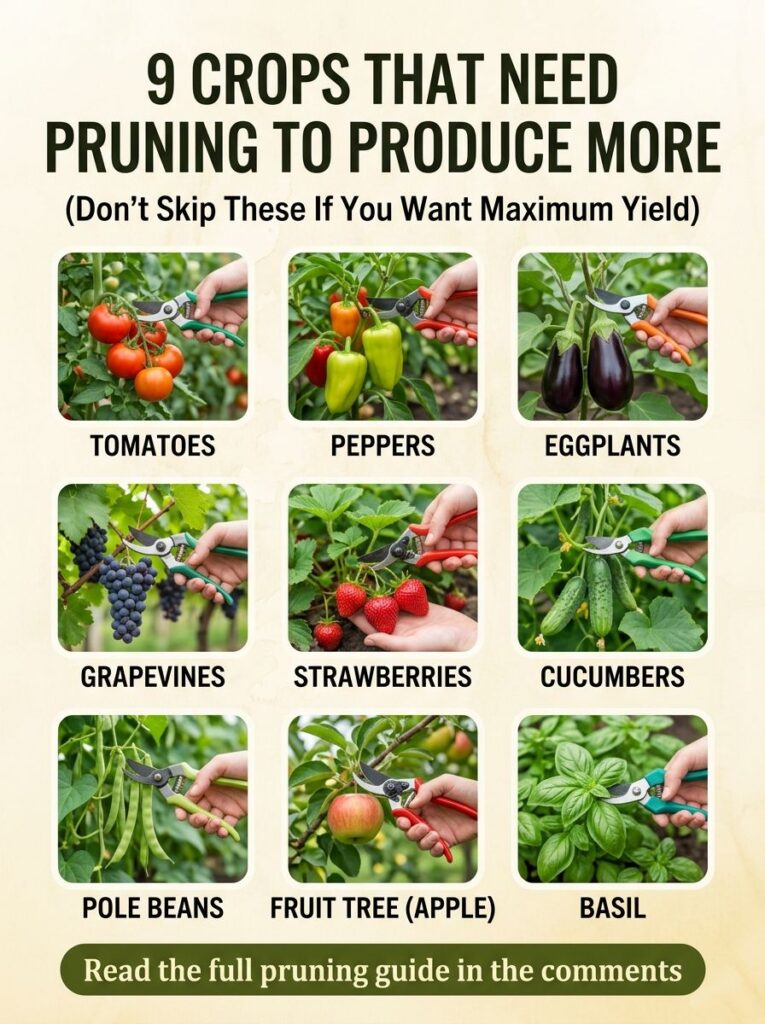 A snapshot of common garden plants that truly thrive with a little strategic pruning.
Why Prune? More Than Just Looks!
Before we dive into the ‘how-to’ for specific plants, let’s chat about why pruning is such a big deal. It’s not just for aesthetics, though a well-pruned plant certainly looks tidier! Here are the main reasons we reach for our shears:
- Increased Yield: By removing non-productive parts, the plant directs energy into fruit development.
- Improved Air Circulation: This helps prevent fungal diseases by reducing humidity around the leaves.
- Better Sunlight Penetration: Allows light to reach all parts of the plant, promoting even ripening.
- Stronger Plant Structure: Helps plants bear the weight of their produce without breaking.
- Pest and Disease Control: Removing diseased or damaged branches can stop problems from spreading.
- Enhanced Fruit Quality: Fewer fruits often mean larger, tastier, and healthier fruits.
Your Nine Essential Crops for Pruning Success
Let’s roll up our sleeves and explore specific pruning techniques for nine common garden stars. You’ll be amazed at the difference!
1. Tomatoes: The Art of Sucker Removal
Ah, tomatoes! These garden darlings are perhaps the most famous candidates for pruning. For indeterminate (vining) varieties, removing suckers is key. Suckers are those little shoots that emerge in the ‘V’ shape between the main stem and a branch. If left to grow, they’ll become another stem, producing more foliage and smaller fruits, draining energy from your main harvest.
- How to Prune: Pinch or snip suckers when they are small (1-4 inches) with your fingers or clean shears.
- Why: Encourages larger fruit, better air circulation, and helps the plant focus energy on ripening existing tomatoes.
- When: Throughout the growing season, typically weekly.
2. Peppers: Encouraging Bushier Growth
Peppers, both hot and sweet, can benefit from a little topping, especially when they are young. This encourages a bushier plant with more branches, leading to more flowers and, eventually, more peppers!
- How to Prune: When your pepper plant is about 6-8 inches tall and has several sets of true leaves, pinch off the top growth point just above a set of leaves. You can also remove any flowers that appear very early on to allow the plant to establish itself.
- Why: Promotes lateral branching, leading to a stronger plant structure capable of supporting more fruit.
- When: When plants are young, and remove any yellowing or diseased leaves throughout the season.
3. Eggplants: Quality Over Quantity
Eggplants are heavy feeders and can become quite large. Pruning helps them concentrate their energy on developing fewer, but larger and higher-quality, fruits.
- How to Prune: Remove any suckers that appear below the first set of flowers. Once the plant has set a few fruits, you can also thin out some of the smaller, weaker fruits to allow the remaining ones to grow larger. Remove any yellowing, damaged, or diseased leaves.
- Why: Enhances fruit size and quality, improves air circulation.
- When: After the first flowers appear and throughout the fruiting season.
4. Grapevines: A Pruning Powerhouse
Grapevines are perhaps the most dramatically pruned plants in the garden, and for good reason! Proper pruning is essential for fruit production and vine health.
- How to Prune: This can be complex, but generally, you’ll be removing most of the previous year’s growth, leaving only a few canes (fruiting wood) and spurs (short stems). Aim to establish a strong central trunk and guiding arms.
- Why: Grapes fruit on new wood, so pruning encourages fresh growth and prevents the vine from becoming an unruly mess with minimal fruit.
- When: Dormant season (late winter/early spring) is crucial. Light summer pruning helps manage growth.
5. Strawberries: Managing Runners for Vigor
Strawberries are unique because you’re often pruning to encourage new plants rather than direct fruit production on the main plant.
- How to Prune: For June-bearing varieties, remove most runners to encourage the mother plant to put energy into fruit production. For everbearing/day-neutral, allow a few runners to root, but remove excess. After harvest, you can mow or cut back June-bearing plants to rejuvenate them.
- Why: Prevents overcrowding, maintains plant vigor, and directs energy to fruit or desired new plants.
- When: Throughout the growing season, and post-harvest for rejuvenation.
6. Cucumbers: Taming the Vining Beast
Cucumbers, especially vining varieties, can become a tangled mess if left to their own devices. Pruning helps manage their growth, making harvesting easier and improving air circulation.
- How to Prune: Focus on removing old, yellowing, or diseased leaves, especially near the base of the plant. For vining types, you can also pinch off lateral shoots (side branches) after they’ve produced 1-2 cucumbers to encourage the plant to put energy into the main vine.
- Why: Improves air circulation, reduces disease risk, makes harvesting easier, and can increase fruit quality.
- When: Regularly throughout the growing season.
7. Pole Beans: Encouraging Continuous Production
Pole beans are less about heavy pruning and more about gentle guidance and maintenance. While they don’t require the same aggressive pruning as tomatoes, some selective trimming can be beneficial.
- How to Prune: Pinch off the very top growing tips once the vines reach the top of their support (e.g., trellis or pole). This encourages lateral branching and more flowers. Remove any yellowing or diseased leaves to keep the plant healthy.
- Why: Promotes bushier growth lower down, leading to more pods, and tidies up the plant.
- When: Once vines reach their desired height and regularly for leaf maintenance.
8. Fruit Trees (Like Apple Trees): Shaping for Health and Harvest
Pruning fruit trees is a craft in itself, vital for their long-term health, productivity, and the quality of their fruit. While a full guide is extensive, the basics involve removing problem branches.
- How to Prune: Focus on removing ‘the 3 Ds’: Dead, Damaged, and Diseased branches. Also, prune out any ‘suckers’ (shoots from the base) and ‘water sprouts’ (vertical shoots from branches). Aim to create an open structure for good air and light penetration.
- Why: Improves fruit size and color, prevents disease, and maintains tree vigor and shape.
- When: Late winter/early spring during dormancy for structural pruning. Light summer pruning for vigorous shoots.
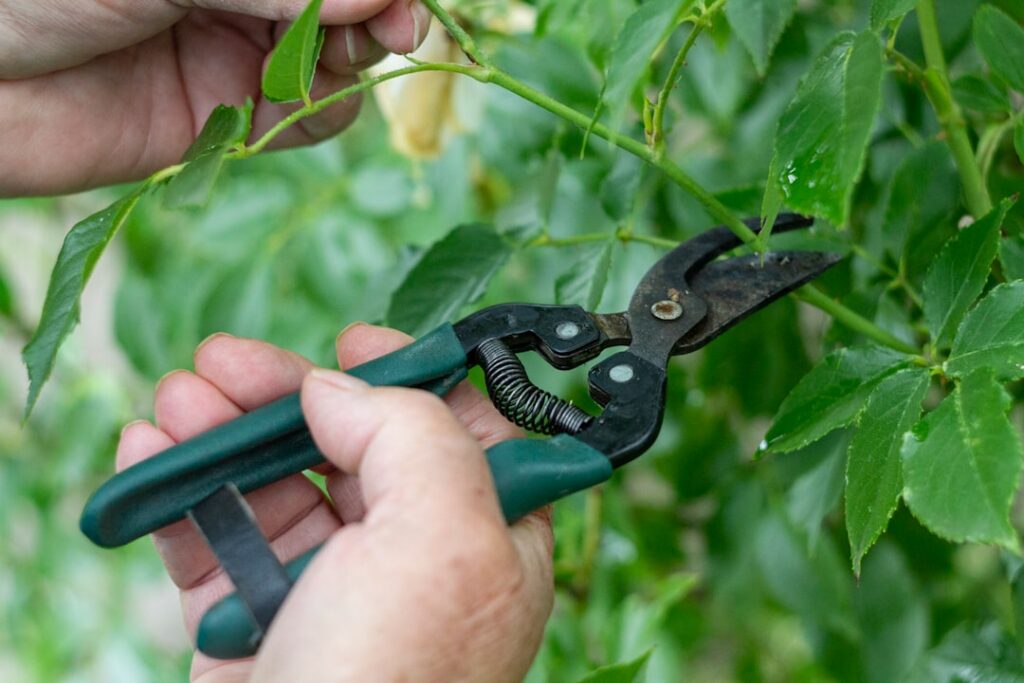 Close-up of hands pruning a fruit tree branch to remove diseased or crossing wood
9. Basil: Pinching for Prolific Growth
Basil is a favorite herb, and the good news is, pruning it is one of the easiest ways to ensure you have a continuous supply of aromatic leaves!
- How to Prune: Once your basil plant has about 3-4 sets of true leaves, start pinching off the top two leaves right above a node (where a new set of leaves or a branch grows). Continue this regularly. Don’t let it flower – if you see flower buds forming, pinch them off immediately.
- Why: Prevents the plant from going to seed (bolting), which makes the leaves bitter, and encourages it to branch out, producing more leaves.
- When: Regularly, as soon as it’s established and whenever you harvest.
A Few Friendly Pruning Reminders
- Clean Tools: Always use sharp, clean pruning shears or snips. This prevents damage to the plant and stops the spread of diseases.
- Timing is Key: While we’ve discussed general timing for each plant, remember that specific varieties or your local climate might call for slight adjustments.
- Don’t Overdo It: A little pruning goes a long way. Don’t remove more than about 25-30% of a plant’s foliage at one time, unless it’s a specific rejuvenation prune for dormant plants.
- Observe Your Plants: Every plant is a little different. Pay attention to how yours respond to pruning. They’ll tell you what they need!
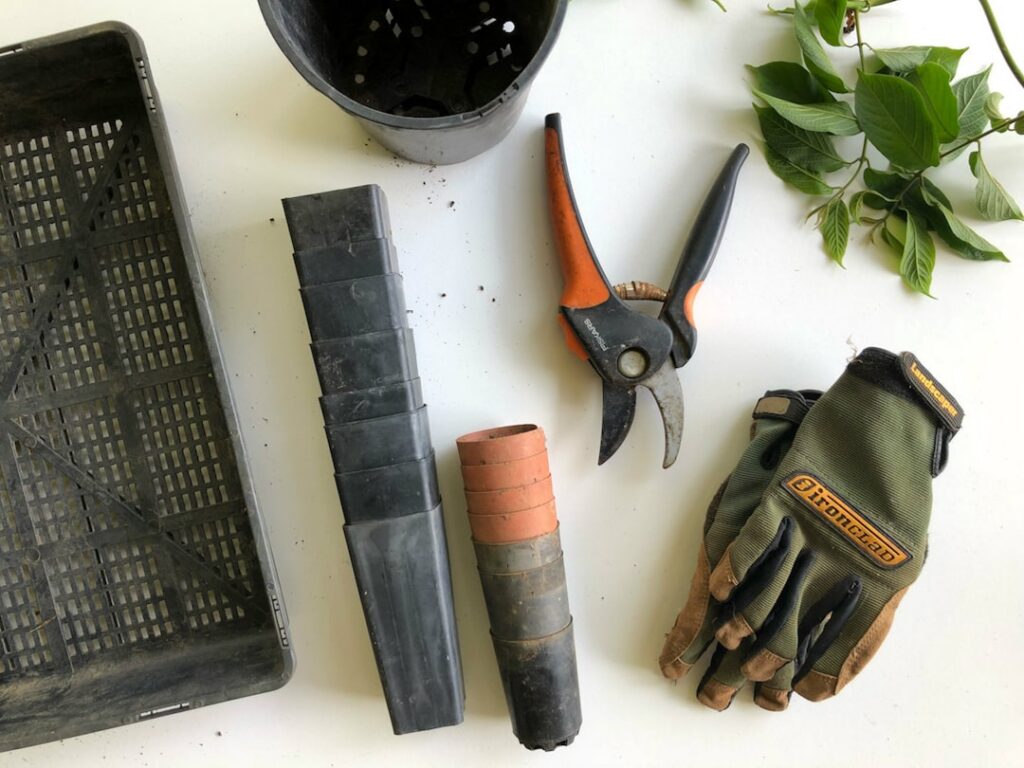 Various types of clean sharp pruning tools laid out on a gardening bench including hand pruners loppers and a pruning sa
Reap the Rewards!
Pruning might seem like an extra chore, but it’s a practice that pays dividends in your garden. It transforms good plants into great ones, increasing your yield, improving plant health, and making your garden a more productive and enjoyable space. So grab your clean shears, step into your garden, and start snipping with confidence. You’ll be amazed at the difference it makes!
Happy gardening!