Most people walk past them without a second thought, seeing only a simple wildflower. But the humble daisy (Bellis perennis) holds a long-standing secret among herbalists for its remarkable soothing properties. Far from just a garden adornment, these cheerful blooms can be transformed into a potent, yet gentle, infused oil – a natural remedy for skin discomforts, minor aches, and supporting overall skin health. Forget expensive creams; the true power might be blooming right in your backyard.
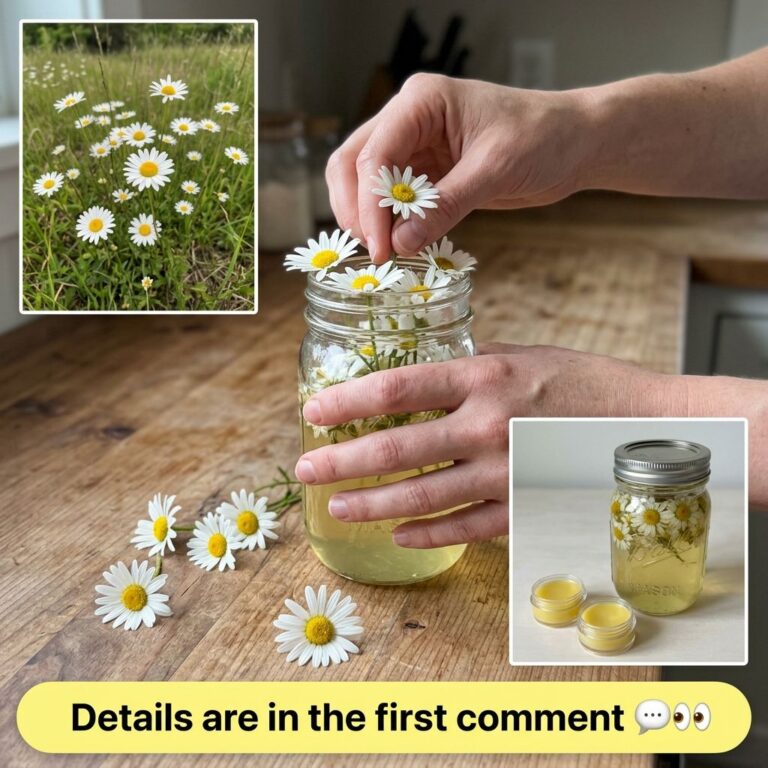
What It Is: Daisy Infused Oil
Daisy infused oil is a simple, plant-based preparation where the beneficial compounds from daisy flowers are slowly extracted into a carrier oil. Historically, daisies have been treasured for their ability to comfort bruised or sore areas, making this oil a fantastic addition to your natural first-aid kit or daily self-care routine. It’s renowned for its gentle astringent and skin-calming qualities, making it a favorite for massage, especially for areas that need a little extra TLC.
Ingredients You’ll Need
The beauty of this remedy lies in its simplicity. You only need two core ingredients:
- Fresh Daisy Flowers: Gathered sustainably and free from pesticides. Only use the flower heads, ideally in full bloom.
- Carrier Oil: A good quality, cold-pressed oil that suits your skin type. Popular choices include:
- Sweet Almond Oil: Light, easily absorbed, and good for most skin types.
- Olive Oil: Richer, deeply moisturizing, and commonly used for infusions.
- Jojoba Oil: Closely mimics skin’s natural sebum, excellent for all skin types.
- Sunflower Oil: A lighter, cost-effective option, rich in Vitamin E.
Approximate Measurements
While exact measurements aren’t critical for infusions, a good ratio ensures potency:
- Approximately 1 cup (240ml) of lightly packed fresh daisy flowers.
- Enough carrier oil to completely cover the daisy flowers in your jar (typically 1.5 – 2 cups or 360-480ml, depending on jar size).
Formula / Recipe: Cold Infusion Method
The cold infusion method is preferred for delicate flowers like daisies, as it helps preserve their beneficial compounds without heat degradation. It requires patience but yields a high-quality oil.
Step-by-Step Method
- Harvest Your Daisies: Choose a sunny, dry morning after the dew has evaporated. Snip only the flower heads (no stems or leaves) from healthy plants that haven’t been sprayed with chemicals.
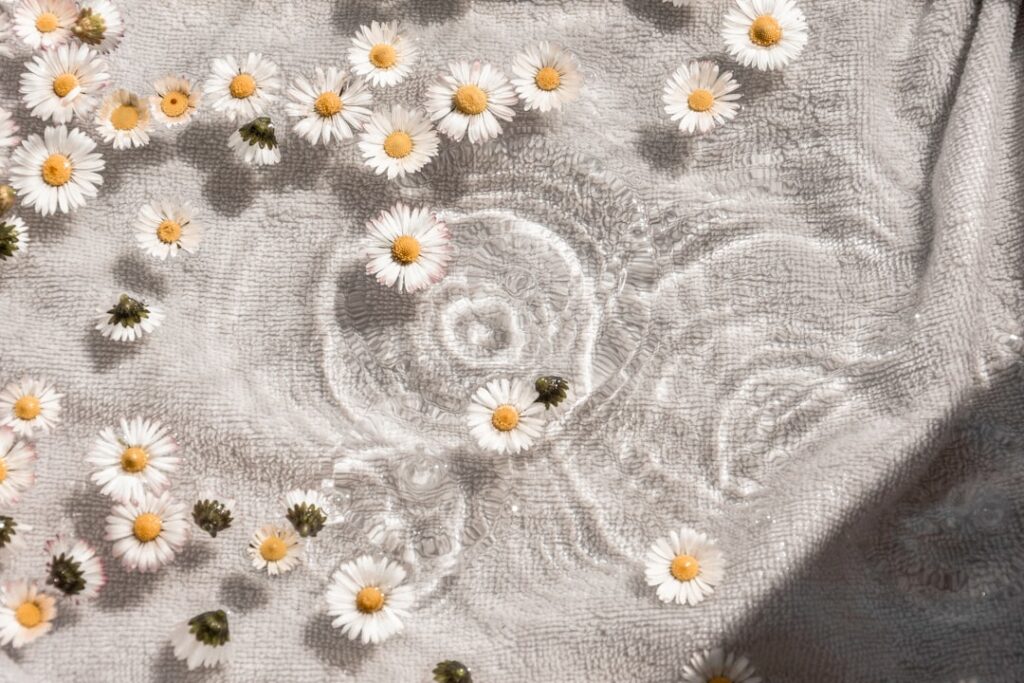
- Wilt the Flowers (Crucial Step): This is the part most people skip, but it’s essential! Spread your fresh daisy heads on a clean towel or paper bag in a warm, airy spot (not direct sun). Let them wilt for 12-24 hours. This removes excess moisture, preventing mold in your oil. They will feel slightly limp but not completely dry.
- Prepare Your Jar: Use a clean, sterilized glass jar (a mason jar works perfectly).
- Pack the Jar: Loosely fill your jar about two-thirds full with the wilted daisy flowers.
- Pour the Oil: Slowly pour your chosen carrier oil over the daisies, ensuring they are completely submerged. Tap the jar gently to release any air bubbles.
- Seal and Store: Cap the jar tightly. Place it in a cool, dark cupboard or pantry.
- Infuse: Allow the mixture to infuse for 4-6 weeks. Give the jar a gentle shake every few days to redistribute the flowers and oil.
- Strain the Oil: After the infusion period, line a funnel with cheesecloth or a fine mesh strainer over a clean, sterilized glass bottle. Pour the oil through to separate the daisies from the infused oil. Squeeze the daisy material gently to extract every last drop of precious oil.
- Bottle and Label: Transfer the finished oil into a dark glass bottle to protect it from light degradation. Label clearly with the contents and date.
Common Mistake: Skipping the Wilt
One of the most frequent errors in making herbal infused oils is failing to adequately wilt fresh plant material. Excess moisture in your flowers can lead to mold and bacterial growth, ruining your entire batch of oil. Always allow flowers to wilt for at least 12-24 hours until they are noticeably limp but not brittle.
How to Use Your Daisy Infused Oil
Once your daisy oil is ready, its uses are versatile and comforting:
- Topical Application: Gently massage a small amount onto bruised areas, sore muscles, or tight joints.
- Skin Soother: Apply to minor skin irritations, insect bites, or areas needing a calming touch.
- Facial Oil: A few drops can be used as a gentle facial moisturizer, especially for sensitive skin.
- DIY Balm Base: Use this oil as the base for creating your own daisy balm. Melt the oil with beeswax for a solid, portable remedy.
How Often to Use
Daisy infused oil is gentle enough for daily use. Apply it as needed for specific discomforts or as part of your regular moisturizing routine. For localized issues, 2-3 times a day is usually sufficient.
How to Buy / How to Choose Ingredients
- Daisies: Ideally, forage your own from an area you know is free from pesticides, herbicides, and vehicle exhaust. If foraging isn’t an option, look for organic dried daisies from a reputable herbal supplier.
- Carrier Oils: Choose cold-pressed, organic, and unrefined carrier oils for the highest quality. Purchase from suppliers with good turnover to ensure freshness.
Fresh vs. Dried Daisies for Infusion
| Feature | Fresh Daisies (Recommended) | Dried Daisies |
|---|---|---|
| Potency | Often higher, captures subtle compounds | Good, but some volatile compounds may be lost |
| Preparation | Requires wilting to prevent mold | Can be used directly, no wilting needed |
| Risk of Mold | Higher if not wilted correctly | Very low |
| Availability | Seasonal (spring/summer) | Year-round from suppliers |
| Aroma | Fresher, more subtle herbal scent | Milder, sometimes slightly ‘hay-like’ |
Storage
Store your finished daisy infused oil in a dark glass bottle in a cool, dark place, away from direct sunlight and heat. A pantry or cupboard is ideal. Proper storage helps to preserve its potency and extend its shelf life.
Practical Tips for Best Results
- Solar Infusion: If you live in a consistently warm, sunny climate, you can place your sealed jar in a sunny window during the infusion period. This gentle warmth can enhance the extraction process, but ensure the oil doesn’t overheat.
- Double Infusion: For an even stronger oil, you can strain the first batch of flowers after 4-6 weeks, then add fresh wilted daisies to the already infused oil and repeat the process.
- Labeling is Key: Always label your bottles with the herb, carrier oil used, and the date it was made.
Common Mistakes to Avoid
- Using Wet Flowers: As mentioned, this is the quickest way to spoil your oil with mold. Always wilt your daisies thoroughly.
- Overfilling the Jar: Leave a small headspace at the top of the jar for expansion and to ensure all plant material stays submerged.
- Using Rancid Oil: Start with a fresh, good-quality carrier oil. If your carrier oil is already old or smells off, your infused oil will inherit those qualities.
- Boiling the Oil: Never use high heat for infusing delicate flowers, as it can degrade therapeutic compounds and the oil itself. Stick to cold or very gentle warm infusion methods.
Did You Know? Daisy’s Hidden Power
The name ‘daisy’ comes from ‘day’s eye’, referring to the way the flowers open with the sun and close at dusk. Beyond their charming appearance, they contain saponins, tannins, and essential oils that contribute to their traditional use in skin care.
Cautions / Who Should Avoid It
- Allergies: If you have allergies to plants in the Asteraceae (daisy) family, such as ragweed, chamomile, or calendula, perform a patch test first.
- Open Wounds: Do not apply infused oil to deep, open, or infected wounds without consulting a healthcare professional.
- Pregnancy/Breastfeeding: Consult your doctor before using any new herbal remedies if pregnant or breastfeeding.
- Internal Use: This article focuses on topical use only. Daisy oil is not intended for internal consumption.
Quick Summary
Transform common daisies into a soothing, skin-loving infused oil. Harvest fresh, wilt thoroughly, infuse in a quality carrier oil for 4-6 weeks, then strain and store in a dark bottle. Ideal for minor skin discomforts, muscle aches, and as a gentle moisturizer. Avoid wet flowers and high heat for best results.
FAQ
- Can I use dried daisies instead of fresh?
Yes, you can. Dried daisies are less prone to mold, but some believe fresh daisies (properly wilted) yield a more potent oil. If using dried, you won’t need to wilt them. - How long does daisy infused oil last?
Stored properly in a cool, dark place, it can last for 6 months to 1 year, depending on the shelf life of your carrier oil. Always check for changes in smell or appearance. - Can I refrigerate the oil?
Refrigeration isn’t typically necessary and can sometimes cause the oil to solidify or go cloudy, though it will return to liquid at room temperature. A cool, dark pantry is usually sufficient. - How often should I shake the jar during infusion?
Shaking it gently every few days helps to agitate the plant material and ensure even extraction of compounds into the oil. - What’s the best carrier oil for daisy infusion?
Sweet almond, olive, jojoba, and sunflower oils are all excellent choices. The best one depends on your skin type and intended use. - Can I make a balm from this oil?
Absolutely! This daisy infused oil is a perfect base for a soothing balm. Simply warm it gently and melt in beeswax (typically 1 part beeswax to 4-5 parts oil) to your desired consistency. - Why is wilting so important for fresh flowers?
Wilting removes residual water content from the plant material. Water mixed with oil creates an ideal environment for mold and bacterial growth, which can spoil your entire infusion.
Conclusion
Harnessing the simple elegance of the daisy to create your own infused oil is a truly rewarding experience. It connects you to age-old traditions and provides a gentle, natural remedy that’s as effective as it is easy to make. Give it a try, and discover the quiet power blooming right outside your door.
You may also like: How to Make Your Own Calendula Infused Oil
Read more: Herbal Salve Making: The Basics