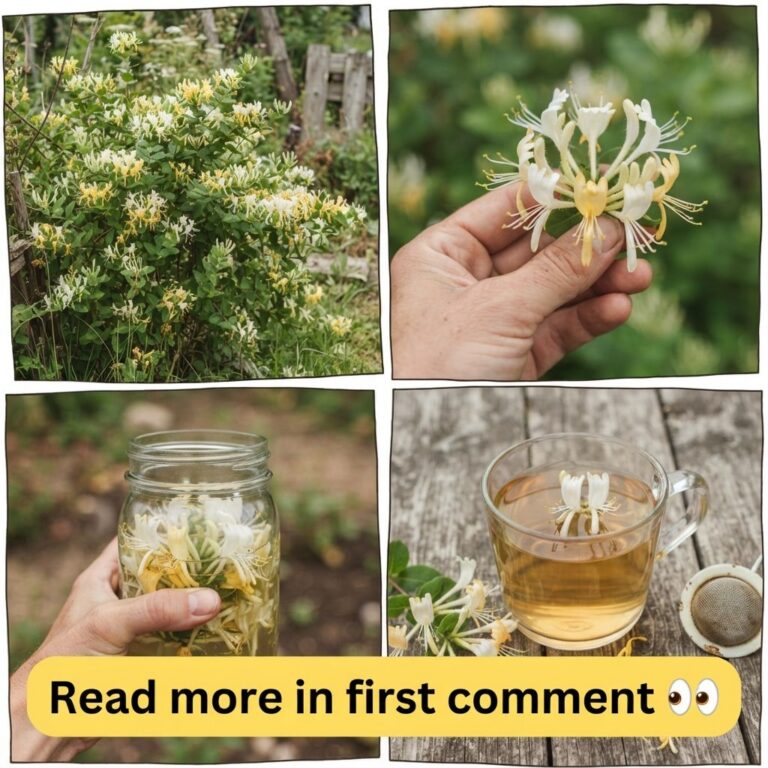
Beyond its captivating fragrance that drifts through summer evenings, honeysuckle (Lonicera spp.) holds a treasury of historical significance and traditional uses. For centuries, this climbing vine, adorned with its delicate, trumpet-shaped flowers, has been more than just a beautiful addition to gardens; it has been revered in various cultures for its properties in natural well-being practices. Daily Home Remedies invites you to delve into the subtle magic of honeysuckle and uncover the overlooked potential of this enchanting flower.
A Glimpse into Honeysuckle’s Ancient Lore
Honeysuckle’s presence in folklore spans continents. In traditional practices, particularly in East Asian herbalism, the flowers and vines have been utilized in infusions and topical applications. Its gentle essence was often sought after for its refreshing and soothing qualities, reflecting a deep understanding of nature’s offerings passed down through generations. These traditions speak to a long-held belief in the plant’s ability to contribute to a sense of balance and harmony within the body.
The Gentle Allure: Exploring Its Potential
While modern science continues to explore traditional plant uses, honeysuckle has long been associated with a range of beneficial properties, often attributed to its natural compounds. It’s frequently prepared as a soothing herbal tea, which many find to be a comforting beverage, especially during times of seasonal shifts or when seeking a moment of calm. The delicate aroma itself can be uplifting, contributing to an overall sense of relaxation and well-being.
Making Your Own Honeysuckle Infusion
Crafting a simple honeysuckle infusion allows you to experience its subtle charm firsthand. It’s a delightful way to connect with traditional practices and enjoy the essence of this beloved plant.
Ingredients:
- 1 cup fresh honeysuckle flowers (ensure they are free from pesticides and correctly identified as edible varieties, such as Lonicera japonica)
- 2 cups boiling water
- Optional: a touch of honey or lemon to taste
Instructions:
- Gather Your Flowers: Gently pluck fresh, open honeysuckle blooms, ideally in the morning after the dew has dried.
- Rinse Gently: Carefully rinse the flowers under cool water to remove any dust or small insects.
- Steep: Place the clean flowers in a heat-resistant jar or teapot. Pour the boiling water over the flowers.
- Infuse: Cover the jar or teapot and let the flowers steep for 5-10 minutes. For a stronger flavor, you can steep a little longer.
- Strain: Strain the liquid to remove the flowers.
- Enjoy: Serve warm or chill for a refreshing iced tea. Add honey or lemon if desired.
How to Incorporate into Your Routine
A honeysuckle infusion can be enjoyed as a pleasant, aromatic beverage. Its light, floral notes make it a unique addition to your herbal tea collection. Some also enjoy using cooled infusions topically as a refreshing skin rinse or in a bath for a fragrant, calming experience.
Important Considerations
As with all natural remedies, mindful usage is key. It’s crucial to correctly identify honeysuckle species, as not all varieties are suitable for consumption. Always ensure your flowers are sourced from areas free of pesticides and pollutants. If you have any underlying health conditions, are pregnant or nursing, or are taking medications, it is always wise to consult with a qualified health professional before incorporating new herbs into your routine.
Honeysuckle offers a gentle invitation to explore the beauty and quiet efficacy of nature’s provisions. Its sweet scent is just the beginning; its deeper story is one of tradition, comfort, and natural allure, waiting to be rediscovered.