Most People Throw Away Lemon Seeds, But Here’s Why You Should Stop
It’s a common ritual: squeeze your lemon, discard the seeds. Most people don’t give them a second thought. But what if those tiny seeds held secrets for your home, capable of solving common problems with a natural touch? While the fruit itself is a kitchen hero, its seeds are often overlooked—a missed opportunity for practical, eco-friendly solutions.
At REMEDY, we believe in unlocking the full potential of natural ingredients. Today, we’re diving into the surprising world of lemon seeds, showing you how to transform this kitchen castaway into a versatile asset for cleaning, pest deterrence, and more. Forget expensive chemical alternatives; your next natural home hack might just be hiding in your fruit bowl.
What Are Lemon Seeds and Why Are They Useful?
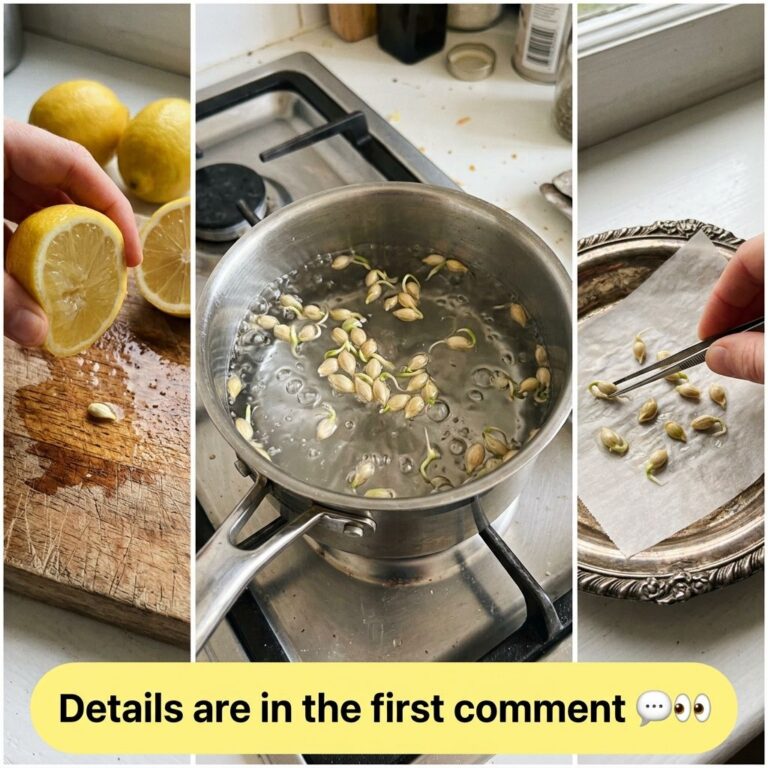
Lemon seeds are, quite simply, the reproductive part of the lemon fruit. Beyond their obvious role in growing new lemon trees, these small powerhouses contain compounds like limonoids and flavonoids. These natural chemicals are known for their insect-repelling and antimicrobial properties, making them surprisingly effective for various DIY applications around the home. While the image shows some seeds sprouting, the boiling process we’ll discuss helps to soften them and extract these beneficial compounds, whether they’ve sprouted or not.
Key Ingredients for Lemon Seed Remedies
The beauty of these remedies lies in their simplicity:
- Fresh lemon seeds (from any variety of lemon)
- Water (filtered or tap)
- Optional: Vinegar or essential oils for enhanced effectiveness (depending on the remedy)
Formula and Preparation: Lemon Seed Infusion
This basic infusion is the foundation for several home uses, effectively extracting the beneficial compounds from the seeds.
Approximate Measurements:
- 1/2 cup fresh lemon seeds (from approximately 6-8 lemons)
- 2 cups water
Step-by-Step Method:
- Gather Your Seeds: As you use lemons for cooking or drinks, collect the seeds. Rinse them briefly to remove any pulp.
- Combine and Boil: Place the lemon seeds and water in a small saucepan. Bring the mixture to a gentle boil over medium heat.
- Simmer: Reduce the heat to low and let the seeds simmer for 15-20 minutes. This process helps to soften the seeds and release their active compounds into the water. You’ll notice the water may take on a slight cloudy or yellowish tint.
- Cool and Strain: Remove the pan from the heat and let the infusion cool completely. Once cool, strain the liquid through a fine-mesh sieve or cheesecloth into a clean glass jar or spray bottle. Discard the spent seeds (or compost them!).
Quick Tip: Don’t have enough seeds at once? Collect them in a small, airtight container in the fridge for up to a week until you have enough for a batch.
How to Use Your Lemon Seed Infusion
Once you have your prepared infusion, a world of natural home solutions opens up.
1. Natural Insect Repellent Spray
Many insects, particularly ants, spiders, and some flying pests, dislike the limonoids found in citrus seeds.
- How to Use: Transfer the cooled infusion into a spray bottle. Lightly mist areas where you’ve seen pests – window sills, door frames, cracks, kitchen counters, or pantry shelves.
- How Often to Use: Reapply every 2-3 days, or after cleaning the surface. Its scent and effectiveness will diminish over time.
2. Gentle Surface Cleaner and Polisher
The mild acidity and compounds can help clean and add a subtle shine to non-porous surfaces.
- How to Use: Spray the infusion directly onto countertops, stainless steel appliances, or even wood furniture (test in an inconspicuous spot first). Wipe clean with a soft cloth.
- How Often to Use: Use as needed for light cleaning or polishing.
How to Make a Lemon Seed Scrub (for tough spots)
For areas requiring a bit more abrasive action, a scrub made from ground seeds can be surprisingly effective.
Ingredients:
- The boiled and softened lemon seeds (after straining from the infusion)
- 1/4 cup baking soda
- 1-2 tablespoons liquid castile soap or dish soap
Step-by-Step Method:
- Process Seeds: Take the boiled lemon seeds (once cooled) and pulse them in a food processor or blender until they form a coarse paste. If they are too dry, add a tiny bit of water.
- Mix Scrub: In a small bowl, combine the ground lemon seed paste with baking soda and liquid soap. Mix well until you have a thick, spreadable paste.
How to Use:
- As an Abrasive Cleaner: Apply the scrub to stubborn stains on sinks, tubs, or even grimy stovetops. Gently scrub with a sponge or brush, then rinse thoroughly.
- How Often to Use: Use as needed for specific cleaning tasks.
Common Mistake: Don’t try to grind raw, unboiled lemon seeds. They are too hard and can damage your blender. Boiling them first softens their shells significantly.
How to Choose and Store Ingredients
- Choosing Lemons: Any fresh, ripe lemons will do. Organic lemons are preferable if you plan to use the peel for other remedies, but for seeds alone, conventional is fine.
- Collecting Seeds: Simply scoop out the seeds as you cut and use your lemons. Rinse them clean of pulp.
- Storage of Seeds (before preparation): Store rinsed seeds in an airtight container in the refrigerator for up to a week if you’re collecting them over time.
- Storage of Infusion: Store the lemon seed infusion in a sealed container or spray bottle in the refrigerator. It will last for approximately 1-2 weeks. If you notice any mold or unpleasant smell, discard it.
- Storage of Scrub: The lemon seed scrub should be stored in an airtight container in the refrigerator and used within 5-7 days due to the moisture content.
Practical Tips for Best Results
- Test Surfaces: Always test any new cleaning solution on an inconspicuous area first, especially on delicate or porous materials.
- Freshness Matters: While the compounds are robust, fresh seeds and freshly made remedies will be most potent.
- Boost Potency: For the insect repellent, consider adding a few drops of peppermint or eucalyptus essential oil to the cooled infusion for an extra deterrent kick.
Common Mistakes to Avoid
- Using Unrinsed Seeds: Pulp can ferment and spoil your infusion faster. Always rinse seeds thoroughly.
- Skipping the Boiling Step: Boiling is crucial for softening the seeds and releasing their beneficial compounds, making them easier to process and more effective.
- Improper Storage: Storing remedies at room temperature can lead to rapid spoilage and bacterial growth. Always refrigerate.
- Ignoring Spoilage Signs: If your infusion or scrub develops mold, an off-odor, or changes color dramatically, discard it immediately.
Cautions / Who Should Avoid It
While natural, these remedies still require common sense precautions:
- Skin Sensitivity: The scrub, while natural, is abrasive. Avoid using it on sensitive skin or areas of the body.
- Internal Use: These remedies are for external home use ONLY. Do not ingest the infusion or scrub.
- Pets & Children: Keep sprays and scrubs out of reach of pets and small children. While generally low toxicity, ingestion could cause upset.
- Allergies: If you have known allergies to citrus, proceed with caution or avoid use.
Quick Summary: Your Lemon Seed Toolkit
Turn those discarded lemon seeds into useful household aids:
- Best Preparation: Boil seeds to create a potent infusion for sprays, or soften them for scrubs.
- Best Use-Cases: Natural insect repellent for surfaces, gentle surface cleaner, or abrasive scrub for tough grime.
- Storage: Refrigerate infusions for up to 2 weeks; scrubs for 5-7 days.
- When to Use: As a preventative measure against pests, or for routine natural cleaning.
- What to Avoid: Ingesting, skipping the boiling step, and improper storage.
Frequently Asked Questions
- Q: Can I use dried lemon seeds?
- A: Fresh seeds are generally easier to work with, but dried seeds can be rehydrated and then boiled. The boiling step is still crucial to soften them and extract compounds effectively.
- Q: How long does the lemon seed infusion last?
- A: When stored in the refrigerator, the infusion typically lasts for 1-2 weeks. Always check for signs of spoilage before use.
- Q: Can I freeze the lemon seed infusion?
- A: Yes, you can freeze the strained infusion in ice cube trays for longer storage. Thaw a cube as needed for your spray bottle.
- Q: Are lemon seeds toxic to pets?
- A: While the concern is usually with ingesting large amounts of citrus fruit components, it’s best to keep any homemade sprays or scrubs out of reach of pets to prevent accidental ingestion.
- Q: What part of the lemon is best for these remedies?
- A: For these specific remedies, the seeds themselves are the star. The peel also has its own set of uses, but we’re focusing on the often-discarded seeds here.
- Q: Can I use this spray on plants to deter pests?
- A: While natural, it’s generally best to avoid spraying directly on delicate plant leaves, as even mild solutions can sometimes cause damage. Test a small area first, or use it on surfaces *around* plants.
- Q: Why do I need to boil the seeds?
- A: Boiling softens the hard outer shell of the seeds, making it easier for the beneficial compounds (like limonoids) to leach out into the water, creating a more potent infusion.
Don’t Discard, Discover!
Next time you’re about to toss those lemon seeds, pause. You now have the knowledge to transform them into powerful, natural allies for your home. From battling common household pests to providing a chemical-free cleaning boost, these humble seeds are a testament to nature’s overlooked potential. Start experimenting with these easy DIY remedies and make your home a cleaner, fresher, and more natural space.
You may also like: DIY Citrus Peel Cleaner Recipes
Read more: The Full Guide to Natural Home Deodorizers