Imagine stepping into your garden and being greeted by an invisible wave of delightful scent, a fragrant embrace that calms the mind and lifts the spirit. Just like a beautiful painting, a garden appeals to our eyes, but a truly magical one engages all our senses, especially our sense of smell. Creating a scented paradise isn’t just about planting pretty flowers; it’s about weaving an aromatic tapestry that transforms your outdoor space into a sanctuary of peace and joy.
Many of us dream of a garden that feels like a charming cottage escape, with rustic archways draped in blossoms and paths lined with sweet-smelling wonders. This dream is entirely within reach! Today, we’re going to explore 11 wonderful plants that promise to fill your garden with an enchanting “invisible perfume breeze” that you’ll often smell long before you even see them.
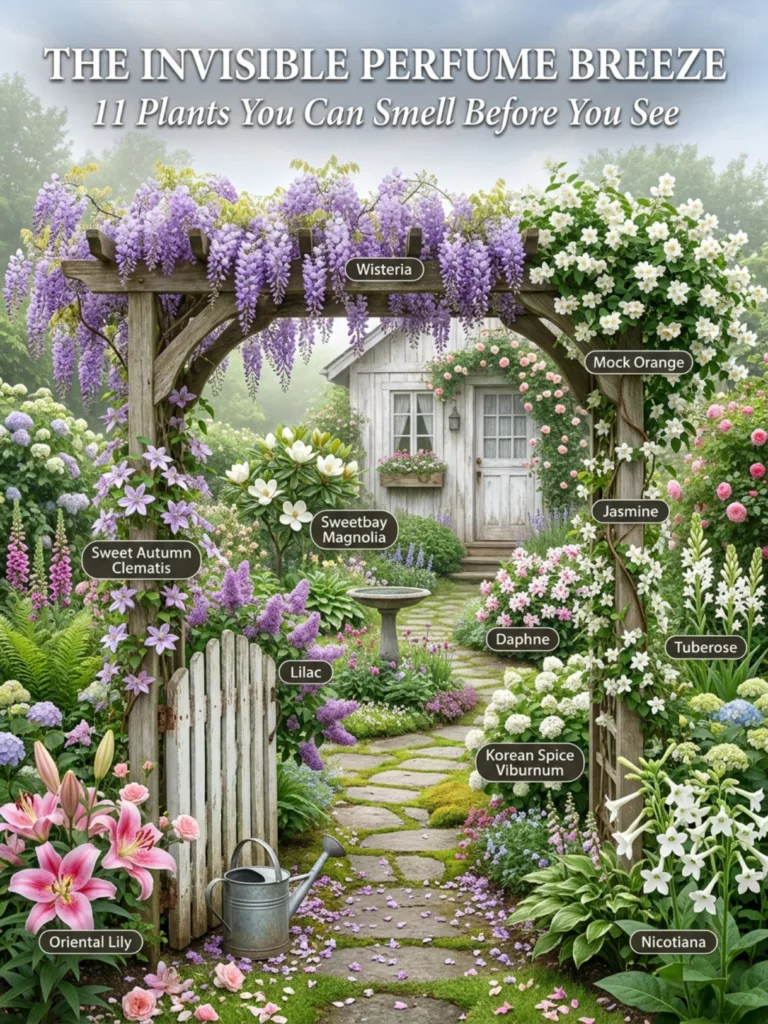 Picture a garden where every breath is a pleasure, filled with the invisible perfume of nature.
Our Top 11 Picks for an Aromatic Garden
Let’s dive into some of the most captivatingly fragrant plants you can invite into your garden, complete with tips to help them thrive:
1. Wisteria (Wisteria sinensis, Wisteria floribunda)
- Scent Profile: Intensely sweet, heady, and grape-like.
- Characteristics: A dramatic, vigorous climber known for its long, cascading racemes of purple, white, or pink flowers in spring. It’s a showstopper!
- Care Tips: Wisteria needs strong support (a sturdy pergola, arbor, or wall structure) and full sun to bloom best. Prune regularly to manage its growth and encourage flowering.
- USDA Zones: 5-9.
- Best Enjoyed: Plant near a patio, porch, or archway where its fragrant blossoms can hang freely, creating a perfumed canopy.
2. Mock Orange (Philadelphus coronarius)
- Scent Profile: Sweet and citrusy, reminiscent of orange blossoms.
- Characteristics: A medium to large deciduous shrub, covered in an abundance of pure white, often cup-shaped flowers in late spring to early summer.
- Care Tips: Very easy to grow! Thrives in full sun to partial shade and well-drained soil. Prune after flowering to maintain shape and promote next year’s blooms.
- USDA Zones: 4-8.
- Best Enjoyed: Ideal as a border plant, a specimen shrub, or near windows where its delightful scent can waft indoors.
3. Sweet Autumn Clematis (Clematis terniflora)
- Scent Profile: Sweet, vanilla-like, and wonderfully pervasive.
- Characteristics: A vigorous, late-season climber that produces masses of small, star-shaped white flowers in late summer and fall. It often blankets whatever it climbs.
- Care Tips: Plant in full sun with its “feet in the shade” (mulch or other plants at its base). It’s incredibly resilient and low-maintenance. Prune back hard in late winter or early spring.
- USDA Zones: 4-9.
- Best Enjoyed: Perfect for covering fences, arbors, or trellises, providing a spectacular fragrant show when many other plants are fading.
4. Sweetbay Magnolia (Magnolia virginiana)
- Scent Profile: Fresh, lemony, and slightly spicy.
- Characteristics: A smaller magnolia species, often semi-evergreen in warmer climates. It produces creamy white, cup-shaped flowers that bloom from late spring into summer.
- Care Tips: Prefers moist, acidic soil and full sun to partial shade. Can tolerate wetter conditions than other magnolias.
- USDA Zones: 5-9.
- Best Enjoyed: A beautiful specimen tree or shrub for smaller gardens, providing a continuous gentle fragrance throughout the warmer months.
5. Lilac (Syringa vulgaris)
- Scent Profile: The quintessential spring scent – sweet, heady, and unforgettable.
- Characteristics: A classic deciduous shrub or small tree, famous for its dense clusters of purple, pink, or white flowers in mid to late spring.
- Care Tips: Needs full sun and well-drained soil. Prune spent flowers to encourage more blooms next year. Requires a period of winter chill to flower well.
- USDA Zones: 3-7.
- Best Enjoyed: Plant near a garden gate, seating area, or walkway to fully appreciate its iconic spring perfume.
6. Daphne (Daphne odora ‘Aureomarginata’ is popular)
- Scent Profile: Intensely sweet, rich, and spicy. Very powerful for such small flowers.
- Characteristics: Small, often evergreen or semi-evergreen shrubs with leathery leaves and clusters of tiny, highly fragrant flowers, typically in late winter or early spring.
- Care Tips: Prefers partial shade and well-drained soil. Can be particular about transplanting, so choose its spot carefully.
- USDA Zones: 5-9 (varies by species).
- Best Enjoyed: Ideal for placing near an entryway or frequently walked path, where its early-season fragrance can be truly savored when little else is blooming.
7. Tuberose (Polianthes tuberosa)
- Scent Profile: Exotically rich, sweet, and intoxicating.
- Characteristics: A tender perennial bulb producing tall spikes of waxy white, trumpet-shaped flowers, often used in perfumes. Blooms in late summer.
- Care Tips: Requires full sun and rich, well-drained soil. In colder zones, dig up bulbs in fall and store indoors over winter.
- USDA Zones: 8-10 (as a perennial), grown as an annual elsewhere.
- Best Enjoyed: Plant in containers near seating areas or group them in beds for an unforgettable evening fragrance.
8. Jasmine (Jasminum officinale, Jasminum polyanthum)
- Scent Profile: Sweet, floral, and deeply intoxicating, especially at night.
- Characteristics: Many varieties exist, from climbing vines to shrubs. Common or Poet’s Jasmine is a popular climber with small white flowers.
- Care Tips: Most jasmines prefer full sun to partial shade and well-drained soil. Climbing varieties need support.
- USDA Zones: 7-10 (varies by species).
- Best Enjoyed: Train it over an arbor, trellis, or near a bedroom window to enjoy its legendary nighttime perfume.
9. Korean Spice Viburnum (Viburnum carlesii)
- Scent Profile: Distinctively spicy-sweet and incredibly fragrant.
- Characteristics: A medium-sized deciduous shrub with rounded clusters of pink buds that open to highly fragrant white flowers in mid-spring. Its foliage also offers good fall color.
- Care Tips: Prefers full sun to partial shade and well-drained soil. Generally low-maintenance.
- USDA Zones: 4-7.
- Best Enjoyed: A superb choice for foundation plantings, hedges, or as a specimen plant near an outdoor living space to capture its delightful aroma.
10. Nicotiana (Flowering Tobacco)
- Scent Profile: Sweet, musky, and often more pronounced in the evening.
- Characteristics: A charming annual or tender perennial with trumpet-shaped flowers, often white, green, or pink. Some varieties are very tall.
- Care Tips: Easy to grow from seed! Prefers full sun to partial shade and moist, well-drained soil. Deadhead to encourage more blooms.
- USDA Zones: Typically grown as an annual in most zones; perennial in 9-11.
- Best Enjoyed: Plant near seating areas or along paths where its evening fragrance can be fully appreciated. Their delicate appearance adds a lovely touch to cottage gardens.
11. Oriental Lily (Lilium orientalis)
- Scent Profile: Powerful, spicy-sweet, and exotic.
- Characteristics: Known for their large, showy, often multicolored flowers with recurved petals. Bloom in mid to late summer.
- Care Tips: Plant bulbs in spring or fall in full sun to partial shade. Requires rich, well-drained soil. Support taller varieties.
- USDA Zones: 4-9.
- Best Enjoyed: Group them in beds or borders near pathways, or plant in large containers to bring their dramatic beauty and intoxicating scent closer to your outdoor living spaces. They also make excellent cut flowers for indoor fragrance.
Designing Your Own Fragrant Garden Oasis
Now that you have some fragrant stars to choose from, how do you put it all together? Here are a few friendly tips:
Think About Placement
Strategically place highly scented plants near entryways, windows, patios, benches, or along pathways. This ensures you’ll encounter their fragrance regularly. Consider evening bloomers and night-scented plants near areas where you relax in the evenings.
Layer Your Scents and Bloom Times
Aim for continuous fragrance throughout the seasons. Choose a mix of plants that bloom at different times, from early spring (like Daphne) through summer (Tuberose, Lilies) and into fall (Sweet Autumn Clematis). This way, your garden will always have something lovely to share.
Consider the Breeze
Observe how the wind typically moves through your garden. Plant your fragrant treasures where a gentle breeze can carry their perfume through your outdoor spaces and even into your home.
Combine with Care
While a medley of scents is wonderful, avoid placing too many overpowering fragrances directly next to each other. Allow some breathing room so each plant’s unique perfume can be appreciated without clashing.
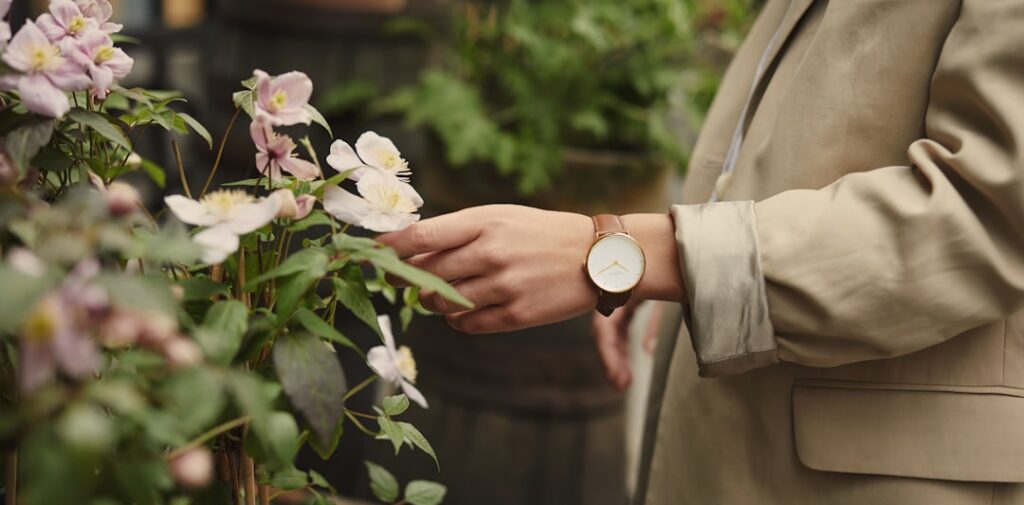 With a little planning and care, your garden can become a multi-sensory delight.
A Garden that Speaks to Your Soul
Creating a fragrant garden is one of the most rewarding endeavors a gardener can undertake. It’s an investment in beauty, peace, and sensory pleasure that transforms a simple outdoor space into a deeply personal sanctuary. By thoughtfully choosing and placing these invisible perfume bearers, you’re not just planting flowers; you’re cultivating an experience, a haven where every breath is a reminder of nature’s incredible generosity.
So, roll up your sleeves, pick a few of these aromatic wonders, and start planting your very own scented paradise. You’ll be amazed at how a garden filled with invisible perfume can enhance your daily routine and deepen your connection with the natural world. Happy gardening!