There’s a special kind of magic that autumn brings, isn’t there? That crisp air, the scent of woodsmoke, and, of course, the breathtaking transformation of our landscapes into a painter’s palette of reds, oranges, and golds. If you’ve ever dreamt of stepping into your own vibrant fall wonderland every year, then you’re in the right place. Choosing the right trees for their autumn splendor is one of the most rewarding decisions a gardener or homesteader can make.
It’s not just about planting any tree; it’s about understanding which ones will truly put on a show and thrive in your specific neck of the woods. Think of it as painting your garden with living colors that change with the seasons, bringing joy and a sense of wonder right to your doorstep. Let’s dive into how you can make your fall dreams a reality!
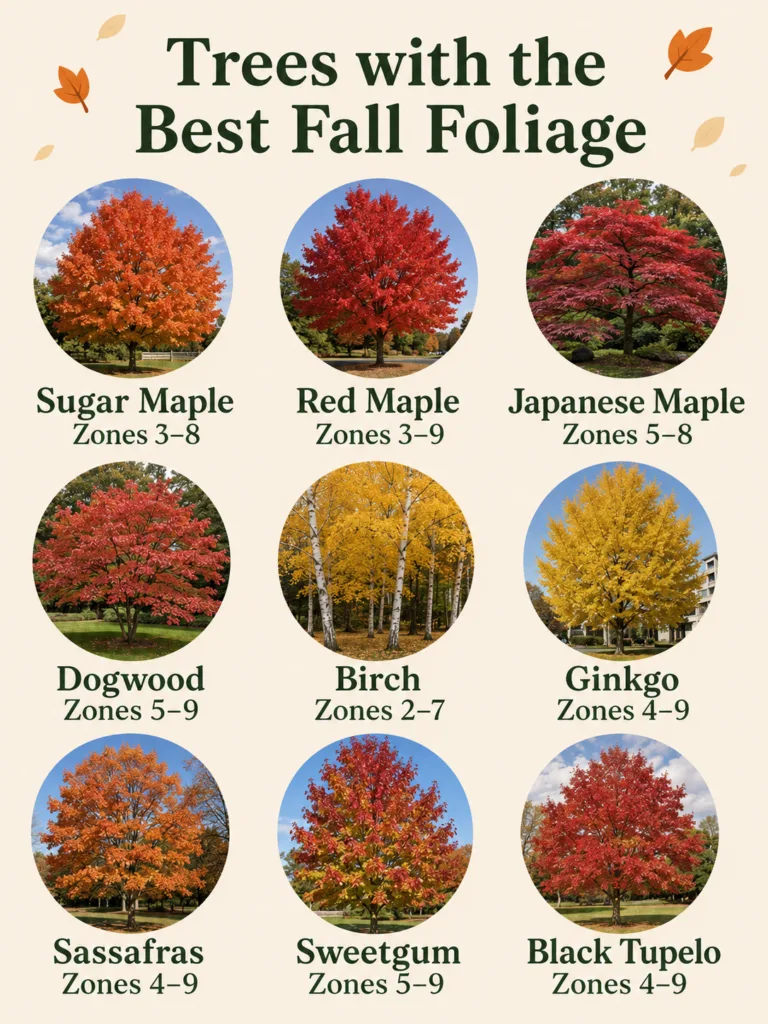 Discover some of the best trees for vibrant fall colors and their ideal growing zones.
Understanding USDA Hardiness Zones Your First Step to Success
Before you even pick out a tree, the most important piece of wisdom I can share is to know your USDA Plant Hardiness Zone. This handy guide tells you which plants are most likely to survive the winter temperatures in your area. Planting a tree that isn’t suited to your zone is like trying to grow a palm tree in Alaska – it just won’t work out!
- Find Your Zone: A quick online search for “USDA Hardiness Zone Map” will help you pinpoint your area.
- Match Your Tree: Look for trees that are hardy in your zone or a zone colder. For example, if you’re in Zone 6, a tree hardy to Zone 5 will likely do well.
Top Picks for Stunning Autumn Spectacles
While there are many wonderful trees out there, some truly stand out for their consistent and dazzling fall performances. Here are a few reliable favorites that bring a burst of color when the days get shorter:
Maple Trees (Acer species) – The Autumn Royalty
When you think of fall foliage, maples often come to mind first, and for good reason! They are the quintessential autumn showstoppers, offering a spectacular range of colors.
- Sugar Maples (Acer saccharum): Famous for their brilliant oranges, reds, and sometimes even yellows. They’re excellent shade trees too and do best in zones 3-8.
- Red Maples (Acer rubrum): True to their name, these bring striking shades of red, often earlier than other maples. They’re quite adaptable and thrive in zones 3-9.
- Amur Maple (Acer ginnala): A smaller, multi-stemmed tree perfect for smaller gardens, offering bright reds in zones 3-8.
Gardener’s Tip: Maples generally prefer well-drained soil and plenty of sunlight to achieve their best fall color.
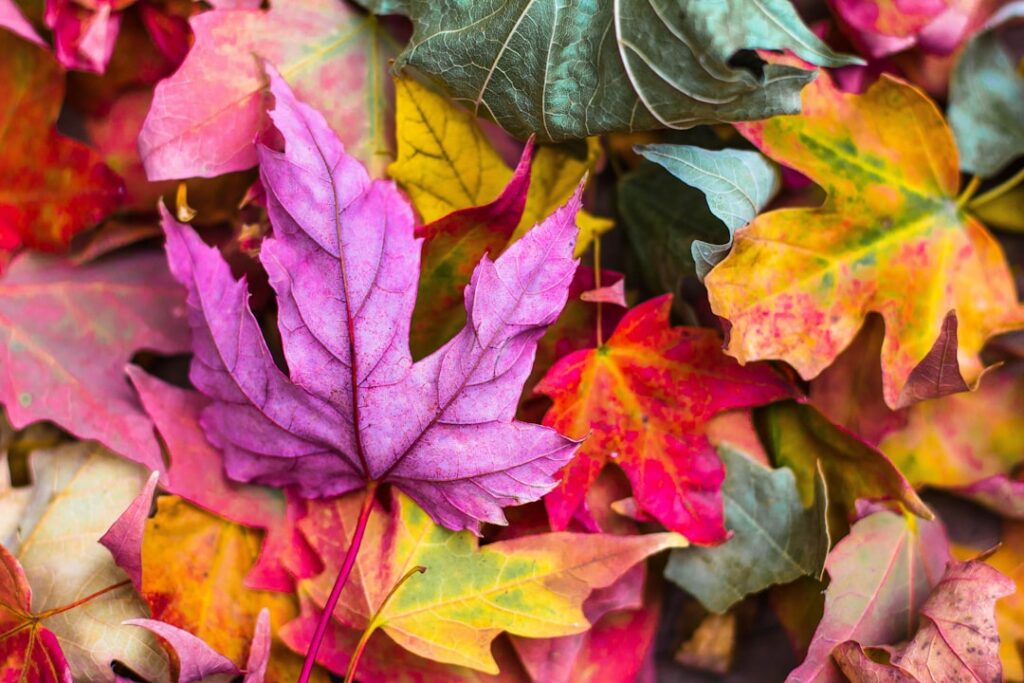 Maple trees are renowned for their breathtaking fall color.
Oak Trees (Quercus species) – Deep, Rich Hues
Oaks might be slower growers, but their longevity and robust beauty make them worth the wait. Their fall colors are often deeper and richer, providing a lovely contrast to the brighter maples.
- Scarlet Oak (Quercus coccinea): As its name suggests, this oak delivers intense scarlet-red foliage. It’s a grand tree, perfect for larger landscapes in zones 4-9.
- Pin Oak (Quercus palustris): Known for its pyramidal shape and reddish-brown leaves in fall, suitable for zones 4-8.
Gardener’s Tip: Oaks prefer slightly acidic, well-drained soil. They are generally low-maintenance once established.
Dogwood (Cornus florida) – Elegant Red-Purples
Beyond their stunning spring blooms, flowering dogwoods offer beautiful reddish-purple fall foliage, often accompanied by bright red berries that attract birds. They are wonderful understory trees or accent pieces in zones 5-9.
Gardener’s Tip: Dogwoods prefer partial shade and moist, well-drained, acidic soil. Protect them from harsh afternoon sun.
Ginkgo (Ginkgo biloba) – A Burst of Golden Sunshine
The Ginkgo tree is truly unique, with its fan-shaped leaves turning a magnificent, uniform golden-yellow in the fall, often dropping their leaves almost all at once, creating a “golden carpet.” This ancient tree is incredibly resilient and suitable for zones 3-9.
Gardener’s Tip: Ginkgos are very adaptable to urban conditions and a wide range of soils once established. Choose a male tree to avoid the messy, smelly fruit produced by females.
Planting and Care for a Lifetime of Color
Once you’ve chosen your perfect fall foliage trees, a little thoughtful care goes a long way in ensuring they flourish and give you years of breathtaking displays.
1. Choosing the Right Spot
Most fall color trees need plenty of sunlight to develop those vibrant hues. Aim for a spot that gets at least 6 hours of direct sun daily. Also, consider the mature size of the tree – give it enough room to grow without crowding buildings or other plants.
2. Soil Preparation is Key
Healthy soil means a healthy tree! Dig a hole that’s twice as wide as the root ball and just as deep. Amend heavy clay soils with compost to improve drainage, or sandy soils to improve water retention. Good drainage is crucial; trees hate “wet feet.”
3. Proper Planting Techniques
When planting, gently loosen any circling roots from the root ball. Place the tree so the root flare (where the trunk widens at the base) is level with or slightly above the ground. Backfill with soil, gently tamp down to remove air pockets, and water thoroughly.
4. Watering Wisely
Young trees need consistent moisture, especially during their first few years. Water deeply and regularly, aiming for the root zone. Once established, most mature trees are more drought-tolerant, but a good drink during dry spells will always be appreciated.
5. Mulch for Health
Apply a 2-4 inch layer of organic mulch (like wood chips or shredded bark) around the base of your tree, keeping it a few inches away from the trunk. Mulch helps retain soil moisture, regulates soil temperature, and suppresses weeds, giving your tree a significant advantage.
6. Gentle Pruning for Shape and Health
Prune your fall color trees when they are dormant (late winter to early spring) to remove dead, damaged, or diseased branches. You can also lightly shape the tree, but avoid excessive pruning, especially on young trees. Less is often more when it comes to pruning, letting the tree develop its natural form.
Beyond the Beauty More Reasons to Plant
While the visual feast of fall foliage is undoubtedly the main draw, these trees offer so much more to your home and our planet:
- Shade and Cooling: In warmer months, they provide welcome shade, reducing energy costs for your home.
- Wildlife Habitat: Many fall foliage trees produce fruits or nuts that provide food for birds and other wildlife, and their branches offer shelter.
- Improved Air Quality: Like all trees, they help clean our air by absorbing carbon dioxide and releasing oxygen.
- Increased Property Value: Mature, well-maintained trees can significantly enhance your property’s curb appeal and value.
Bringing It All Together for Your Colorful Autumn
Creating a landscape vibrant with fall colors is a journey, not a sprint. It starts with a little planning, a good understanding of your local environment (hello, hardiness zones!), and a willingness to offer your trees some loving care. Choosing trees like maples, oaks, dogwoods, or ginkgos means investing in years of spectacular autumn displays.
Imagine sipping your morning coffee, surrounded by a kaleidoscope of red, orange, and gold right in your own backyard. With these practical tips and a bit of patience, you can cultivate a truly stunning autumn experience that transforms your daily routine into a thriving, sustainable practice. Happy planting, my friends!