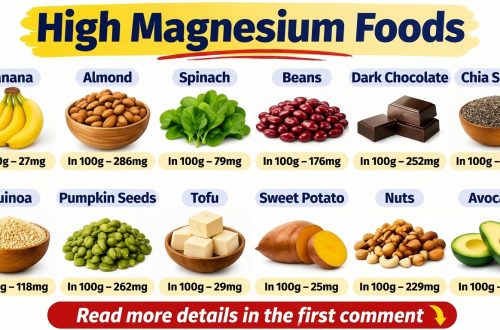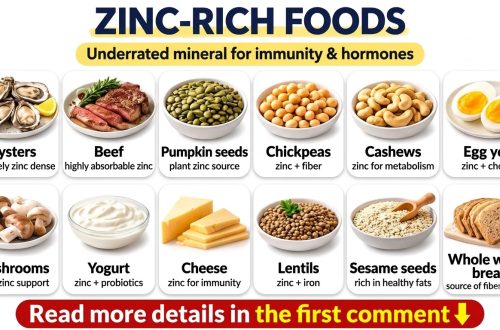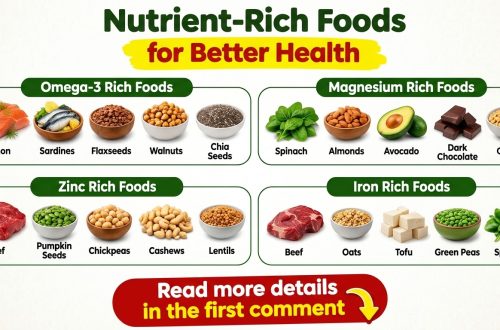
Magnesium is one of those nutrients you rarely hear about, yet it helps your body with many everyday jobs. It plays a part in muscle function, nerve signaling, blood sugar balance and bone health. The good news is that you can get plenty of it from tasty, familiar foods.
In this guide, you will learn which foods are rich in magnesium, how much you might get from a typical serving, and simple ways to work them into your meals. Whether you cook for yourself or your family, these ideas are easy to try.
Why Magnesium Matters
Magnesium is a mineral your body needs in small amounts every day. Research suggests that eating a varied diet with plenty of whole foods can help most people meet their needs. Many adults fall a little short, so adding a few magnesium-rich foods can make a real difference over time.
Top Everyday Sources of Magnesium
Here are some of the most accessible options. Amounts are approximate and can vary by brand and preparation.
| Food | Serving | Approximate Magnesium | Best Way to Enjoy |
|---|---|---|---|
| Pumpkin seeds | 1 ounce | About 150 mg | Sprinkled on salads or yogurt |
| Chia seeds | 1 ounce | About 110 mg | Stirred into oatmeal or puddings |
| Cooked quinoa | 1 cup | About 120 mg | As a base for bowls |
| Cooked spinach | 1/2 cup | About 80 mg | Sauteed with garlic |
| Almonds | 1 ounce | About 80 mg | As a crunchy snack |
| Cashews | 1 ounce | About 75 mg | In stir-fries or trail mix |
| Black beans | 1/2 cup cooked | About 60 mg | In soups, tacos or salads |
| Dark chocolate (70% to 85% cacao) | 1 ounce | About 65 mg | As a small treat |
| Avocado | 1 medium | About 60 mg | On toast or mashed into dips |
| Edamame | 1/2 cup | About 50 mg | Steamed as a side or snack |
Nuts and seeds are especially handy because they store well and need no cooking. Leafy greens and beans add magnesium along with fiber, which helps keep you full.
Easy Ways to Eat More Magnesium
Small changes add up. Try a few of these ideas this week:
- Add a handful of pumpkin or chia seeds to your breakfast bowl.
- Swap plain crackers for a snack of almonds and fruit.
- Stir a cup of spinach into soups, pasta sauce or scrambled eggs.
- Use black beans or edamame in place of some of the meat in tacos and salads.
- Choose whole grains like quinoa, brown rice or oats instead of refined versions.
Simple Meal Ideas
- Start your morning with oatmeal topped with chia seeds, sliced banana and a spoonful of nut butter.
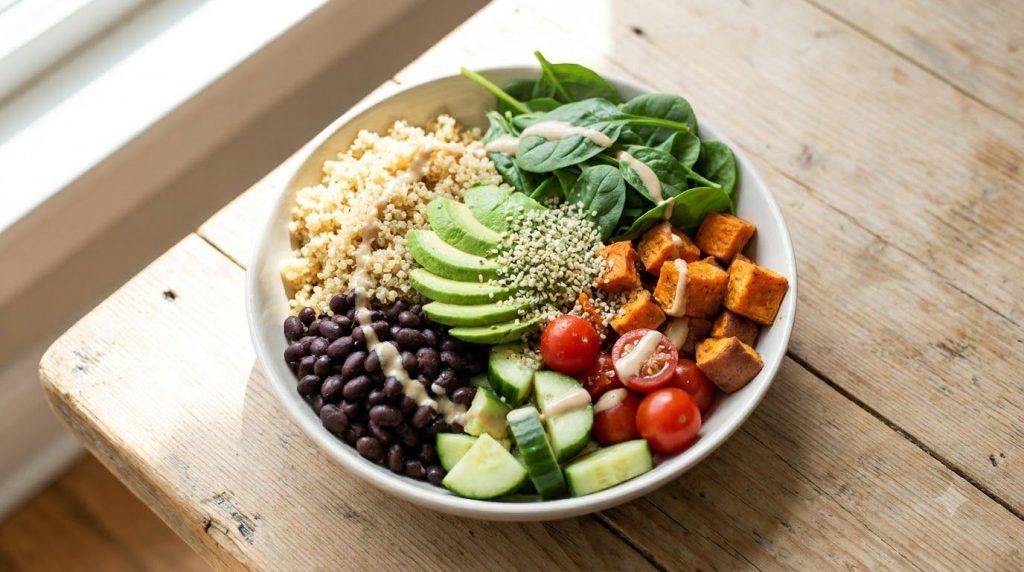
- At lunch, build a grain bowl with quinoa, black beans, greens and avocado.
- For a snack, pair a small square of dark chocolate with a few almonds.
- At dinner, sauté spinach with garlic and serve it alongside salmon or tofu.
Practical Tips
- Keep a jar of mixed nuts and seeds on the counter so healthy snacks are always within reach.
- Buy frozen spinach and edamame. They are affordable and last for months.
- Store nuts and seeds in the refrigerator to keep their natural oils fresh.
- Read labels on dark chocolate and choose options with higher cacao content for more minerals and less added sugar.
Frequently Asked Questions
How much magnesium do adults need each day?
Needs vary by age, sex and life stage. Many adult women need around 310 to 320 mg daily, while many adult men need around 400 to 420 mg. Check with a healthcare professional for guidance that fits you.
Can I get enough magnesium from food alone?
For most people, a balanced diet with a variety of whole foods can provide enough magnesium. Your healthcare provider can help you decide whether any additional steps are needed.
Which magnesium source is the easiest to add to my day?
Pumpkin seeds, almonds and spinach are simple choices. They fit into snacks, salads and cooked dishes with very little planning.
Does cooking destroy magnesium in vegetables?
Some minerals can leach into cooking water, so steaming or sautéing may help keep more in your food. Cooking greens lightly is a practical way to enjoy them.
Are supplements a good idea?
Supplements are not right for everyone, and too much magnesium from supplements can cause stomach upset. Talk with a healthcare professional before starting one.
Can children eat these foods too?
Yes, many of these foods are family friendly. For young children, choose age-appropriate forms, such as ground seeds or nut butter, to reduce choking risk.
Conclusion
Magnesium is easy to enjoy when you rely on everyday foods like seeds, nuts, beans and leafy greens. Start with one or two ideas from this guide and build from there. If you want more healthy food comparisons and simple meal ideas, leave a comment with the word List and we will share our next guide. You can also explore more articles on our site for practical nutrition tips.
This content is for educational purposes only and should not be considered medical advice. Consult a qualified healthcare professional for personalized dietary recommendations.